
Most gardeners think of winter as downtime. If you garden in a Mediterranean climate, that thinking will cost you an entire season.
In Mediterranean zones — classified as Csa (hot-summer) or Csb (warm-summer) under the Köppen system — the cooler months from late autumn through early spring are not a pause. They are your main event. Mild temperatures, concentrated rainfall, and reduced pest pressure create exactly the right conditions for a wide range of vegetables, herbs, and permanent plantings. The dry, scorching summer is actually the season when your garden slows down.
Once you flip that mental calendar, everything changes. Here’s exactly what to plant in a Mediterranean climate during the colder months, and how to do it well.
Why Winter Is the Real Growing Season in Mediterranean Climates
Mediterranean climates share one defining trait: dry summers and wet winters. The subtropical ridge shifts poleward in summer, blocking rainfall. In winter, it retreats, allowing frontal rain systems to move through. That moisture — combined with mild temperatures typically ranging from 8°C to 17°C — creates near-ideal conditions for cool-season crops.
This is the core insight every Mediterranean gardener needs to internalize: summer is dormancy season for many crops, not winter. Tomatoes, peppers, and melons still wait for warmth. But brassicas, root vegetables, alliums, and leafy greens hit their stride precisely when the rain arrives and the heat backs off.
Waiting until conventional spring to plant means missing peak moisture and setting young plants up to face summer stress before they’ve had a chance to establish.
Know Your Microclimate Before You Plant
Not all Mediterranean gardens face the same risks. Coastal gardens in Csb zones benefit from ocean moderation — temperatures swing less, frost is rare, and growing conditions remain relatively stable. These are some of the most forgiving conditions in the world for year-round gardening.
Inland or elevated gardens in Csa zones are a different story. Greater temperature swings, genuine frost risk, and the possibility of winter desiccation — where plants dry out faster than roots can absorb moisture from cold soil — require more careful plant selection and protective measures.
Before you plant, understand your specific site. Know your frost dates, observe where cold air pools or where wind accelerates, and plan accordingly. Two gardens 15 kilometers apart can have meaningfully different winter risk profiles in Mediterranean regions.
Soil Prep: Drainage First, Nutrients Second
Mediterranean winter soil management has two priorities, in this order: drainage and nutrition. Getting these backwards leads to root rot, failed germination, and wasted effort.
Fix Drainage Before the Rains Arrive
Heavy winter rainfall on poorly draining soil is the most common killer of winter gardens in Mediterranean climates. Waterlogged roots are deprived of oxygen, become vulnerable to rot, and suffer greater frost damage if temperatures dip.
If your soil is clay-heavy, incorporate coarse grit, horticultural sand, or fine gravel directly into your beds. This physically opens up the soil structure, allowing water to move through the root zone rather than sitting in it. Raised or slightly mounded beds are an additional safeguard, keeping plant crowns above standing water during heavy rain events.
Note: compost alone will not solve drainage problems — in winter, it can actually make them worse by retaining moisture. The focus here is structure, not fertility.
Time Your Amendments Strategically
Cold temperatures slow the microbial activity that breaks down organic matter. That means amendments applied in autumn and early winter won’t become fully available to plants immediately — which is actually an advantage. Apply aged manure, compost, or similar bulky organics with the first autumn rains, and they’ll be well-integrated and nutrient-rich by the time growth accelerates in late winter and early spring.
Also worth knowing: soil pH can shift by a full unit between dry summer and wet winter, especially in beds with high organic content. Regular organic matter addition helps buffer this fluctuation, keeping conditions more stable for your crops.
Cover Crops Protect and Improve Soil
For beds not in active production, green manures are one of the smartest tools a Mediterranean gardener has. Fava beans, winter peas, and clover add nitrogen while their root systems hold soil against erosion from winter rains. Daikon radishes go further — their long taproots penetrate compacted subsoil layers and, when turned under, leave behind drainage channels that benefit subsequent crops.
What to Plant in Mediterranean Climate
Here’s where the productive work happens. These are the categories that thrive during the cooler, wetter season.
Leafy Greens: Fast, Rewarding, and Continuous
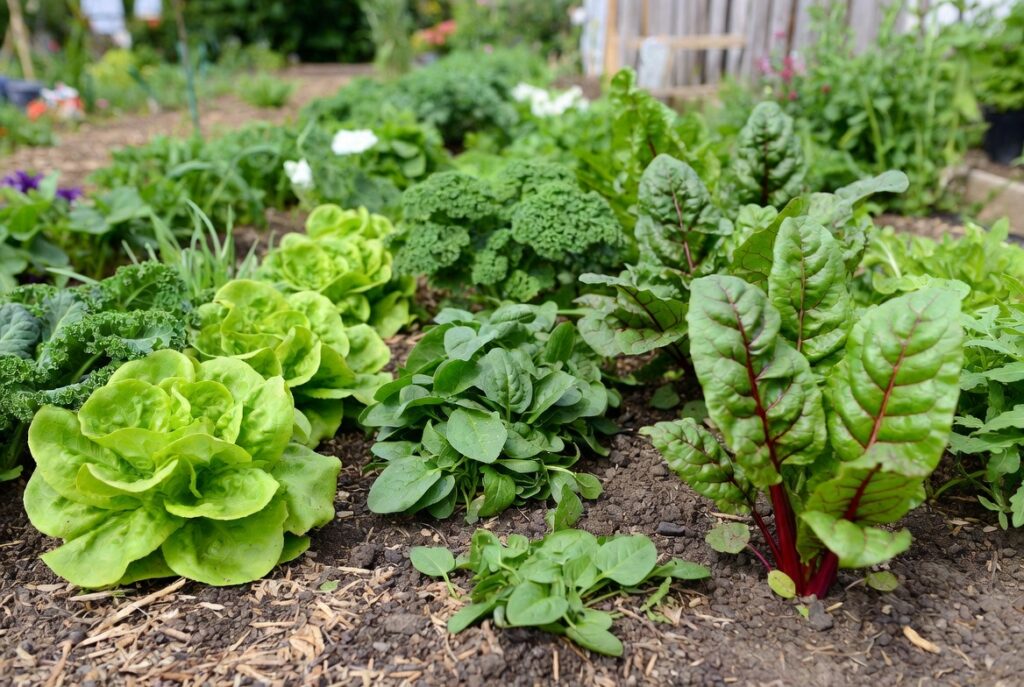
Spinach, lettuce, arugula, Swiss chard, and kale are perfectly suited to Mediterranean winters. They prefer mild temperatures, don’t bolt in the cool, and can be succession-sown from late autumn through January or February for a near-continuous harvest.
Cool, slow growth concentrates sugars in these crops. Winter-grown greens are noticeably sweeter and more tender than summer versions forced through quick heat. That quality difference alone makes winter gardening worthwhile.
For easy maintenance and reliable output, Tree Collard greens are a solid perennial option that produces its best flavor during the cold months.
Brassicas: Cold Weather Keeps the Pests Away
Broccoli, cauliflower, cabbage, Brussels sprouts, and collard greens all belong to the brassica family, and all do well through the Mediterranean winter. One underappreciated benefit: cooler temperatures suppress cabbage moths and related pests, so brassicas grown in winter typically need far less intervention than those planted in warmer conditions.
Look for cold-hardy varieties with a proven track record — ‘Lacinato’ and ‘Winterbor’ kale, ‘Arcadia’ broccoli. Plant transplants in September through November to give them time to establish before peak winter rain.
Root Vegetables: Sweetness Comes from the Cold
Carrots, beets, radishes, turnips, and parsnips develop their best flavor during cool growing conditions. The cold triggers sugar production, improving taste and texture in ways warm-season growing simply can’t replicate.
Direct seed root crops — never transplant them. The seedbed needs to be loose, fine, and consistently moist through germination. Coarse, compacted, or rocky soil leads to misshapen roots and poor yields regardless of which variety you choose.
Alliums and Staples: Plant Now for a Summer Payoff
Garlic, onions, leeks, and shallots planted in October through December will mature by late spring or early summer — just as the dry season sets in and other crops begin to struggle. This timing makes alliums one of the most efficient uses of Mediterranean winter garden space.
Potatoes, unlike in colder climates where they wait for spring, can be planted in autumn in Mediterranean regions for an earlier harvest window. Artichokes planted now will develop deep root systems through the wet winter, positioning them to handle summer drought far better than those planted in spring.
| Crop Family | What to Grow | Planting Window | Key Tip |
|---|---|---|---|
| Brassicas | Broccoli, Kale, Cabbage, Cauliflower | September – November | Early planting reduces pest pressure naturally |
| Leafy Greens | Spinach, Lettuce, Arugula, Swiss Chard | September – January | Succession sow every 3–4 weeks for continuous harvest |
| Root Vegetables | Carrots, Beets, Radishes, Turnips | September – February | Direct seed only; amend soil with grit for straight growth |
| Alliums & Staples | Garlic, Onions, Leeks, Potatoes | October – December | Plant for a late spring/early summer maturity |
Herbs and Perennials: Install Now, Benefit for Years
The cool, wet months are the best time to establish permanent plantings. Roots established during winter rain have months to develop before they face their first dry summer — and that head start makes a measurable difference in long-term survival and productivity.
Mediterranean Herbs: Built for These Conditions
Rosemary, thyme, sage, lavender, oregano, and mint are all ideally planted in autumn through early winter. They prefer well-drained, slightly alkaline soil and full sun. Once established, they require minimal irrigation and handle summer drought with ease.
For gardens in colder inland microclimates, choose cold-hardy herb varieties deliberately. Rosemary cultivars like ‘Arp’ and ‘Hill’s Hardy’ tolerate frost better than standard types. Mulching around the base of plants offers additional protection during the coldest nights.
Beyond the kitchen, these herbs provide nectar for pollinators during the transition months when other flowering plants are scarce — a practical benefit for the broader garden ecosystem.
Trees and Shrubs: Take Advantage of Dormancy
January and February are excellent months for planting citrus — oranges, lemons, limes. Establishing them before summer heat arrives reduces transplant stress and gives roots time to spread before the tree faces its first dry season. Water consistently through this establishment period.
Dormant bare-root planting works well for deciduous fruit trees like almonds and chestnuts. For almonds specifically, late-flowering varieties like ‘Oracle’ or ‘Primavera’ reduce the risk of early blossoms being caught by a late frost — a worthwhile consideration in inland gardens.
For structural garden interest through the colder months, Mediterranean Cypress provides strong vertical form and tolerates dry conditions well. Boxwood, False Cypress, and Mirror Bush (Coprosma) hold foliage and color reliably. Cool-season annuals — pansies, violas, snapdragons — bring immediate color to beds and containers planted in January and February.
Planting Tips in Mediterranean Climate
A few consistent practices will significantly improve your results across all these categories.
Start in autumn, not spring. The single most impactful shift a Mediterranean gardener can make is beginning their main planting push in September and October rather than March. This maximizes the wet season and gives crops the growing time they need before heat arrives.
Thin aggressively. Damp, cool conditions can promote fungal issues when plants are crowded. Good airflow between plants is preventive, not cosmetic.
Watch frost windows, not just seasons. Even mild Mediterranean climates can experience unexpected cold snaps, particularly inland. Keep basic frost protection handy — row covers, cloches, or fleece — for the coldest nights.
Observe, don’t assume. Your garden’s specific slope, aspect, and surroundings create a microclimate that no general guide fully accounts for. Track what succeeds and what struggles, and adjust your timing and variety selection accordingly over successive seasons.
Closing Thoughts
Mediterranean winters offer a gardening window that most climates simply don’t have. The combination of reliable moisture, mild temperatures, and reduced pest pressure creates ideal conditions for food production and permanent planting alike. The gardeners who take full advantage of it shift their calendar, fix their drainage, and put in the effort during the cool months — and reap harvests that other gardeners can only manage in brief windows.
Your summer drought is the real dormancy period. Treat winter as the main season, and your Mediterranean garden will consistently outperform expectations.
Frequently Asked Questions
Can I grow tomatoes in a Mediterranean climate during winter? Not successfully. Tomatoes, peppers, and cucurbits require warm soil and sustained heat that winter in Mediterranean zones doesn’t provide. Wait until late spring or early summer to plant these crops.
When should I start planting for winter in a Mediterranean climate? Begin in September or October. This gives cool-season crops enough time to establish and grow through the wet season before summer heat arrives.
Do I need to water my garden in winter in a Mediterranean climate? Rainfall generally covers most water needs during winter, but you should monitor young transplants and newly seeded beds — they may need supplemental watering during dry spells within the wet season.
What herbs grow best through a Mediterranean winter? Rosemary, thyme, sage, oregano, lavender, and parsley all establish well when planted in autumn and handle winter conditions reliably.
Is frost a real concern in Mediterranean climates? In coastal areas, frost risk is low. In inland or elevated gardens, light to moderate frost events are possible and should be planned for with cold-hardy variety selection and row cover protection.
What’s the best way to improve drainage for winter planting? Incorporate coarse grit or horticultural sand into your beds, and consider planting in raised or mounded beds to keep plant crowns above standing water.