
If you live in a Mediterranean climate zone (often classified by Köppen as Csa or Csb), you possess a distinct gardening advantage. While gardeners in northern latitudes are resigned to a frozen dormancy, your “colder months” are actually a period of intensive productivity. The key to success is understanding that your gardening calendar must be inverted: the mild, moist winter, not the dry, scorching summer, is your primary growing season. By embracing this climate switch, you can achieve a vibrant, abundant harvest and establish resilient perennial plantings that will endure the heat to come.
Why Winter is Your Best Growing Opportunity
The regions identified as having a Mediterranean climate are defined by a singular, crucial characteristic: dry summers and wet winters. Successful gardening in these areas depends on leveraging this unique seasonal shift.
The Unique Csa/Csb Signature: Wet Winters, Arid Summers
The climate signature typically features relatively mild winters, with average temperatures usually remaining between 8 and 17 degree Celcius. Rainfall is concentrated during these cooler months, making the wet winter period indispensable for plant growth. This pattern is caused by the seasonal migration of the subtropical ridge, which shifts equatorward in the winter, allowing frontal cyclones—the primary sources of rain—to pass through your region.
This seasonal moisture availability fundamentally changes the gardening focus. For the home gardener, the mild, moist winter becomes the prime window for cultivating crops that would otherwise bolt or succumb to heat and drought stress in July. Plants less demanding of intense light and heat thrive during these months. Therefore, the critical realization for you is that you must invert your mental gardening calendar. Planting must begin in the autumn (September or October) to ensure young crops can maximize growth and utilize the vital wet season. Waiting until the conventional spring often means missing the peak moisture period, subjecting developing plants to immediate heat stress as the dry summer rapidly approaches.
Finding Your Microclimate: Coastal, Inland, and the Frost Line
Although the overall climate is mild, the weather conditions remain highly dependent on your specific location, elevation, and geographical placement. Understanding your local microclimate is the first step toward winter success.
If you are near the coast, you likely experience the Csb climate subtype, which is characterized by warm summers and moderate temperatures year-round. The proximity to large bodies of water mitigates temperature extremes, resulting in a comparatively small range between the winter low and the summer high, which translates to a lower overall risk of severe frost.
However, if your garden is farther inland or at a higher elevation (often categorized as the Csa subtype), the risk profile shifts significantly. These areas experience a larger diurnal range—the difference between the maximum and minimum daily temperatures—and carry a higher danger of frost during the winter season. If you garden at altitude, you must be extremely cautious. Research shows that at snow-free sites, winter frost damage can be severe, especially to perennial structures, sometimes requiring insulation methods even for seemingly hardy species. Furthermore, exposed plants at higher elevations may suffer from winter desiccation, where the plant dries out because water evaporates faster than it can be absorbed from cold or frozen soil. Your planting choices and protection strategies must directly address this specific vulnerability to both cold and wind-induced drought.
Soil Health and Water Management
In a Mediterranean climate, the soil must be prepared to handle two extremes: seasonal waterlogging in winter and intense aridity in summer. Winter soil preparation is therefore paramount for building long-term garden resilience.
Beating the Moisture Trap: The Critical Need for Drainage
The most immediate threat to your winter garden is not cold but prolonged saturation. Heavy winter rainfall can quickly lead to waterlogging, root rot, and root damage. Waterlogged soil is starved of oxygen, suffocating the roots and increasing the risk of frost damage if the saturated soil freezes.
While compost is generally vital for garden health, relying on it alone to improve heavy soils can be detrimental in the winter, as compost is designed specifically to retain moisture. The primary focus must shift from moisture retention (a summer goal) to physical drainage (a winter priority). You must incorporate copious amounts of structural materials like coarse grit, horticultural sand, or small pebbles directly into your beds, especially if you have clay-heavy soil. This process physically creates essential air pockets and speeds up water movement through the root zone. Planting in slightly raised or mounded beds is also highly recommended to keep the crowns of your cool-season vegetables above standing water.
Timing Your Soil Amendments for Peak Effectiveness
The cooler temperatures of the Mediterranean winter slow down microbial activity, which is essential for breaking down organic matter and making nutrients available to plants. Therefore, applying heavy, slow-releasing nutrients must be timed strategically.
Autumn and early winter, coinciding with the first heavy rains, are the perfect times to incorporate bulky organic amendments, such as aged manure or compost. Materials like composted turkey manure (a good source of nitrogen) and wood shavings (carbon) provide the necessary organic base. By applying these materials now, the slow decomposition process ensures a potent nutrient pulse is ready just as temperatures rise in late winter or early spring, maximizing your yields when plant growth accelerates. Additionally, consider using soil amendments like humates, which are effective at releasing existing nutrients in your soil that might otherwise be unavailable to plant roots due to the dynamic temperature fluctuations.
You should also be aware that the pH of your soil can fluctuate significantly—by as much as one full unit—between the dry summer and the wet winter, particularly in sections with high organic matter. Robust, consistent organic matter addition helps buffer these natural shifts, providing a more stable growing medium for your cool-season crops.
Green Manures: Leveraging Winter Rain to Build Summer Resilience
Planting cover crops, or green manures, during the wet winter is an effective permaculture technique that protects and revitalizes your soil. Green manures, such as fava beans, clover , or winter peas, prevent soil erosion caused by heavy winter rains, add valuable nitrogen back into the ground, and increase the soil’s organic matter content.
For structural improvement, consider planting deep-rooted green manures like daikon radishes. These are sometimes called “biodrill” crops because their long roots physically penetrate dense subsoil layers. When the plant is turned under in spring, these channels remain, significantly improving future drainage and allowing subsequent crop roots to reach deeper moisture reserves during the arid summer.
High-Yield Edibles to Plant in Mediterranean Climate on the Colder Months
The cool, moist environment of your winter season is the equivalent of a productive spring for cool-loving crops. Your focus should be entirely on this group, avoiding the heat-loving Solanaceae (tomatoes, peppers, aubergines) and Cucurbits (courgettes, melons), which must wait for the warmer days.
1. Leafy Greens and Brassicas:
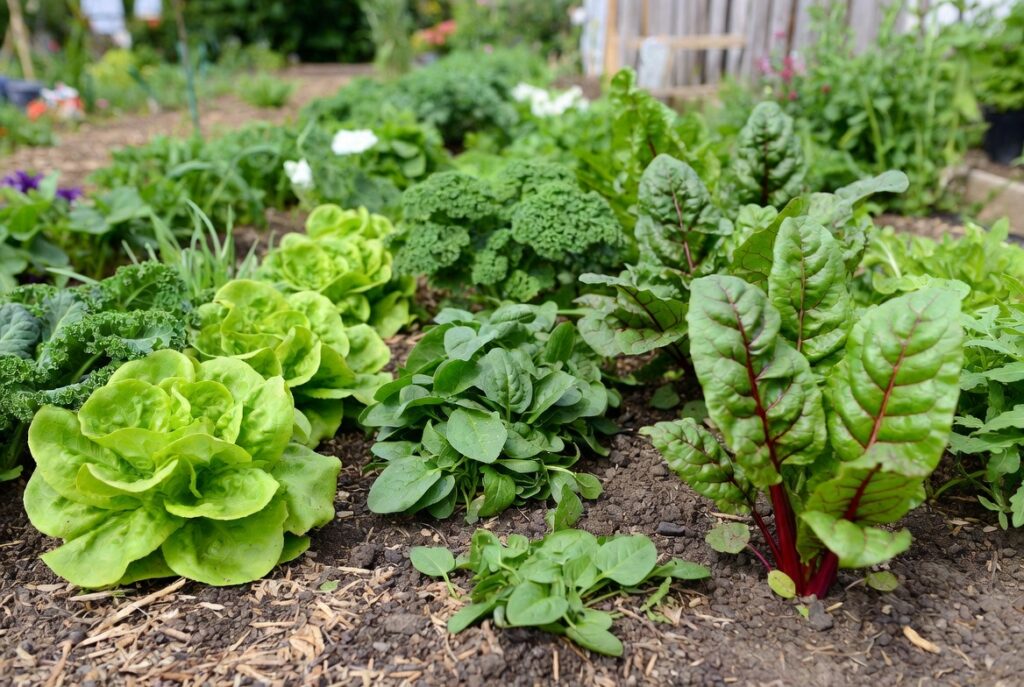
The mild winter is perfect for growing fast-producing, high-yield leafy greens. You should succession sow crops like lettuce, spinach, kale, arugula, and Swiss chard from late autumn through January and February for continuous harvesting. These plants thrive in the cooler, moister conditions.
The Brassica family (cabbage and mustard family) also flourishes during this time, including cauliflower, broccoli, Brussels sprouts, cabbage, and collard greens. Look for known cold-hardy varieties like ‘Lacinato’ or ‘Winterbor’ kale, and ‘Santo’ or ‘Arcadia’ broccoli. A key benefit of growing brassicas in the colder months is that they are naturally less susceptible to common pests like cabbage moths. For a low-maintenance, continuous harvest, consider perennial edibles like Tree Collard greens, which are particularly tender and delicious when grown in cool weather.
The slower, cool growth during the Mediterranean winter concentrates sugars and nutrients. This results in harvests, particularly of greens and root vegetables, that are sweeter and more tender than those that are forced quickly in high heat. This quality advantage is one of the main rewards of actively gardening through the winter.
2. Root Vegetables:
Root vegetables benefit immensely from the cool temperatures, which encourage sweet flavor development, provided they have the excellent drainage established in the previous section.
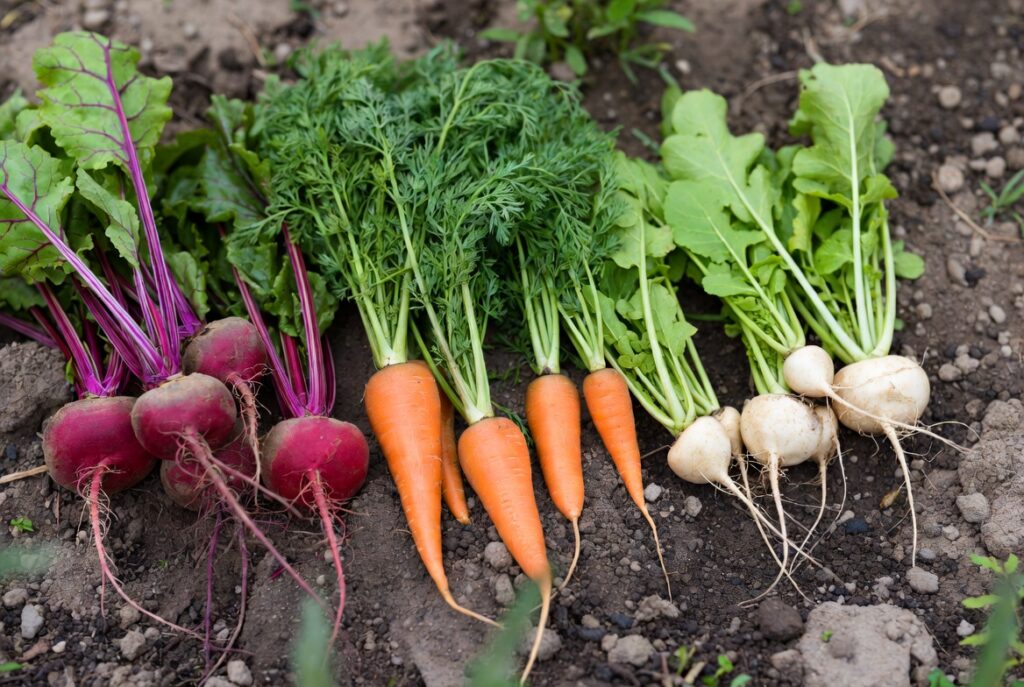
You should direct seed beets, carrots, radishes, and turnips now for a spring harvest. Other root staples that do well include Jerusalem artichokes and parsnips. It is critical that root crops are sown directly into the soil rather than transplanted, and that the seedbed is loose, fine, and kept consistently moist during the germination period.
3. Long-Term Staples:
If you want a harvest ready for the onset of summer, the colder months are the time to plant staples. Onions, garlic, leeks (such as the reliable ‘King Sieg’) and shallots are typically planted in the autumn or early winter for maturity in late spring or early summer. Unlike in colder climates, potatoes can also be planted in autumn in your climate for an earlier harvest. For a long-term contribution to your permaculture system, planting perennial edibles like Artichoke now allows their root systems to establish deeply during the wet winter, ensuring greater stability and yield resilience during the dry summer.
To assist with your planning, the following table summarizes high-yield cool-season crops for the Mediterranean winter:
High-Yield Cool-Season Edibles and Timing for Mediterranean Winter
| Vegetable Family | Crops to Plant/Sow | Ideal Planting Time (Autumn/Winter) | Key Practice Tip for Csa/Csb |
|---|---|---|---|
| Brassicas | Broccoli, Cabbage, Kale (‘Winterbor,’ ‘Lacinato’), Cauliflower | September – November (Transplants) | Plant early in autumn; cooler weather naturally suppresses cabbage moth activity. |
| Leafy Greens | Spinach, Lettuce, Swiss Chard, Arugula | September – January (Succession Sow) | Thin plants aggressively to ensure good air circulation and prevent fungal issues in damp conditions. |
| Root Vegetables | Carrots, Beets, Radishes, Turnips, Parsnips | September – February (Direct Seed Only) | The soil must be amended with grit and fine material for straight root development. |
| Alliums/Staples | Garlic, Onions, Leeks, Autumn Potatoes | October – December | Plant in early winter for a late spring/early summer harvest, maximizing the growth period. |
Structure, Scent, and Color: Hardy Perennials and Ornamentals
The Mediterranean aesthetic—characterized by aromatic foliage, silver leaves, and compact shapes—is intrinsically linked to resilience. Winter is the ideal time to install these permanent structural plants, allowing them to establish deep roots during the rainy season to guarantee their survival through the subsequent summer drought.
Essential Aromatic Herbs: Fragrance and Resilience
The herbs that define the Mediterranean kitchen are also hardy enough to handle the winter. Planting them in the cooler months ensures robust establishment before the primary challenge of summer aridity begins. Excellent choices include Rosemary, Thyme, Sage, Parsley, Chives, Mint, Oregano, and Lavender. They require well-drained, neutral to alkaline soil and thrive in full sun.
If you are located in an area prone to hard frost (such as a Zone 5 or 6 microclimate), you must select varieties known for their cold tolerance. For example, choose cold-hardy Rosemary varieties like ‘Arp’, ‘Hill’s Hardy’, or ‘Alcade’, and ensure they are protected with a deep layer of mulch. Beyond their culinary use, these aromatic plants are vital for local ecosystems, often providing crucial nectar for pollinators during the cooler transition months.
Winter Bloom and Foliage: Annuals and Shrubs for Cold Month Color
Structural evergreens are key to maintaining interest during the colder months. Iconic Mediterranean Cypress trees provide striking vertical accents and tolerate dry conditions. Other dependable choices for winter foliage and color include Boxwood, False Cypress, Mirror Bush (Coprosma), and the Soft Caress Oregon Grape, which provides yellow blooms in the fall and winter.
For immediate splashes of vibrant color, cool-season annuals are essential. Plant pansies, violas, and snapdragons during January and February to brighten up your garden beds and pots.
Planning Ahead: Citrus and Bare-Root Planting
The cooler months of January and February are highly advantageous for planting new trees, particularly citrus (oranges, lemons, and limes), as this timing allows them to settle and establish their root systems before the onset of summer heat. Adequate watering during this establishment phase is crucial.
Winter is also the proper time to prune and plant deciduous fruit trees, such as chestnuts and almonds, while they are dormant. For almonds, which bloom very early, it is wise to select newer, later-flowering varieties like ‘Oracle’ or ‘Primavera’ to help mitigate the risk of late frost damage to the flowers.
Conclusion: Reap the Rewards of the Mild Season
The Mediterranean winter demands that you abandon the conventional gardening calendar and actively cultivate during the mild, wet season. By prioritizing excellent drainage, strategically timing nutrient application, and focusing on cool-season crops that flourish in these conditions, you can achieve continuous harvests of sweet, tender vegetables. Your proactive steps in frost protection and environmental pest management during these cooler months are not just maintenance tasks; they are foundational investments that set the stage for a resilient, vibrant garden capable of surviving the heat and drought of the approaching summer.