
Ever wish you could see your seeds wake up and stretch their first tiny roots? There’s something almost magical about watching a seed sprout—and one of the easiest, most satisfying ways to do it is with a simple paper towel.
This little trick lets you peek at the very start of a plant’s life, giving you a head start on growing healthy seedlings. Whether you’re just getting your hands dirty for the first time or have been gardening for years, this method saves you time, space, and a whole lot of guesswork.
In this guide, we’ll walk through each step together, share helpful tips, and point out a few common slips to avoid—so you can nurture your sprouts into strong, happy plants. Ready to give it a try? Let’s get those seeds growing.
Germination Times By Seed
Germination times vary widely depending on the type of seed. Knowing the typical germination period helps you plan your planting schedule better. Seeds respond differently to conditions and their natural growth cycles.
Using the paper towel method speeds up observation of seed sprouting. It allows you to see the early stages clearly. This technique works well for many common garden seeds.
Typical Germination Times By Seed Type
- Beans: 3 to 7 days
- Peas: 7 to 14 days
- Tomatoes: 5 to 10 days
- Peppers: 7 to 21 days
- Lettuce: 2 to 10 days
- Carrots: 14 to 21 days
- Sunflowers: 7 to 10 days
- Cucumbers: 3 to 10 days
Key Factors For Success
- Moisture: Keep paper towels damp but not soaked to avoid seed rot.
- Airflow: Open the plastic bag every 2-3 days to prevent mold growth.
- Darkness: Store seeds in a dark place until they sprout for better results.
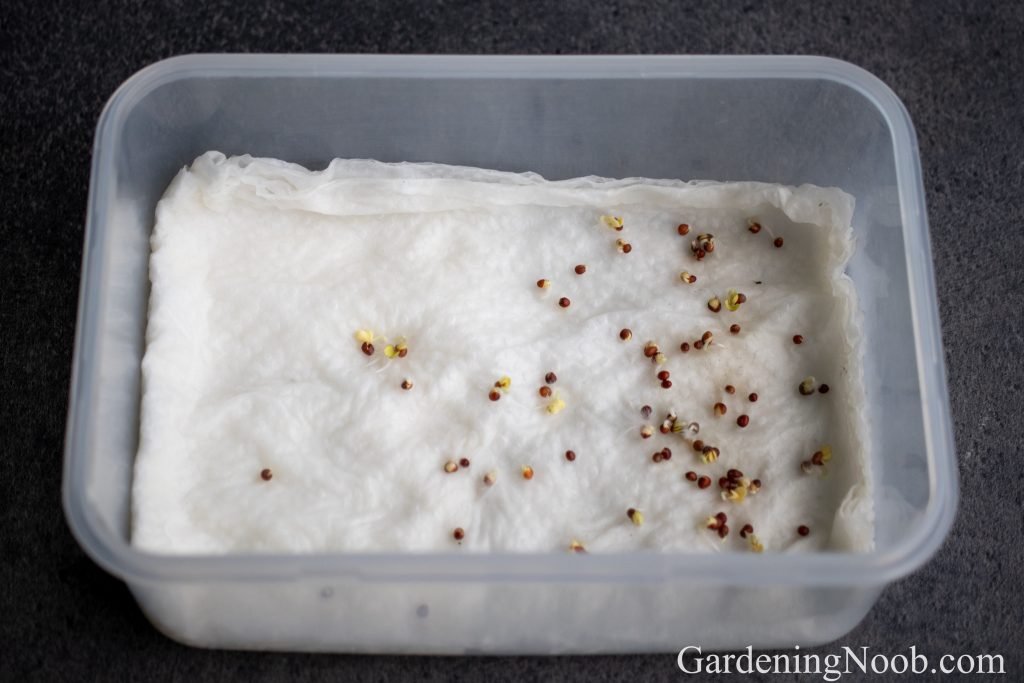
After the seed sprouts, handle it carefully. Transfer it gently to soil with the root pointing down. Keep the soil moist to support early growth and strong seedlings.
Credit: www.gardeningnoob.com
Factors That Affecting Germination
Successful seed germination in a paper towel depends on several key factors. Each element must be carefully managed to create the best environment for seeds to sprout. Understanding these factors helps improve germination rates and produces healthy seedlings. Below, we explore the main factors that affect seed germination using the paper towel method.
Moisture Control
Seeds need moisture to start growing, but too much water can harm them. The paper towel should be damp, not soaked. Excess water can cause seeds to rot or develop mold. Check the towel daily and add water if it feels dry. Keeping the right moisture level is crucial for healthy germination.
Airflow Importance
Good airflow prevents mold and fungus from forming on seeds. Seal the paper towel in a plastic bag but open it briefly every two or three days. This lets fresh air in and reduces excess moisture buildup. Proper airflow helps seeds breathe and stay healthy during germination.
Darkness Benefits
Most seeds germinate better in the dark. Darkness mimics natural soil conditions. Store the paper towel with seeds in a dark place like a drawer or cupboard. Avoid exposing seeds to direct light until they sprout. Darkness encourages faster and stronger seed growth.
Light Vs Dark For Germination
Light and darkness affect seed germination differently. Some seeds need light to sprout, while others require darkness. Understanding this helps improve success with the paper towel method. Seeds react to light signals to know when to start growing. This natural trigger tells the seed that conditions are right for sprouting.
Choosing the right light condition depends on the seed type. Many common seeds do best in the dark during germination. Darkness mimics soil cover, keeping seeds safe until they are ready to grow above ground. Others, like lettuce or petunias, need light to break dormancy and start sprouting.
Seeds That Prefer Darkness
Most vegetable seeds such as beans, peas, and tomatoes germinate well in the dark. Keeping the paper towel and seeds inside a closed, dark container helps. Darkness prevents drying out and encourages steady growth of the root. Avoid exposing these seeds to light until they sprout.
Seeds That Need Light
Small seeds, including lettuce, snapdragons, and petunias, require light for germination. Place these seeds on top of the paper towel without covering them completely. Leaving the paper towel in a bright spot but out of direct sunlight works best. Light signals the seed to begin sprouting.
How To Manage Light Exposure
Use a plastic bag or container to control moisture and light. For seeds needing darkness, wrap the towel in aluminum foil or place in a dark drawer. For light-loving seeds, keep the towel uncovered in a well-lit room. Check daily for sprouting and moisture levels.
Signs Of Successful Germination
Look for tiny white roots pushing through the seed coat. This means the seed has sprouted successfully. Once roots appear, move the seedlings to soil. At this stage, light becomes crucial for healthy growth and leaf development.
Common Germination Problems You May Face
Germinating seeds in a paper towel is simple but can face common problems. Knowing these issues helps improve success. Seeds might not sprout due to moisture, temperature, or seed type. Some seeds need special care beyond just damp paper towels.
Tiny Seeds Challenges
Tiny seeds often cause trouble when using paper towels. They can slip through or stick to the towel. These seeds usually need light to start growing. Covering them with a thick paper towel blocks light, stopping germination. Handle tiny seeds gently and consider using a shallow tray with soil instead. This method gives better control over moisture and light.
When Paper Towel Fails
Sometimes, paper towels stay too wet or dry out too fast. Too much water causes seeds to rot or grow mold. Too little water makes seeds dry and stop growing. Keep the towel moist but not soaked. Also, poor airflow in a sealed bag can create mold. Open the bag for a few seconds every two days. If seeds still don’t sprout, try soaking them in water first or use soil to start germination.
How You Can Speed Up Germination Process
Speeding up seed germination in paper towels helps you grow plants faster. Seeds need the right conditions to sprout quickly. Moisture, warmth, and air play key roles. Small changes can make a big difference. Here are some easy ways to speed up germination.
Overnight Soaking
Soak seeds in water overnight before placing them on the paper towel. This softens the seed coat and helps water reach inside faster. It triggers the seed to start growing sooner. Use room temperature water and do not soak for more than 12 hours. After soaking, place seeds on a damp paper towel. This step can reduce germination time by a few days.
Heat Mats Use
Heat mats provide consistent warmth from below the seeds. Most seeds germinate faster at temperatures between 70°F and 85°F (21°C to 29°C). A heat mat keeps the paper towel warm and moist. This warmth speeds up the seed’s metabolism. Place the paper towel with seeds on the mat and cover with a plastic bag to keep humidity. Avoid overheating; check the temperature regularly.
Humidity Domes
Humidity domes trap moisture around seeds and paper towels. They create a mini greenhouse effect. This prevents the paper towel from drying out quickly. Seeds stay moist and warm, which boosts germination speed. Use a clear plastic dome or a plastic bag with holes for air flow. Remove the dome once seeds start to sprout to avoid mold growth.
Step-by-step Germination Process
Germinating seeds using a paper towel is a simple and effective method. It allows you to watch seeds sprout before planting. Follow these easy steps for successful germination.
Moisten Paper Towel
Take a clean paper towel and dampen it with water. The towel should be wet but not dripping. Too much water can cause seeds to rot.
Place Seeds
Spread the seeds evenly on one half of the damp towel. Leave space between each seed to avoid crowding. This helps roots grow without tangling.
Fold And Seal
Fold the paper towel over the seeds carefully. Place the folded towel inside a plastic bag or container. Seal it to keep moisture inside.
Create Warmth
Put the sealed bag in a warm spot, like on top of a refrigerator or near a heater. Most seeds germinate best between 70°F and 80°F (21°C to 27°C).
Daily Monitoring
Check the seeds every day to see if they have sprouted. Open the bag briefly to let fresh air in and prevent mold. Keep the towel damp if it starts to dry out.
Tips For Best Results
Germinating seeds in a paper towel is simple and effective. Small details make a big difference. Follow these tips to improve your success rate. Proper care helps seeds sprout faster and stronger.
Avoid Excess Moisture
Keep the paper towel damp but not soaked. Too much water can drown the seeds. Excess moisture slows down germination and may cause seeds to rot. Check the towel often and squeeze out any water if needed. A slightly wet towel is perfect for seed growth.
Best Seeds For Method
This method works well with larger seeds. Beans, peas, sunflowers, and peppers germinate easily on paper towels. Tiny seeds may not do well because they need light or soil contact. Choose seeds that sprout quickly and have a hard coat. These respond best to this technique.
Mold Prevention
Prevent mold by allowing some airflow. Seal the paper towel in a plastic bag but open it every two days for fresh air. Mold grows in stagnant, wet environments. Also, use clean towels and avoid overwatering. If mold appears, remove affected seeds and replace the towel.
Credit: www.youtube.com
Transferring Seedlings
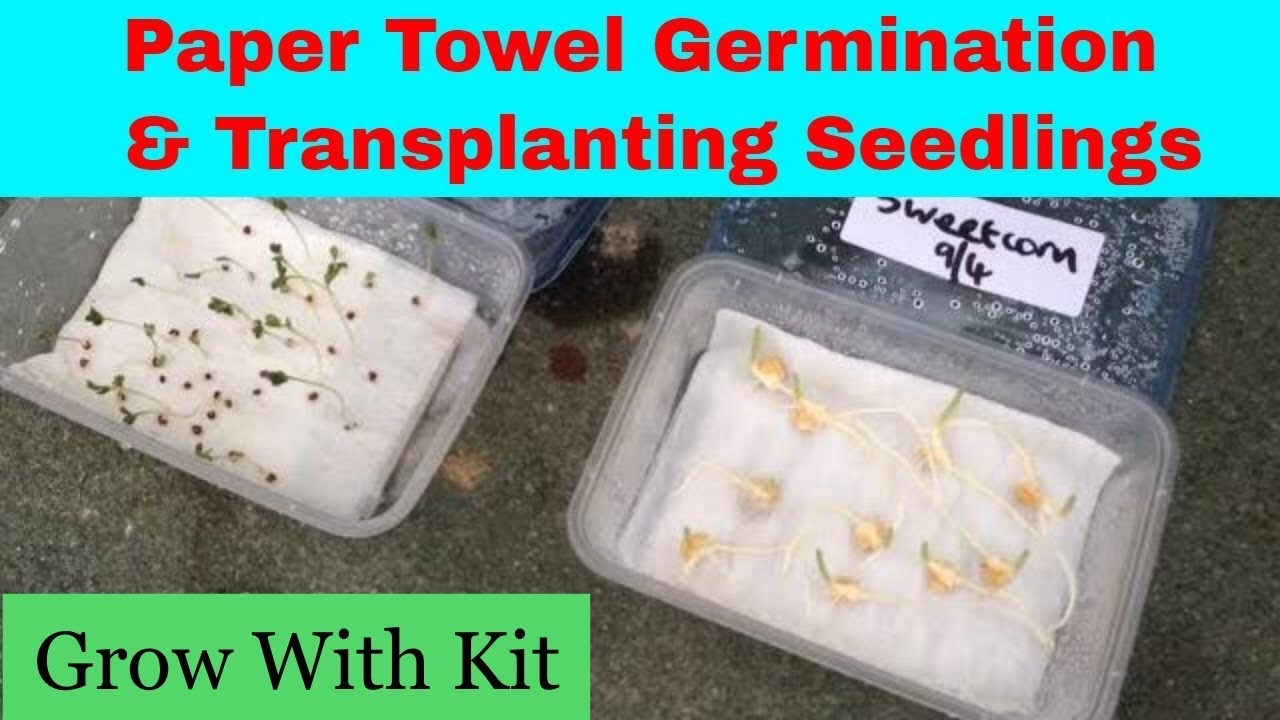
Transferring seedlings is a key step after germinating seeds in a paper towel. This process requires care to avoid damaging the delicate young plants. Proper handling helps seedlings grow strong and healthy in soil.
Handle seedlings gently by their leaves, not stems. The stems are fragile and can easily break. Use a small tool or your fingers to lift seedlings with the paper towel piece.
Preparing The Soil
Use loose, well-draining soil in small pots or seed trays. Moisten the soil before planting to help roots settle quickly. Avoid waterlogged soil that can cause root rot.
Planting The Seedlings
Make a small hole in the soil deep enough for the seed’s root. Place the seedling root down into the hole carefully. Cover lightly with soil, pressing gently to secure the seedling.
After Transferring Care
Keep the soil moist but not soaked. Place seedlings in a warm, bright spot without direct sunlight. Avoid strong winds or cold drafts that may stress young plants.

Credit: growitbuildit.com
Frequently Asked Questions
How Long Does It Take For Seeds To Germinate In A Paper Towel?
Seeds typically germinate in a paper towel within 3 to 10 days, depending on the seed type and conditions. Keep the paper towel moist, warm, and in darkness for best results. Check daily and transfer sprouts to soil once roots appear.
Do You Germinate Seeds In A Paper Towel, Light Or Dark?
Germinate seeds in a damp paper towel kept in darkness until they sprout. Light is not needed during this stage.
Why Aren’t My Seeds Germinating In Paper Towels?
Seeds may not germinate in paper towels due to dryness, excessive moisture, lack of warmth, or insufficient darkness. Tiny seeds often need light to sprout. Avoid soaking seeds too long or overcrowding. Ensure proper temperature, moisture, and airflow for successful germination.
How Do You Germinate Seeds Quickly?
Soak seeds overnight to soften coats. Place seeds on a moist paper towel. Keep warmth around 70-85°F. Maintain consistent moisture without soaking. Store in darkness until sprouts appear.
Conclusion
Germinating seeds in a paper towel is simple and effective. Keep the towel moist but not soaking wet. Place seeds in a dark, warm spot to encourage sprouting. Check seeds often to avoid mold and dryness. Once sprouts appear, move them carefully to soil.
This method helps you start plants early and watch growth closely. It suits many seed types and saves space. Try it to enjoy a successful, easy seed start at home.