
Winter is the perfect time to give your plants the care they need to thrive come spring. If you want healthier, stronger plants, learning the right winter pruning techniques is essential.
By pruning during the colder months, you can remove dead or damaged branches, improve air flow, and encourage fresh growth when the weather warms up. You’ll discover simple, effective pruning tips that will help you protect your garden and boost your plants’ health.
Ready to transform your garden and make your plants flourish? Keep reading to find out how winter pruning can make all the difference.
Benefits Of Winter Pruning
Winter pruning offers several important benefits for plants. It helps prepare them for a healthy growing season ahead. Cutting back branches during dormancy supports stronger, more vibrant growth. Pruning also removes damaged parts that could harm the plant. This simple step improves overall plant health and appearance.
Encouraging Spring Growth
Pruning in winter removes old, weak branches. This allows the plant to focus energy on new shoots. Spring buds get better light and air, boosting growth. Stronger branches develop, making the plant more vigorous. The result is fuller and healthier plants come springtime.
Preventing Disease
Winter pruning clears away dead or diseased wood. Removing these parts limits places where pests hide. It also reduces the spread of fungal infections. Open spaces improve air flow around the plant. This dry environment lowers chances of disease developing.
Improving Plant Structure
Pruning shapes the plant’s framework during winter. Cutting back crowded branches prevents future tangling and breakage. It helps form a balanced, sturdy structure. Good structure supports better fruit, flowers, and overall growth. Winter pruning keeps plants neat and strong for years.
Choosing The Right Time for Pruning
Choosing the right time for winter pruning is essential for plant health. Pruning too early or too late can harm the plants. It affects how well they heal and grow in spring. Understanding the best moments to prune helps you protect plants from damage and encourages strong growth.
Late Winter Vs Early Spring
Late winter pruning happens when plants are fully dormant. This period is ideal for many trees and shrubs. Pruning now helps reduce the risk of disease and pest problems. Early spring pruning takes place just before new growth starts. It can stimulate growth but might expose plants to frost damage. Decide based on your local climate and plant type.
Avoiding Freeze Damage
Pruning too early in winter can leave plants vulnerable to freezing. Fresh cuts can dry out or freeze, causing harm. Wait until the coldest days have passed before pruning. Watch weather forecasts to avoid late frost periods. Protect plants by pruning on warmer days with dry conditions.
Plant-specific Timing
Different plants need pruning at different times. Deciduous trees often do well with late winter cuts. Evergreens may require pruning in early spring or after frost risk ends. Flowering plants have special timing based on when they bloom. Research your specific plants to find their ideal pruning window. This ensures healthier growth and better blooms.
Essential Tools for Pruning Tree in Winter
Having the right tools makes winter pruning easier and more effective. Proper tools help you cut cleanly and protect your plants from damage. They also keep your work safe and efficient. This section covers essential tools you need for healthier plants during winter pruning.
Sharp Pruners And Saws
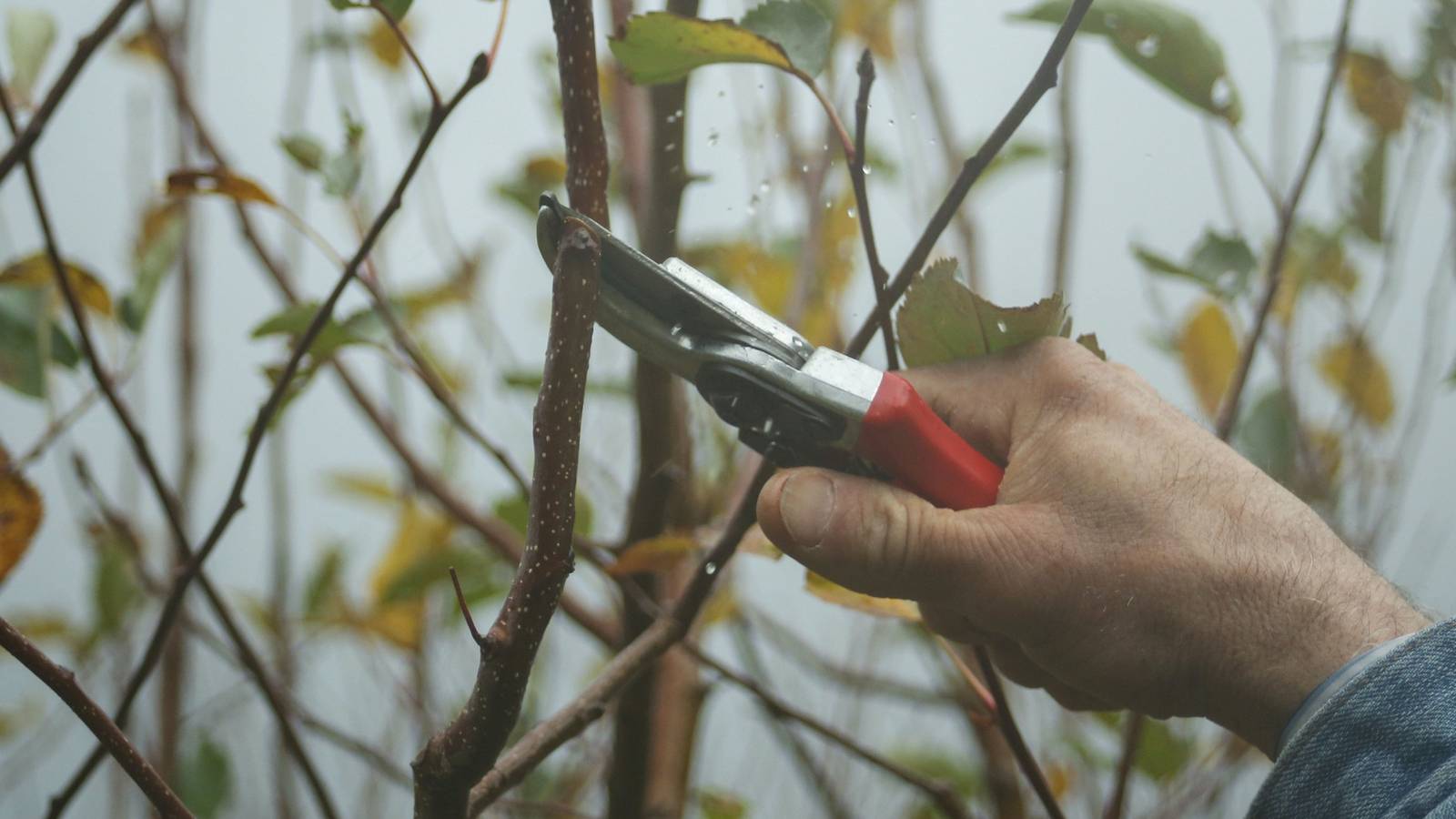
Sharp pruners and saws create clean cuts that heal faster. Dull tools crush branches and slow recovery. Use bypass pruners for small branches. For thicker branches, use a pruning saw. Keep blades sharp to reduce plant stress. Clean cuts prevent disease from entering plants.
Cleaning And Maintenance
Cleaning tools stops the spread of plant diseases. Wipe blades with rubbing alcohol before and after use. Remove sap and dirt to keep tools working well. Regularly oil moving parts to prevent rust. Store tools in a dry place to extend their life.
Safety Gear
Safety gear protects you while pruning. Wear gloves to avoid cuts and scratches. Use safety glasses to shield your eyes from debris. Wear long sleeves and sturdy shoes for extra protection. Keep first aid supplies nearby for quick care.
Basic Pruning Techniques
Basic pruning techniques form the foundation for healthier plants during winter. Pruning helps remove harmful parts, shapes the plant, and prepares it for new growth. Applying these simple methods can improve plant health and appearance.
Winter is the best time to prune many plants because they are dormant. This reduces stress and allows wounds to heal faster. Using the right techniques ensures your plants thrive in spring.
Removing Dead And Diseased Branches
Start by cutting off dead or diseased branches. These parts can spread infections and attract pests. Removing them keeps the plant strong and healthy. Look for discolored, brittle, or broken branches and cut them back to healthy wood.
Shaping For Airflow
Shape your plants to allow air to flow freely through branches. Good airflow reduces moisture and prevents fungal diseases. Thin crowded areas and remove crossing branches. This opens the plant’s structure and boosts its overall health.
Cutting At The Right Angle
Make clean cuts at a 45-degree angle. This helps water run off the cut, preventing rot. Cut just above a bud or branch junction. Avoid tearing the bark to speed up healing and reduce damage to the plant.
Pruning Different Plants
Pruning different plants requires specific techniques for each type. Winter pruning helps keep plants healthy and ready for spring growth. Knowing how to trim fruit trees, ornamental shrubs, and evergreens improves their shape and vitality. Proper cuts remove dead or weak branches and encourage strong new growth. Follow these tips to care for each plant type during winter.
Fruit Trees
Prune fruit trees in late winter before buds open. Remove dead, damaged, or crossing branches first. Thin out crowded areas to allow sunlight and air inside. Cut branches back to healthy buds or main stems. Avoid heavy pruning as it can reduce fruit production. Maintain a balanced shape to support strong growth and fruit yield.
Ornamental Shrubs
Trim ornamental shrubs to keep their form and health. Remove any dead or diseased wood. Cut back old branches to encourage fresh shoots. Shape the shrub by cutting just above a bud facing outward. Avoid cutting too low, which may harm the plant. Regular pruning improves flowering and keeps shrubs tidy.
Evergreens
Evergreens need gentle pruning to keep their shape. Remove dead or broken branches carefully. Trim new growth to maintain size and fullness. Avoid cutting into old wood without leaves. Use clean, sharp tools to prevent damage and disease. Pruning evergreens in winter helps maintain a neat, healthy landscape.
Aftercare Tips
Proper aftercare is key to helping plants recover after winter pruning. It supports healing and encourages healthy growth. Taking the right steps ensures your plants stay strong and vibrant through the cold months and into spring.
Wound Sealing
Seal pruning cuts with a plant-safe wound sealant. This protects the plant from diseases and pests. Use a brush to apply sealant evenly over the cut surface. Avoid heavy layers, as the plant needs to breathe.
Mulching And Watering
Apply a layer of mulch around the base of your plants. Mulch keeps soil moist and regulates temperature. Water the plants deeply before the ground freezes. This helps roots stay hydrated during dry winter days.
Monitoring For Pests
Check your plants regularly for signs of pests or disease. Look for discolored leaves, holes, or sticky residue. Early detection helps prevent infestations and damage. Remove any affected parts promptly to protect the whole plant.
Common Mistakes To Avoid
Winter pruning can boost your plants’ health and growth. Avoiding common mistakes helps you get the best results. Pruning at the right time and with the right tools makes a big difference. Too much or too little pruning can harm your plants. Focus on proper techniques to keep your plants strong and healthy.
Pruning Too Early
Pruning too early in winter can damage plants. Cold temperatures can dry out fresh cuts. This stops healing and invites disease. Wait until the coldest part of winter passes. Late winter or early spring is best for most plants. This timing helps plants recover quickly.
Using Dull Tools
Dull pruning tools crush stems and branches. This slows healing and can cause infections. Always use sharp, clean shears or pruners. Clean tools prevent spreading disease between plants. Regularly sharpen your tools for smooth cuts. Sharp tools make pruning easier and safer.
Over-pruning
Cutting too much weakens plants and slows growth. Plants need leaves to make food through photosynthesis. Remove only dead, damaged, or crowded branches. Leave enough healthy growth for the plant to thrive. Over-pruning can stress plants and cause dieback. Prune lightly and with care for best results.
Credit: www.backyardboss.net
Frequently Asked Questions
What Is Winter Pruning And Why Is It Important?
Winter pruning involves trimming plants during dormancy to remove dead or damaged branches. It promotes healthier growth, improves air circulation, and prepares plants for a robust spring season.
When Is The Best Time For Winter Pruning?
The ideal time for winter pruning is late winter or early spring before new growth starts. Avoid pruning too early to prevent damage from extreme cold.
Which Tools Are Essential For Winter Pruning?
Sharp, clean pruners and saws are essential. Dull tools can crush branches, slowing healing and increasing disease risk.
How Does Winter Pruning Benefit Plant Health?
Winter pruning removes dead or diseased branches, reducing infection risk. It also encourages new growth and improves overall plant structure.
Conclusion
Winter pruning helps plants stay strong and healthy. Cut away dead or weak branches carefully. Use sharp, clean tools for best results. Prune at the right time to avoid damage. This encourages fresh growth in spring. Keep plants open for good air flow.
Regular winter pruning improves overall garden health. Try these simple steps for better plants next season. Your garden will thank you with vibrant, thriving growth.