
Have you ever planted seeds that just refuse to grow, no matter what you try? The secret might lie in a simple but crucial step called cold stratification.
This natural process tricks seeds into thinking they’ve survived a long winter, waking them up and encouraging strong, healthy growth when the time is right. If you want your garden to thrive and avoid wasted seeds, understanding cold stratification could make all the difference.
You’ll discover exactly what cold stratification is, why some seeds need it, and how you can easily apply it at home to boost your planting success. Keep reading to unlock the key to healthier seedlings and a more vibrant garden!
Seed Dormancy And Cold Stratification
Skipping cold stratification can seriously affect seed growth. Many seeds rely on this cold period to break dormancy. Without it, seeds may fail to start their life cycle properly. This section explores key problems caused by ignoring cold stratification.
No Germination Cases
Seeds needing cold stratification often do not germinate at all without it. Their natural dormancy prevents sprouting in unsuitable conditions. Without the cold signal, seeds stay inactive. Gardeners may think seeds are bad, but the issue is missing cold treatment.
Delayed Sprouting Issues
Some seeds may sprout late if cold stratification is skipped. This delay can double the time before seedlings appear. Slow sprouting increases risks from pests and diseases. It also reduces the growing season, limiting plant development.
Weak Seedling Development
Seedlings from non-stratified seeds tend to be weak and fragile. They often have poor root growth and less energy reserves. Weak seedlings struggle to survive harsh weather or transplant shock. Cold stratification helps build strong, healthy plants from the start.
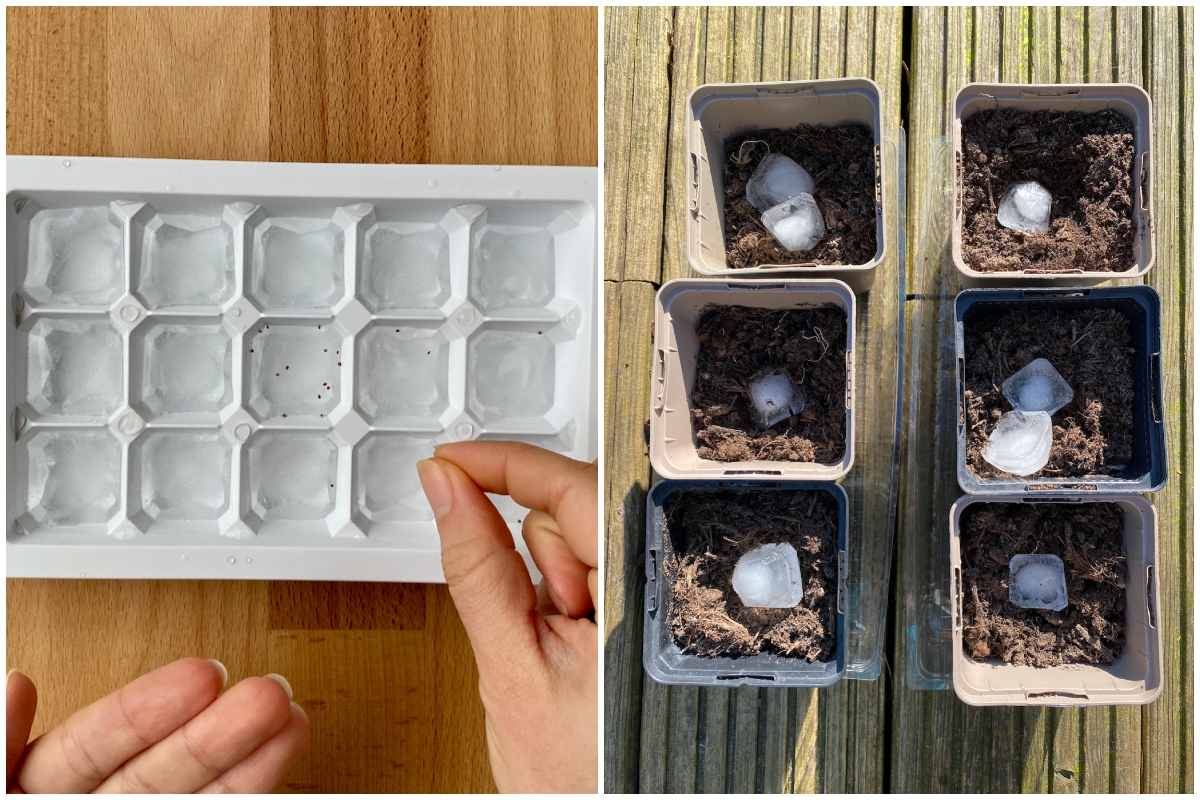
Credit: www.bloomingbackyard.com
Importance Of Cold Stratification
Cold stratification duration is the period seeds need to experience cold to break dormancy. This process tricks seeds into thinking they have gone through winter. It helps them germinate better once planted. The duration varies by plant species and seed type. Understanding the right time for each seed improves success rates.
Typical Timeframes For Different Species
Different seeds need different cold periods. Many perennial flower seeds require 30 to 60 days of cold stratification. Tree seeds like oak or maple often need 60 to 90 days. Some wildflowers may need even longer, up to 120 days. Shorter periods might work for herbs or vegetables that need less cold. Check seed packets or gardening guides for exact times.
Using Refrigerator Method
The refrigerator method is an easy way to cold stratify seeds at home. Place seeds in a damp paper towel or mix with moist sand. Put them in a sealed plastic bag to keep moisture in. Store the bag in the fridge, set between 34 and 41 degrees Fahrenheit. Avoid freezing temperatures as they can damage seeds. Check seeds weekly to ensure moisture is still present.

Credit: ecofriendlyhomestead.com
Frequently Asked Questions
Why Do Some Seeds Need Cold Stratification?
Some seeds need cold stratification to break dormancy and ensure they sprout at the right time. It mimics winter conditions, signaling seeds to grow in spring. Without it, seeds may not germinate, sprout late, or produce weak seedlings that struggle to survive.
What Happens If I Don’t Cold Stratify Seeds?
Seeds that need cold stratification often fail to germinate or sprout very slowly without it. Skipping this step causes weak seedlings and poor growth. Cold stratification breaks seed dormancy by simulating winter, so seeds miss this signal and may not grow properly if untreated.
How Long Do Seeds Need To Be Cold Stratified?
Seeds generally need cold stratification for 2 to 12 weeks, depending on the species. Keep seeds moist and refrigerated during this period to break dormancy and promote germination. Always check specific plant requirements for exact stratification time.
What Plants Need To Be Cold Stratified?
Seeds of many perennials, woody plants like oak and lilac, and some herbs such as parsley and thyme need cold stratification. This process breaks dormancy and softens hard seed coats to ensure successful germination and healthy seedling growth.
What Is Cold Stratification In Seed Planting?
Cold stratification is a process that mimics winter conditions to help seeds break dormancy. It involves exposing seeds to cold, moist environments for a set time. This prepares seeds to germinate when warmer weather arrives.
Conclusion
Cold stratification helps seeds break dormancy naturally. It tricks seeds into thinking winter has passed. Without this process, many seeds may not sprout well. Germination can be slow or weak without cold stratification. This step is essential for many perennials and woody plants.
It prepares seeds to grow strong and healthy. Gardeners who cold stratify seeds see better growth results. Try cold stratification to give your seeds the best start. Understanding this process makes gardening easier and more successful.