
Ever stared at your indoor plants and wondered if you’re using the right grow light color? You’re not alone. The color of light you choose isn’t just about looks—it plays a huge role in how your plants grow, how healthy they stay, and even how well they flower.
From starting tiny seedlings to caring for full-grown plants, knowing what each light color actually does can make all the difference. Stick with me, and I’ll walk you through which grow light colors help build strong stems, lush green leaves, and beautiful blooms—so your indoor garden doesn’t just survive, it truly thrives.
Different Light Colors For Plant Growth
Plants use light to grow through a process called photosynthesis. Different colors of light affect plants in unique ways. Choosing the right color can help your indoor plants thrive. Understanding these colors helps you pick the best grow light.
Plants mainly absorb blue and red light. Other colors like green and ultraviolet also play roles but are less critical. Each color supports specific growth stages and plant functions.
Blue Light Effects
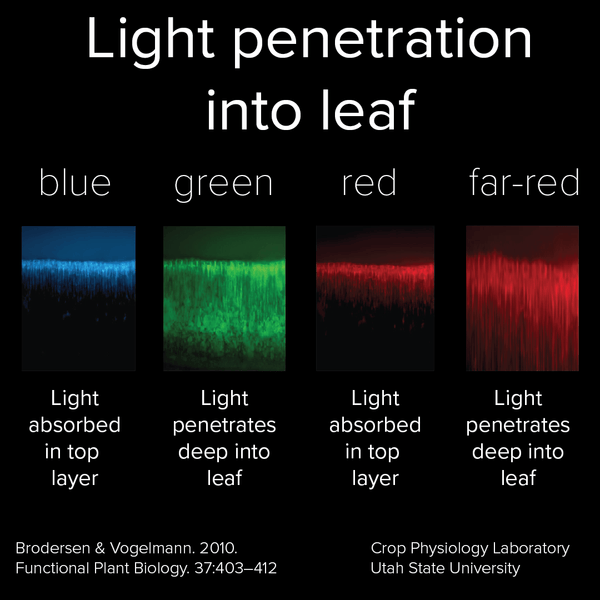
Blue light helps plants grow strong leaves and stems. It is essential during the seedling and vegetative stages. Blue light keeps plants compact and prevents them from growing too tall or leggy. It also supports chlorophyll production, which is vital for photosynthesis.
Red Light Effects
Red light is important for flowering and fruiting. It helps plants produce flowers and fruits faster. Red light also encourages stem elongation, which helps plants grow taller. It works well combined with blue light to support overall growth and development.
Role Of Green Light
Green light is mostly reflected by plants, which is why they look green. Plants absorb some green light in lower leaves. It helps regulate growth cycles and can improve plant health. Green light also helps light reach deeper parts of the plant.
Impact Of Uv Light
UV light can be harmful in large amounts. Small doses of UV light can boost plant defenses. It may improve leaf color and flavor in some plants. UV light helps plants produce protective chemicals against pests and diseases.
Credit: migrolight.com
Popular Grow Light Types You Should Know
Choosing the right grow light color helps plants grow strong indoors. Different light types suit various plant needs. Some lights mimic natural sunlight. Others focus on specific colors that plants use most. Understanding popular grow light types helps you pick the best option.
Full-spectrum White Leds
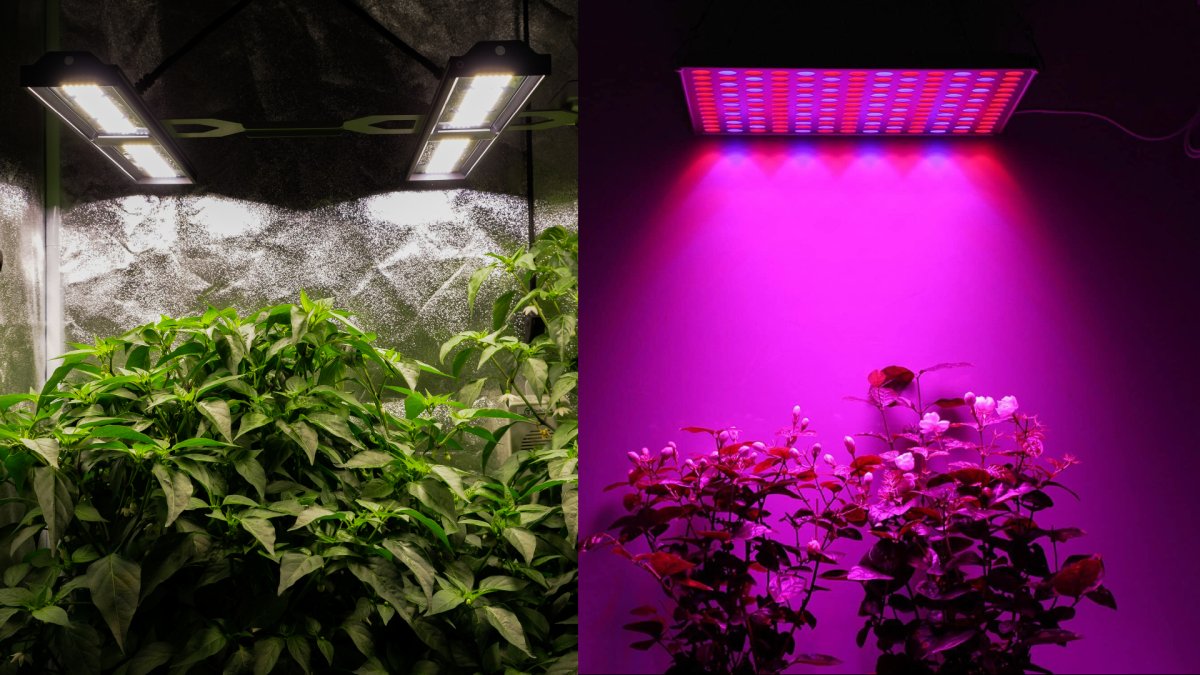
Full-spectrum white LEDs provide light similar to natural sunlight. They include all visible wavelengths plants need. These lights support all growth stages, from seedlings to flowering. White LEDs help plants develop healthy leaves and stems. They also improve photosynthesis efficiency. This type is great for balanced plant growth indoors.
Red And Blue Led Mix
Red and blue LED lights often appear purple to the eye. Red light boosts flowering and fruiting in plants. Blue light encourages strong roots and leaf growth. Together, they enhance photosynthesis and energy use. This mix suits plants at different growth phases. It is popular for maximizing plant growth speed and size.
Adjustable Spectrum Lights
Adjustable spectrum lights let you change the light color balance. You can increase red light during flowering. Or add more blue light during early growth. This flexibility helps meet plants’ changing needs. These lights suit growers who want control over growth stages. They offer a tailored light environment for indoor plants.
How to Choose Lights By Growth Stage
Choosing the right grow light color depends on the plant’s growth stage. Different colors affect plants in unique ways. Using the correct light helps plants grow strong and healthy. Each stage needs specific light for best results. Understanding these needs improves your indoor gardening success.
Seedling And Vegetative Stage
Blue light is key during the seedling and vegetative stages. It promotes strong roots and healthy leaves. Blue light keeps plants compact and prevents them from stretching too tall. It encourages thick stems and vibrant green foliage. Many growers use blue LED lights or full-spectrum white lights here.
Flowering And Fruiting Stage
Red light plays a major role in flowering and fruiting. It supports bud formation and helps flowers bloom fully. Red light also aids in fruit development and ripening. Using red or a mix of red and blue lights boosts photosynthesis efficiency. This stage benefits from higher red light ratios for best results.
Balanced Growth Solutions
Full-spectrum grow lights offer a balanced mix of red, blue, and white light. They mimic natural sunlight and support all growth stages. Adjustable spectrum lights let you change the color balance as plants grow. This flexibility helps maintain healthy plants from seedling to harvest. Balanced solutions suit gardeners who want simple, effective lighting.
Benefits And Drawbacks of Grow Light
Choosing the right grow light color for indoor plants affects their growth and health. Each type of light has benefits and drawbacks. Understanding these helps you select the best option for your plants. Here, we explore the pros and cons of popular grow light colors.
Advantages Of Full-spectrum Lights
Full-spectrum lights mimic natural sunlight by covering all light wavelengths. This helps plants grow strong and healthy at every stage. They support photosynthesis, flowering, and fruiting effectively. These lights reduce the need for multiple light sources. Plants respond well to balanced light, showing better leaf color and size. Full-spectrum lights also work well for various plant species. Their broad range makes them a flexible choice for many gardeners.
Limitations Of Blurple Lights
Blurple lights combine red and blue LEDs, targeting photosynthesis efficiently. They promote fast growth and flowering but lack green and other wavelengths. This narrow spectrum can limit some plant functions and overall health. The deep purple light makes it hard to see plant color or detect problems. Some plants may grow leggy or uneven under blurple light. These lights often need to be paired with other sources for best results. They suit growers focused on speed over plant appearance.
Eye Comfort And Monitoring
Light color affects how easy it is to care for plants. Full-spectrum lights provide natural white light, making it simple to check plant health. You can spot pests, yellowing leaves, or mold quickly. Blurple lights strain the eyes and make monitoring difficult. Their purple glow hides subtle changes in plant condition. Eye discomfort may reduce time spent checking plants. Choosing a light that balances plant needs and user comfort improves care quality.
Optimizing Indoor Plant Growth
Indoor plant growth requires more than just picking a color for your grow light. Plants respond to different light qualities at various stages. Adjusting light spectrum, intensity, and matching light to plant types helps plants thrive indoors. Proper light conditions boost photosynthesis and encourage healthy development.
Spectrum Adjustments Over Time
Plants need different light colors as they grow. Blue light helps young plants develop strong leaves and stems. Red light encourages flowering and fruiting in mature plants. Using a mix of red and blue light supports growth throughout the plant’s life. Some growers switch the spectrum to fit each growth phase. This adjustment improves plant health and yield.
Light Intensity And Duration
Light intensity affects how well plants perform photosynthesis. Too much light can stress plants. Too little slows growth. Most indoor plants do well with moderate light intensity. The length of light exposure also matters. Most plants need 12 to 16 hours of light daily. Keeping a consistent schedule helps plants grow steadily and stay healthy.
Matching Light To Plant Types
Different plants have unique light needs. Leafy greens prefer more blue light for lush leaves. Flowering plants benefit from higher red light levels to boost blooms. Succulents and cacti need bright light but less red spectrum. Understanding your plant type helps select the right grow light color. This match improves growth and plant appearance indoors.
Credit: migrolight.com
Frequently Asked Questions
Red and blue lights boost photosynthesis and growth. Full-spectrum white light supports all growth stages effectively.
Red and blue light together promote the best plant growth by supporting photosynthesis and development. Full-spectrum white light also works well for all growth stages.
Use full-spectrum white LED lights for balanced growth at all stages. Red and blue LEDs boost photosynthesis, supporting flowering and leaf development effectively.
Yes, grow light color affects plant growth. Blue light supports leafy growth, red aids flowering, and full-spectrum white suits all stages.
Conclusion
Choosing the right grow light color helps your plants grow healthy and strong. Blue light supports leaves and stems. Red light helps flowers and fruits develop well. A mix of red, blue, and white works best for all growth stages.
Full-spectrum white lights mimic natural sunlight and keep plants balanced. Adjusting light color can improve growth as plants change. Using the right light color saves energy and makes plants thrive. Keep your plants happy with the best color grow light for their needs.