
There is a specific feeling that comes when the harsh gray of winter finally begins to recede. You step outside, and the air feels different—crisper, perhaps, but holding the promise of warmth. For you, the gardener, this is not just a change in weather; it is the signaling of the most important time of the year. The upcoming spring season is your blank canvas. It is the moment when you can put your hands back into the soil, reconnect with nature, and start the cycle of growth that will feed you and your family for months to come. Cultivating vegetables in the spring is about more than just food; it is about hope, patience, and the incredible reward of biting into a radish or a snap pea that you coaxed from a tiny seed into a thriving plant.
We will explore the best vegetables you can grow in the upcoming spring season in your garden, from the reliable crunch of radishes to the sweetness of frost-kissed spinach. We will also look at how you can prepare your soil so it is rich and welcoming for tender roots.
best vegetables to grow in Upcoming Spring Season in Your Garden

1. Spinach (Spinacia oleracea)
Spinach is the true king of cool-season greens and a great choice to grow in your garden. It’s very cold-hardy and will keep producing when many other plants wouldn’t survive, so it’s perfect for early spring planting.
If you want dependable options, try varieties like ‘Bloomsdale Long Standing’ — a classic with crinkly dark-green leaves that tolerates cold and resists bolting; ‘Space’ — a smooth-leaf type that grows quickly and resists mildew; and ‘Tyee’ — noted for its strong resistance to bolting, which is useful if spring temperatures climb fast.
To grow spinach, sow the seeds directly into your garden as soon as the soil thaws, which can be as early as late February or March depending on where you live. Plant seeds about half an inch deep and give the patch rich, nitrogen-friendly soil — amending with compost or a little blood meal helps the plants produce big, tender leaves.
Watch out for bolting: when days lengthen past about 13 hours and temperatures warm, spinach will stop making leaves and send up a flower stalk, which makes the leaves bitter. To avoid this, plant as early as you can and, if you’re in a warmer area, pick a spot with some afternoon shade so the plants stay cooler as spring moves into summer.
2. Lettuce (Lactuca sativa)
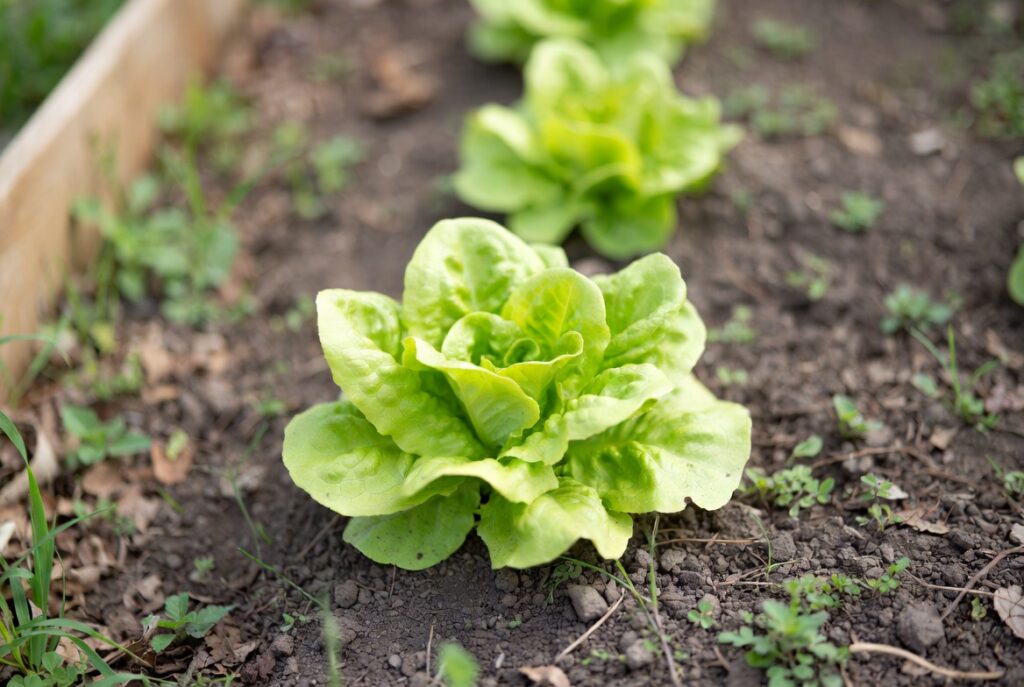
Lettuce is one of those vegetables that adds beauty as well as harvest value to a garden. With its wide range of shapes, textures, and colors, lettuce can easily make your vegetable patch look more like a flower bed. It’s simple to grow, doesn’t need much space, and rewards you with fresh leaves you can harvest again and again, making it a great choice for any home garden.
If you’re planning to grow lettuce, there are a few varieties that perform especially well. Buttercrunch is a bibb-type lettuce that forms a loose head with soft, buttery leaves. It’s a reliable option for gardeners because it tolerates heat better than many other lettuce types.
Another excellent choice is Black Seeded Simpson, a loose-leaf variety with bright green leaves. It grows fast and is often ready to harvest in about 45 days, which makes it perfect if you want quick results from your garden.
For a splash of color, consider Red Sails. This variety produces beautiful red-tinged leaves and is slow to turn bitter, allowing you to enjoy fresh, flavorful harvests over a longer period. Adding these lettuce varieties to your garden will give you both visual appeal and fresh, homegrown greens.
How to Grow:
Lettuce seeds need light to germinate. This is a crucial detail. Do not bury them deep. Sprinkle them on the surface of the soil and barely press them in or cover them with a tiny dusting of soil. Keep them moist.
You can harvest lettuce in two ways. You can let it form a full head, or you can use the “cut-and-come-again” method. This is perfect for home gardeners. You simply use scissors to cut the outer leaves when they are big enough to eat, leaving the center of the plant to keep growing. You can get salad greens for weeks from a single planting this way.
3. Kale and Swiss Chard
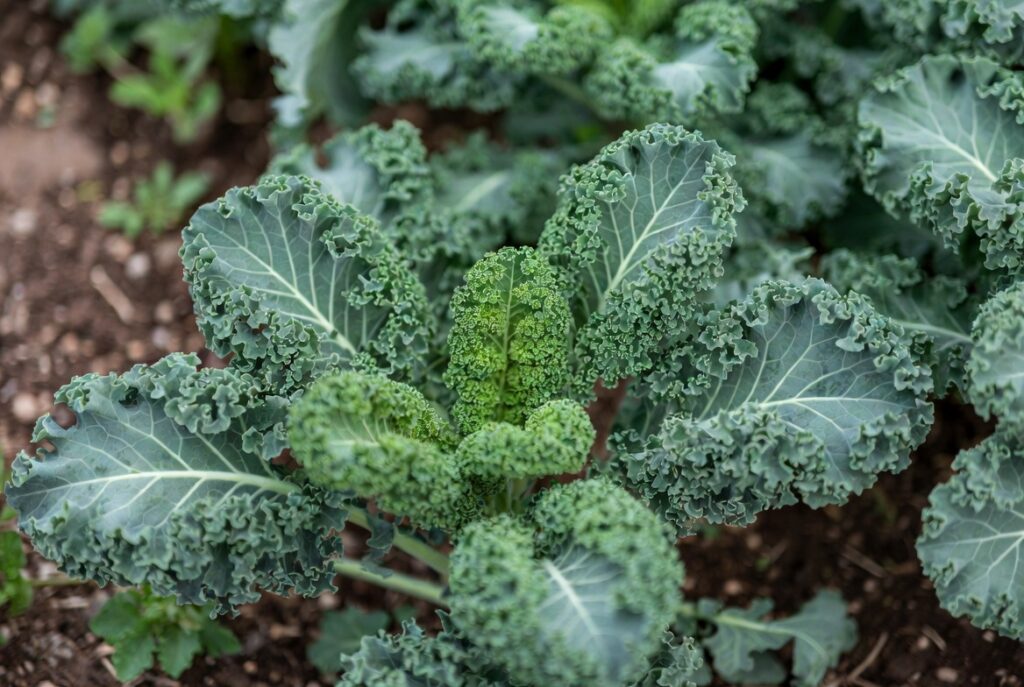
Kale, Lacinato (Dinosaur Kale) is an excellent choice. Its dark blue-green, bumpy leaves not only look beautiful in the garden but also become noticeably sweeter after a light frost. This makes it ideal for fall and winter gardening, when flavors really deepen.
If you want something both colorful and tasty, try ‘Bright Lights’ Swiss Chard. Its vibrant stems in neon pink, yellow, orange, and red add a stunning visual pop to your garden while providing tender, delicious leaves. It’s a great option if you want a crop that’s as decorative as it is productive.
How to Grow:
You can direct sow these or transplant seedlings. They are tough plants. Swiss Chard is actually related to beets, but it is grown for its leaves. It tolerates both cool spring weather and the heat of coming summer better than almost any other green.
4. Radishes (Raphanus sativus)
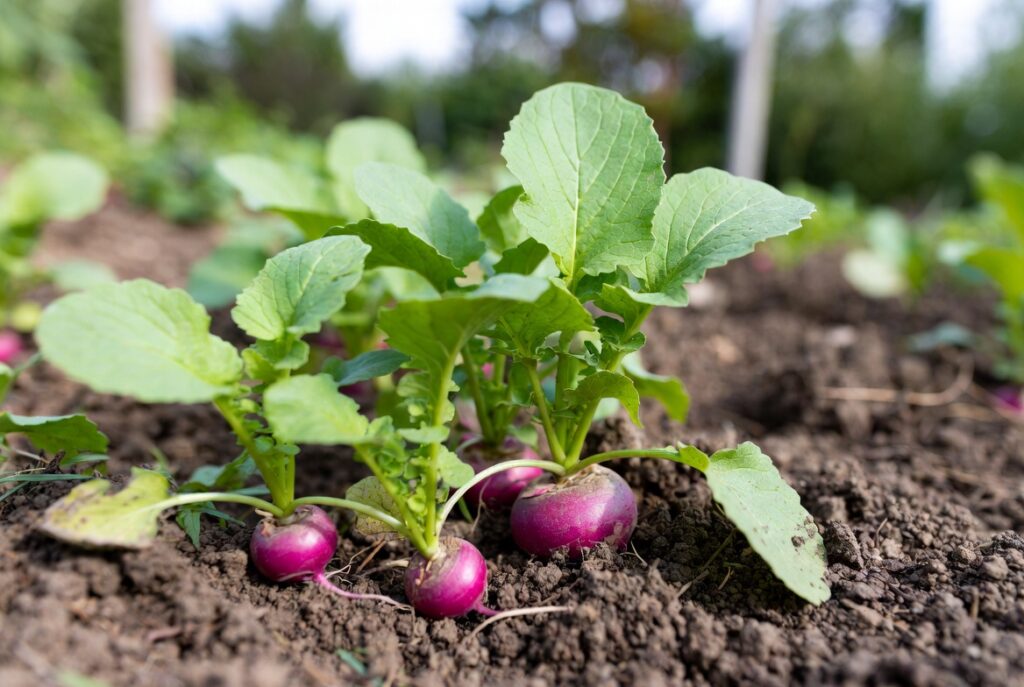
If you’re planning your garden for the upcoming spring and want something quick and rewarding, I’d strongly suggest growing radishes. They’re perfect if you’re gardening with kids or if you simply don’t like waiting too long to see results. Radishes are one of the fastest-growing vegetables you can plant, and watching them pop up so quickly makes gardening feel exciting and motivating.
When it comes to choosing varieties, there are a few great options worth trying. Cherry Belle is a classic choice with its round, bright red roots, and it’s usually ready to harvest in as little as 22 days. If you prefer something a bit different in shape and taste, French Breakfast radishes are elongated with a white tip and offer a mild, slightly peppery flavor that’s great for salads. For a more colorful and fun harvest, Easter Egg radishes are a fantastic option, giving you a beautiful mix of purple, pink, red, and white radishes all growing together in the same row..
How to Grow:
Sow radish seeds directly in the ground. They do not transplant well. Plant them about half an inch deep. The most critical step with radishes is “thinning.” When the seedlings come up, they will likely be too close together. You must pull out the extra ones so that the remaining plants are about two to three inches apart. If you don’t do this, you will get lots of leaves but no radish bulbs.
Harvest them as soon as they are round and firm. If you leave them in the ground too long, they get woody and spicy.
5. Carrots (Daucus carota)
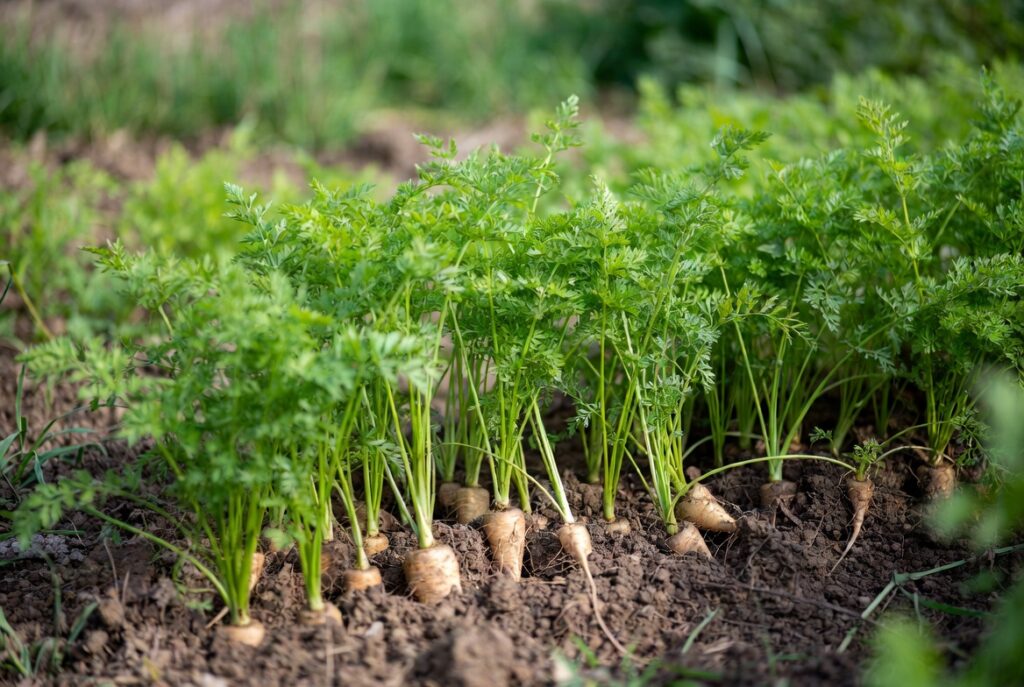
Homegrown carrots are noticeably sweeter and fresher than store-bought ones, and pulling them straight from the soil feels satisfying in a way no supermarket purchase ever can. They’re easy to grow, don’t need much space, and are perfect for both backyard beds and containers.
When choosing carrot varieties for your garden, it’s a good idea to match them with your soil and space. ‘Napoli’ is a fantastic option if you’re planting in early spring. It grows into a sweet, crisp carrot that’s great for fresh eating and cooking. If your soil is heavy or rocky, or if you’re growing carrots in pots, ‘Thumbelina’ is an excellent choice. These small, round carrots grow well where long roots might struggle. For something a bit different and eye-catching, try ‘Purple Haze.’ Its deep purple color makes meals more fun and adds a unique look to your harvest, while still offering great flavor.
How to Grow: Carrots can be tricky. They need loose, fluffy soil deep down. If the root hits a rock or a hard clump of clay, it will fork and grow crooked.
Carrot seeds are tiny and slow to sprout. They can take up to three weeks to appear! During this time, the soil surface must stay moist. If a hard crust forms on the soil, the delicate seedlings cannot break through. A pro tip is to plant radishes in the same row as your carrots. The radishes sprout quickly, breaking the soil crust for the carrots. By the time the carrots need room, you are harvesting the radishes.
Do not use too much nitrogen fertilizer with carrots, or you will get hairy roots.
6. Beets (Beta vulgaris)
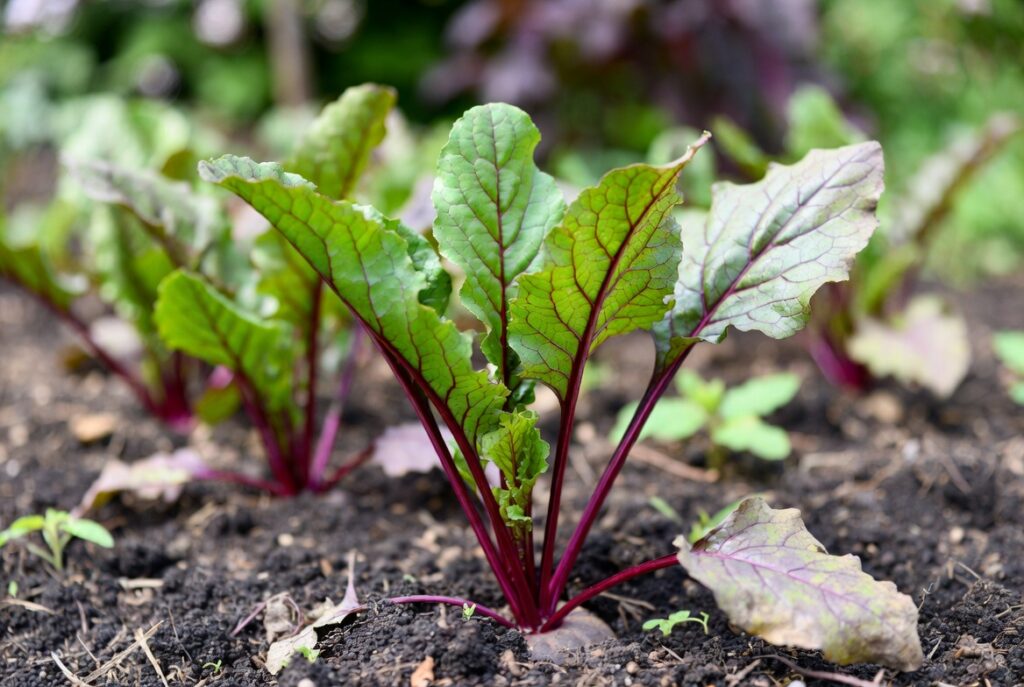
Beets are a fantastic choice for your garden because they reward you with two harvests from a single plant. You can enjoy the sweet, earthy red roots underground while also picking the tender, nutrient-rich greens above the soil. This makes beets especially valuable if you want to grow crops that give more food in less space, and they fit beautifully into both beginner and experienced gardens.
When choosing beet varieties to grow, there are a few excellent options worth considering. ‘Detroit Dark Red’ is a classic favorite and a reliable garden performer, known for its deep red color and rich, sweet flavor. If you want something a bit more eye-catching, ‘Chioggia’ is an Italian heirloom that reveals stunning red-and-white candy-stripe patterns when sliced, making it perfect for fresh salads and roasting. For gardeners who prefer a milder taste, golden beets are a great option; their yellow roots have a gentler, less earthy flavor and won’t stain your hands or cutting board, making them very kitchen-friendly.
How to Grow:
Beet “seeds” are actually dried fruit clusters that contain multiple seeds. This means even if you space them out, you might get three or four plants in one spot. You must thin them! You can eat the tiny plants you pull out as baby greens in a salad. Beets grow best in cool weather but can tolerate a bit more heat than spinach.
7. Peas
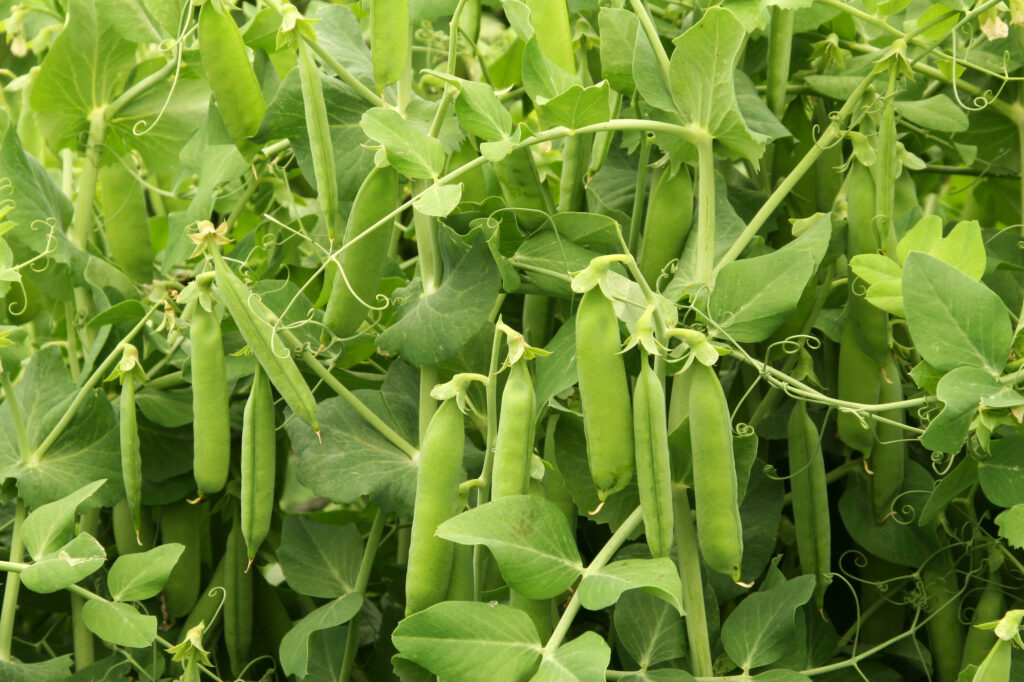
Peas are one of those crops that truly make a garden feel alive in spring. Growing peas in your own garden is rewarding because they’re easy to care for and incredibly satisfying to harvest. There’s nothing quite like picking a snap pea straight from the vine and eating it while it’s still warm from the sun. Fresh garden peas are sweeter, crunchier, and far more flavorful than anything you’ll find at the store, which makes them a great choice for home gardeners.
When planning your pea patch, it’s worth trying a few different varieties to enjoy peas in different ways. Sugar Snap peas are perfect if you like snacking in the garden, as you eat the whole pod—peas and all—and they’re known for their sweet, crunchy texture. Snow peas, with their flat pods, are excellent for quick cooking and work especially well in stir-fries. If you prefer classic peas for curries or side dishes, shelling peas are ideal since you remove the peas from the pod; Little Marvel is a popular bush variety that grows well in small gardens.
How to Grow:
Peas love the cold. You can plant them as soon as the soil can be worked. There is an old tradition of planting peas on St. Patrick’s Day (March 17th) in many areas.
Peas are legumes, which means they can take nitrogen from the air and put it into the soil. To help them do this, you can coat the seeds in a black powder called an “inoculant” before planting. This helps them grow stronger roots.
Most peas need something to climb. Even “bush” varieties do better if you give them a small fence or some twigs to hold onto. This keeps the pods off the mud and makes them easier to pick.
8. Broccoli and Cauliflower
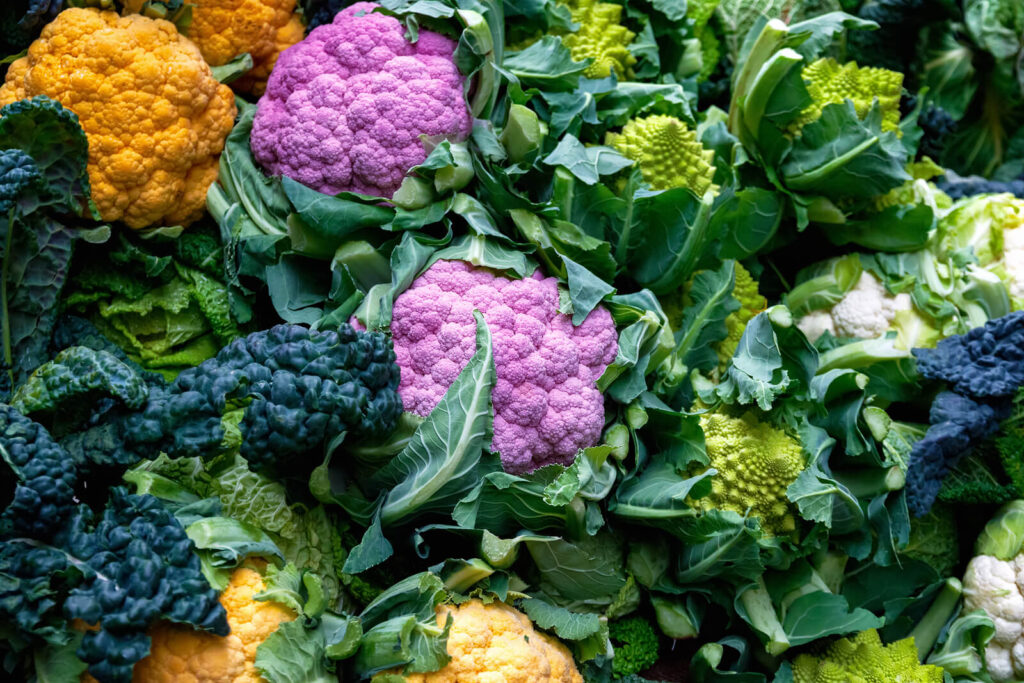
These are some of the true heavy feeders in the garden, and if you enjoy growing vegetables that look impressive and reward you with generous harvests, these are worth planting. They grow large, develop fast, and need nutrient-rich soil to perform their best. Adding compost or well-rotted manure before planting will really help them thrive.
For broccoli lovers, ‘Purple Magic’ Broccoli is an exciting variety to grow in your garden. This newer variety stands out with its striking purple heads and stems, making your garden look vibrant while also providing a boost of antioxidants. It’s especially useful if you’re gardening into late spring, as it handles warmer temperatures better than many traditional broccoli types.
If cauliflower is on your planting list, ‘Snow Crown’ Cauliflower is a dependable choice for home gardeners. It forms clean, white heads relatively quickly, which means less waiting and more harvesting. With consistent watering and good soil nutrition, this variety performs reliably and is great for gardeners who want steady results..
How to Grow: Because broccoli and cauliflower take a long time to mature, it is usually better to buy transplants (seedlings) from a nursery or start them indoors 6-8 weeks before you plan to put them out. If you plant seeds directly in the garden in spring, the weather might get too hot before they form heads.
Give them space! A healthy broccoli plant can get huge—two feet wide or more. If you crowd them, the heads will be small. They also need rich soil, so mix plenty of compost into their bed.
You have the knowledge now. You know about the soil temperature, the varieties, and the pests. The only thing left to do is to get your seeds, grab your trowel, and step outside. Your garden is waiting for you.
Planting Guide to Grow Vegetables in Spring
| Vegetable | Planting Method | Depth | Spacing | Days to Harvest |
|---|---|---|---|---|
| Radish | Direct Sow | 1/2 inch | 2-3 inches | 22-30 days |
| Spinach | Direct Sow | 1/2 inch | 3-4 inches | 30-45 days |
| Lettuce | Surface Sow | 1/8 inch | 6-8 inches | 45-60 days |
| Peas | Direct Sow | 1 inch | 2 inches | 60-70 days |
| Carrots | Direct Sow | 1/4 inch | 2-3 inches | 70-80 days |
| Beets | Direct Sow | 1/2 inch | 3-4 inches | 50-60 days |
| Kale | Sow or Transplant | 1/4 inch | 12 inches | 50-60 days |
| Broccoli | Transplant | 1/4 inch | 18 inches | 60-90 days |
(Source: Data Aggregated by HomeGardenFreak)
Container Sizes for Spring Vegetables
| Crop | Min. Pot Size (Gallons) | Soil Depth Needed | Best Varieties for Pots |
|---|---|---|---|
| Lettuce | 1 Gallon | 6 inches | Black Seeded Simpson, Salad Bowl |
| Radish | 1 Gallon | 6 inches | Cherry Belle, French Breakfast |
| Spinach | 2 Gallons | 8 inches | Bloomsdale, Space |
| Carrots | 5 Gallons | 12 inches | Thumbelina, Parisian (Round types) |
| Peas | 3 Gallons | 10 inches | Little Marvel, Tom Thumb |
| Broccoli | 5 Gallons | 12-18 inches | Purple Magic |
(Source: Data Aggregated by HomeGardenFreak)
Conclusion
The vegetable garden in spring is a place of daily change. One day you see bare soil; the next, a row of bright green radish tops. A week later, you are thinning carrots and smelling the earth on your hands. Cultivating vegetables in the upcoming spring season is one of the most rewarding things you can do. It connects you to the seasons, provides healthy food for your table, and offers a quiet, meditative space in a busy world.
Remember the key takeaways:
- Don’t rush the soil. Wait for the squeeze test to pass.
- Plant the right crops. Stick to cool-weather lovers like spinach, peas, and radishes first.
- Feed your soil. Compost is your best friend.
- Watch the weather. Be ready to cover your plants if a hard freeze threatens.
Frequently Asked Questions (FAQs)
This is a common point of confusion! Tomatoes are warm-season crops. If you plant them outside in early spring when the soil is cold, they will not grow and might die from frost. However, you start the seeds indoors in the spring (usually 6-8 weeks before your last frost date) so they are ready to go outside when summer arrives.
“Leggy” seedlings usually mean they are not getting enough light. They are stretching to find the sun. If you are growing indoors, move your grow lights closer—about 2-3 inches above the plants. If growing outdoors, make sure they are in a sunnier spot. You can sometimes save leggy tomato seedlings by burying the stem deeper when you transplant them, but other veggies might not recover.