
Spring is the perfect time to breathe new life into your garden and set the stage for a thriving growing season. If you want your plants to flourish and your outdoor space to burst with color and vitality, starting early with the right garden tasks is key.
In this post, you’ll discover simple, effective steps you can take now to prepare your soil, choose the best plants, and protect your garden from common challenges. Whether you’re growing vegetables, flowers, or native plants, these spring garden tasks will help you get ahead and enjoy a bountiful, beautiful garden all season long.
Ready to transform your garden? Let’s dive in!
Garden Cleanup
Spring signals the perfect time to refresh your garden. Garden cleanup clears the way for healthy growth. It helps prevent pests and diseases. Cleaning up also makes your garden look neat and inviting. Start your season with these simple but vital tasks.
Remove Debris
Clear fallen leaves, sticks, and other debris from your garden. These can hide pests and cause mold or rot. Removing debris improves air circulation around plants. Use a rake or your hands to gather waste. Dispose of it properly to keep your garden healthy.
Clear Dead Plants
Dead plants take up space and nutrients. Pull out old stems, roots, and leaves carefully. This stops disease from spreading to new plants. Compost healthy plant material if possible. Removing dead plants gives room for fresh growth and new seeds.
Tidy Up Garden Beds
Clean edges and remove weeds from garden beds. Loosen the soil with a fork or hand tool. This allows roots to breathe and absorb water better. Adding fresh mulch helps retain moisture and reduce weeds. A tidy bed makes planting easier and looks beautiful.
Soil Preparation
Preparing your soil is a key step in starting a successful garden. Healthy soil supports strong plant growth and better yields. Early spring is the perfect time to get your soil ready for planting. Proper soil preparation improves drainage, nutrient availability, and root development. This section covers simple tasks to prepare your soil for a vibrant growing season.
Test Soil Health
Begin by testing your soil’s health. Simple kits or local extension services can check pH and nutrient levels. Knowing your soil’s condition helps you plan amendments. Testing prevents overuse of fertilizers that can harm plants and the environment. Regular soil checks keep your garden on track every year.
Amend Soil Nutrients
Adding nutrients improves soil fertility and plant growth. Use compost, manure, or organic fertilizers to enrich the soil. Spread amendments evenly across the garden bed. Mix them into the top 6 to 8 inches of soil. Healthy nutrients support strong roots and vibrant blooms throughout the season.
Loosen And Aerate Soil
Soil that is compacted restricts root growth and water flow. Loosen soil by digging or using a garden fork. Aerate the soil to allow air and moisture to reach roots. This helps beneficial microbes thrive and keeps plants healthy. Well-aerated soil creates a better environment for seeds to sprout.
Pruning And Trimming
Pruning and trimming are essential tasks to prepare your garden for a healthy growing season. These actions help plants grow stronger and look their best. Cutting away old, dead, or overgrown parts lets sunlight and air reach the center of plants. This encourages new growth and keeps plants in good shape. Regular pruning also prevents disease and pest problems.
Cut Back Perennials
Cutting back perennials removes old stems and leaves from last year. This clears space for fresh shoots to grow. Use sharp garden shears to make clean cuts near the ground. Removing dead growth helps plants focus energy on new leaves and flowers. It also improves air flow, reducing mold and pests. Start this task early in spring, before new growth appears.
Shape Shrubs And Trees
Shaping shrubs and trees keeps them neat and balanced. Trim branches that grow too long or unevenly. This helps plants keep their natural form and size. Use pruning tools to cut branches just above a bud or side branch. Do not remove more than one-third of the plant at once. Shaping encourages healthy growth and a fuller appearance.
Remove Damaged Branches
Removing damaged branches prevents disease spread and improves plant health. Look for broken, dead, or diseased wood and cut it away. Use clean, sharp tools to avoid harming the plant. Clearing damaged parts helps the plant use resources better. It also stops pests from hiding in weak spots. Check plants regularly and remove damaged branches as soon as you find them.
Planting Early Crops
Planting early crops helps gardeners get a strong start to the growing season. These crops mature quickly and tolerate cooler temperatures. They fill your garden with fresh produce before summer heat arrives. Early planting also spreads out your harvest, keeping your kitchen busy longer.
Preparing and planting early crops requires smart choices. Select the right vegetables and use proper methods for best results. Start seeds indoors to gain a head start. Transplant healthy seedlings outside once conditions improve. These steps build a solid foundation for your spring garden.
Choose Frost-tolerant Vegetables
Select vegetables that survive light frosts and cool soil. Peas, spinach, kale, and radishes are good examples. These plants grow well in early spring. They handle chilly nights better than warm-season crops. Planting frost-tolerant vegetables avoids damage and ensures steady growth.
Start Seeds Indoors
Starting seeds indoors gives plants a strong beginning. Use seed trays or small pots with quality soil. Keep them in a warm, bright spot inside your home. This method extends the growing season by weeks. Healthy seedlings will be ready to move outdoors soon.
Transplant Seedlings
Move seedlings outside after the last frost date. Harden them off by exposing them to outdoor conditions gradually. Start with a few hours a day, increasing time over one week. Transplant seedlings into well-prepared soil with good drainage. This step helps young plants adjust and thrive in the garden.
Managing Sun Exposure
Managing sun exposure is crucial for a successful spring garden. Both gardeners and plants face challenges from strong sunlight. Taking simple steps protects your skin and helps plants thrive. Sunlight affects watering needs and plant growth. Preparing for sun exposure makes gardening safer and more enjoyable.
Avoid Peak Sun Hours
The sun is strongest between 10 a.m. and 4 p.m. Plan gardening tasks early in the morning or late afternoon. This reduces risks of sunburn and heat stress. Plants also benefit from less intense heat during these times. Working outside is easier and safer when you avoid peak sun.
Wear Protective Gear
Protect your skin with a wide-brimmed hat and long sleeves. Use sunscreen with at least SPF 30 to block UV rays. Sunglasses protect your eyes from glare and damage. Wearing gloves helps avoid blisters and keeps hands clean. Proper gear keeps you comfortable and safe in the sun.
Stay Hydrated
Drink plenty of water before, during, and after gardening. Carry a water bottle to sip regularly. Avoid drinks with caffeine or alcohol as they cause dehydration. Staying hydrated helps maintain energy and focus. It prevents heat exhaustion and keeps your body cool.
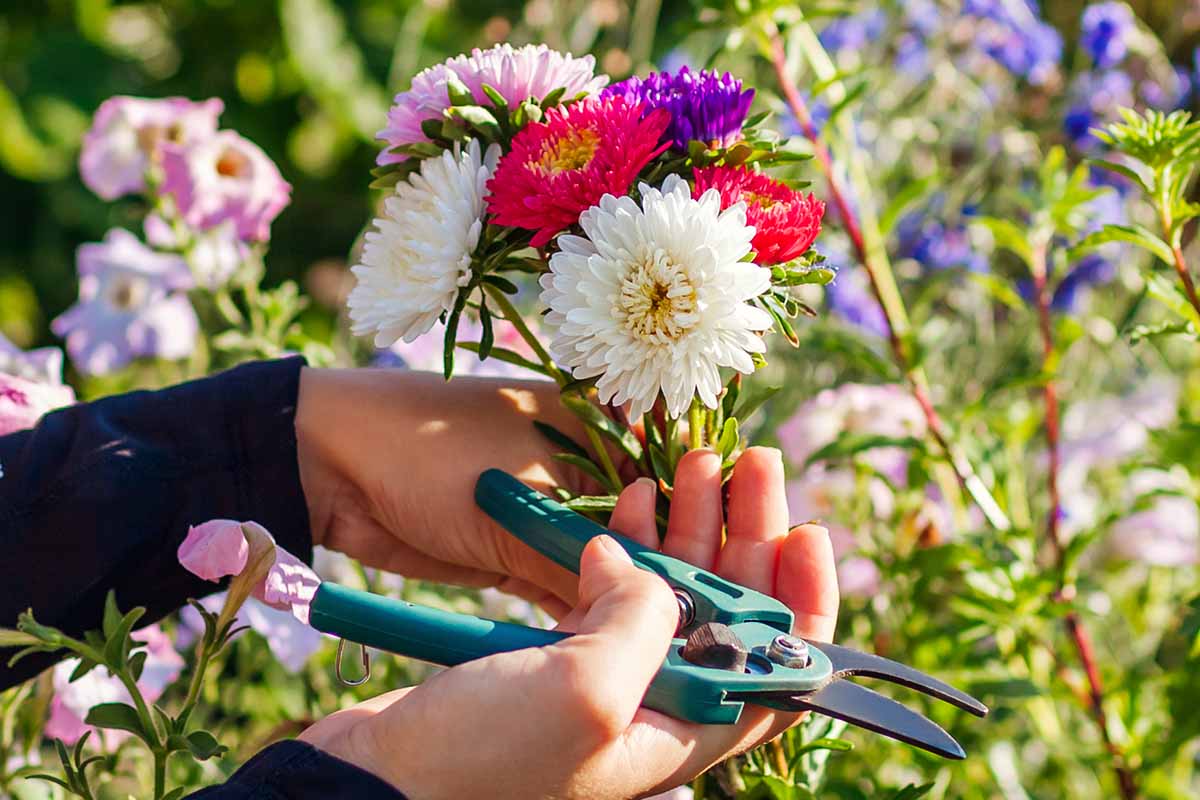
Credit: gardenerspath.com
Perennial Growth Stages
Perennials are plants that return year after year, making them valuable for any garden. Understanding their growth stages helps gardeners support healthy plants. Each stage requires different care to ensure a strong and beautiful garden throughout the season.
Establish Roots
In early spring, perennials focus on growing roots. Strong roots help plants absorb water and nutrients. This stage is crucial for plant survival. Avoid heavy feeding or cutting back too soon. Water the soil gently to encourage deep root growth.
Foliage Expansion
Once roots are set, leaves start to grow rapidly. Plants use leaves to capture sunlight for energy. Keep the soil moist but not waterlogged. Remove any dead or damaged leaves to make room for new growth. Fertilize lightly to support healthy foliage development.
Full Bloom And Maturity
At this stage, perennials produce flowers and reach full size. This is the most visually rewarding phase of growth. Deadhead spent blooms to encourage more flowers. Continue watering and feeding regularly. Watch for pests and diseases to protect your plants’ health.
Crop Rotation Practices
Crop rotation is a simple but powerful practice to improve your garden’s health. By changing the types of plants in each area every season, you keep the soil balanced and strong. This method helps prevent many common problems gardeners face. It also supports better growth and higher yields. Here are key points about crop rotation to start your spring garden right.
Rotate Plant Families
Switch plant families each season to avoid soil exhaustion. Different plants use different nutrients. Moving them around prevents one nutrient from running low. For example, follow legumes with leafy greens. This keeps the soil rich and ready for the next crops.
Prevent Soil Diseases
Crop rotation breaks the cycle of soil diseases and pests. Many harmful organisms target specific plants. Changing plant types stops them from building up. This reduces the need for chemical treatments. Your garden stays healthier with fewer problems.
Improve Soil Fertility
Certain plants help add nutrients back into the soil. Legumes, like beans and peas, fix nitrogen naturally. Plant these after nutrient-heavy crops to replenish the soil. Rotating crops keeps your soil fertile and plants strong. It reduces the need for extra fertilizers and supports sustainable gardening.

Credit: u.osu.edu
Choosing Garden Style
Choosing a garden style sets the tone for your entire growing season. It shapes how your garden looks and what plants will thrive. Picking a style helps you plan better and enjoy your garden more. It also guides your plant choices and garden care.
Native Wildlife Focus
This style invites local birds, bees, and butterflies. Use native plants that grow naturally in your area. They need less water and care. Native plants support wildlife by providing food and shelter. This garden helps nature while looking beautiful.
Structural Planting
Structural planting uses shapes and layers for order. Think strong lines and clear spaces. Use shrubs, grasses, and trees for height and texture. This style creates a neat and modern look. It also makes your garden easy to maintain.
Cottage Garden Elements
Cottage gardens feel cozy and full of life. Mix flowers, herbs, and vegetables in a loose style. Plant in groups with soft edges and curves. Use colors that blend well and attract pollinators. This style brings charm and a friendly feel to your garden.
Plant Selection Tips
Choosing the right plants is key to a thriving spring garden. Plant selection affects growth, bloom time, and garden health. Understanding which plants suit your climate and soil sets a strong foundation. Select plants that match your garden style and maintenance level. Focus on a mix of dependable favorites and fresh additions. This approach ensures a vibrant, colorful garden all season long.
Core Reliable Plants
Start with plants known for their hardiness and ease of care. Perennials like coneflowers, daylilies, and hostas return each year with little effort. These plants create a stable garden backbone. Choose native species adapted to your local climate. Native plants support local wildlife and need less water. Plant them in groups for visual impact and easier maintenance.
Bold Annuals And Bulbs
Brighten your garden with bold annuals and bulbs. Annuals such as marigolds and petunias offer vibrant colors that last all season. Bulbs like tulips and daffodils bloom early and add spring cheer. Plant bulbs in clusters to create eye-catching displays. Mix annuals with perennials to fill gaps and extend bloom time. These plants add variety and drama to your garden.
Experiment With New Varieties
Try new plant varieties to keep your garden fresh and exciting. Explore unusual colors, shapes, or scents. New hybrids often have better disease resistance and longer bloom periods. Test small groups before committing to large plantings. Keep track of what thrives in your soil and climate. This experimentation adds personality and fun to gardening.

Credit: yardutopia.com
Frequently Asked Questions
What Is The 70 30 Rule In Gardening?
The 70 30 rule in gardening means planting 70% reliable, core plants and 30% bold, experimental varieties for balance and interest.
What Can I Start Growing In Spring?
Start growing frost-tolerant vegetables like peas, broccoli, kale, arugula, cabbage, spinach, carrots, radishes, scallions, cilantro, and lettuce in spring. These crops thrive in cooler temperatures before planting heat-loving vegetables like tomatoes or peppers.
What Is The 3-hour Gardening Rule?
The 3-hour gardening rule advises gardening during cooler, low-UV times—morning or late afternoon—to protect plants and gardeners from heat stress.
What Is The 3 Year Rule In Gardening?
The 3 year rule in gardening means avoiding planting the same crop family in the same spot for three years. This prevents pests, diseases, and soil nutrient depletion, promoting healthier plants and better yields.
What Are The Essential Spring Garden Tasks To Start Growing?
Prepare soil by clearing debris and adding compost. Prune dead branches and check garden tools. Plan your planting layout for best results.
Conclusion
Starting your spring garden tasks sets a strong base for healthy plants. Prepare soil, prune carefully, and plant frost-tolerant vegetables early. Regular watering and sunlight help young plants grow well. Watch for pests and remove weeds to protect your garden.
Small efforts now lead to a vibrant garden later. Enjoy the process and learn as you grow. Every step brings you closer to a successful growing season. Keep tending with care and patience throughout spring. Your garden will thank you with beauty and fresh harvests.