
Are you looking to turn your garden into a money-making opportunity? Growing profitable vegetable crops right in your backyard is easier than you think.
Imagine harvesting fresh, delicious vegetables that not only fill your kitchen but also boost your income. Whether you’re a beginner or have some gardening experience, choosing the right crops can make all the difference. You’ll discover which vegetables bring the best returns and how to grow them successfully.
Ready to make your garden work for you? Keep reading to unlock the secrets of the most profitable vegetable crops to grow in your garden!
Credit: rimol.com
Top Profitable Vegetables
Choosing the right vegetables can boost your garden’s profit. Some crops grow fast and sell well. Others need less care but bring good returns. This section lists top profitable vegetables that suit many gardens. These crops thrive in different climates and attract buyers with their taste and quality.
Tomatoes
Tomatoes are a top money-maker in many gardens. They grow well in pots or soil. Heirloom and organic varieties sell at higher prices. Fresh tomatoes have strong demand all year. They mature quickly, giving multiple harvests. Growing tomatoes can fill your market stand fast.
Garlic
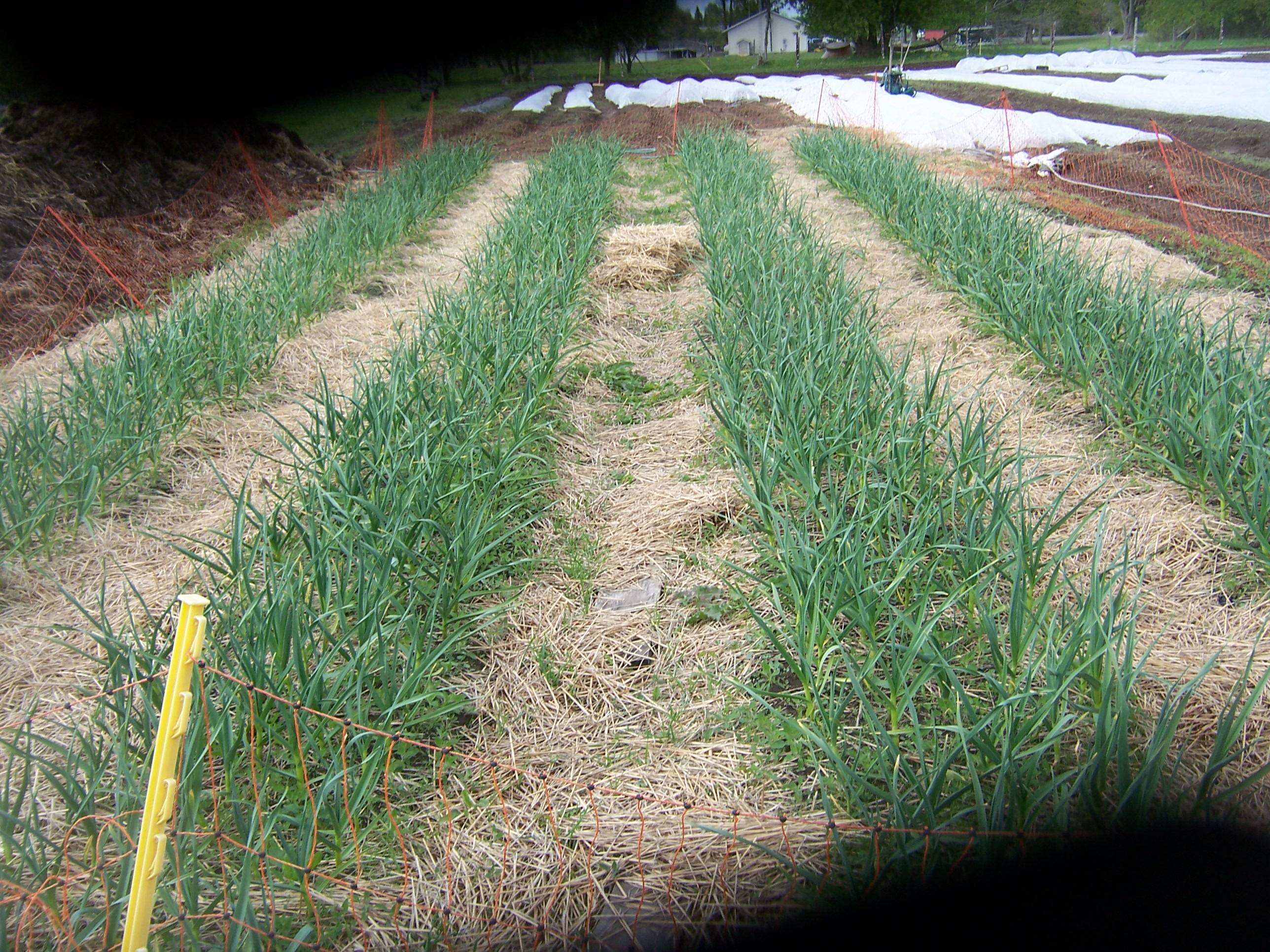
Garlic costs little to grow but sells for more. It stores well and lasts months after harvest. Garlic needs minimal water and care. Many buyers prefer fresh, local garlic over store brands. Plant garlic in fall and harvest in summer. This crop fits small spaces and brings steady income.
Peppers
Peppers come in many types and colors. Hot and sweet peppers both have good market value. They grow well in warm weather and pots. Peppers add variety to your garden and plate. Selling fresh peppers attracts chefs and home cooks. Their bright colors make your garden more inviting.
Beans
Beans grow quickly and improve soil health. They need little fertilizer and produce many pods. Fresh beans have high demand at farmers markets. Snap beans and green beans sell well locally. Beans can be harvested multiple times in a season. They are easy to grow and harvest.
Cabbage
Cabbage grows well in cooler seasons. It stores well and keeps fresh for weeks. Many dishes use cabbage, boosting its market demand. This vegetable needs space but gives large heads. Cabbage is good for beginners and small farms. Its long shelf life reduces waste and loss.
Credit: grocycle.com
Factors Affecting Profitability
Profitability in growing vegetable crops depends on many factors. Understanding these helps gardeners choose the best crops for income. Some crops may grow well but sell poorly. Others might sell well but need more space or care. Below are key factors that affect how much profit your garden can make.
Market Demand
Market demand means how many people want to buy a vegetable. Crops with high demand sell faster and at better prices. Growing popular vegetables like tomatoes or lettuce can bring steady income. Niche crops may have fewer buyers but higher prices. Study local markets to know what sells best.
Growing Season
The growing season is the time a crop takes to mature. Short-season crops allow multiple harvests per year. This increases total yield and profit. Long-season crops may produce more per harvest but take longer. Choose crops that fit your climate and season length for best results.
Space Efficiency
Space efficiency means how much crop grows in a small area. Some vegetables like spinach and radishes need little space. Others like pumpkins require much more room. High-yield crops per square foot maximize garden space. This helps increase overall profit from limited land.
Shelf Life
Shelf life is how long a vegetable stays fresh after harvest. Longer shelf life reduces waste and loss. Vegetables like carrots and potatoes store well and sell over time. Short shelf life crops like leafy greens need quick selling. Pick crops with shelf life that matches your sales plan.
Growing Tips For High-profit Crops
Growing high-profit vegetable crops requires careful attention to several key factors. Proper techniques help maximize yield and quality. Healthy plants attract better prices at markets. Small changes in your approach can boost your garden’s profitability significantly.
Soil Preparation
Start with rich, well-drained soil. Remove weeds and debris before planting. Add compost or organic matter to improve soil fertility. Test soil pH and adjust if needed. Most vegetables grow best in soil with pH 6.0 to 7.0. Loosen soil to allow roots to spread easily. Good soil ensures strong plant growth and higher yields.
Watering And Fertilization
Water plants regularly but avoid overwatering. Even moisture helps roots absorb nutrients. Use drip irrigation or soaker hoses to save water. Apply balanced fertilizer based on crop needs. Nitrogen helps leafy growth, phosphorus supports roots, potassium boosts fruiting. Follow package instructions to prevent fertilizer burn. Proper watering and feeding keep plants healthy and productive.
Pest And Disease Control
Inspect plants often for signs of pests or disease. Use organic methods like neem oil or insecticidal soap to control bugs. Remove infected leaves or plants quickly to stop spread. Rotate crops yearly to reduce soil-borne diseases. Encourage beneficial insects such as ladybugs and bees. Clean tools and avoid overhead watering to minimize problems. Healthy plants resist pests and produce more.
Harvesting Techniques
Pick vegetables at peak ripeness for best flavor and price. Use sharp tools to avoid damaging plants. Harvest frequently to encourage continuous production. Store crops properly to extend freshness and market value. Label and sort produce for easy sale. Proper harvesting preserves quality and increases profit from every plant.
Maximizing Garden Income
Maximizing garden income requires smart planning and smart choices. You can increase profits by growing crops all year long. Mixing different vegetables also helps. Selling directly to customers raises your earnings. Creating value-added products gives you extra income streams. Let’s explore these key strategies to boost your garden’s profitability.
Year-round Production
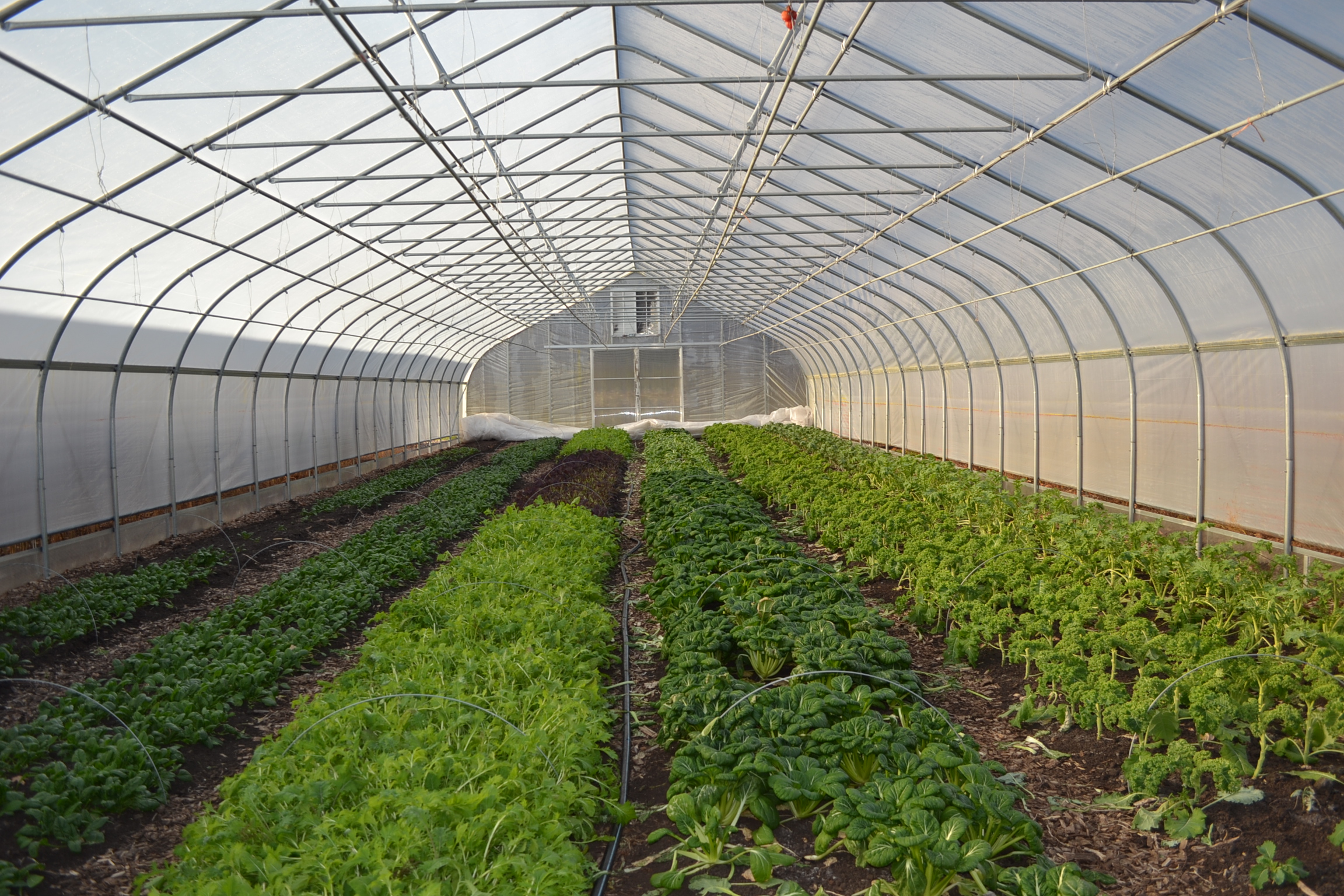
Growing vegetables year-round keeps money flowing every season. Use cold frames and greenhouses to extend growing times. Plant early and late crops to fill gaps in your garden. Rotate crops to keep soil healthy and productive. Continuous harvests mean more sales and less downtime.
Crop Diversity
Variety in your garden attracts more buyers. Grow a mix of popular and niche vegetables to meet demand. Different crops reduce risks from pests and weather. Include fast-growing plants and longer-term crops together. Crop diversity balances your income and improves garden health.
Direct Sales Strategies
Sell your vegetables directly to customers for higher profits. Farmers markets, roadside stands, and community-supported agriculture work well. Build trust with buyers through quality and freshness. Use social media to announce harvests and special deals. Personal contact boosts repeat sales and word-of-mouth referrals.
Value-added Products
Turning vegetables into value-added products increases your earnings. Make items like sauces, pickles, or dried herbs. These products last longer and sell at higher prices. Packaging and branding add appeal and trust. Value-added goods help you stand out in the market.
Specialty And Niche Crops
Specialty and niche vegetable crops offer unique opportunities for gardeners. These crops stand out due to their distinct flavors, appearances, or growing methods. They often command higher prices at markets or stores. Growing such vegetables can turn your garden into a profitable venture. Niche crops attract customers looking for something different from common vegetables.
Heirloom Varieties
Heirloom vegetables have a rich history and unique tastes. They come from seeds passed down for generations. These varieties often have vibrant colors and interesting shapes. Many gardeners prefer heirlooms for their natural flavors. They sell well at farmers’ markets due to their story and uniqueness. Growing heirlooms can add value to your garden harvest.
Organic Vegetables
Organic vegetables are grown without synthetic chemicals. They appeal to health-conscious buyers. Organic produce often sells at premium prices. Maintaining organic standards requires careful pest and soil management. Your garden can benefit from organic methods with better soil health. Offering organic vegetables can attract loyal customers in your area.
Miniature And Specialty Peppers
Miniature and specialty peppers come in many colors and flavors. They add spice and beauty to dishes. These peppers are popular among chefs and home cooks. Their small size makes them easy to grow in limited spaces. Specialty peppers can fetch good prices due to their exotic appeal. Growing a variety of peppers diversifies your garden’s offerings.
Exotic Greens
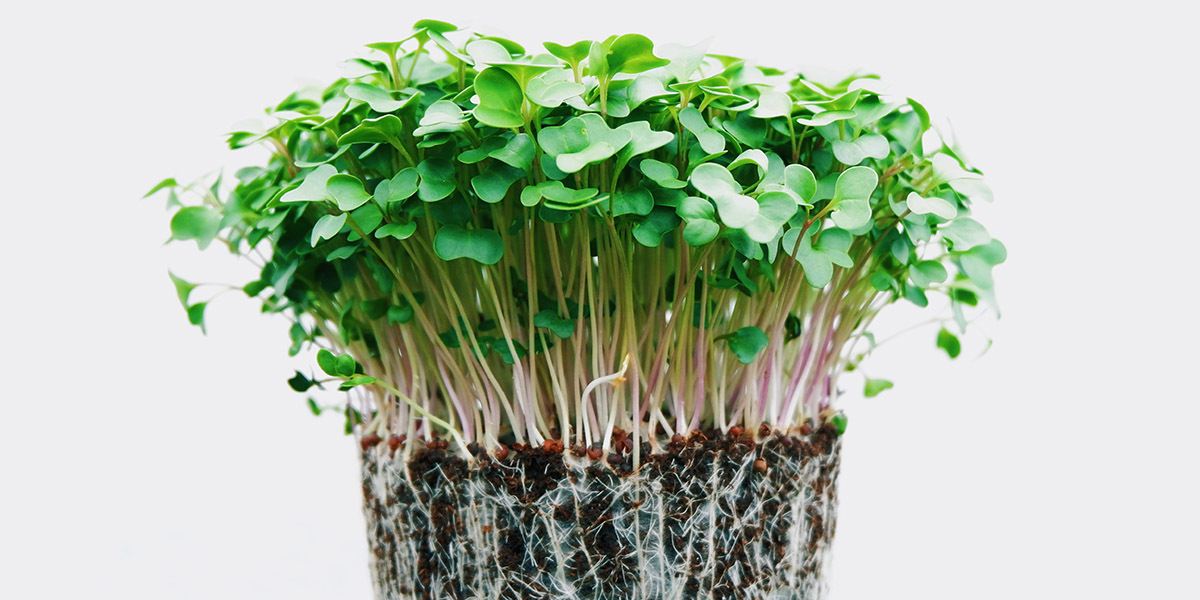
Exotic greens include unique leafy vegetables like kale, mizuna, and tatsoi. They offer different textures and tastes compared to common greens. These crops grow quickly and can be harvested multiple times. Exotic greens attract foodies and health enthusiasts. Their distinct look and flavor help them stand out in markets. Including exotic greens adds variety and profit potential to your garden.
Local Market Insights
Understanding local market insights helps gardeners choose the best vegetable crops. It guides decisions about what to grow for profit. Local demand, pricing, and customer tastes shape successful garden sales. Knowing these factors reduces risks and boosts income from your garden.
Identifying Customer Preferences
Start by learning what vegetables local buyers want. Visit farmers’ markets and talk to shoppers. Notice which vegetables sell out fast and which stay on shelves. Ask customers about their favorite fresh produce. Grow crops that match these preferences to increase sales.
Seasonal Trends
Vegetable demand changes with seasons. Some crops sell well in spring, others in fall. Track local seasons and plant accordingly. For example, leafy greens may be popular in cooler months. Tomatoes and peppers often do better in summer. Planting seasonally keeps your garden profitable year-round.
Competitive Pricing
Check prices of vegetables in local markets. Compare your growing costs with market prices. Set prices that attract buyers but still earn profit. Avoid pricing too high or too low. Competitive pricing helps sell your crops faster and builds loyal customers.
Community Supported Agriculture (csa)
CSA programs connect gardeners directly to consumers. Customers buy shares of your harvest before planting. This provides upfront money and reduces sales uncertainty. CSA members enjoy fresh, local vegetables regularly. Joining or starting a CSA can increase garden profits and customer trust.
Tools And Resources
Having the right tools and resources boosts your garden’s success. It makes growing profitable vegetable crops easier and more efficient. Good tools save time and effort. Reliable resources provide knowledge and guidance. Together, they help you grow healthy plants that sell well.
Recommended Gardening Tools
Start with basic hand tools like trowels, pruners, and gloves. Use a sturdy hoe and rake to prepare soil. Invest in a watering can or drip irrigation system for steady moisture. A soil tester helps check pH and nutrients. Raised bed kits or containers work well for small spaces. Quality tools last longer and improve your work.
Useful Online Platforms
Many websites offer tips on growing profitable vegetables. Forums like GardenWeb and Reddit’s gardening group share real experiences. Apps like GrowIt! and Veggie Garden Planner help track planting schedules. Marketplaces like Etsy or eBay provide opportunities to sell your crops. Use these platforms to connect with other gardeners and buyers.
Educational Channels And Workshops
YouTube channels like Epic Gardening and Market Gardener Institute teach growing techniques. Local community colleges and extension offices offer workshops. These classes cover pest control, soil health, and crop planning. Joining gardening clubs lets you learn from experts. Education helps avoid common mistakes and increases yields.
Seed Suppliers And Nurseries
Choose seeds from trusted suppliers for quality and disease resistance. Local nurseries often provide plants adapted to your climate. Heirloom seed companies offer unique, high-value varieties. Buying seeds early ensures availability for the planting season. Healthy seedlings give you a strong start for profitable crops.
Credit: www.new-terra-natural-food.com
Frequently Asked Questions
What Is The Most Profitable Vegetable To Grow?
Tomatoes rank as the most profitable vegetable to grow due to high demand and premium prices, especially heirloom varieties. Garlic and peppers also yield strong profits in small-scale farming. Growing diverse, high-value crops like these maximizes income per square foot effectively.
What Crop Makes The Most Money To Grow A Garden?
Tomatoes are the most profitable garden crop due to high demand and premium prices, especially heirloom and organic varieties.
What To Grow On A Small Farm For Profit?
Grow high-value crops like garlic, tomatoes, berries, and specialty peppers for strong profits on a small farm. Poultry also offers steady income with low land use. Choose crops with good market demand and year-round production potential to maximize earnings.
Which Crop Brings The Highest Profit?
Tomatoes often bring the highest profit due to strong demand and high market prices. Garlic and specialty peppers also yield great returns. Focus on crops with year-round production and local market appeal to maximize earnings.
What Are The Most Profitable Vegetables To Grow In A Garden?
Tomatoes, peppers, and lettuce often bring good profits due to high demand. Leafy greens and herbs also sell well locally and grow quickly. Choose crops that fit your climate and soil for best results.
Conclusion
Growing profitable vegetable crops in your garden can boost your income. Choose crops that suit your climate and market demand. Focus on quality and care for better yields. Small efforts can lead to steady profits over time. Start with easy-to-grow vegetables and expand as you gain experience.
Keep learning and adjusting your methods for success. Your garden can become both enjoyable and rewarding.