
Are you struggling with limited space but want to grow a variety of fresh vegetables and herbs? The One-Bed Method could be your game-changer.
Imagine harvesting multiple crops from just a single garden bed, maximizing your yield without needing more land. This simple yet clever technique lets you make the most of every inch, saving you time and effort while keeping your garden vibrant and productive.
Keep reading to discover how you can transform your garden bed into a thriving mini-farm and enjoy a continuous harvest all season long.
Basics Of One-bed Method
The One-Bed Method allows growing many crops in a single garden bed. This approach maximizes the use of soil, sunlight, and nutrients. It suits gardeners with small spaces or those wanting diverse harvests. Understanding its basics helps start strong and achieve good results.
Concept And Benefits
The One-Bed Method involves planting different crops close together in one bed. Crops are chosen to complement each other. Some grow tall, while others stay low. This mix reduces weeds and pests naturally. It also improves soil health by varying root types and nutrient needs. The method increases overall yield compared to single-crop beds.
Space And Time Efficiency
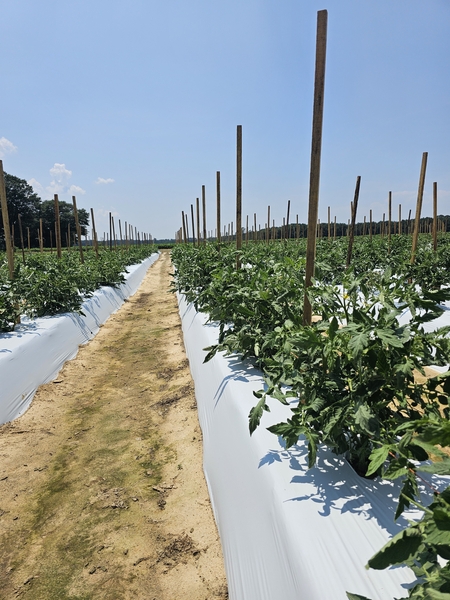
This method saves space by fitting many plants in a small area. It uses vertical and horizontal space smartly. Different crop growth rates allow continuous harvesting. As one crop finishes, another takes its place. This rotation reduces downtime and keeps the bed productive. Gardeners spend less time weeding and watering too.
Credit: content.ces.ncsu.edu
Planning Your Bed
Planning your bed is the first step to growing multiple crops in one space. Careful planning helps each plant thrive together. It saves space and boosts harvests. Knowing what to plant and how to prepare the soil is key. Proper planning makes your garden healthy and productive.
Choosing Compatible Crops
Select crops that grow well side by side. Some plants help each other by repelling pests or sharing nutrients. For example, tomatoes and basil work well together. Avoid pairing plants that need very different care or compete for resources. Group crops with similar water, sunlight, and soil needs. Companion planting improves growth and reduces problems.
Soil Preparation Tips
Start with rich, loose soil to support many crops. Remove weeds and debris before planting. Mix in compost to add nutrients and improve soil texture. Check soil pH to match your chosen plants’ needs. Add organic matter to keep soil moist and healthy. Good soil preparation creates a strong base for multiple crops to grow well.
Crop Arrangement Strategies
Crop arrangement strategies help maximize space and boost yields in one-bed gardening. By organizing plants thoughtfully, you can grow more in less space. These methods improve growth, reduce pests, and make harvesting easier. Below are three key strategies to arrange crops in a single bed effectively.
Vertical Layering
Vertical layering uses the height of plants to save space. Tall plants grow above medium and short plants. For example, place climbing beans on a trellis behind lettuce and radishes. This lets you use the same soil area for different crops. Vertical layering also improves air flow and light access for each plant.
Companion Planting
Companion planting pairs plants that help each other grow. Some plants repel pests or attract beneficial insects. Others improve soil nutrients for their neighbors. For example, plant marigolds near tomatoes to reduce pests. Beans can add nitrogen to the soil for leafy greens. This method boosts plant health and crop yield.
Succession Planting
Succession planting grows crops one after another in the same bed. Once a crop finishes, plant another in its place. This keeps the bed productive all season long. For example, follow early peas with summer carrots and then fall spinach. Succession planting uses space efficiently and provides fresh produce continuously.
Managing Growth And Maintenance
Managing growth and maintenance in the One-Bed Method requires careful attention to each plant’s needs. This approach helps keep plants healthy and productive. Proper care ensures all crops share resources without competing too much. Regular tasks like watering, controlling pests, and pruning keep your garden thriving. Small steps every day prevent bigger problems later.
Watering Techniques
Water plants deeply but less often to encourage strong roots. Use drip irrigation or soaker hoses to deliver water directly to the soil. Avoid wetting leaves to reduce disease risks. Check soil moisture regularly by touching the soil surface. Adjust watering amounts based on weather and plant type. Mulching helps retain moisture and reduces evaporation.
Pest And Disease Control
Inspect plants frequently for signs of pests or diseases. Remove affected leaves or plants promptly to stop spread. Use natural predators like ladybugs to control harmful insects. Apply organic sprays such as neem oil if pests become severe. Maintain good air circulation by spacing plants properly. Keep the garden clean by removing debris and weeds.
Pruning And Harvesting
Prune plants to remove dead or crowded growth and improve air flow. Regular trimming helps plants focus energy on fruit and flower production. Harvest crops at their peak for best flavor and to encourage more growth. Pick vegetables and herbs often to prevent overripening and waste. Use clean tools to avoid spreading diseases between plants.
Maximizing Harvests
Maximizing harvests is key to successful gardening with the One-Bed Method. This approach uses space wisely, allowing you to grow many crops in one area. By planning carefully, you can increase your yield without expanding your garden size. Smart timing and crop choices help keep your bed productive all year. Growing more food in less space benefits both beginners and experienced gardeners.
Extending Growing Seasons
Extending growing seasons lets you harvest more crops from one bed. Start early with cool-weather plants like lettuce and spinach. After they finish, plant warm-season crops such as tomatoes or peppers. Use row covers or cold frames to protect plants in colder months. This way, you can grow fresh vegetables almost year-round. Changing crops with the seasons keeps your soil healthy and full of nutrients.
Double Cropping Ideas
Double cropping means planting two different crops in the same bed during one season. Choose fast-growing plants that mature quickly. For example, plant radishes first, then follow with bush beans. Another idea is to grow leafy greens before tomatoes take over the space. This method uses time and space efficiently. Double cropping can boost your harvest without extra effort or space.
Raised Beds And Containers
Raised beds and containers offer excellent options for growing multiple crops in a single space. They allow you to control soil quality, drainage, and spacing for diverse plants. These methods suit small gardens or urban settings where space is limited.
You can mix vegetables, herbs, and flowers in one raised bed or container. This diversity helps maximize yield and keeps the garden healthy. Proper planning and setup make it easy to manage and harvest your crops.
Building Multi-crop Raised Beds
Start by choosing a sunny spot with good drainage. Build the bed using wood, stone, or recycled materials. Keep the bed height between 12 to 18 inches for easy access and root growth.
Fill the bed with rich, well-draining soil mixed with compost. Divide the bed into sections for different crops. Plant taller crops at the back and shorter ones in front for sunlight access.
Use companion planting to improve growth and reduce pests. Crop diversity in the bed helps keep the soil healthy. Water regularly and add mulch to retain moisture and control weeds.
Best Containers For Multiple Plants
Choose containers with at least 12 inches depth to support roots. Wide and shallow containers work well for herbs and leafy greens. Tall containers suit plants with deep roots like carrots and tomatoes.
Look for containers with drainage holes to prevent waterlogging. Use lightweight materials like plastic or fabric pots for easy movement. Group containers close together to create a mini garden.
Mix plants with similar water and light needs in one container. This practice reduces stress and simplifies care. Add quality potting mix and feed plants regularly for best results.
Common Challenges
Growing multiple crops in a single bed offers many benefits. It saves space and can boost yields. Yet, this method also brings some common challenges. Recognizing these issues helps gardeners plan better. Here are some of the main challenges faced in the one-bed method.
Overcrowding Issues
One of the biggest problems is overcrowding. Plants need enough room to grow leaves and roots. When crops are too close, they compete for space. This can stunt growth and reduce harvest size. Overcrowding also limits airflow, increasing disease risk. Careful planning and spacing are necessary to avoid these problems.
Nutrient Management
Different plants need different nutrients. Growing many crops in one bed can deplete soil quickly. If nutrients run low, plants become weak and less productive. Regular soil testing helps track nutrient levels. Adding organic compost or fertilizers supports healthy growth. Balancing nutrients is key for multiple crops in one bed.
Sunlight Competition
Sunlight is vital for all plants. Taller crops can shade shorter ones. This reduces photosynthesis for some plants. Uneven light can cause uneven growth and poor yields. Arrange plants by height to minimize shading. Place sun-loving crops where they get full light. Managing sunlight helps every plant in the bed thrive.
Tips From Experienced Gardeners
Experienced gardeners have valuable advice for growing multiple crops in one bed. Their tips help maximize space, improve soil health, and increase harvests. These insights come from years of trial and error in small garden spaces. Following their advice can make your one-bed method more productive and enjoyable.
Popular Crop Combinations
Gardeners often pair crops that support each other’s growth. For example, tomatoes grow well with basil and carrots. Basil repels pests while carrots loosen the soil. Beans and corn also make a good team. Beans fix nitrogen in the soil, benefiting the corn. Leafy greens like spinach can be planted alongside onions. Onions help deter pests that attack greens. These combinations save space and reduce pest problems naturally.
Time-saving Practices
Experienced gardeners use simple methods to save time in the garden. Mulching helps keep soil moist and reduces weeds. Watering early in the morning cuts evaporation and keeps plants healthy. Grouping plants with similar water needs avoids over- or under-watering. Planning crop rotation each season keeps soil fertile and prevents diseases. Using raised beds or containers improves drainage and speeds up planting. These habits make gardening easier and more productive.
Credit: www.nytimes.com
Frequently Asked Questions
What Is The 70 30 Rule In Gardening?
The 70 30 rule in gardening means planting 70% of crops for harvest and 30% for soil health or companion planting. It balances productivity and sustainability.
What Is The Rule Of 3 In Gardening?
The rule of 3 in gardening means grouping plants in threes for a natural look. It also involves layering plants by height and using three plant types for balance. This creates visual interest, depth, and a functional, attractive garden design.
Can You Plant Multiple Vegetables In One Planter?
Yes, you can plant multiple vegetables in one planter. Ensure each plant has enough root space to grow healthy and strong. Choose compatible plants to maximize growth and yield. Avoid overcrowding to prevent competition for nutrients and water.
What Is The 3-hour Gardening Rule?
The 3-hour gardening rule suggests avoiding gardening during the hottest midday hours for plant health and personal safety. Garden early morning or late afternoon to prevent heat stress and maximize watering effectiveness.
Conclusion
The One-Bed Method lets you grow many crops in one space. It saves room and helps plants thrive together. You can enjoy fresh vegetables all season long. This method suits small gardens or urban spaces well. Try mixing plants that grow at different speeds.
Keep the soil healthy and water regularly. Watch your garden grow fuller and more diverse each week. Simple steps bring big rewards in your garden bed. Give this method a chance and see the results.