
Are you ready to keep your garden thriving even when the temperatures drop? Winter gardening in an unheated hoop house might sound challenging, but with the right approach, you can grow fresh, healthy vegetables all season long.
Imagine harvesting crisp greens, root vegetables, and hearty herbs without paying for expensive heating. You’ll discover simple yet powerful keys to protect your plants from the cold, maximize warmth naturally, and choose the best crops for your unheated hoop house.
Keep reading, and you’ll learn how to turn your winter garden into a productive, low-cost oasis. Your green thumb doesn’t have to hibernate—let’s make your hoop house work for you all winter!
Credit: growingspaces.com
Choosing Cold-hardy Crops
Choosing the right crops is crucial for successful winter gardening in an unheated hoop house. Cold-hardy plants thrive in low temperatures and short daylight. These crops survive frost and grow slowly but steadily. Selecting suitable varieties ensures a healthy, productive winter garden.
Leafy Greens For Winter
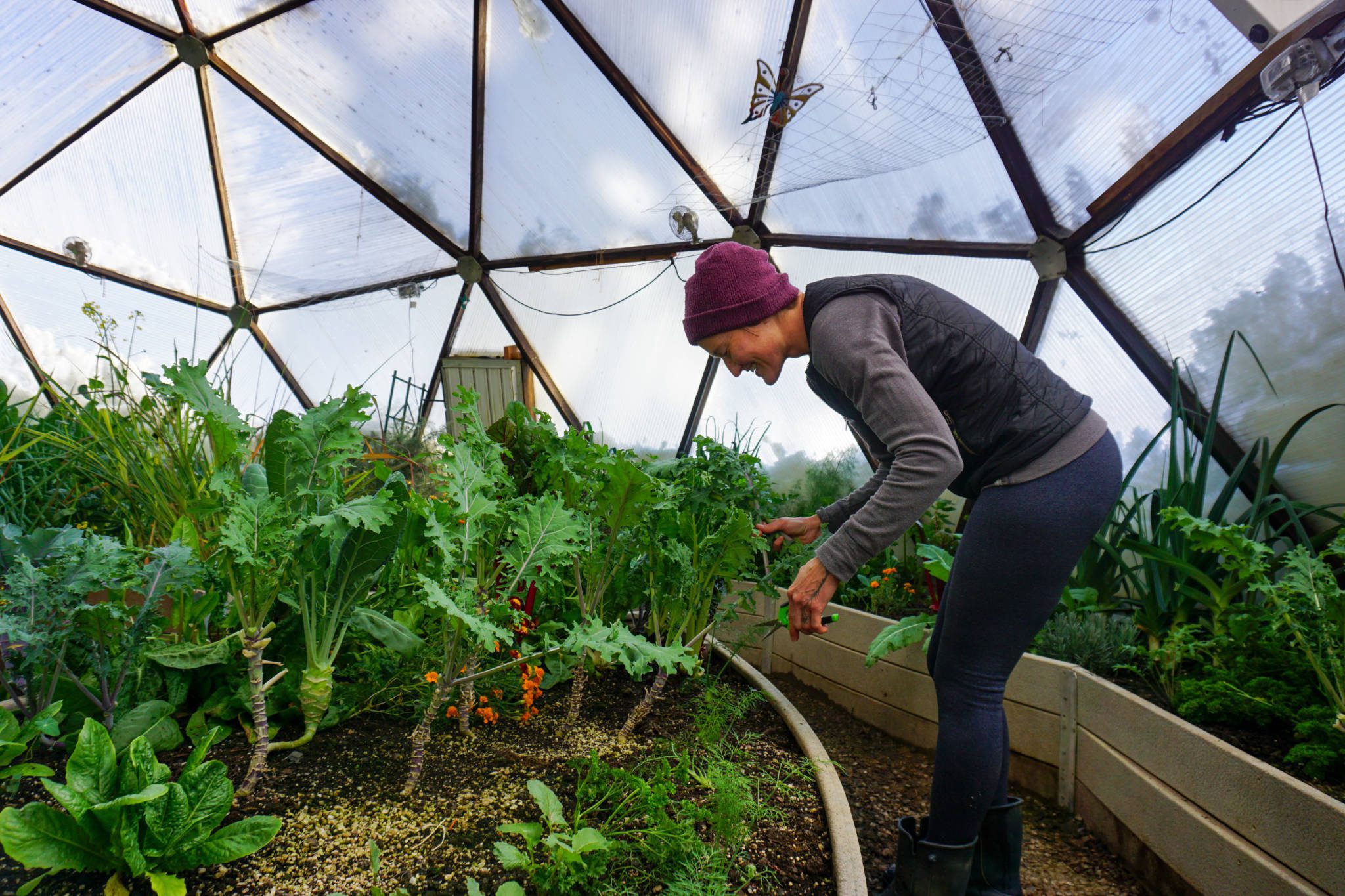
Leafy greens are ideal for cold conditions. Spinach, kale, and Swiss chard grow well in chilly weather. These greens tolerate frost and maintain flavor when cold. They provide fresh, nutritious leaves throughout winter months. Plant them early to allow slow, steady growth.
Root Vegetables To Plant
Root vegetables store energy underground, protecting them from freezing. Carrots, beets, and radishes develop sweetness as temperatures drop. These crops grow well in loose, well-drained soil inside the hoop house. Harvest roots after the cold sets in for best taste.
Herbs That Withstand Cold
Some herbs stay green and flavorful through winter. Parsley, thyme, and chives handle cold well. They add fresh flavor to winter meals and require little care. Plant these hardy herbs near the edges of your hoop house for easy access.

Credit: www.youtube.com
Maximizing Hoop House Warmth
Maximizing warmth inside an unheated hoop house is vital for successful winter gardening. Cold nights and chilly winds can stunt plant growth. Creating a warmer environment helps plants thrive through the season. Small changes can make a big difference in temperature control.
Using Thermal Mass Materials
Thermal mass materials absorb heat during the day and release it slowly at night. Stones, bricks, or water barrels work well inside the hoop house. Place them where sunlight hits directly. This stored heat keeps the air warmer after sunset. Using thermal mass reduces frost risk and protects roots.
Positioning For Sunlight
Set up your hoop house to capture the most sunlight possible. Face the longest side south to catch winter sun. Avoid shade from trees or buildings. Clear snow and debris from the plastic cover to let light in. More sunlight means more natural warmth inside the hoop house.
Adding Insulation Techniques
Insulating the hoop house traps heat and keeps cold air out. Use bubble wrap or row covers on the inside walls. Seal any gaps or holes in the plastic covering. Lay straw or mulch on the ground inside to reduce heat loss from soil. Proper insulation helps maintain a stable temperature for plants.
Soil Preparation And Mulching
Soil preparation and mulching are vital for successful winter gardening in an unheated hoop house. Healthy soil provides nutrients and warmth to plants. Mulching helps protect the soil from cold and keeps moisture in. Both practices improve plant growth and survival during chilly months.
Benefits Of Deep Mulch
Deep mulch acts as an insulating layer over the soil. It reduces temperature swings and protects roots from freezing. Mulch also keeps the soil moist by reducing evaporation. This helps plants survive dry winter air. Organic mulch breaks down slowly, adding nutrients back to the soil. It also suppresses weeds that compete with your crops.
Preparing Raised Beds
Raised beds warm faster and drain better than ground-level soil. Build beds at least 12 inches high for good root space. Fill them with a mix of compost, topsoil, and organic matter. This rich soil feeds plants and retains moisture. Level and firm the soil to prevent air pockets. Raised beds inside a hoop house create a cozy environment for winter crops.
Maintaining Soil Health
Keep soil alive by adding organic matter regularly. Compost, manure, or leaf mold improve soil texture and nutrients. Avoid compacting the soil by walking on beds. Rotate crops to prevent disease and nutrient depletion. Water plants gently to keep soil moist but not soggy. Healthy soil supports strong roots and better harvests in cold weather.
Ventilation And Moisture Control
Ventilation and moisture control are vital for winter gardening in an unheated hoop house. Proper airflow prevents mold and keeps plants healthy. Managing moisture reduces disease risks and helps plants grow strong. Cold weather makes it tricky to balance warmth and fresh air. Below are key strategies to maintain good ventilation and control moisture effectively.
Preventing Excess Humidity
Excess humidity causes mold and mildew to form on plants. Open the hoop house sides during sunny days to let moisture escape. Use a moisture meter to check soil and air humidity regularly. Avoid overwatering; water plants only when the soil feels dry. Place plants with enough space between them for air to circulate well.
Managing Airflow In Cold Weather
Cold air can enter the hoop house but still allow ventilation. Open vents or doors slightly to create a gentle breeze inside. Use roll-up sides or adjustable vents to control airflow easily. Avoid large openings that cause heat loss. Move air gently to keep temperatures stable and prevent dampness.
Avoiding Frost Damage
Proper ventilation helps reduce frost risks inside the hoop house. Close vents at night when temperatures drop below freezing. Use frost cloth or blankets to cover sensitive plants. Keep air moving during the day to stop cold pockets from forming. Check weather forecasts and adjust ventilation accordingly to protect crops.
Season Extension Strategies
Extending the growing season in an unheated hoop house requires smart strategies. These methods protect plants from cold and frost. They create a warmer microclimate that supports growth. Using simple techniques helps keep your winter garden thriving despite chilly weather.
Using Cold Frames Inside Hoop Houses
Cold frames add an extra layer of warmth and shelter. They are small, transparent boxes placed over plants. Inside a hoop house, cold frames trap heat close to the soil. This helps seedlings and tender plants survive freezing nights. Cold frames also shield plants from wind and frost damage. They are easy to build with old windows or clear plastic.
Layering Covers For Extra Protection
Layering covers is a key tactic for winter gardening. Use row covers, frost blankets, or plastic sheets inside the hoop house. Each layer traps more heat and blocks cold air. Air pockets between layers act as insulation. Remove the top layers on sunny days to prevent overheating. Add layers again before nightfall to keep plants warm.
Timing Planting And Harvesting
Plan planting and harvesting times carefully for best results. Start cold-tolerant crops early in the fall. This gives them time to mature before deep winter. Harvest crops before the coldest weeks arrive. Stagger planting dates to ensure a continuous supply. Proper timing reduces crop loss and maximizes yield in an unheated hoop house.
Credit: millcreekgardens.com
Watering Practices In Winter
Watering plants in winter inside an hoop house needs care and attention. Plants need less water in cold months. Overwatering can hurt roots and invite disease. The soil stays moist longer due to lower evaporation rates. Adjusting watering helps keep plants healthy and growing.
Avoiding Overwatering
Water only when the soil feels dry a few inches down. Too much water causes root rot and weak plants. Use a small watering can or drip system to control water flow. Water early in the day so plants dry before night. Avoid watering leaves to reduce mold risk.
Using Warm Water Techniques
Cold water shocks plant roots and slows growth. Use water warmed to room temperature for best results. Fill watering cans indoors or leave water in the sun to warm. Gentle watering with warm water helps roots absorb moisture better. This supports steady growth in cold conditions.
Monitoring Soil Moisture Levels
Check soil moisture regularly with your finger or a moisture meter. Soil should be moist, not soggy or dry. Keep notes on moisture levels to adjust watering schedules. Proper moisture helps plants avoid stress and stay strong. Consistent monitoring is key in winter gardening success.
Common Challenges And Solutions
Winter gardening in an unheated hoop house offers many benefits. Yet, gardeners face unique challenges during cold months. Understanding these common problems helps maintain healthy plants. Simple solutions can keep your garden thriving despite the cold.
Dealing With Pests In Cold
Pests do not disappear in winter. Some insects hide in the soil or on plants. They can damage leaves and roots even in cold weather. Use row covers or insect netting to block pests. Remove dead leaves and debris to reduce hiding spots. Introduce natural predators like ladybugs to control pest populations. Regularly check plants for signs of damage or pests.
Handling Plant Diseases
Cold and damp conditions encourage fungal diseases. Leaves may develop spots or mold. Avoid overwatering plants to reduce moisture. Improve air circulation by spacing plants properly. Remove infected leaves immediately to stop disease spread. Use organic fungicides if needed, following label instructions. Clean tools and gloves to prevent contamination between plants.
Repairing Hoop House Damage
Winter storms can damage the hoop house structure. Snow or wind may tear plastic covers or bend frames. Inspect the hoop house regularly for holes or loose parts. Patch tears with greenhouse repair tape or replacement plastic. Tighten or replace bent or broken hoops. Secure the base firmly to prevent wind lifting. Quick repairs protect plants from cold drafts and moisture.
Frequently Asked Questions
What To Grow In A Hoop House In Winter?
Grow cold-hardy greens like spinach, kale, and Swiss chard in a winter hoop house. Root vegetables such as carrots, beets, and radishes also thrive. Celery performs well too. Mulch helps protect crops and retain soil warmth, extending your winter harvest successfully.
What Can You Grow In An Unheated Greenhouse In The Winter?
You can grow cold-hardy greens like spinach, kale, Swiss chard, and cabbage in an unheated winter greenhouse. Root vegetables such as carrots, beets, and radishes also thrive. Mulch helps protect crops from frost and extends the growing season effectively.
How To Keep Hoop House Warm In Winter?
Place your hoop house near a south-facing wall to capture sunlight. Use water-filled barrels or rocks inside to store heat. Cover plants with mulch or row covers for extra insulation. Seal gaps to prevent cold air drafts. Ventilate carefully during sunny days to avoid overheating.
How Do You Keep Plants Warm In An Unheated Greenhouse?
Place heat-absorbing materials like water barrels, bricks, or rocks inside. Use mulch to insulate soil and cover plants at night. Position the greenhouse facing south to maximize sunlight. Seal gaps to reduce cold drafts. These steps keep plants warm without extra heating.
What Vegetables Grow Best In An Unheated Hoop House Winter?
Cold-hardy greens like spinach, kale, and Swiss chard thrive well. Root vegetables such as carrots, beets, and radishes also do great. These crops handle cold and grow steadily in winter conditions.
Conclusion
Winter gardening in an unheated hoop house is simple and rewarding. Protect plants using sunlight, thermal mass, and wind barriers. Choose cold-hardy crops like kale, spinach, and root vegetables. Regular care helps plants thrive despite chilly weather. Small steps make a big difference in plant growth.
Enjoy fresh, homegrown produce all winter long. Keep experimenting and learning for better results next season.