
Maintaining a thriving garden is a journey of constant observation and timely intervention. As you spend more time among your plants, you quickly realize that you are part of a complex ecosystem where various insects, fungi, and bacteria are vying for the same resources you are trying to cultivate. Having a well-stocked “garden pharmacy” or pesticide cabinet is not about waging war on nature; it is about having the right tools at your fingertips to maintain balance before a small problem becomes a catastrophe. From my experience, I have seen that the most successful gardeners are not necessarily those with the most expensive tools, but those who are prepared for the inevitable arrival of pests. By preserving a specific set of pesticides at home, you ensure that you can act during the critical early stages of an infestation, potentially saving your entire harvest.
Botanical Important Pesticides for Your Garden
Botanical pesticides are substances derived directly from plants. Because they evolved in nature, they often break down much more quickly than synthetic alternatives, which is a major benefit if you are growing food for your family. You should always have a core selection of these in your home inventory.
1. Neem Oil: Multi-Purpose Organic Guardian
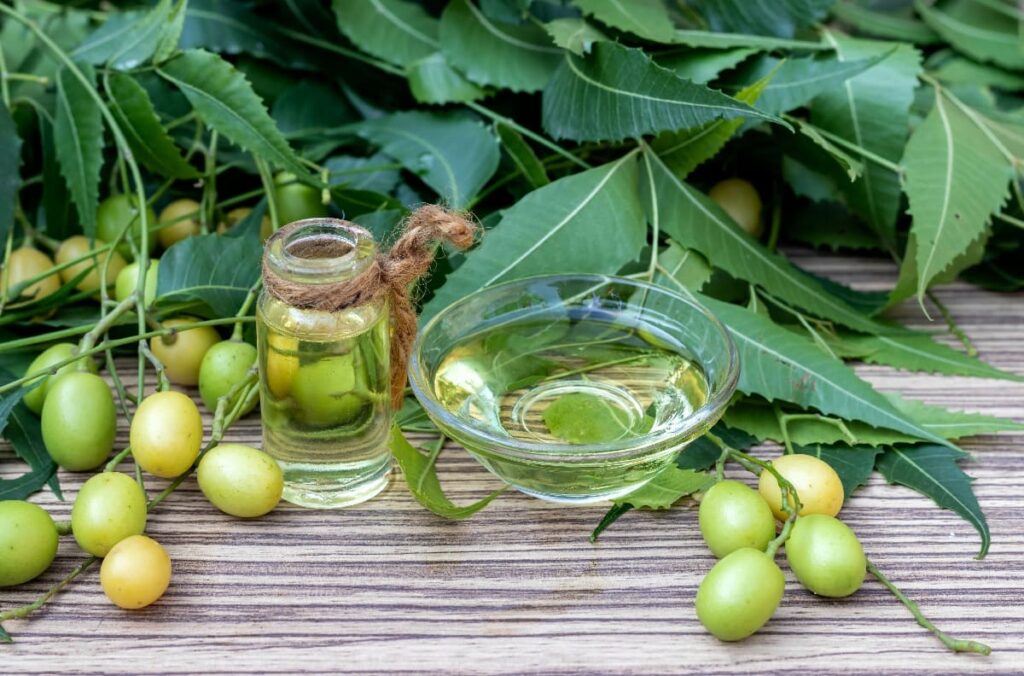
Neem Oil is perhaps the most critical pesticide you should preserve at home, and it works effectively against aphids, whiteflies, spider mites, fungus gnats, and Japanese beetles. This oil is extracted from the seeds of the neem tree (Azadirachta indica), and its primary active ingredient is a complex molecule known as azadirachtin. When you apply neem oil, you are not just using a simple toxin; you are deploying an Insect Growth Regulator (IGR) and a potent repellent.
Azadirachtin, with a chemical structure roughly represented as C_{35}H_{44}O_{16}, works by mimicking the insects’ natural hormones. When a pest like an aphid or a caterpillar ingests or comes into contact with it, the chemical disrupts their endocrine system, essentially “forgetting” to tell the insect to molt or grow into its next life stage. Because of this, you might not see an immediate “dead on arrival” effect like you would with a harsh synthetic spray, but within a few days, the population will crash as the immature insects fail to reach adulthood. Furthermore, neem oil acts as a fungicide, helping you prevent black spot, powdery mildew, and various cankers. In my experience, you should look for “cold-pressed” neem oil or products with a high percentage of azadirachtin to ensure maximum potency.
2. Pyrethrins: The Rapid Knockdown Solution
Pyrethrins are derived from the petals of specific chrysanthemum flowers, and they work brilliantly against beetles, caterpillars, fruit flies, leafhoppers, flea beetles, and cabbage loopers. If you are facing a sudden, heavy infestation where you need to see immediate results to save a plant, pyrethrins are the tool you should reach for. They target the nervous system of the insect, causing immediate paralysis upon contact.
One of the reasons you should feel comfortable keeping pyrethrins in your home arsenal is their incredible safety profile regarding persistence. They are highly sensitive to sunlight and usually break down within a single day of application. This means you can often use them on your vegetables right up until the day before you harvest. However, you must be careful; because they are so effective, they can also harm beneficial pollinators like bees if you spray while they are active. You should always apply pyrethrins in the late evening when the bees have returned to their hives.
3. Clove, Rosemary, and Peppermint
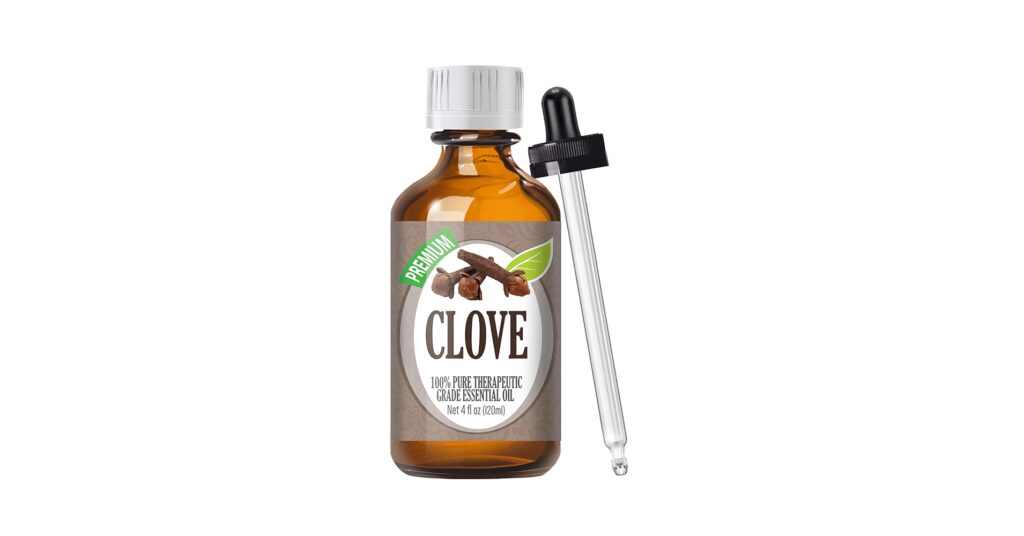
Essential Oils are volatile aromatic compounds that you can use to manage ants, crickets, dust mites, thrips, and aphids. Clove oil, in particular, contains eugenol, which is a fast-acting contact insecticide. When you use eugenol-based products, you are benefiting from a minimum-risk pesticide that poses very little danger to the environment but is quite toxic to the cell membranes of soft-bodied insects.
You will find that mixtures of these oils often work better than a single oil alone. For example, a blend of peppermint and lemongrass oil is exceptionally effective at keeping squash vine borers away from your summer squash. These oils work largely through “vapor action”—the strong scents mask the chemical signals your plants send out, making them “invisible” to searching pests. While they do require more frequent application than heavier oils, they leave your garden smelling wonderful and are among the safest options to use if you have pets or children playing in the yard.
4. Limonene and Citrus Peel Extracts
Limonene is produced from citrus oils extracted from orange peels, and it works against ants, roaches, silverfish, and flea larvae. It functions by overstimulating the central nervous system of the insect, leading to paralysis. While it has low toxicity to mammals and birds, you should be aware that it can be a skin irritant for some people. Keeping a citrus-based spray on hand is excellent for managing “perimeter pests” that might try to move from your garden into your home.
| Botanical Active Ingredient | Target Pests in Your Garden | Mechanism of Action | Environmental Impact |
|---|---|---|---|
| Azadirachtin (Neem) | Aphids, Mites, Whiteflies, Scale | IGR and Anti-feedant | Low; breaks down in soil |
| Pyrethrin | Beetles, Cabbage Loopers, Thrips | Sodium Channel Blocker | Very Low; degrades in 24 hours |
| Eugenol (Clove Oil) | Ants, Spiders, Household Pests | Cell Membrane Disruption | Minimal; very fast acting |
| Capsaicin (Chili) | Aphids, Thrips, Animal Pests | Repellent and Nervous System Disruptor | Non-toxic to birds; toxic to bees |
| Limonene | Ants, Roaches, Fleas | CNS Overstimulation | Low toxicity to pollinators |
5. Bacillus thuringiensis (Bt)
Bacillus thuringiensis, commonly known as Bt, works exclusively against caterpillars, including tomato hornworms, cabbage loopers, and bagworms. This is a naturally occurring soil bacterium that produces a protein crystal. When a caterpillar eats a leaf you’ve sprayed with Bt, the alkaline environment of its gut breaks down the crystal into a toxin that paralyzes its digestive tract.
The beauty of keeping Bt in your home collection is its safety. It is completely non-toxic to humans, pets, birds, and even the “good” bugs like ladybugs and bees. You can spray it on your kale or broccoli in the morning and eat them that same night (after a quick wash). You should be aware, however, that there are different strains. B. thuringiensis kurstaki (Btk) is for the caterpillars on your plants, while B. thuringiensis israelensis (Bti) comes in “dunks” or “bits” that you use in standing water to kill mosquito larvae and fungus gnats.
6. Spinosad: The Fermentation Marvel
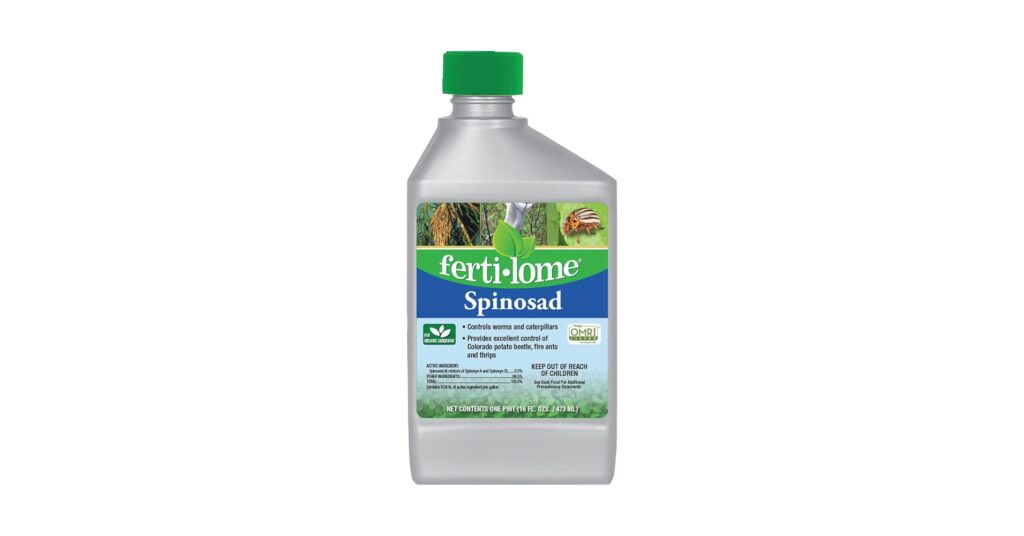
Spinosad is a product of the fermentation of a rare soil bacterium called Saccharopolyspora spinosa, and it works against thrips, leafminers, spider mites, and Colorado potato beetles. It is often sold under brand names like “Captain Jack’s Dead Bug Brew.” It acts on the insect’s nervous system, causing them to stop feeding almost immediately and die within a day or two.
Spinosad is a must-have because it bridges the gap between the total safety of Bt and the broad-spectrum power of synthetics. It is highly effective against “chewing” insects that Bt might miss, like the notorious potato beetle. While it is approved for organic gardening, you must remember that it can be toxic to bees while the spray is still wet. I always recommend that you apply it late in the day so it can dry overnight before the pollinators start their morning shift.
7. Diatomaceous Earth: The Microscopic Barbed Wire

Diatomaceous Earth (DE) works against any crawling insect with an exoskeleton, such as ants, beetles, slugs, fleas, and cockroaches. It is made from the fossilized remains of tiny aquatic organisms called diatoms. To your hand, it feels like a soft powder, but to an insect, it is like walking over a field of broken glass.
When you sprinkle DE around the base of your plants or in the cracks of your patio, the sharp edges of the silica particles cut into the waxy coating of the insect’s shell. This causes them to lose moisture and die from dehydration. Since it works mechanically rather than chemically, insects can never develop a resistance to it. You should always look for “food grade” DE to ensure it is safe for use around your garden and home. Keep in mind that DE only works when it is dry; if you have a heavy dew or rain, you will need to reapply your barrier once things dry out.
How to Preserve Your Pesticides Safely
The word “preserve” in the title is chosen carefully. Pesticides are chemical or biological products that can degrade, become dangerous, or lose their effectiveness if they aren’t stored properly. As a gardener, you should treat your pesticide storage with the same level of care you would a medicine cabinet.
Original Containers Only
You must always keep your pesticides in their original containers with the labels clearly visible. The label is not just for branding; it is a legal document that contains vital information on active ingredients, first aid steps, and specific application rates. Never, under any circumstances, should you transfer a pesticide into a soft drink bottle or an unmarked jar. This is the most common cause of accidental poisonings, as children or even other adults might mistake the liquid for something safe to drink.
Environment and Temperature Control
You should store your pesticides in a cool, dry, and well-ventilated area. A locked cabinet in a garage or a garden shed is usually the best spot, provided it doesn’t get too hot or too cold. Many liquid pesticides can be ruined if they freeze, as the active ingredients may “fall out” of the solution and won’t mix back in properly. Conversely, extreme heat can cause some chemicals to vaporize or break down, making them useless when you finally need them.
A clever professional tip you can use is to store your dry powders and granules on a shelf above your liquid bottles. If a liquid bottle happens to leak, it won’t contaminate your expensive bags of Diatomaceous Earth or sulfur dust. Also, consider placing your liquid bottles inside a plastic tray; this acts as a “secondary containment” system that will catch any spills before they reach the floor or other items.
Managing Shelf Life
You should be aware that pesticides don’t last forever. Most registered pesticides are guaranteed for at least one year, but many can last three to five years if kept in ideal conditions. I recommend that you use a permanent marker to write the date of purchase on every bottle you bring home. This way, you can practice a “first-in, first-out” system, using your oldest stock before it becomes less effective.
One specific note on Neem oil: because it is a natural oil, it can actually go rancid over time. If you want to significantly extend its life, you can store your pure neem oil concentrate in the refrigerator (far away from food) at around 40^{\circ}F. This keeps the azadirachtin stable for much longer.
| Pesticide Class | Expected Shelf Life | Signs of Degradation |
|---|---|---|
| Microbials (Bt) | 1–2 Years | Foul odor, clumping in liquid |
| Soaps/Oils | 3–5 Years | Separation that won’t remix |
| Botanicals (Neem) | 1–2 Years | Rancid smell, darkening color |
| Mineral Dusts | Indefinite | Clumping or moisture absorption |
| Spinosad | 3 Years | Loss of efficacy |
Conclusion
To wrap things up, you don’t need a massive warehouse of chemicals to be a successful gardener. If you preserve these key items at home, you will be prepared for almost anything:
- Neem Oil Concentrate: Your primary organic multi-tool for insects and fungus.
- Bacillus thuringiensis (Bt): Specifically for managing the “caterpillar crunch” on your vegetables.
- Spinosad (Dead Bug Brew): For the tougher chewing insects like beetles and thrips.
- Insecticidal Soap: A quick, safe way to handle aphids and mites on contact.
- Diatomaceous Earth: For a permanent, non-toxic barrier against crawling pests.
- Horticultural Oil: For your early-spring dormant treatments and scale control.
By keeping these tools ready and stored safely in their original containers, you are taking a professional approach to your garden. You will be able to act with precision, protect your beneficial insects, and ensure that your garden remains a healthy, productive, and beautiful place for you and your family to enjoy. Remember, the goal of a gardener is not to eliminate every bug, but to manage the balance of the ecosystem you’ve created. With these pesticides at your side, you are well-equipped to do exactly that.
Frequently Asked Questions
While many people use dish soap and water, you should be careful. Dish soaps are detergents designed to strip grease, and they can also strip the protective waxy cuticle off your plant’s leaves. This leaves your plants vulnerable to “sunburn,” diseases, and even more pests. Commercial insecticidal soaps are made of potassium salts of fatty acids, which are much gentler on the plant while being just as deadly to the bugs.
Neem oil is generally considered non-toxic to mammals, birds, and even bees once it has dried on the plant. However, you should always keep your pets away from the area while you are actively spraying and until the leaves are completely dry.
You should never pour pesticides down the drain, into the toilet, or directly into the trash. This can contaminate your local water supply. The best way to get rid of them is to take them to a local household hazardous waste collection site. Some communities have “Clean Day” events specifically for this purpose.
You should never mix different pesticides together unless the label explicitly says it is safe to do so. Mixing chemicals can create dangerous fumes, cause a reaction that clogs your sprayer, or create a mixture that is so strong it kills your plants along with the bugs.