
Are you looking to boost your plant growth without increasing your electricity bills? Solar-powered grow lights might be the perfect solution for you.
These energy-efficient lights harness the sun’s power to provide your plants with the light they need, even when natural sunlight is limited. Imagine having a garden that thrives day and night, all while cutting down on energy costs and reducing your carbon footprint.
You’ll learn exactly how to set up and use solar-powered grow lights to create a healthy, vibrant garden—whether indoors or outdoors. Ready to grow smarter and greener? Let’s dive in!
Choosing Solar Grow Lights
Choosing the right solar grow lights is key for healthy plants and energy savings. Several factors affect the performance and efficiency of these lights. Understanding these elements helps you pick the best option for your garden or indoor plants.
Types Of Solar Panels
Solar panels come in different types that affect power and cost. Monocrystalline panels offer high efficiency and last long. Polycrystalline panels are less expensive but have lower efficiency. Thin-film panels are flexible and lightweight but wear out faster. Choose a panel type based on your budget and sunlight availability.
Led Vs Other Light Sources
LED grow lights use less energy and produce less heat than traditional lights. They last longer and give off light in specific colors plants need. Other light sources, like fluorescent or incandescent, consume more power and generate more heat. LEDs are ideal for solar-powered systems because they save battery life.
Battery Capacity And Storage
Battery size determines how long your grow lights work without sunlight. Larger batteries store more energy for cloudy days or nighttime use. Look for batteries with good storage capacity and fast charging. Quality batteries extend the life of your solar grow light system and keep plants healthy.
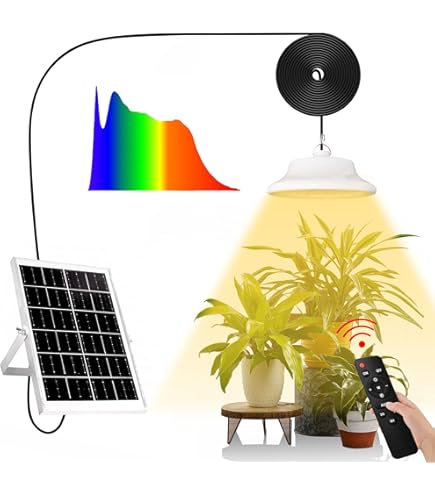
Setting Up Your System
Setting up your solar-powered grow light system is the first step to healthy plants. Proper setup ensures efficient energy use and optimal plant growth. Each part of the system must be placed carefully for best results.
Positioning Solar Panels
Place solar panels in direct sunlight, free from shade. South-facing spots capture the most sunlight throughout the day. Tilt panels at an angle matching your location’s latitude. Keep panels clean to maintain efficiency. Avoid placing panels near trees or buildings that cast shadows.
Mounting Grow Lights
Fix grow lights above your plants, shining downward. Use adjustable mounts or hooks to change height as plants grow. Keep lights close enough to provide good light but not burn leaves. Make sure the lights cover all plants evenly. Secure mounting prevents movement from wind or pets.
Wiring And Connections
Connect solar panels to the battery using proper cables and connectors. Use waterproof connectors for outdoor setups. Connect the battery to the grow lights with matching wires. Check all connections for tightness and safety. Use a charge controller to protect the battery from overcharging.
Optimizing Light Exposure
Optimizing light exposure is key to healthy plant growth with solar-powered grow lights. Proper light ensures plants receive enough energy for photosynthesis. Poor placement or timing can slow growth or cause damage.
Understanding how to position and adjust your grow lights helps plants thrive. It also saves energy and prolongs the light’s lifespan. Focus on distance, timing, and light intensity for best results.
Ideal Distance From Plants
Keep grow lights 12 to 24 inches above plants. Too close may burn leaves. Too far reduces light strength. Adjust based on plant type and light power. Young seedlings need less intense light, so place lights higher. For mature plants, lower the lights slightly for better light absorption.
Timing And Duration
Provide 12 to 16 hours of light daily. Plants need darkness to rest and grow. Use a timer to maintain consistent light cycles. Avoid leaving lights on all day or night. Monitor plant response and adjust hours if leaves look pale or scorched. Morning or evening light hours are best for energy use.
Adjusting Light Intensity
Some solar grow lights have adjustable brightness. Start with medium intensity for most plants. Increase brightness for plants needing more energy, like tomatoes or peppers. Decrease intensity for delicate plants or seedlings. Watch for leaf color and growth speed to guide adjustments. Avoid full brightness if plants show signs of stress.

Credit: www.amazon.com
Maintaining Solar Grow Lights
Maintaining solar grow lights keeps them working well and lasting longer. Regular care ensures strong light output and efficient energy use. Clean panels and good battery care help plants get steady light. Fixing common issues quickly saves time and keeps growth on track.
Cleaning Solar Panels
Solar panels need clean surfaces to catch sunlight well. Dust, dirt, and leaves block light and reduce power. Use a soft cloth or sponge with water to wipe panels gently. Avoid harsh chemicals that can damage the surface. Clean panels at least once a month or after storms.
Battery Care Tips
Check batteries often to keep lights shining bright. Avoid overcharging by turning off lights during strong sunlight. Replace batteries every 1 to 2 years for best results. Store lights in a dry place during winter to protect batteries. Use the correct battery type recommended by the manufacturer.
Troubleshooting Common Issues
If lights do not turn on, check for blocked solar panels. Make sure the switch is in the “on” position. Test batteries with a multimeter to see if they hold charge. Replace old or damaged batteries promptly. Inspect wiring for loose connections or corrosion. Reset the light system by turning it off and on again.
Benefits Of Solar Grow Lights
Solar grow lights offer many advantages for gardeners. They use sunlight to power the lights, making them eco-friendly. These lights help plants grow well, even in areas with little natural light. Using solar grow lights supports sustainable gardening practices and reduces reliance on electricity.
Energy Efficiency
Solar grow lights use energy from the sun. They convert sunlight into electricity without waste. LED bulbs in these lights use very little power. This means they run efficiently and last longer. Energy efficiency saves power and reduces environmental impact.
Off-grid Growing
Solar grow lights work without needing a power outlet. This makes them perfect for remote or off-grid gardens. You can place them anywhere sunlight reaches. Off-grid growing lets you garden in places with no electricity. It also provides flexibility in garden design and location.
Cost Savings
Solar grow lights reduce electricity bills since they use free solar energy. No wiring or electrical setup is needed, lowering installation costs. Over time, savings on power add up. These lights also need less maintenance, saving money on replacements and repairs.
Common Mistakes To Avoid
Using solar-powered grow lights can boost your plant growth while saving energy. Avoiding common mistakes helps your system work better and last longer. Many beginners make simple errors that reduce light efficiency or damage plants. Knowing what to avoid ensures healthy plants and smooth operation.
Incorrect Panel Placement
Solar panels need full sun to charge well. Placing panels in shade or behind objects reduces power. Tilt panels toward the sun’s path for best results. Clean panels regularly to remove dust and dirt. Poor placement means less energy stored for your grow lights.
Overheating Lights
Solar grow lights can get hot if not ventilated. Too much heat harms plants and shortens light life. Leave space around lights for air to flow freely. Use lights with built-in cooling systems if possible. Avoid placing lights too close to plant leaves to prevent burns.
Ignoring Light Schedules
Plants need consistent light and dark cycles. Leaving lights on too long stresses plants and wastes energy. Set timers to match each plant’s ideal light hours. Follow recommended schedules for seedlings, flowering, and fruiting stages. Proper timing helps plants grow strong and healthy.
Diy Solar Grow Light Projects
Building your own solar-powered grow light is a great way to save energy and help your plants thrive. DIY projects let you customize the light to fit your garden’s needs. This section guides you through the basic kits, assembly steps, and safety tips. You will learn how to create an efficient grow light using solar power.
Basic Kits And Components
Start with a solar panel to capture sunlight. Choose an LED grow light with full-spectrum bulbs. Include a rechargeable battery to store energy. A charge controller protects the battery from overcharging. Use wires, connectors, and a frame to hold all parts together.
Many kits come with all these parts for easy assembly. Pick a kit based on the size of your garden. Make sure the solar panel matches the power needs of the grow light.
Step-by-step Assembly
First, connect the solar panel to the charge controller. Next, link the controller to the battery. Attach the LED grow light to the battery using wires. Fix the solar panel and light on a sturdy frame. Place the solar panel in direct sunlight for best charging.
Test the system by covering the panel to see if the light turns on. Adjust the angle of the solar panel for maximum sun exposure. Secure all connections to avoid loose wiring.
Safety Precautions
Use insulated tools to avoid electric shock. Keep all wiring away from water and moisture. Do not touch the LED bulbs while the light is on. Ensure the battery is in a well-ventilated area. Avoid overcharging the battery by using a proper charge controller.
Check all components regularly for damage or wear. Follow the manufacturer’s instructions for each part. Take care to dispose of batteries safely when they no longer work.
Frequently Asked Questions
Do Solar-powered Grow Lights Work?
Solar-powered grow lights work by converting sunlight into energy stored in batteries. They efficiently power LED lights for plant growth, offering energy savings and eco-friendly illumination.
How Do You Activate Solar Lights For The First Time?
Place the solar light in direct sunlight to charge the battery fully. Turn on the switch or remove any protective tab. Allow the sensor to detect darkness for automatic activation.
How To Use A Grow Light For Beginners?
Place the grow light above plants, shining downward. Use full-spectrum LED lights. Keep lights on 12-16 hours daily. Adjust height to avoid burning leaves. Monitor plant response and adjust light duration accordingly.
How Long Should I Leave A Grow Light On My Plants?
Leave grow lights on plants for 12 to 16 hours daily to mimic natural sunlight and support healthy growth. Avoid overexposure.
Conclusion
Solar-powered grow lights offer a simple way to support plant growth. They save energy by using sunlight and batteries. Place the lights above your plants for best results. Regular use helps plants grow healthy and strong. These lights work well indoors and outdoors.
Maintenance is easy and costs stay low. Try solar grow lights to brighten your garden naturally. Small steps bring greener, healthier plants. Give your plants the light they need, without extra power bills. Solar grow lights are a smart, eco-friendly choice for any gardener.