
Ever thought about making your own fermented hot sauce at home? Fermented hot sauce might sound fancy, but it’s surprisingly simple—and the flavor is on a whole different level compared to anything you’ll find on a store shelf.
All you really need are peppers, salt, and water. With a little patience, those basic ingredients turn into a bold, tangy sauce with real depth and a natural kick of probiotics. In this guide, I’ll walk you through the process step by step, point out common mistakes to avoid, and show you how to tweak the recipe to match your taste.
Ingredients Needed To Make Fermented Hot Sauce
Making fermented hot sauce starts with the right ingredients. Each component plays a key role in flavor and fermentation. Choosing quality ingredients ensures a tasty and safe sauce. Below are the main ingredients you need to prepare.
1. Garden Peppers
Select fresh peppers with firm skin and no blemishes. Use any type of chili pepper, such as jalapeños, habaneros, or serranos. Mix different peppers to create unique heat and flavor profiles. Remember, the pepper choice affects the sauce’s spiciness and taste.
2. Salt And Water
Use non-iodized salt like sea salt or pickling salt. Avoid table salt as it may contain additives. Choose clean, chlorine-free water to avoid killing natural bacteria. A good ratio is about 2-3% salt to water for proper fermentation. This brine helps preserve the peppers and encourages good bacteria growth.
3. Optional Flavor Additions
Add garlic, onions, or herbs for extra flavor. Spices like smoked paprika or cumin can deepen the taste. Use fruits like mango or pineapple to add sweetness and complexity. These additions personalize your hot sauce and make it more interesting.

Credit: urbanfarmandkitchen.com
Preparing Peppers for Fermented Hot Sauce
Before you even think about fermentation, it all starts with how you prepare your peppers. This simple step plays a huge role in how your fermented hot sauce turns out—both in flavor and in safety. When the peppers are prepped the right way, fermentation happens smoothly, and the result is a sauce that tastes bold, balanced, and downright deliciou.
Start with fresh, ripe peppers. Their quality directly affects the final flavor. Clean and chop them carefully, keeping hygiene in mind. Also, handle peppers with care to avoid irritation or injury.
Cleaning And Chopping
Wash peppers thoroughly under cold running water. Remove dirt, dust, and any pesticides. Dry them with a clean towel or let air dry.
Cut off the stems before chopping. Slice peppers into small pieces to speed fermentation. Smaller pieces release juices and flavors faster.
Use a sharp knife to avoid crushing the peppers. Clean cutting boards and knives prevent contamination.
Handling Peppers Safely
Peppers contain capsaicin, which can irritate skin and eyes. Wear disposable gloves to protect your hands. Avoid touching your face during preparation.
If you feel burning on your skin, wash with soap and water. Use caution when chopping very hot peppers like habaneros or ghost peppers.
Keep peppers away from children and pets. Clean all surfaces and utensils after use to prevent accidental contact.
Making The Brine
Making the brine is a key step in creating fermented hot sauce. The brine helps preserve the peppers and encourages good bacteria to grow. This natural fermentation process gives the sauce its unique tangy flavor. A well-balanced brine ensures safety and flavor in every batch.
Salt To Water Ratio
The salt to water ratio controls fermentation speed and taste. Use about 2 to 3 tablespoons of salt per quart (4 cups) of water. Too little salt can cause bad bacteria to grow. Too much salt slows fermentation and can make the sauce too salty. Use non-iodized salt like sea salt or pickling salt for best results.
Mixing The Brine
Start by measuring clean, filtered water. Add the salt and stir until fully dissolved. Make sure the salt does not settle at the bottom. A well-mixed brine helps the peppers ferment evenly. Use this brine to cover your chopped peppers completely, keeping them submerged during fermentation.
Fermentation Setup You Need To Follow
Setting up the right environment is key to making great fermented hot sauce. The fermentation setup controls how your peppers develop flavor and texture. Proper tools and techniques keep the fermentation safe and successful. This section guides you through essential steps to prepare your fermentation space.
Choose The Right Container
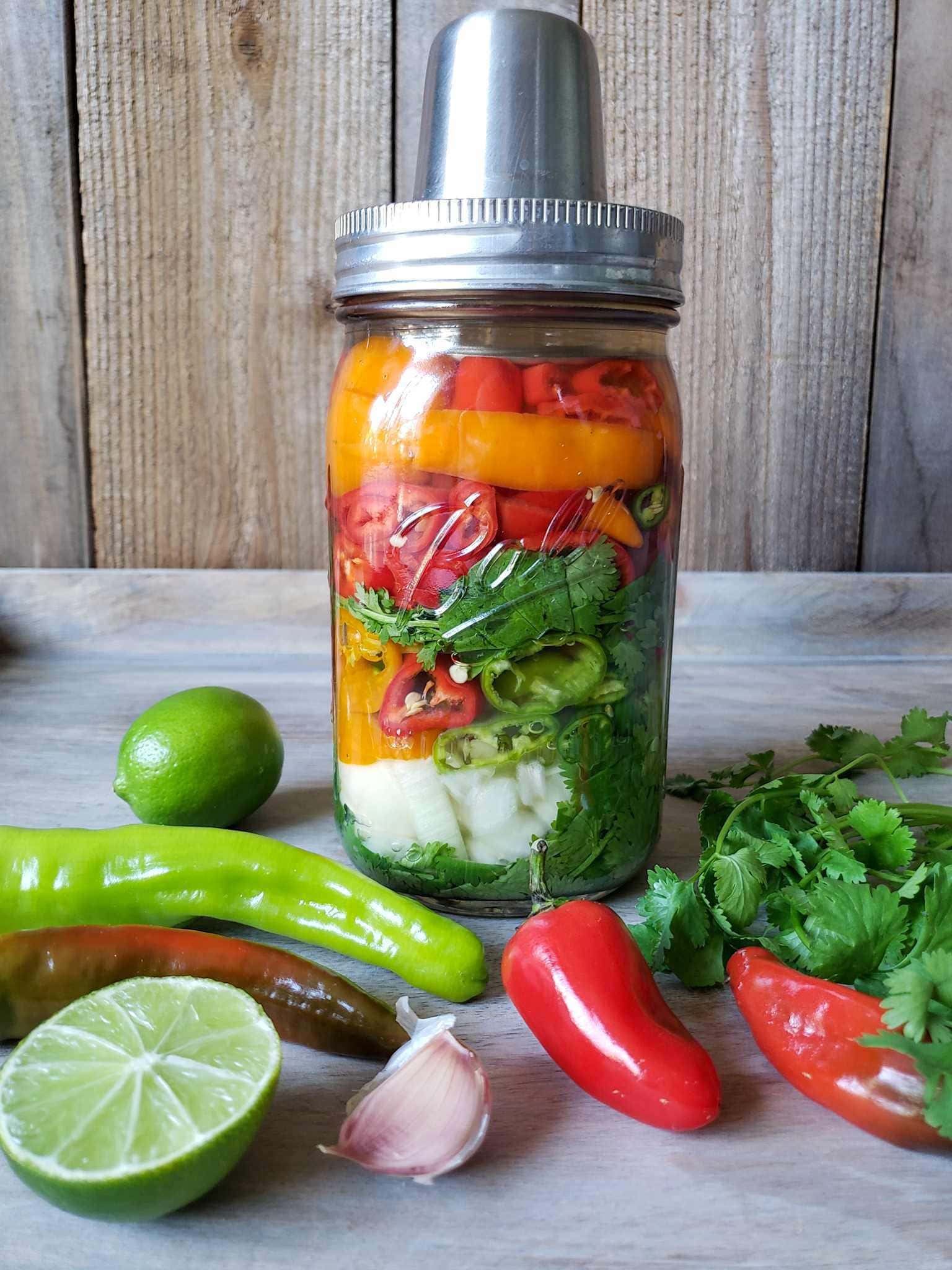
Pick a container made of glass, ceramic, or food-grade plastic. Avoid metal containers, as they can react with the brine. Mason jars are popular because they are easy to seal and clean. Choose a size that fits your batch, leaving some space at the top for expansion.
Keep Peppers Submerged
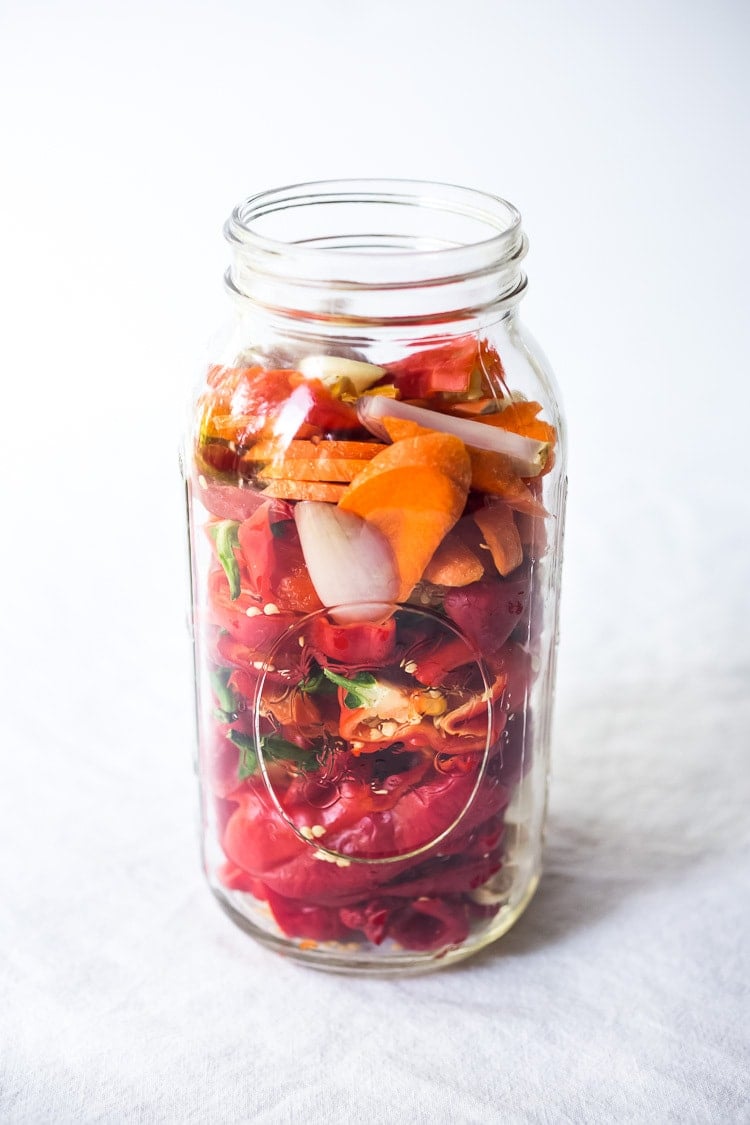
Peppers must stay under the brine to ferment properly. Exposure to air causes mold and spoilage. Use a fermentation weight or a clean small jar to press the peppers down. Check daily and add more brine if needed. Submerged peppers create an ideal environment for good bacteria.
Use Airlocks Or Burping Jars
Airlocks let gases escape while keeping oxygen out. They reduce the risk of unwanted bacteria growth. If you don’t have airlocks, open the jar once a day to release gas. This process is called burping. It prevents pressure build-up and keeps your sauce safe.
Fermentation Process
Fermentation is the heart of making fermented hot sauce. It transforms fresh peppers into a tangy, flavorful sauce. The process relies on natural bacteria that grow and produce acids. These acids develop complex flavors and preserve the sauce naturally. Understanding key factors in fermentation helps you achieve the best taste and safety.
Ideal Temperature
Keep the fermentation temperature between 65°F and 75°F (18°C to 24°C). This range encourages good bacteria to grow and work efficiently. Too cold slows fermentation, causing less flavor. Too hot can promote unwanted bacteria or spoilage. Store your jar in a cool, dark place away from direct sunlight.
Fermentation Duration
Fermentation usually takes 5 to 14 days. The exact time depends on temperature, pepper type, and personal taste. Taste your sauce after five days to check the flavor. Longer fermentation creates stronger sourness and richer complexity. Stop fermentation by refrigerating once the desired taste is reached.
Signs Of Successful Fermentation
Look for bubbles rising in the jar. This shows active fermentation and gas production. The brine should be cloudy, not clear. A pleasant sour smell means good fermentation. Avoid mold, slimy textures, or foul odors. These signs suggest spoilage and the batch should be discarded.
Credit: www.feastingathome.com
Common Fermentation Mistakes
Fermenting hot sauce can be rewarding but challenging. Many beginners face common mistakes that spoil their batches. Understanding these pitfalls helps create safe and tasty sauce. This section covers key errors and how to avoid them.
Preventing Mold And Contamination
Mold grows when air reaches the fermenting peppers. Keep the peppers submerged under the brine to block oxygen. Use a clean jar and tools to reduce bacteria risk. Wash hands before handling ingredients. Check the ferment daily for any fuzzy or colored spots. Remove mold immediately or discard the batch if mold spreads.
Managing Salt And Sugar Levels
Salt controls fermentation speed and prevents bad bacteria. Use the right salt type, like sea salt or pickling salt, without additives. Too little salt leads to spoilage; too much salt slows fermentation. Sugar feeds good bacteria but avoid excess. Measure ingredients carefully for balanced flavor and safety.
Avoiding Off-flavors And Spoilage
Off-flavors can come from dirty equipment or poor ingredient quality. Use fresh peppers and spices. Avoid metal containers that react with acids. Keep fermentation at a steady temperature, ideally between 65-75°F (18-24°C). Overfermentation causes sour or funky tastes. Taste the sauce regularly and stop fermenting once it reaches your preferred flavor.
Blending And Bottling
Blending and bottling are the final steps in crafting your fermented hot sauce. This stage transforms the tangy, spicy peppers into a smooth and flavorful sauce. Proper technique ensures the right texture, taste, and shelf life.
Careful blending brings out the full flavor of the fermented peppers. Bottling preserves the sauce and makes it easy to use.
Pureeing The Fermented Peppers
Start by pouring your fermented peppers into a blender or food processor. Blend until smooth, but avoid over-blending to keep some texture. Use short pulses for better control over consistency. If the mixture is too thick, add a small amount of the brine or water to loosen it. This step helps release the peppers’ flavor and aroma fully.
Adding Vinegar Or Additional Acids
Add vinegar to your pureed peppers to enhance flavor and preserve the sauce. White vinegar, apple cider vinegar, or distilled vinegar works well. Stir in a small amount at first, then taste and adjust as needed. Acids balance the heat and fermentation flavors while increasing shelf stability. Avoid adding too much vinegar to keep the sauce smooth and not too sharp.
Straining And Bottling Tips
Strain your sauce through a fine mesh sieve or cheesecloth to remove seeds and skins. This creates a smoother texture that pours easily. Use clean, sterilized bottles or jars to avoid contamination. Fill containers, leaving some headspace for expansion. Seal tightly with lids and store in the refrigerator. Proper bottling helps your hot sauce last longer and stay fresh.
Credit: homesteadandchill.com
Storage And Shelf Life
Proper storage is essential to keep your fermented hot sauce tasty and safe. Understanding how to store it and how long it lasts helps you enjoy every drop. Fermented hot sauce develops complex flavors over time, but it can spoil if not stored well.
Storing your hot sauce correctly slows down spoilage and maintains flavor. Temperature and container choice affect shelf life. Below are key points about refrigeration, shelf life, and signs of spoilage.
Refrigeration Benefits
Refrigeration slows fermentation and bacterial growth. It keeps your sauce fresh and flavorful longer. Cold storage helps preserve the bright, tangy taste. It also prevents unwanted mold and yeast from growing. Store your sauce in a clean, airtight jar in the fridge.
How Long It Lasts
Fermented hot sauce can last for months in the fridge. Most sauces stay good for six months or more. The acidity from fermentation acts as a natural preservative. Always check the smell and appearance before use. Avoid leaving it at room temperature for too long.
Signs The Sauce Has Gone Bad
Look out for unusual colors like black or pink spots. A strong, off-putting smell means spoilage. Mold growth on the surface is a clear sign to discard. If the sauce tastes sour or rotten, do not use it. Bubbling or foam after refrigeration indicates active fermentation or spoilage.
How You Can Enhance Flavor
Enhancing the flavor of fermented hot sauce makes every batch unique and exciting. Simple peppers and brine create a good base. Adding extra ingredients lifts the taste to a new level. Small tweaks can introduce sweetness, smokiness, or herbal notes. These flavor enhancements let you tailor the sauce to your preferences. Experiment with natural ingredients that blend well with fermented peppers. This section covers some easy ways to add depth and character to your hot sauce.
Adding Sweeteners And Spices
Sweeteners balance the heat and acidity in your sauce. Honey, maple syrup, or brown sugar work well. Use small amounts to avoid overpowering the peppers. Spices add warmth and complexity. Try cinnamon, clove, or smoked paprika. Ground cumin or coriander also bring earthiness. Add spices before fermentation for deeper flavor. Taste as you go to find your perfect mix.
Smoking And Roasting Peppers
Smoking peppers adds rich, smoky notes that enhance flavor. Use a smoker or grill to gently smoke the peppers before fermenting. Roasting peppers caramelizes their natural sugars. This process brings out sweet and savory flavors. Roast over an open flame or in the oven. Both methods create a deeper, more complex hot sauce. Smoke or roast only a portion of your peppers for balance.
Experimenting With Herbs
Fresh herbs add brightness and fresh aromas to hot sauce. Basil, cilantro, and oregano pair well with spicy flavors. Add herbs after fermentation to keep their freshness. Dried herbs work too but add them before fermentation. Try unusual herbs like tarragon or thyme for unique tastes. Herbs can soften heat and add layers of flavor. Use them sparingly to avoid masking pepper taste.
Safety Tips
Safety is key when making fermented hot sauce. Proper care stops bad bacteria from growing. Follow these tips to keep your sauce safe and tasty. Clean tools, watch for risks, and seal jars right.
Sanitizing Equipment
Clean all jars, lids, and utensils before use. Use hot, soapy water or a sanitizer. Rinse well to remove soap. Dirty equipment can cause spoilage or illness. Always dry tools on a clean towel or air dry. This lowers the chance of harmful bacteria growing.
Avoiding Botulism Risks
Botulism is a rare but serious risk in fermentation. Do not skip salt in the brine. Salt helps stop dangerous bacteria from growing. Use the right amount of salt for safety. Keep peppers fully submerged under the brine. Air exposure can cause mold or toxins. Store your sauce in a cool, dark place during fermentation.
Proper Sealing Techniques
Use lids that allow gases to escape during fermentation. Air-tight lids can cause pressure to build. This may lead to jar breakage or spoilage. Check jars daily for bubbles or swelling. Once fermentation finishes, seal jars tightly for storage. Store sealed jars in the fridge to slow fermentation and keep sauce fresh longer.
Frequently Asked Questions
You need fresh peppers, water, and salt to make fermented hot sauce. Use a clean jar and optional spices for flavor. Submerge peppers in brine to ferment.
Hot sauce typically ferments in 1 to 4 weeks, depending on temperature and pepper variety. Warmer temperatures speed fermentation. Taste periodically to achieve desired flavor and acidity.
Fermented hot sauce lasts 6 months to 1 year refrigerated. Keep it sealed and stored in a cool, dark place for best flavor.
Common hot sauce fermentation mistakes include improper salt ratio, insufficient brine coverage, wrong temperature, unclean equipment, and over- or under-fermenting. Avoid excess sugar, poor jar sealing, leaving pith and seeds, and ignoring bad odors to ensure safe, flavorful results.
Conclusion
Fermented hot sauce adds bold flavor and healthy probiotics. Making it takes patience but is simple. Use fresh peppers, salt, and clean jars for best results. Keep peppers fully submerged in brine to avoid mold. Store sauce in a cool place and taste often.
Enjoy your homemade spicy sauce on many dishes. Try different peppers and spices to find your favorite mix. Fermentation brings out unique, rich flavors you can’t buy. Start small and adjust as you learn. Have fun crafting your perfect hot sauce!