
If you want to enjoy the sweetest, juiciest corn right from your own garden, you need more than just planting seeds and hoping for the best. Growing the best sweet corn takes some know-how, attention, and a few simple tricks that can make a huge difference.
Whether you’re a beginner or have tried growing corn before without great results, this guide will help you avoid common mistakes and give your corn the care it needs to thrive. Ready to discover how to grow sweet corn that will impress your family and friends?
Keep reading, because your perfect harvest is just a few tips away!
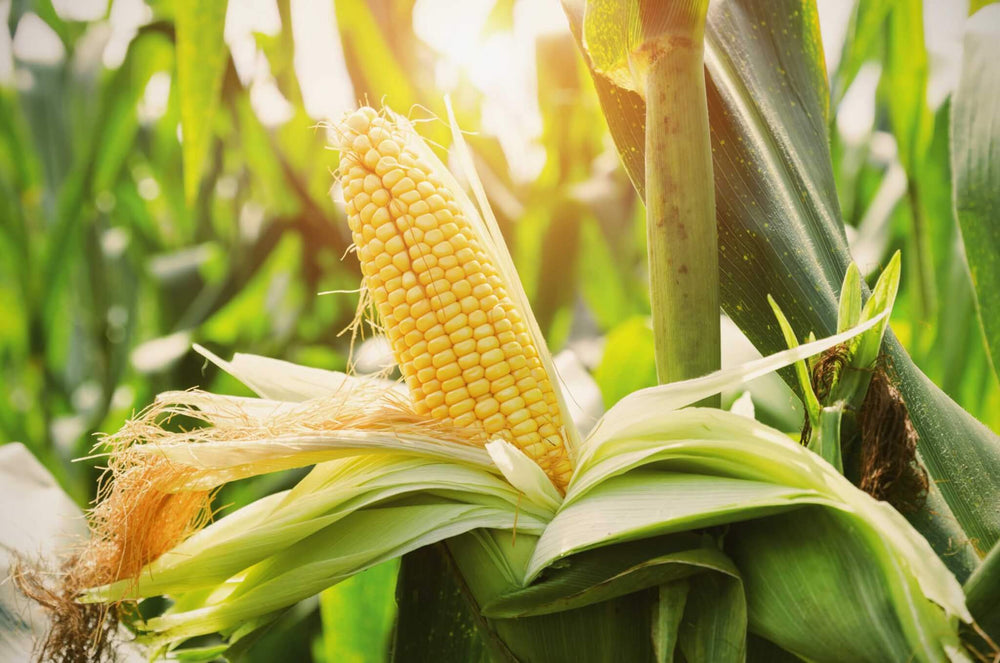
Credit: bonnieplants.com
Site Selection
Choosing the right site is key to growing the best sweet corn. The location affects sunlight, soil, and protection from wind. These factors help corn plants grow strong and healthy. Spend time selecting a spot that meets these needs.
Sunlight Needs
Sweet corn needs full sunlight to grow well. Pick a place that gets at least six to eight hours of sun daily. Sunlight helps the corn produce sugars, making the kernels sweet and juicy. Avoid shady areas near tall trees or buildings.
Soil Requirements
Corn grows best in loose, well-drained soil. The soil should be rich in organic matter and nutrients. Test the soil pH to keep it between 6.0 and 6.8 for healthy growth. Heavy clay or sandy soils need improvement with compost or other organic material.
Shelter From Wind
Strong winds can damage corn stalks and reduce pollination. Choose a site with natural windbreaks like shrubs or fences. If no natural shelter exists, consider planting rows that block the wind. Protecting corn helps ears develop fully without damage.
Planting Techniques
Healthy soil and proper fertilization form the foundation for growing the best sweet corn. Sweet corn needs rich, well-prepared soil and balanced nutrients to thrive. Preparing your soil correctly and choosing the right fertilizer helps your plants grow strong and produce juicy ears. Avoid mistakes that can harm your plants and reduce your harvest.
Soil Preparation
Start by testing your soil for pH and nutrient levels. Sweet corn prefers a slightly acidic to neutral pH, around 6.0 to 6.8. Remove weeds and old plant debris to reduce pests and diseases. Loosen the soil deeply to improve root growth and water drainage. Mix in organic matter like compost or aged manure. This boosts soil fertility and helps retain moisture. Well-prepared soil warms faster in spring, encouraging quick germination and growth.
Fertilizer Choices
Sweet corn is a heavy feeder that needs plenty of nitrogen for tall stalks and big ears. Use a balanced fertilizer with nitrogen, phosphorus, and potassium. A common choice is a 10-10-10 formula. Apply fertilizer before planting and side-dress when plants reach knee height. Organic options like blood meal or fish emulsion also work well. Avoid fertilizers with too much phosphorus unless your soil test shows a deficiency. Proper fertilizer helps corn grow fast and develop sweet, plump kernels.
Avoiding Fertilizer Burn
Fertilizer burn can damage sweet corn roots and stunt growth. It happens if fertilizer contacts young roots directly or is over-applied. Always follow package instructions for amounts. Mix fertilizer well into the soil, not just on the surface. Water the plants after fertilizing to help nutrients soak in and reduce burn risk. Use slow-release or organic fertilizers to provide steady nutrients without shock. Healthy roots mean healthy corn and a better harvest.
Watering Tips
Pollination is vital for growing sweet corn successfully. Without good pollination, corn ears may develop poorly or have missing kernels. Sweet corn relies mostly on wind to transfer pollen from tassels to silks. Understanding how to support this process helps you grow the best crop.
Importance Of Pollination
Each kernel on a corn ear needs pollen to grow. Poor pollination means fewer kernels and smaller ears. Pollination affects the size, taste, and overall quality of your corn. Successful pollination ensures a full and juicy cob.
Encouraging Wind Pollination
Corn pollen is light and spreads through the air. Planting corn in blocks rather than single rows helps pollen reach all silks. Avoid tall barriers around your crop that block the wind. Gently shaking corn plants can also help spread pollen.
Planting Enough Corn
Plant more corn than you think you need. Corn must be planted close enough for pollen to travel easily. A good rule is at least four rows in a block. This increases the chance of complete pollination and better yields.

Credit: www.meadowsfarms.com
Soil And Fertilization
Protecting sweet corn from pests and diseases is essential for a healthy crop. Strong plants resist damage and produce better ears. Early attention to threats helps keep your garden thriving. Understanding common pests and disease risks leads to better control.
Common Pests
Corn earworms are a major pest attacking sweet corn. They feed on kernels and damage ears. Aphids suck plant sap, causing leaves to curl and weaken. Armyworms chew leaves and can defoliate young plants quickly. Cutworms cut seedlings at the soil line, killing young plants. Regular checks help spot pests early before they spread.
Disease Prevention
Good air circulation reduces fungal diseases like rust and smut. Plant corn in well-drained soil to avoid root rot. Rotate crops yearly to stop disease buildup in soil. Remove and destroy infected plants to stop disease spread. Water at the base to keep leaves dry and prevent fungal growth. Use resistant corn varieties if available.
Organic Control Methods
Handpick pests like caterpillars to reduce their numbers. Spray neem oil to deter aphids and other insects. Use insecticidal soap for soft-bodied pests without harming beneficial insects. Encourage natural predators like ladybugs and lacewings. Apply diatomaceous earth around plants to repel crawling insects. Mulch helps keep soil moist and reduces weeds that harbor pests.
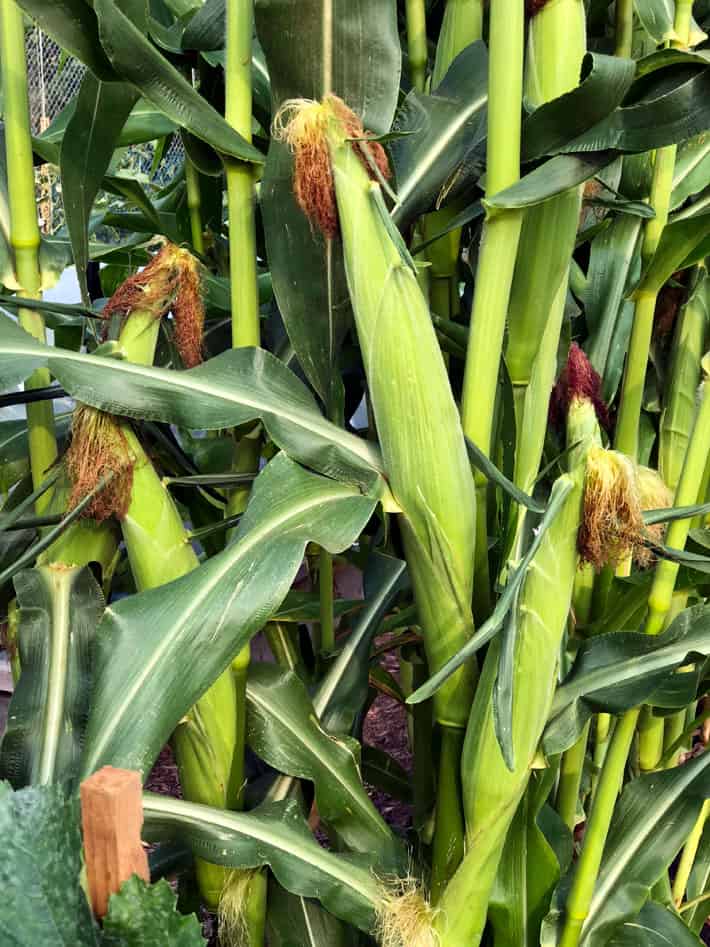
Credit: www.theartofdoingstuff.com
Frequently Asked Questions
What Is The Secret To Growing Sweet Corn?
The secret to growing sweet corn is planting in sunny, sheltered spots with block spacing, watering deeply, and ensuring good pollination.
What Are The Mistakes In Corn Growing?
Common corn growing mistakes include planting too few plants, poor pollination, uneven watering, planting in rows instead of blocks, and ignoring soil quality.
Should I Cut The Brown Tips Off My Corn Plant?
Cutting brown tips on your corn plant improves appearance but doesn’t heal damage. Trim carefully with clean shears below brown areas. Address causes like overwatering, poor drainage, or hard water to prevent further browning. Maintain proper watering and humidity for healthier leaves.
Should Sweet Corn Be Watered Every Day?
Sweet corn needs consistent watering, especially when plants reach knee height or taller. Water deeply every 2-3 days, not daily. Avoid soggy soil by letting it dry slightly between waterings. Proper moisture promotes healthy growth and juicy ears.
How Much Sunlight Does Sweet Corn Need Daily?
Sweet corn grows best with at least six to eight hours of sunlight. Full sun helps the plants produce sweet and healthy ears. Less sunlight can reduce yield and sweetness.
Conclusion
Growing sweet corn takes patience, care, and the right techniques. Water your plants well and choose a sunny spot. Plant corn in blocks to improve pollination. Watch for signs of stress and trim dead leaves to keep plants healthy. By following these simple steps, you can enjoy fresh, juicy corn from your garden.
Remember, consistent care leads to better harvests and sweeter corn every season. Happy gardening!