
Are you ready to add a burst of fresh, peppery flavor to your fall meals? Growing organic mustard greens for a fall harvest is easier than you think—and it’s a fantastic way to enjoy nutritious, vibrant greens straight from your garden.
Whether you’re a seasoned gardener or just starting out, mustard greens thrive in cooler weather and can keep producing delicious leaves well into the season. In this guide, you’ll discover simple tips to plant, care for, and harvest your mustard greens so you get the best yield and taste.
Keep reading, and you’ll soon be enjoying your own homegrown, organic mustard greens that make every fall dish shine.
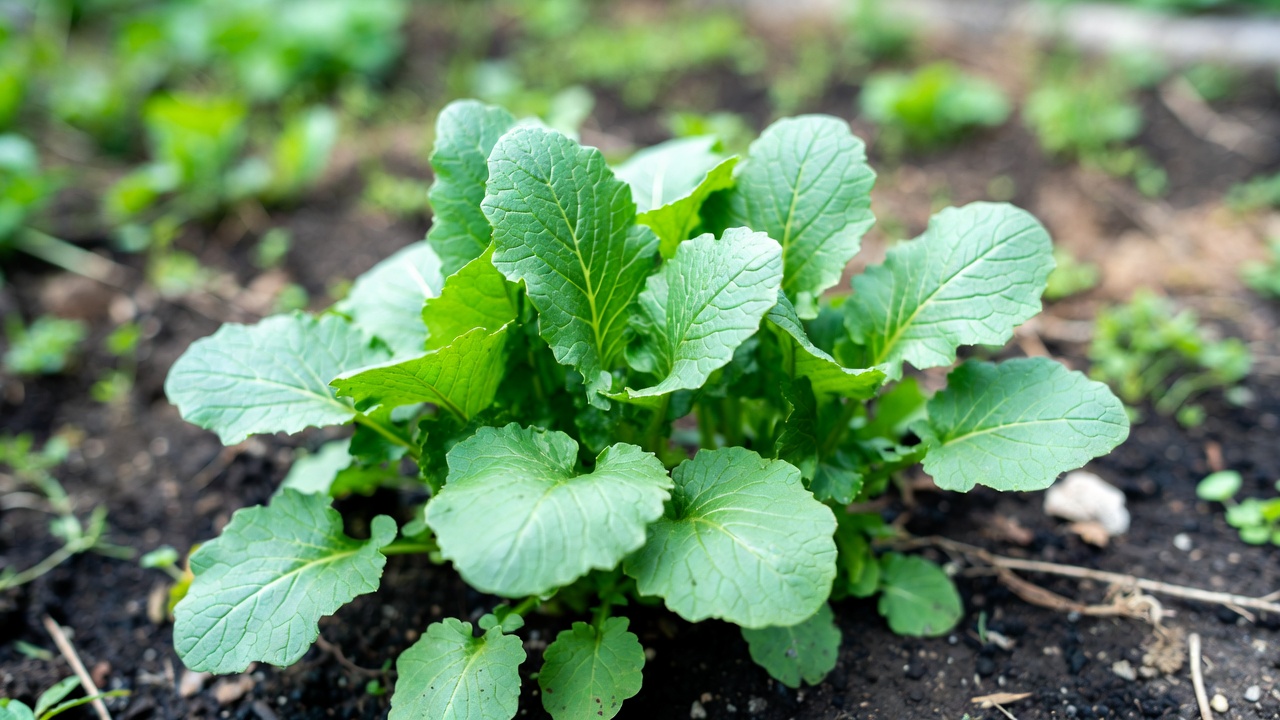
Things to Consider for The Right Mustard Greens
Choosing the right mustard greens is key to a successful fall harvest. Different varieties have unique flavors, growth habits, and cold tolerance. Selecting the right type helps you enjoy fresh, healthy greens all season.
Consider your local climate and garden space before picking a variety. Mustard greens grow best in cool weather, making fall ideal. Some types handle frost better, while others offer milder flavors.
Popular Varieties For Fall Season
Green Wave is a classic choice with tender, curly leaves. It grows quickly and withstands cooler temperatures well. Southern Giant Curled has bold, spicy leaves and grows large, perfect for hearty meals. Red Giant offers striking red stems and leaves with a sharp, peppery taste. Tendergreen produces smooth, mild leaves that stay sweet even in cold weather. These varieties thrive in fall gardens and provide a range of flavors and textures.
Organic Seed Selection
Choose organic seeds to avoid chemicals and support healthy soil. Certified organic seeds guarantee no synthetic pesticides or fertilizers were used. Look for seeds labeled “non-GMO” for natural plant genetics. Quality seeds improve germination rates and plant vigor. Store seeds in a cool, dry place until planting. Using organic seeds helps maintain the purity of your fall mustard greens and supports sustainable gardening.
How You Can Prepare Soil For Mustard Greens
Preparing the soil is the first step for a healthy fall harvest of organic mustard greens. Good soil ensures strong roots and vibrant leaves. It also helps the plants resist pests and diseases. Spend time making your soil rich and ready before planting.
Soil Type And Ph
Mustard greens grow best in loose, well-drained soil. Sandy loam or loamy soil works well. The ideal soil pH is between 6.0 and 7.5. Test your soil’s pH with a simple kit. Adjust it if the pH is too low or too high. Lime can raise pH, while sulfur lowers it. Proper pH helps the plant absorb nutrients easily.
Adding Organic Fertilizers
Organic fertilizers feed the soil and plants naturally. Use compost or well-rotted manure to add nutrients. Spread a 2 to 3-inch layer over the soil surface. Mix it well into the top 6 inches of soil. This improves soil fertility and encourages healthy growth. Avoid chemical fertilizers for organic gardening.
Improving Drainage And Texture
Good drainage prevents waterlogging and root rot. If your soil is heavy clay, add coarse sand or organic matter. This loosens the soil and improves water flow. Raised beds can also help with drainage. Crumbly soil texture allows roots to grow deep and strong. Check the soil after rain to ensure water drains well.
Planting Tips for Mustard Greens
Planting mustard greens is a simple and rewarding step toward a fresh fall harvest. These leafy greens thrive in cool weather, making autumn ideal for planting. Starting mustard greens properly ensures a steady supply of tender, flavorful leaves throughout the season.
Preparing the soil well and choosing the right planting time can boost growth. Using good seed sowing methods helps seedlings develop strong roots. Proper spacing and planting depth allow plants to grow healthy and avoid crowding.
Optimal Planting Time In Fall
Plant mustard greens in early fall for best results. Aim for about 4 to 6 weeks before the first expected frost. This timing lets the plants mature in cool weather, enhancing their flavor. Avoid planting too late to prevent frost damage to young plants.
Seed Sowing Techniques
Sow mustard green seeds directly into prepared soil. Scatter seeds thinly or plant in rows for easier care. Cover seeds with a thin layer of soil, about ¼ inch deep. Keep the soil moist until seedlings appear, usually in 5 to 10 days.
Spacing And Depth
Space seeds or seedlings about 6 to 8 inches apart. This distance gives each plant room to grow without competition. Plant seeds shallowly, no deeper than ¼ inch. Shallow planting helps seeds sprout quickly and reduces the risk of rotting.
Caring Techniques For Mustard Greens
Caring for your organic mustard greens is key to a healthy fall harvest. Proper care helps plants grow strong and flavorful. Mustard greens thrive with the right balance of water, temperature, and soil protection. Simple steps can improve your crop’s yield and quality.
Watering Requirements
Mustard greens need consistent moisture to grow well. Water the plants deeply about once a week. Keep the soil evenly moist but not soggy. Avoid letting the soil dry out completely. Morning watering helps prevent disease by drying leaves during the day.
Temperature Preferences
Mustard greens prefer cool weather for best growth. Ideal temperatures range from 50 to 75 degrees Fahrenheit. They tolerate light frost, which can improve leaf flavor. Avoid hot weather as it makes leaves bitter and causes plants to bolt early.
Mulching Benefits
Apply mulch around mustard greens to keep soil moist. Mulch controls weeds that compete for nutrients and water. It also helps regulate soil temperature during chilly fall nights. Organic mulches like straw or leaves slowly add nutrients to the soil as they break down.
How to Manage Pests And Diseases fo Mustard Greens
Managing pests and diseases is crucial for a healthy fall harvest of organic mustard greens. These plants can attract various insects and suffer from fungal or bacterial infections. Keeping pests and diseases under control improves leaf quality and yield. Early detection and proper care reduce damage and prevent spread. Use natural methods to protect your crop without harmful chemicals.
Common Insect Pests
Mustard greens attract several insect pests. Aphids cluster on leaves and stems, sucking plant juices. Flea beetles create tiny holes on leaves, causing a shot-hole effect. Cabbage loopers and caterpillars chew large leaf sections, weakening plants. Whiteflies feed on sap and spread diseases. Regularly check plants for these pests to catch problems early.
Disease Prevention Strategies
Choose well-drained soil to avoid root rot and fungal growth. Rotate crops yearly to prevent soil-borne diseases. Remove plant debris after harvest to stop disease spread. Water at the base of plants to keep leaves dry. Provide enough space between plants for air circulation. Healthy plants resist diseases better than weak ones.
Organic Control Methods
Introduce beneficial insects like ladybugs and lacewings to eat aphids. Use neem oil spray to control many common pests safely. Handpick larger pests like caterpillars to reduce numbers. Apply insecticidal soaps to target soft-bodied insects. Use row covers to protect young plants from flying pests. Keep your garden clean and monitor plants often.
Credit: sowrightseeds.com
Harvesting Tips for Mustard Greens
Harvesting mustard greens properly ensures fresh, tender leaves for your fall meals. Knowing when and how to pick leaves affects the plant’s growth. You can enjoy a longer harvest by using simple techniques. Follow these tips to get the best from your organic mustard greens.
When To Harvest Leaves
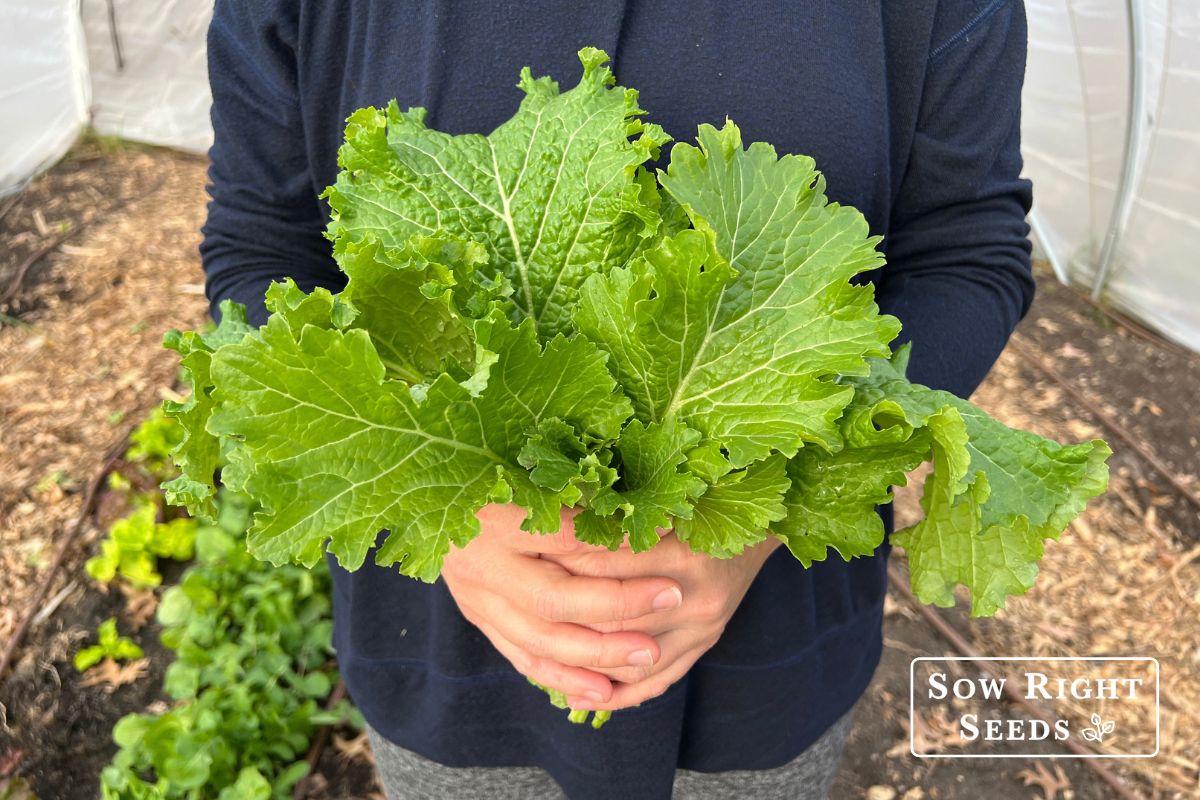
Harvest mustard green leaves when they reach 4 to 6 inches long. Pick the outer leaves first, leaving the center to keep growing. Avoid harvesting too early; small leaves lack flavor. Wait until leaves are firm and bright green. Harvest before frost for the best taste and texture.
Techniques For Continuous Growth
Use the “cut-and-come-again” method for ongoing harvests. Cut leaves about 1 inch above the soil. This encourages new leaves to grow quickly. Avoid cutting the entire plant at once. Regular harvesting keeps plants healthy and productive. Water well after harvesting to support regrowth.
Extending The Harvest Season
Plant mustard greens in intervals, every 2 to 3 weeks, for a steady supply. Protect plants with row covers during cold spells. Mulch around plants to retain moisture and warmth. Harvest leaves before heavy frost to prevent damage. Store greens in a cool, moist place to keep fresh longer.
How You Can Grow Mustard Greens Indoors
Growing mustard greens indoors offers fresh, tender leaves year-round. It allows control over light and temperature, perfect for a fall harvest. Indoor gardening saves space and reduces pest risks. This method suits those with limited outdoor space or harsh climates.
Indoor mustard greens grow fast and stay flavorful. The right setup ensures healthy plants and a steady supply of greens for your kitchen. Here’s how to start growing mustard greens indoors successfully.
Container Selection
Choose containers at least 6 to 8 inches deep. Mustard greens need room for roots to grow. Use pots with drainage holes to prevent water buildup. Lightweight plastic or ceramic pots work well indoors. Consider trays or shallow bins for multiple plants. Clean containers before planting to avoid diseases.
Lighting And Temperature
Mustard greens need 10 to 12 hours of light daily. Place containers near a sunny window that faces south or west. Use grow lights if natural light is insufficient. Maintain temperatures between 60°F and 75°F. Cooler temps improve leaf flavor and texture. Avoid placing plants near heat vents or cold drafts.
Indoor Care Practices
Water mustard greens regularly to keep soil moist but not soggy. Use a spray bottle for gentle watering to avoid disturbing seedlings. Fertilize every two weeks with a balanced, water-soluble fertilizer. Thin seedlings to 4 inches apart for proper air circulation. Check leaves for pests like aphids and remove them promptly. Harvest leaves by cutting outer leaves first for continuous growth.
Using Mustard Greens In The Kitchen
Mustard greens bring a peppery flavor and vibrant color to many dishes. They fit well in fall meals with their slightly spicy taste. Using fresh mustard greens adds crunch and nutrition to your cooking. These greens are versatile for salads, sautés, and soups.
Cooking mustard greens is simple and quick. They wilt fast and blend nicely with garlic, onions, and spices. Their bold taste pairs well with rich, hearty fall flavors. Mustard greens are a great way to brighten your plate and boost health.
Storage Tips
Keep mustard greens fresh by storing them in the fridge. Wrap the leaves in a damp paper towel. Place them inside a plastic bag or airtight container. Store in the vegetable drawer to keep them crisp. Use the greens within 3 to 5 days for best flavor.
Do not wash the leaves before storing. Washing adds moisture and speeds up spoilage. Wash just before cooking or eating. Check leaves for any slimy or yellow parts and remove them.
Simple Recipes For Fall
Try a quick sauté with olive oil and garlic. Cook mustard greens until just wilted. Add salt, pepper, and a splash of lemon juice. Serve as a side dish with roasted meats or grains.
Make a warm salad by mixing cooked greens with toasted nuts and dried cranberries. Drizzle with a simple vinaigrette. Another idea is to add mustard greens to soups or stews. They add color and a slight spicy kick.
Nutritional Benefits
Mustard greens are rich in vitamins A, C, and K. They support eye health, immunity, and blood clotting. These greens provide fiber that helps digestion. They are low in calories but high in antioxidants.
Eating mustard greens may reduce inflammation and improve heart health. Their natural compounds can help fight harmful bacteria. Including mustard greens in your diet boosts overall wellness during fall and beyond.
Frequently Asked Questions
Plant mustard greens for fall harvest about 6 to 8 weeks before the first expected frost. Choose cool, well-drained soil.
Harvest outer mustard green leaves first, leaving inner leaves to grow. Cut stems above the base to encourage regrowth.
Mustard greens survive winter well, thriving in cool weather and tolerating frost. Plant them in sunny, well-drained spots for best results.
Yes, mustard greens regrow after cutting. Harvest leaves regularly to encourage continuous growth and a longer harvest period.
Plant mustard greens in late summer, about 4 to 6 weeks before the first frost. This timing ensures a fresh fall harvest. They grow best in cool weather.
Conclusion
Growing organic mustard greens for a fall harvest is rewarding and simple. Plant seeds in early fall for the best results. These greens thrive in cool weather and grow quickly. Regular harvesting keeps plants producing fresh leaves longer. Use clean soil and water well to avoid pests.
Enjoy fresh, healthy greens straight from your garden. With patience and care, you can have a steady supply all season. Start small and watch your mustard greens flourish this fall. A natural, tasty addition to your meals awaits.