
Want to grow fresh herbs and veggies year-round — even if you don’t have a yard or a perfect green thumb? Hydroponics makes that possible: plants thrive in water full of nutrients instead of soil, which saves space, cuts down on pests, and often speeds up growth. If you’re wondering how to get started and actually keep your plants healthy, we’ll walk you through easy, practical steps: picking the right setup, choosing beginner-friendly plants, feeding them correctly, and dodging the common traps that slow people down. Read on and you’ll be surprised how quickly you can harvest vibrant, home-grown plants.
What is Hydroponic Systems
Hydroponic systems form the heart of growing plants without soil. They deliver water, nutrients, and oxygen directly to the roots. Understanding these basics helps you start healthy, productive plants. Choosing the right system and materials affects growth speed and yield.
Types Of Hydroponic Systems
There are several types of hydroponic systems. The most common include nutrient film technique (NFT), deep water culture (DWC), drip systems, and aeroponics. Each system has unique ways to supply nutrients and water. NFT uses a thin film of nutrient solution flowing over roots. DWC suspends roots in oxygen-rich water. Drip systems deliver nutrients drop by drop. Aeroponics sprays roots with mist. Pick a system based on space, budget, and plant types.
Choosing Between Buying And Building
Buying a hydroponic system offers convenience and tested designs. These kits come with all parts and instructions. Building your own system can save money and allow customization. It requires more time and knowledge. Beginners may prefer ready-made kits. Experienced growers might enjoy building for control and learning. Both choices can lead to success with proper care.
Selecting A Growing Medium
Growing medium supports plant roots and holds moisture. It replaces soil in hydroponics. Common media include coconut coir, rockwool, clay pellets, and perlite. Coconut coir retains water well and is natural. Rockwool holds moisture and allows air flow. Clay pellets provide good drainage and root support. Perlite improves aeration and drainage. Choose a medium based on water retention, air flow, and plant needs.
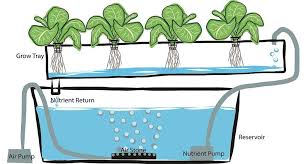
How to Setting Up Your Hydroponic System
Setting up your hydroponic system is the first big step to growing healthy plants. The right setup ensures plants get enough water, light, and the right environment. This section covers the key parts of setting up your system. Follow these steps for a strong start.
Water Irrigation Setup
Water is the lifeblood of hydroponic plants. Set up a reliable water irrigation system that delivers nutrients directly to the roots. Use pumps to move water evenly through the system. Choose a timer to control watering intervals. Make sure the water flow is steady but not too strong. Keep the water clean by filtering it regularly. Test the water’s pH and nutrient levels often to keep plants healthy.
Installing Grow Lights
Plants need light for photosynthesis, especially indoors. Choose grow lights that fit your space and plants’ needs. LED lights are energy-efficient and produce less heat. Position lights close enough for strong light but far enough to avoid burning leaves. Set a timer to give plants 12-16 hours of light daily. Adjust light height as plants grow. Proper lighting boosts growth and yield.
Maintaining Optimal Temperature And Humidity
Temperature and humidity affect plant health and growth speed. Keep temperature between 65°F and 75°F for most plants. Use heaters or fans to control heat inside your grow area. Maintain humidity between 50% and 70%. Use a humidifier or dehumidifier if needed. Monitor conditions daily with a thermometer and hygrometer. Stable temperature and humidity help prevent diseases and support strong roots.
Nutrient Management for Hydroponic
Nutrient management is crucial for growing healthy hydroponic plants. Plants rely entirely on nutrient solutions instead of soil. Proper nutrients help plants absorb minerals and grow strong. Managing nutrients carefully prevents common growth problems. It ensures plants get the right balance for their needs.
Preparing Nutrient Solutions
Start with clean water to make nutrient solutions. Use water low in salts and chlorine. Mix hydroponic fertilizers according to package instructions. Measure nutrients precisely for balanced growth. Avoid using too much fertilizer. Stir solutions well for even distribution. Store solutions in a cool, dark place. Replace nutrient solutions regularly to keep them fresh.
Monitoring Ph Levels
Check the pH level of the nutrient solution daily. Ideal pH for most plants is between 5.5 and 6.5. Use a digital pH meter or test strips for accuracy. Adjust pH using pH up or pH down products. Maintaining correct pH helps plants absorb nutrients better. Incorrect pH blocks nutrient uptake and slows growth.
Avoiding Overfeeding And Deficiencies
Too many nutrients can harm plants and cause toxicity. Watch for leaf burn or yellowing as signs of overfeeding. Deficiencies show as stunted growth or pale leaves. Follow feeding schedules and do not exceed recommended doses. Flush the system with clean water occasionally. Keep a nutrient log to track plant response and adjust feeding accordingly.
Credit: thursd.com
Plant Selection And Propagation for Hydroponic
Choosing the right plants and starting them properly is key to successful hydroponic gardening. Selecting suitable plants ensures better growth and higher yields. Propagation methods like seeds or cuttings affect how fast your plants develop. Proper handling at each stage helps plants adapt well to the hydroponic system.
Best Plants For Hydroponics
Leafy greens like lettuce, spinach, and kale grow well in hydroponics. Herbs such as basil, mint, and cilantro thrive too. Tomatoes, cucumbers, and peppers also do well with good care. These plants have shorter growing cycles and respond quickly to water and nutrients. Choose plants that fit your space and light availability.
Starting Seeds And Cuttings
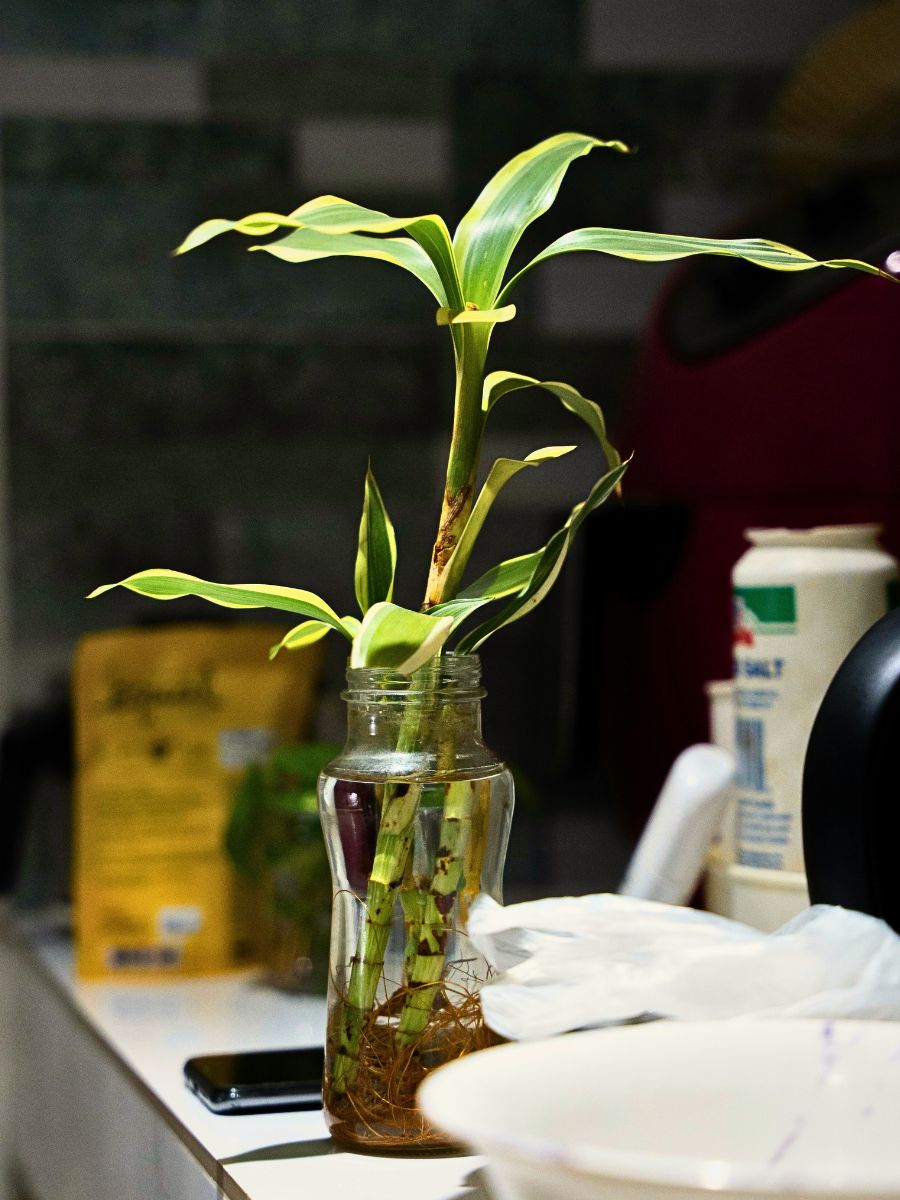
Begin seeds in a moist growing medium like rockwool or coco coir. Keep them warm and humid for faster germination. For cuttings, pick healthy stems and place them in water or a rooting medium. Roots will form in days to weeks. Use clean tools to avoid disease. Gentle handling helps young plants grow strong.
Transplanting Seedlings
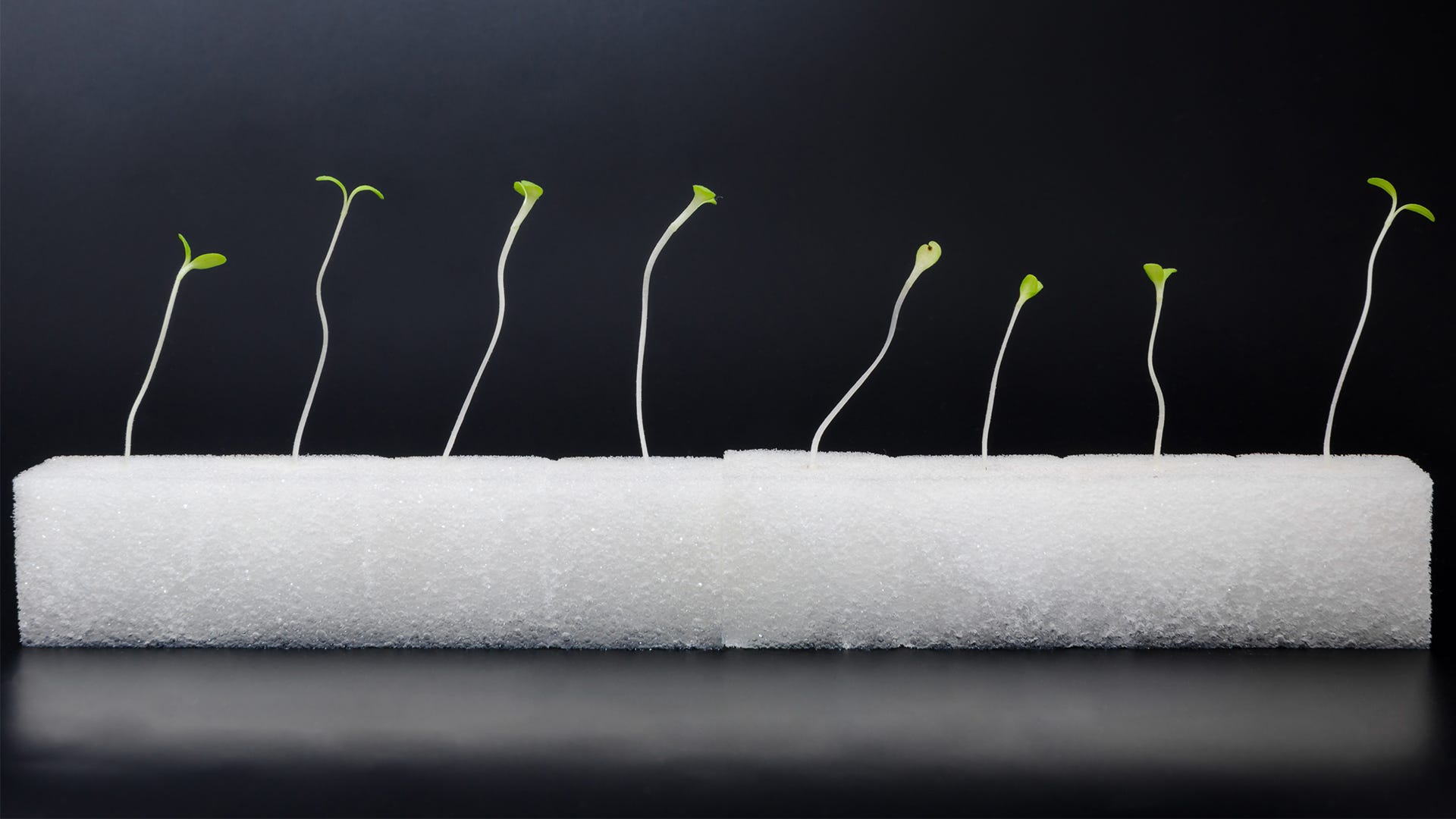
Move seedlings to the hydroponic system once they have several leaves. Handle roots carefully to avoid damage. Rinse off any soil if used in starting. Place roots gently into the nutrient solution or growing medium. Support plants with net pots or foam collars. Watch for stress signs and adjust light or nutrients if needed.
Maintenance And Troubleshooting
Proper maintenance and troubleshooting are key to healthy hydroponic plants. Regular care keeps the system running smoothly. It prevents common problems that slow plant growth. Early detection of issues saves time and resources.
Understanding how to clean, prevent disease, and handle failures helps maintain a thriving hydroponic garden. Let’s explore essential steps for maintenance and troubleshooting.
Cleaning And Sterilizing Equipment
Clean equipment after each growing cycle. Remove plant debris and roots from trays and containers. Use a mild bleach solution or hydrogen peroxide to sterilize parts. This kills harmful bacteria and fungi. Rinse thoroughly with clean water before reuse. Regular cleaning prevents disease build-up and blockages in the system.
Preventing Algae And Disease
Algae grow quickly in nutrient-rich water with light exposure. Cover reservoirs to block light. Use opaque containers to limit algae growth. Check plants daily for signs of mold or root rot. Remove any infected plants immediately to stop spread. Maintain good air circulation around the system. Avoid overwatering and keep nutrient levels balanced to reduce disease risks.
Managing System Failures
System failures can include pump breakdowns, clogged pipes, or power outages. Monitor pumps and timers regularly to ensure they work. Keep spare parts on hand for quick repairs. Have a backup power source or manual watering plan ready. Inspect pipes and fittings for leaks or blockages. Prompt action restores water flow and nutrient delivery to plants.

Credit: www.wikihow.com
Lighting Tips For High Growth in Hydroponic System
Lighting plays a vital role in growing hydroponic plants successfully. Proper light helps plants produce energy through photosynthesis. Without enough light, plants grow weak and slow. Using the right lighting setup can boost plant health and yield. Here are some key tips to optimize lighting for your hydroponic garden.
Choosing The Right Light Spectrum
Plants need different light colors for various growth stages. Blue light supports leaf and stem growth. Red light encourages flowering and fruiting. Full-spectrum lights combine blue and red with other colors for balanced growth. Use LED grow lights with adjustable spectrums for best results. This allows you to change light colors as plants grow.
Setting Light Duration
Plants require a certain number of light hours each day. Most hydroponic plants thrive with 14 to 18 hours of light. Seedlings need more light to develop strong roots. Flowering plants need less light to trigger blooming. Avoid too much light, which can stress plants. Setting the right light duration helps plants grow at their best pace.
Using Timers For Consistency
Consistency in light schedules is essential for plant health. Timers automate turning lights on and off at set times. This removes the risk of human error or forgetting. Regular light cycles keep plants in rhythm with natural growth processes. Invest in a reliable timer to maintain a steady light routine for your hydroponic setup.
Common Mistakes You Need To Avoid
Growing hydroponic plants offers many rewards but also challenges. Avoiding common mistakes helps plants thrive. Many beginners face issues that stunt growth or cause diseases. Focus on key areas to keep your system healthy and productive. Below are some common errors and how to prevent them.
Poor Nutrient And Ph Management
Plants need precise nutrients and balanced pH to absorb food well. Guessing nutrient strength can harm roots and slow growth. Overfeeding causes toxicity, while underfeeding leads to deficiencies. Not testing pH regularly blocks nutrient uptake. Keep nutrient solutions fresh and check pH often. Aim for a pH between 5.5 and 6.5 for most plants.
Inadequate Lighting
Light powers photosynthesis and growth. Hydroponic plants need enough light daily. Too little light causes weak, leggy plants. Too much light can burn leaves. Choose the right type and intensity of grow lights. Set timers for 12 to 16 hours of light each day. Adjust distance between lights and plants based on growth stage.
Neglecting Hygiene And Maintenance
Cleanliness prevents disease and system failures. Dirty equipment harbors harmful bacteria and algae. Regularly clean tanks, pumps, and tubing with safe solutions. Remove dead or yellow leaves to stop spread of pests and mold. Inspect system parts often to fix leaks or clogs early. Routine care keeps plants healthy and yields high.
Challenges Of Hydroponic Gardening
Hydroponic gardening offers many benefits but also comes with challenges. Understanding these challenges helps you prepare better. The process demands time, effort, and resources. Beginners often find it difficult at first.
Some problems can affect plant health and yield. Knowing these issues can improve your success rate. Below are some common challenges faced by hydroponic gardeners.
High Setup And Energy Costs
Setting up a hydroponic system requires a significant initial investment. You need pumps, lights, and nutrient delivery systems. Energy costs can rise due to continuous lighting and water circulation. These expenses can be higher than traditional soil gardening.
Electricity bills may increase, especially with large setups. Efficient equipment helps reduce costs but may cost more upfront. Budget planning is crucial before starting hydroponic gardening.
Steep Learning Curve
Hydroponics involves understanding plant nutrition and water chemistry. Managing nutrient solutions requires careful measurement and monitoring. Beginners may struggle with pH and nutrient balance. Mistakes can stunt plant growth or cause nutrient deficiencies.
Learning to maintain the system, check water quality, and adjust conditions takes time. Patience and practice are necessary to succeed. Access to reliable information and support is helpful.
Risks Of Rapid Disease Spread
Water-based systems can spread diseases quickly among plants. If one plant gets infected, the problem may affect the entire system. Pathogens thrive in warm, moist environments common in hydroponics.
Good hygiene and regular cleaning reduce disease risks. Monitoring plants for early signs of illness is essential. Prompt action helps prevent large losses in your garden.
How You Can Maximize Plant Growth
Maximizing plant growth in hydroponic systems depends on creating the best environment for roots and leaves. Healthy roots absorb water and nutrients faster. Strong leaves capture light for energy efficiently. This section covers key steps to boost growth in hydroponic plants.
Ensuring Proper Oxygenation
Oxygen is vital for root health. Roots need oxygen to breathe and grow well. Use air pumps or air stones in your hydroponic system. They add oxygen to the water. Without enough oxygen, roots can rot or slow growth. Keep water temperature cool; warm water holds less oxygen. Proper oxygenation helps plants absorb nutrients better and grow faster.
Optimizing Nutrient Absorption
Plants need the right nutrients in correct amounts. Use a balanced nutrient solution designed for hydroponics. Check nutrient levels regularly with a meter. Maintain the solution’s pH between 5.5 and 6.5. This range allows roots to absorb nutrients easily. Change the nutrient solution every one to two weeks. Avoid overfeeding, which can harm plants. Proper nutrients lead to bigger, healthier plants.
Regular Monitoring And Adjustments
Hydroponic plants need constant care and attention. Check water levels, pH, and nutrient strength daily. Observe plants for signs of stress or disease. Adjust lighting and temperature to match plant needs. Clean system parts regularly to prevent blockages and algae. Small, regular adjustments improve plant health and yield. Staying vigilant ensures your hydroponic garden thrives continuously.
Credit: www.saferbrand.com
Frequently Asked Questions
Start by choosing or building a hydroponic system and picking a suitable growing medium. Set up water irrigation and install grow lights. Provide nutrient-rich water, monitor pH levels, and prepare plants for propagation. Maintain cleanliness and proper light for healthy growth.
Three common hydroponic mistakes are poor nutrient and pH management, inadequate lighting, and neglecting system hygiene. These cause nutrient lockouts, stunted growth, and diseases. Regularly test nutrient levels, provide proper lighting, and clean equipment to ensure healthy plant growth.
Change hydroponic water every 1 to 2 weeks to maintain nutrient balance and prevent disease. Monitor pH and nutrient levels regularly.
Conclusion
Growing hydroponic plants is simple with the right steps and care. Choose a good system and keep nutrient levels balanced. Provide enough light and maintain clean equipment for healthy growth. Watch your plants daily to catch problems early. Small efforts bring fresh, tasty plants all year round.
Start small, learn as you go, and enjoy the process. Hydroponics lets you grow plants without soil, saving space and water. Give it a try, and see your garden thrive indoors.