
Imagine harvesting fresh, homegrown vegetables well beyond the usual garden season. What if you could nurture your plants through chilly nights and early frosts without breaking the bank or needing a large greenhouse?
You can—and cold frames are the secret. These simple, affordable garden structures protect your plants from cold weather, letting you start earlier in spring and keep growing later into fall and winter. If you want to get more from your garden and enjoy fresh produce longer, keep reading.
You’ll discover how to build and use cold frames to extend your growing season right in your own backyard.
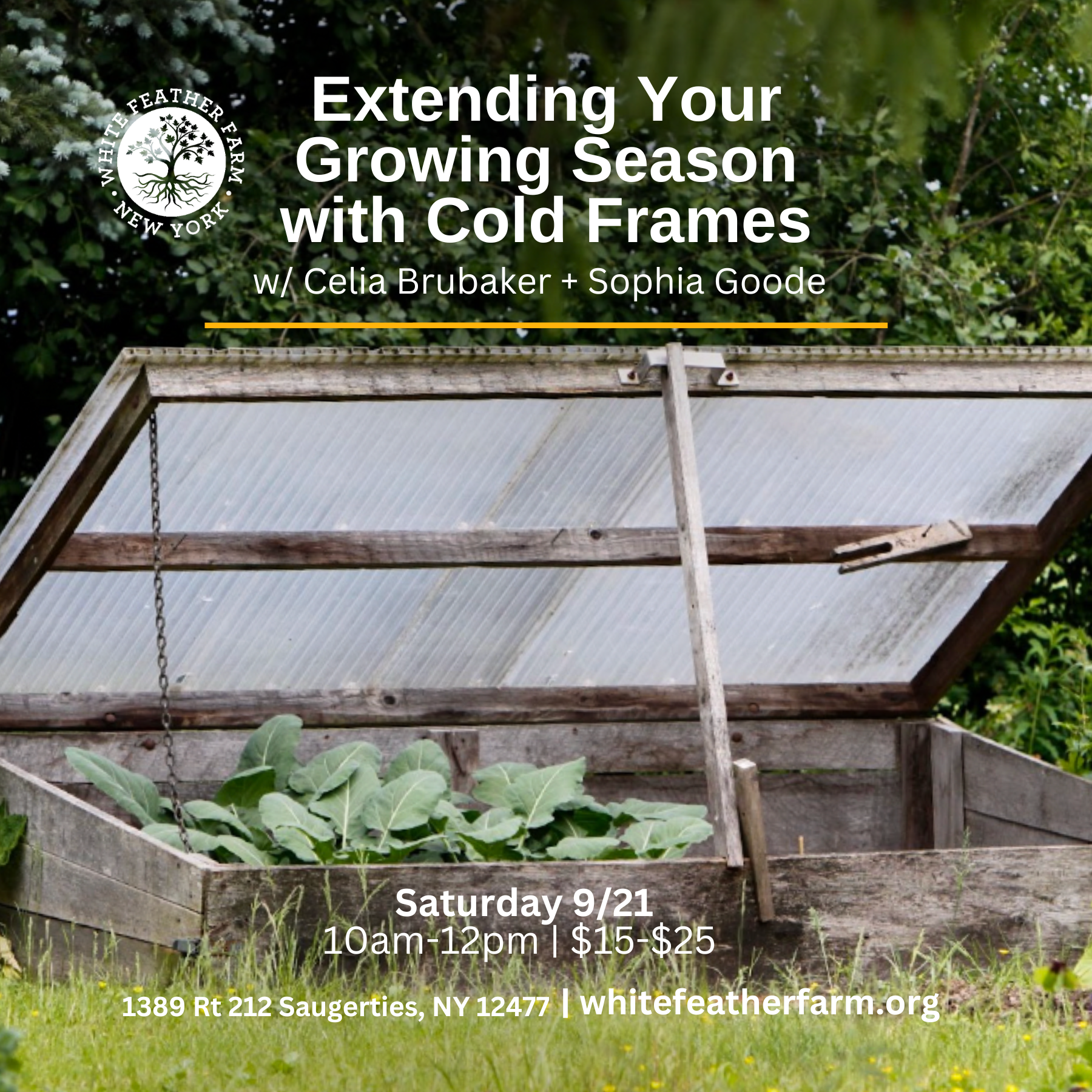
Credit: www.whitefeatherfarm.org
Benefits Of Cold Frames
Cold frames offer many benefits for gardeners who want to grow plants beyond the regular season. They create a small, protected environment that stays warmer than outside. This helps plants survive cold weather and grow stronger. Using cold frames can improve your garden’s productivity and give you fresh vegetables and flowers for a longer time.
Protecting Plants From Frost
Cold frames shield plants from frost and freezing temperatures. The glass or plastic cover traps heat during the day and keeps cold air out at night. This protection prevents frost damage to leaves and stems. Plants stay healthier and continue to grow even when outside temperatures drop below freezing.
Starting Seedlings Early
Cold frames create a warm space for seeds to sprout sooner. You can start seedlings weeks before planting them outside. This early start helps plants grow strong roots and leaves before the outdoor season begins. It also gives you more time to care for young plants in a controlled setting.
Extending Harvest Time
Using cold frames extends the harvest season by keeping plants alive longer. Vegetables like lettuce, spinach, and herbs can grow well even in chilly weather. You can pick fresh produce later into fall or earlier in spring. This means more homegrown food and less reliance on store-bought vegetables.

Credit: ediblecommunities.com
Choosing The Right Cold Frame
Choosing the right cold frame is key to extending your growing season successfully. A well-built cold frame protects plants from frost and keeps soil warm. It creates a small, controlled environment that helps plants grow longer than usual. Selecting the correct materials, size, and design will make your cold frame more effective and easier to use.
Materials And Construction
Cold frames often use wood, plastic, or metal for the frame. Wood is common because it is easy to work with and looks natural in gardens. Plastic frames are lightweight and resist rot but may not last as long. Metal frames are strong but can get cold quickly, so they might need insulation.
The top cover should be clear to let sunlight in. Glass or clear plastic works well. Glass lasts longer but can break easily. Plastic is safer but may become cloudy over time. Make sure the cover can open for ventilation on warm days.
Size And Placement
Size depends on the space available and what you want to grow. Small cold frames are easy to move but hold fewer plants. Larger cold frames protect more plants but are harder to handle. Choose a size that fits your garden and your needs.
Place the cold frame in a spot that gets full sun all day. South-facing locations work best in the northern hemisphere. Avoid shady areas or places with strong winds. Good placement helps keep plants warm and healthy.
Design Variations
Cold frames come in many designs. Some have simple flat lids that open like a window. Others have sloped tops to help rainwater run off. Some designs include built-in vents or removable covers for better air control.
Consider a design that suits your climate and garden style. A sloped lid works well in rainy areas. Vents help prevent overheating on sunny days. Choose a design that matches your skill level and budget.
Preparing Your Cold Frame
Preparing your cold frame properly helps you get the most from it. This stage sets the foundation for plant growth and protection. Careful planning ensures your cold frame works well through cold months.
Site Selection
Choose a sunny spot for your cold frame. It should get at least six hours of sunlight daily. Avoid shady places near trees or buildings. The location should have good drainage to prevent water buildup. Place the cold frame where you can easily access it for care and ventilation.
Soil Preparation
Clear the area inside the cold frame of weeds and debris. Loosen the soil to improve air and water flow. Add compost or organic matter to enrich the soil. Make sure the soil is level to help water drain evenly. Well-prepared soil supports strong root growth and healthy plants.
Ventilation Setup
Proper ventilation controls temperature and humidity inside the cold frame. Install vents or hinged lids that open easily. Open the vents on warm days to prevent overheating. Close them at night to keep heat inside. Good airflow helps prevent mold and keeps plants healthy.
What To Grow In Cold Frames
Cold frames provide a protected space to grow plants beyond the usual outdoor season. They keep the soil warmer and shield plants from frost. Choosing the right plants for cold frames helps you get the most from this tool. Some crops do well in cold frames during cold months. Others need the extra warmth for starting early growth. Perennials can also benefit by staying safe through winter. Understanding what to grow in cold frames can increase your garden’s productivity.
Winter Hardy Greens
Winter hardy greens thrive in cold frames. Lettuce, spinach, and kale are good choices. These greens tolerate frost and stay fresh longer. Mizuna and arugula also grow well in cool weather. Sow seeds in late summer or early fall. The cold frame protects them from harsh winds. You can harvest greens throughout winter. They provide fresh leaves when outdoor gardens rest.
Seedlings And Transplants
Cold frames help start seedlings early. Tomatoes, peppers, and herbs do well when started here. The warmer soil speeds up germination. It also protects young plants from cold snaps. Move seedlings outdoors after the last frost. This method gives plants a strong start. It extends the growing season by weeks. You can grow bigger, healthier plants for your garden.
Overwintering Perennials
Some perennials need extra protection in cold weather. Cold frames shield roots and crowns from freezing. Plants like strawberries, herbs, and certain flowers survive better. Place pots or bare-root plants inside the frame. The shelter reduces temperature swings. It helps perennials stay healthy until spring. Overwintering plants in cold frames saves time and money. You keep your favorite plants growing year after year.
Managing Temperature And Moisture
Managing temperature and moisture inside a cold frame is key to keeping plants healthy. Cold frames trap heat and protect plants from frost. But too much heat or moisture can harm them. Careful control helps plants grow strong and extends the season. Simple steps make a big difference in managing these conditions effectively.
Ventilation Techniques
Proper airflow prevents overheating inside the cold frame. Open the lid or vents on warm days to release excess heat. Close them during cold nights to keep warmth in. Use adjustable hinges or props to control ventilation easily. Good air circulation reduces mold and keeps plants dry. Check the temperature often to adjust ventilation as needed.
Watering Tips
Water plants early in the day to avoid dampness at night. Use a gentle spray to keep soil moist but not soggy. Overwatering causes root rot and weak plants. Check soil moisture regularly by touching the surface. Add water only when soil feels dry. Avoid watering leaves directly to prevent disease. Proper watering supports steady growth and prevents stress.
Using Thermal Mass
Thermal mass absorbs heat during the day and releases it at night. Place materials like bricks, stones, or water containers inside the cold frame. These objects help keep temperature stable around plants. They reduce temperature swings that can shock young plants. Choose dark-colored materials for better heat absorption. Thermal mass works as a natural heater and helps extend the growing season.
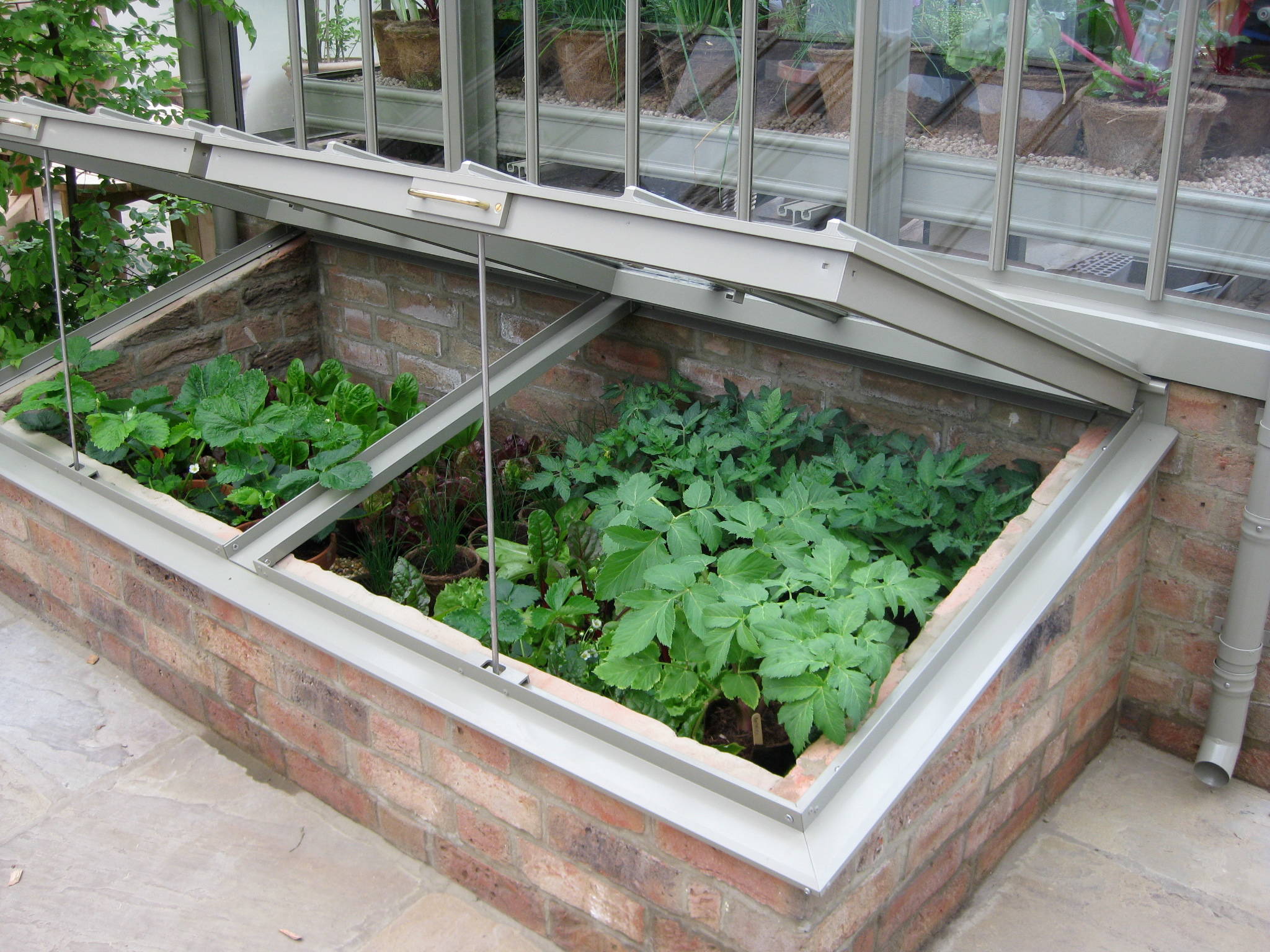
Credit: www.houzz.com
Seasonal Care And Maintenance
Cold frames need care all year to keep plants healthy and growing. Seasonal care and maintenance help you get the most from your cold frame. Each season requires different steps to protect plants and extend your growing time. Simple actions can improve plant growth and keep your frame in good shape.
Spring Adjustments
Open the cold frame on warm days to let air in. This prevents overheating and helps plants breathe. Remove any dead leaves and clean the frame’s glass for better sunlight. Check for pests and water plants as needed. Start planting early crops suited for cooler weather. Close the frame at night to keep frost away.
Fall Preparation
Clear out old plants and debris inside the cold frame. Add a layer of compost or mulch to enrich the soil. Repair any cracks or broken parts to keep cold air out. Plant hardy vegetables that grow well in cooler temperatures. Lower the frame’s lid to protect plants from frost. Keep watering, but reduce frequency as temperatures drop.
Winter Monitoring
Check your cold frame daily during freezing weather. Remove snow and ice from the top to let sunlight in. Open the lid briefly on sunny days to avoid mold and dampness. Use extra insulation like straw or bubble wrap around the frame if needed. Watch plants closely for signs of stress or damage. Keep soil moist but not wet to avoid root rot.
Troubleshooting Common Issues
Cold frames help extend your growing season, but they need care. Problems can arise, affecting plant health and frame durability. Spotting and fixing these issues quickly protects your plants. This section covers common troubles and easy solutions for your cold frame.
Pests And Diseases
Pests find cold frames inviting shelters. Aphids, slugs, and whiteflies may attack tender plants. Check plants regularly for tiny insects or damaged leaves. Remove pests by hand or use safe insecticidal soap. Keep the cold frame clean to reduce disease risks. Remove dead leaves and old plant material. Good airflow inside the frame lowers mold and fungus growth.
Overheating Problems
Cold frames trap heat, which is good on cold days. Too much heat on sunny days can harm plants. Open the lid or vents on warm days to cool the inside. Use shade cloth if sunlight is too strong. Monitor temperature daily with a thermometer. Avoid sudden temperature swings by adjusting ventilation gradually. This keeps plants healthy and growing well.
Structural Repairs
Cold frames face weather challenges like wind, rain, and sun. Check the frame for cracks, loose hinges, or broken glass panels. Fix small cracks with weatherproof tape or sealant to keep heat in. Tighten screws and replace rusty nails for stability. Replace broken glass or clear plastic panels to maintain sunlight entry. Regular checks extend the life of your cold frame.
Integrating Cold Frames With Other Methods
Integrating cold frames with other gardening methods boosts your growing season effectively. Each method adds unique benefits. Using them together creates a stronger, more flexible garden setup. This combination helps protect plants from cold and wind. It also keeps soil warmer for longer, allowing earlier planting and later harvests. Explore how cold frames work well with row covers, raised beds, and hoop houses.
Combining With Row Covers
Row covers add a light layer of protection over plants. They block frost and pests while letting sunlight and rain through. Place row covers inside or over cold frames for extra warmth. This double layer keeps plants cozy during cold nights. It also extends protection during early spring and late fall. The combination reduces heat loss and wind damage. It helps delicate seedlings grow strong and healthy.
Using Raised Beds
Raised beds improve soil drainage and warmth. They warm up faster in spring than ground soil. Position cold frames over raised beds to trap heat efficiently. This setup speeds up seed germination and plant growth. Raised beds also prevent soil compaction, helping roots breathe. The cold frame shields plants from cold air and frost. Together, they create an ideal microclimate for longer growing seasons.
Incorporating Hoop Houses
Hoop houses provide a larger, sheltered space for plants. They use plastic or fabric covers stretched over hoops. Place cold frames inside hoop houses for layered protection. This creates a warm, stable environment even in harsh weather. Hoop houses protect from wind and heavy rain. Cold frames add extra insulation on cold nights. This combo allows growing tender plants outdoors for months longer.
Cost-effective Cold Frame Ideas
Cold frames help gardeners extend the growing season without spending much. These simple structures protect plants from cold weather and frost. Building or upgrading cold frames can be affordable with the right ideas. Here are some cost-effective cold frame ideas to help you grow more crops longer.
Diy Options
Making your own cold frame saves money and lets you customize size and shape. Use wood scraps or old picture frames for the base. Cover the top with clear plastic or glass to let sunlight in. Hinges help to open and close the lid easily. Simple tools like a saw and hammer are enough to build one.
Recycled Materials
Recycling materials reduces cost and waste. Old windows work well as transparent lids for cold frames. Wooden pallets can form sturdy sides and bottoms. Use plastic bottles cut in half as mini greenhouses inside the frame. These materials are often free or very cheap. This method benefits both your wallet and the environment.
Budget-friendly Upgrades
Small upgrades improve cold frame efficiency without high costs. Adding weather stripping keeps cold air out. Paint the wooden parts with dark colors to absorb more heat. Use straw or leaves inside as insulation at night. Attach wheels to move the frame into sunlight easily. These tweaks extend your growing season even further.
Frequently Asked Questions
What Is The 70 30 Rule In Gardening?
The 70 30 rule in gardening means planting 70% reliable, core plants and 30% experimental or bold varieties for balance and diversity.
What Can I Grow In A Cold Frame Over Winter?
Grow hardy salad greens like winter lettuce, mizuna, and lamb’s lettuce in a cold frame over winter. They stay fresh and protected.
How Do You Extend Your Growing Season?
Extend your growing season by using cold frames, row covers, greenhouses, or hoop houses. These protect plants from frost and cold. Raised beds improve soil warmth and drainage. Choose hardy crops and plant early or late to maximize harvest time.
Regularly monitor and adjust coverings for best results.
What Is The 3-hour Gardening Rule?
The 3-hour gardening rule advises avoiding outdoor gardening during peak sun hours to prevent heat stress and sun damage for both gardeners and plants. Gardening early morning or late afternoon improves plant health and reduces risks like dehydration and sunburn.
What Are Cold Frames And How Do They Work?
Cold frames are simple outdoor boxes with transparent tops. They trap sunlight and warmth, protecting plants from cold weather. This creates a mini-greenhouse effect for growing plants longer.
Conclusion
Cold frames help gardeners grow fresh vegetables longer each year. They protect plants from frost and harsh winds. You can start seeds earlier and harvest later in fall. Using simple materials, anyone can build an effective cold frame. Regular care ensures plants stay healthy through colder months.
Enjoy fresh greens even when the weather turns cold. Cold frames offer a practical way to extend your growing season. Try adding one to your garden and see the difference. Gardening becomes more rewarding with longer harvest times. Keep experimenting and learning for better results each year.