
Choosing the best crops from a seed catalog can feel overwhelming. You open the pages and see countless options—heirlooms, hybrids, organic varieties, vegetables, flowers, and herbs.
How do you know which seeds will thrive in your garden and give you the best harvest? The secret lies in making smart choices that match your garden’s conditions, your goals, and your taste. This guide will help you cut through the confusion and pick the perfect seeds that suit your needs.
By the end, you’ll feel confident ordering from any seed catalog and ready to grow a garden you’ll love. Keep reading to discover simple tips that make selecting seeds easy and rewarding.
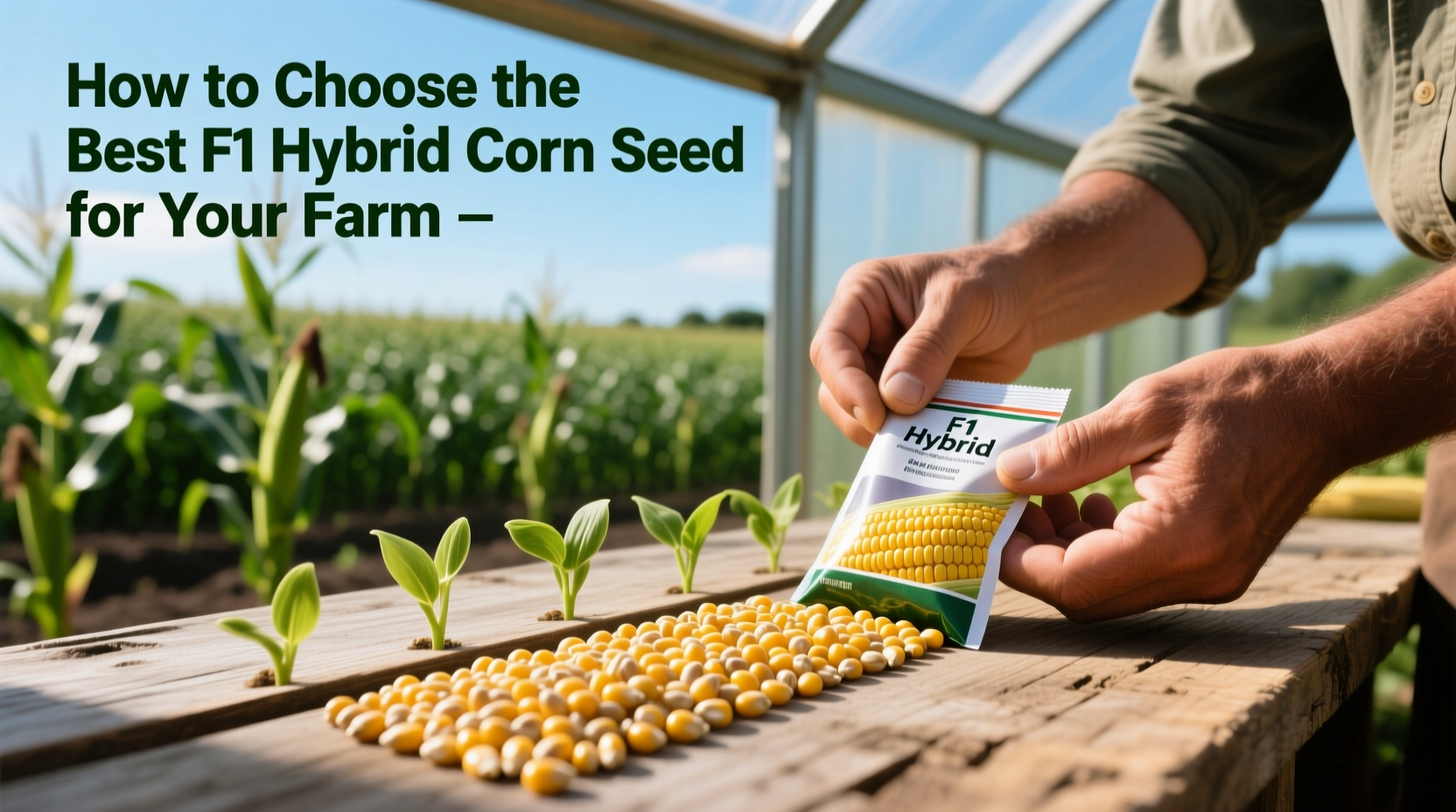
Credit: plantin.alibaba.com
Seed Catalog Types
Seed catalogs come in many types, each serving different gardener needs. Choosing the right catalog helps find seeds that match your garden style and goals. Some catalogs focus on rare and heirloom seeds. Others highlight organic and sustainable options. Many offer a wide selection of vegetables and herbs. Flower lovers will find catalogs with unique and colorful varieties.
Rare And Heirloom Seeds
Rare and heirloom seed catalogs preserve old garden varieties. These seeds often have unique flavors and shapes. They grow plants passed down through generations. Heirloom seeds are open-pollinated, meaning they produce true-to-type plants. Gardeners who want history and diversity enjoy these catalogs. They also support seed biodiversity and heritage.
Organic And Sustainable Options
Organic seed catalogs focus on seeds grown without synthetic chemicals. These seeds suit gardeners who want eco-friendly and healthy crops. Sustainable seed sources encourage soil health and natural pest control. Many catalogs certify their seeds as organic. Choosing these seeds helps protect the environment and promotes safe food.
Vegetables And Herbs
Vegetable and herb catalogs offer many popular garden staples. They include common crops like tomatoes, lettuce, and basil. These seeds suit gardeners who want fresh kitchen produce. Catalogs often list planting tips and harvest times. This helps gardeners plan a steady food supply. They usually provide seeds for various climates.
Flowers And Unique Varieties
Flower seed catalogs feature colorful and unusual plants. They include annuals, perennials, and wildflowers. Many catalogs showcase rare or exotic flowers. These seeds brighten gardens and attract pollinators. Unique varieties add charm and interest to any space. Flower catalogs inspire creativity and garden beauty.
Top Seed Catalogs
Choosing the right seed catalog can shape your garden’s success. The best catalogs offer a wide range of seeds. They include rare heirlooms, organic options, and common garden favorites. Each catalog has unique strengths. Knowing these helps you pick seeds that suit your garden and climate.
Baker Creek Heirloom Seeds
Baker Creek focuses on rare and unusual heirloom seeds. It offers a large selection of vegetables and flowers. Many seeds come from historic and global sources. Perfect for gardeners seeking unique plants with rich history.
Johnny’s Selected Seeds
Johnny’s offers high-quality seeds with excellent germination rates. Their catalog is great for both beginners and experienced growers. They provide detailed growing instructions and tools. Known for excellent customer service and reliable seed varieties.
Territorial Seed Company
Territorial Seed Company specializes in vegetables, herbs, and flowers. They focus on seeds suited for the Pacific Northwest but work well elsewhere too. Their catalog includes many open-pollinated and hybrid options. Ideal for gardeners wanting variety and quality.
Seed Savers Exchange
Seed Savers Exchange is a non-profit dedicated to preserving seed diversity. They offer many heirloom and open-pollinated seeds. Their catalog supports biodiversity and sustainable gardening. Great choice for those who value seed saving and heritage plants.
High Mowing Organic Seeds
High Mowing Organic Seeds provides 100% organic, non-GMO seeds. They focus on vegetables, herbs, and flowers for organic gardens. Their seeds are tested for purity and performance. A top pick for gardeners committed to organic growing practices.
Botanical Interests
Botanical Interests offers a wide range of seeds for flowers and vegetables. Their catalog features clear descriptions and easy planting tips. They focus on quality and garden-friendly varieties. Suitable for gardeners wanting straightforward choices and good results.
Pinetree Garden Seeds
Pinetree Garden Seeds is known for affordable seeds with reliable germination. They provide many vegetable, herb, and flower seeds. Their catalog includes many open-pollinated and heirloom types. A budget-friendly option for everyday gardening needs.
Breck’s And Richters
Breck’s specializes in flower bulbs and seeds, offering seasonal selections. Richters focuses on herbs, medicinal plants, and edible perennials. Both catalogs serve gardeners interested in specialty and perennial plants. Ideal for adding unique plants to your garden year-round.
Assessing Your Garden Goals
Assessing your garden goals helps you pick the best crops from a seed catalog. Knowing what you want from your garden guides seed choices. Goals might include growing food, attracting pollinators, or creating a colorful space. Clear goals make seed selection easier and more successful.
Choosing Based On Garden Type
Different gardens need different crops. Vegetable gardens require food plants like tomatoes and beans. Flower gardens focus on blooms for beauty or fragrance. Native plant gardens support local wildlife. Identify your garden type to narrow seed choices.
Selecting For Rare Or Common Varieties
Decide if you want common seeds or rare types. Common varieties are easy to grow and reliable. Rare seeds offer unique flavors, colors, or shapes. Growing rare crops can be exciting but needs more care. Choose seeds that match your experience and interest.
Organic Vs Conventional Seeds
Organic seeds come from plants grown without chemicals. Conventional seeds may use synthetic fertilizers or pesticides. Organic seeds support eco-friendly gardening and healthier soil. Conventional seeds often cost less and have more options. Pick seeds based on your gardening values and needs.
Flower Types And Uses
Flowers serve many purposes in a garden. Annuals bloom for one season and add quick color. Perennials return every year and need less care. Some flowers attract bees and butterflies. Others are perfect for cutting bouquets. Choose flowers that fit your garden’s function and style.
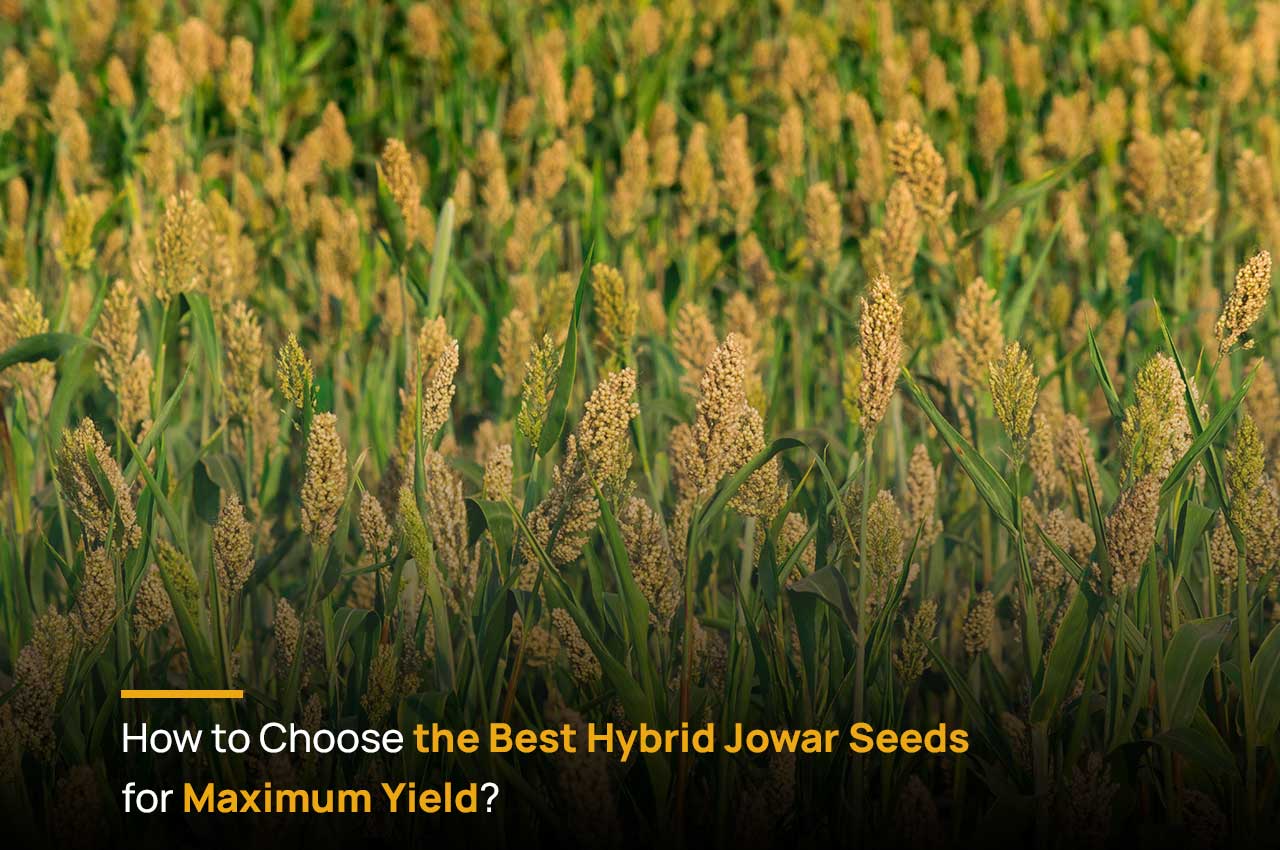
Credit: yashodaseeds.com
Seed Quality Factors
Choosing the best crops starts with understanding seed quality. Quality seeds grow healthy plants and better yields. Several factors define seed quality. These factors help you pick seeds that suit your garden and climate.
Good seed quality means reliable growth and strong plants. Paying attention to seed quality makes a big difference in your harvest success.
Genetic Purity And Certification
Genetic purity means seeds come from true-to-type plants. Certified seeds have passed tests to ensure purity and quality. Certification guarantees the seeds meet specific standards. Using certified seeds reduces risks of poor growth and diseases. It also ensures the plants will produce expected crops.
Physical Characteristics
Look for seeds that are clean and uniform in color. Healthy seeds are free from cracks, spots, or mold. Good physical traits suggest better germination rates. Avoid damaged or shriveled seeds as they may not grow well. Properly stored seeds keep their physical quality longer.
Seed Vigor And Health
Seed vigor means the seed’s ability to grow quickly and strongly. High vigor seeds germinate fast and resist stress better. Healthy seeds are free from pests and diseases. Strong seeds create robust plants that survive harsh conditions. Testing seed vigor helps predict successful growth.
Seed Size And Weight
Larger seeds often have more stored food, helping seedlings grow fast. Heavier seeds usually mean better quality and higher germination rates. However, size varies by crop type, so compare seeds of the same variety. Avoid very small or very light seeds to improve your chances of success.
Catalog Features To Watch
Choosing the best crops from a seed catalog requires attention to specific catalog features. These features help you pick seeds that fit your garden’s needs and your growing conditions. A good seed catalog provides clear, useful information and easy ordering options.
Cultural Information And Growing Tips
Look for catalogs that offer detailed cultural information. This includes planting depth, spacing, and soil type. Growing tips help you understand the best time to sow and harvest. Such details increase your chances of a successful crop.
Visual Appeal And Photography
High-quality photos make it easier to imagine the plants in your garden. Clear images show leaf shape, flower color, and fruit size. Good visuals help you choose varieties that match your style and taste.
Availability Of Free Catalogs
Many seed companies provide free catalogs by mail or online. Free catalogs let you explore options without cost. This also gives you time to compare different suppliers and varieties before buying.
Shipping And Customer Service
Check the shipping policies and delivery times. Reliable shipping ensures seeds arrive fresh and ready to plant. Good customer service helps if you have questions or issues with your order. A responsive team improves the buying experience.
Selecting Seeds For Crop Production
Selecting seeds for crop production is a vital step in successful gardening and farming. Choosing the right seeds sets the foundation for healthy plants and abundant harvests. The process involves more than just picking favorite vegetables. It requires understanding several key factors that affect plant growth and productivity. Below are essential points to consider when selecting seeds from a catalog.
Matching Seeds To Climate And Soil
Choose seeds suited to your local climate conditions. Some crops thrive in cool weather, others in heat. Soil type also matters. Sandy, clay, or loamy soils support different plants. Seed catalogs often note ideal climate zones and soil preferences. Match these details with your garden’s environment for best results.
Disease Resistance And Hardiness
Look for seeds labeled with disease resistance traits. Resistant varieties reduce the need for chemical treatments. Hardiness indicates how well plants tolerate stress like drought or frost. Selecting strong seeds helps plants survive tough seasons and pests. This saves time and increases crop success.
Yield Potential And Maturity
Consider the expected yield of each seed variety. Higher yield means more produce per plant or area. Also check the days to maturity, or how long plants take to grow. Shorter maturity suits shorter growing seasons. Choose varieties that match your harvest goals and time frame.
Pollination And Growth Habit
Understand pollination needs of crops. Some plants require cross-pollination from other varieties, while others self-pollinate. Growth habit matters too. Determinate plants grow to a set size, while indeterminate keep growing. Select seeds that fit your space and pollination options for better fruit set.
Decoding Labels And Awards
Seed catalogs often include many labels and awards that can guide your choice. Understanding these marks helps pick crops suited to your garden. These labels tell about the seed’s quality, origin, and growing traits. They also highlight special features like disease resistance or flavor. Decoding these signs makes your gardening more successful and enjoyable.
All-american Selections Winners
Seeds marked as All-American Selections (AAS) have passed strict tests. They perform well in many climates across the United States. These winners show strong growth, good taste, and high yield. Choosing AAS winners means you get proven, reliable crops. They often require less care and resist common problems.
Open-pollinated Vs Hybrid Seeds
Open-pollinated seeds come from natural pollination. They produce plants similar to the parent, keeping traits steady. These seeds can be saved and replanted year after year. Hybrid seeds result from crossing two different varieties. Hybrids offer benefits like higher yield or disease resistance. But saved seeds from hybrids may not grow true to type.
Organic Certification Labels
Organic labels show seeds grown without synthetic chemicals. They follow strict rules about pesticides and fertilizers. Buying organic seeds supports eco-friendly farming and healthy soil. These seeds are best for gardeners avoiding chemicals in their food. Look for trusted certifications like USDA Organic on the packet.
Heirloom Designations
Heirloom seeds come from plants passed down for decades or longer. They carry unique flavors, colors, and shapes not found in modern crops. These seeds help keep plant diversity alive. Heirlooms often suit home gardens and small farms. Choosing heirloom seeds means preserving history and enjoying special varieties.

Credit: www.youtube.com
Frequently Asked Questions
What Is The 70/30 Rule In Gardening?
The 70/30 rule in gardening means planting 70% edible crops and 30% ornamental plants. This balance supports beauty and productivity.
What Is The Best Seed Catalog To Order From?
The best seed catalogs include Baker Creek Heirloom Seeds for rare varieties, Johnny’s Selected Seeds for quality, and Territorial Seed Company for vegetables. Seed Savers Exchange preserves biodiversity, while High Mowing Organic Seeds offers organic options. Choose based on your garden goals and seed variety preferences.
How To Select The Best Seed For Crop Production?
Select seeds with high genetic purity, physical cleanliness, and traits matching your crop variety. Choose seeds with good size, shape, and color for better growth. Verify seed certification to ensure quality and disease resistance. Prioritize seeds adapted to your local climate and soil conditions for optimal crop production.
How To Select Good Quality Seeds?
Select seeds with high genetic purity and physical cleanliness. Choose seeds that match the variety’s size, shape, and color standards. Check for freshness and avoid damaged or discolored seeds. Purchase from reputable suppliers to ensure quality and germination rates.
Conclusion
Choosing the best crops from a seed catalog takes time and care. Focus on your climate, soil, and garden space first. Pick crops that grow well and fit your needs. Check seed descriptions for growth habits and harvest times. Don’t forget to include some favorites and try a few new varieties.
This way, your garden stays healthy and productive. Keep notes on what works for next season. Happy planting and enjoy the rewards of your thoughtful choices!