
Are you ready to transform your garden and give your climbing plants the perfect support they need? Building a wire trellis is a simple, affordable way to help your vines grow strong and beautiful.
Whether you want to create a stunning wall of greenery or keep your plants neat and tidy, this guide will walk you through every step. By the end, you’ll have all the tools and know-how to build a sturdy wire trellis that fits your space and style.
Let’s get started and make your garden thrive like never before!
Materials Needed
Building a wire trellis starts with gathering the right materials. Selecting quality supplies ensures your trellis will last and support your climbing plants well. Focus on strong wire and essential tools for easy installation and durability.
Choosing The Right Wire
Choose wire that is rust-resistant and sturdy. Galvanized steel wire is a popular choice because it resists weather damage. Avoid thin wire that may sag or break under plant weight. A wire gauge between 12 and 14 works best for most garden trellises. Consider coated wire for extra protection and a cleaner look.
Additional Supplies
You will need strong posts or stakes to anchor the wire. Wooden or metal posts work well depending on your garden style. Use heavy-duty staples, hooks, or clips to attach wire to posts securely. A wire cutter and pliers help with cutting and tightening the wire. Gloves protect your hands during installation. Finally, a measuring tape ensures accurate spacing and alignment for your trellis.
Planning Your Trellis
Planning your wire trellis carefully helps ensure strong support for climbing plants. A well-planned trellis fits your space and plant needs perfectly. Taking time to plan prevents future problems and makes installation easier.
Selecting The Location
Choose a spot with enough sunlight for your plants to thrive. Avoid areas with heavy wind or too much shade. Make sure the location has access to water for easy plant care. Pick a place where the trellis will not block walkways or views. Consider the plant’s growth direction and space needs.
Measuring And Marking
Measure the area where you will install the trellis. Use a tape measure to get accurate width and height. Mark the spots for the trellis posts or anchors with spray paint or chalk. Check that measurements are level and straight using a carpenter’s level. Proper measuring helps avoid mistakes and keeps the trellis sturdy.
Preparing The Site
Preparing the site is the first step to building a strong wire trellis. A well-prepared area gives your climbing plants the best support and space to grow. Take time to clear the ground and set firm support posts. This work creates a solid base for the trellis structure.
Clearing The Area
Remove all weeds, rocks, and debris from the spot. Clear the soil around the area where the trellis will go. This makes planting easier and prevents any obstacles from blocking plant growth. Make sure the ground is flat and even for better stability.
Check sunlight exposure at the site. Most climbing plants need plenty of sun to thrive. Choose a location that gets at least six hours of direct sunlight every day.
Setting Support Posts
Choose sturdy posts made of wood or metal. These will hold the wire tight and keep the trellis stable. Dig holes deep enough to hold the posts firmly—at least 2 feet deep.
Place the posts apart at the right distance, usually 4 to 6 feet depending on plant size. Use a level to make sure each post stands straight up. Fill the holes with soil or concrete to secure the posts well.
Installing The Wire
Installing the wire is a key step in building a strong wire trellis. It supports climbing plants and shapes their growth. Proper wire installation ensures durability and neat appearance. Follow simple steps to attach and arrange the wire correctly. This section guides you through the process with clear instructions.
Attaching Wire To Posts
Start by fastening the wire to the wooden or metal posts. Use strong staples or screws with eyelets for secure attachment. Stretch the wire tightly from one post to the next. Avoid loose wire that can sag or damage plants. Check wire tension by pulling firmly before securing fully. Repeat this for each horizontal wire line on your trellis.
Creating The Grid Pattern
Once the horizontal wires are in place, add vertical wires to form a grid. Space vertical wires evenly for balanced plant support. Attach each vertical wire to the posts and horizontal wires using wire clips or ties. Ensure the wires cross at right angles to create square or rectangular openings. This grid helps plants climb easily and stay well spaced. Tighten all connections for a stable framework.
Securing And Finishing Touches
Securing and finishing touches are crucial steps in building a strong wire trellis. These steps ensure your trellis stays firm and lasts through all seasons. Proper tension and protection of the wire help support climbing plants effectively. Follow these tips to complete your trellis with care and precision.
Tightening The Wire
Start by pulling the wire tight between the posts. Use a wire tensioner or pliers for better control. Tight wire prevents sagging and keeps plants supported. Check each wire line to make sure it is firm. Tighten slowly and evenly to avoid snapping the wire. Secure the ends by twisting the wire around the posts. This step creates a sturdy frame for your climbing plants.
Adding Protective Coatings
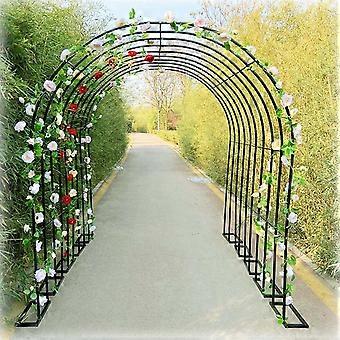
Protective coatings extend the life of your wire trellis. Apply a rust-resistant spray or paint designed for metal. This prevents corrosion caused by rain and moisture. Choose coatings safe for garden use to avoid harming plants. Let the coating dry fully before planting near the trellis. Regularly inspect the wire and reapply coatings as needed. This keeps your trellis looking good and working well for years.
Credit: www.fruugo.us
Training Climbing Plants
Training climbing plants on a wire trellis helps them grow strong and beautiful. Proper training guides the plant’s growth along the support. This improves air flow and sunlight exposure. It also keeps the plant neat and easier to care for. Regular attention is key to healthy, vibrant plants.
Guiding Growth
Start by gently tying young shoots to the wire. Use soft garden ties or twine to avoid damage. Direct the plant’s main stems along the wires. Encourage side shoots to spread out evenly. Check the growth weekly and adjust ties as needed. This prevents the plant from becoming tangled or heavy in one spot.
Pruning Tips
Prune climbing plants to control their size and shape. Remove dead or weak stems to boost growth. Cut back any shoots that grow away from the trellis. Trim excess growth to keep the plant tidy and focused. Pruning improves air circulation and reduces pests. Do this in early spring or after flowering for best results.
Maintenance And Longevity
Maintaining your wire trellis ensures it stays strong and supports plants well. Regular care helps prevent damage and extends the trellis’s life. This section covers simple steps to keep your wire trellis in good shape.
Checking Wire Tension
Wire tension is key for a sturdy trellis. Loose wires can sag and fail to hold plants properly. Check wires monthly for any slack or looseness. Tighten wires gently using pliers or a wire tensioner tool. Avoid over-tightening to prevent wire breakage. Proper tension keeps the trellis stable and attractive.
Repairing Damages
Damage can happen from weather or heavy plant growth. Look for broken wires, rust, or bent supports. Replace broken wires with new garden wire of similar thickness. Remove rust using a wire brush and apply rust-resistant paint if needed. Straighten bent parts carefully to avoid further damage. Timely repairs keep your trellis safe and functional for years.
Credit: www.fruugo.us
Cost And Benefits
Building a wire trellis for climbing plants offers a smart balance of cost and value. It saves money and gives you control over design and materials. This approach suits many garden styles and budgets. Understanding the cost and benefits helps you decide if this project fits your needs.
Budget-friendly Tips
Use recycled wire or old cables to cut expenses. Local hardware stores often sell wire by the foot. Choose durable but affordable materials like galvanized steel wire. Simple tools like pliers and a wire cutter keep costs low. Building the trellis yourself avoids labor fees. You can adjust size and shape without extra charges. Planning before buying reduces waste and overspending.
Advantages Over Store-bought Trellises
Custom wire trellises fit your garden space perfectly. Store-bought options often come in fixed sizes and styles. DIY trellises let you select strong, weather-resistant materials. Wire trellises are lighter and less bulky than wooden ones. You can repair or modify them easily as plants grow. Handmade trellises often last longer than cheap plastic models. This project adds a personal touch to your garden design.

Credit: www.amazon.de
Frequently Asked Questions
How To Put Up Wire For Climbing Plants?
Secure sturdy posts or wall anchors. Stretch strong, weather-resistant wire horizontally or vertically. Space wires 6-12 inches apart. Tighten wires firmly to support plant growth. Guide plants to climb the wire trellis for best results.
Is It Cheaper To Buy Or Build A Trellis?
Building a trellis is usually cheaper than buying one. DIY trellises use inexpensive or recycled materials, saving money.
How To Build A Trellis For Climbing Plants Easily?
Choose sturdy stakes or a frame. Attach strong garden wire in a grid pattern. Secure it tightly. Plant climbers near the base. Train plants to grow along the trellis for support and growth.
How Thick Should Trellis Wire Be?
Trellis wire should be between 12 and 14 gauge thick for strength and durability. This thickness supports climbing plants effectively. Choose galvanized or stainless steel wire to prevent rust and ensure long-lasting use.
Conclusion
Building a wire trellis for climbing plants is simple and rewarding. Use strong wire and secure posts for lasting support. This project saves money and adds charm to your garden. Watch your plants grow tall and healthy with proper care.
A well-made trellis creates a beautiful, green space you will enjoy all season. Start today and see the difference a wire trellis can make. Gardening becomes easier and more fun with this useful addition.