
When you walk through your garden on a warm summer morning, nothing compares to the sight of your pepper plants reaching toward the sun with vibrant green leaves and the promise of a spicy or sweet harvest. Whether you are growing bell peppers for your salads or habaneros for your favorite hot sauce, these plants are the pride of many home gardens. However, as an experienced grower, you likely know that this beauty can be fragile. Your peppers belong to the Solanaceae family, making them close cousins to tomatoes and eggplants, and this family connection means they often face a tough lineup of diseases and pests. Understanding the common diseases of pepper plant you may see at your garden is the first step in ensuring your hard work results in a bountiful harvest rather than a pile of compost.
Common Fungal Diseases of Pepper Plant
Fungal diseases are perhaps the most frequent visitors you will deal with in your garden. These organisms spread through the air, water, and soil, often waiting for the perfect weather to strike. Most fungi love high humidity and moderate temperatures, which is why you see them most often during rainy spells or late in the summer when the nights begin to cool.
1. Threat of Phytophthora Blight
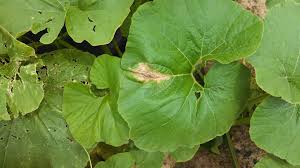
Among the most devastating fungal-like diseases you might encounter is Phytophthora blight, caused by Phytophthora capsici. You will know this disease is present if you see your plants suddenly wilting as if they need water, even though the soil is wet. If you look closely at the base of the stem near the soil line, you may see a dark green, water-soaked band that eventually turns brown or black. This band effectively girdles the plant, cutting off the flow of water and nutrients. Because this pathogen lives in the soil and moves through water, you can often see it spread down a row after a heavy rain or if you use furrow irrigation. To protect your garden, you should use straw mulch to prevent soil from splashing onto the leaves and always rotate your crops so you are not planting peppers in the same spot year after year.
2. Damping-Off in Young Seedlings
If you are starting your peppers from seed indoors or in a greenhouse, you must watch out for damping-off. This is caused by various fungi like Rhizoctonia and Pythium that thrive in cool, damp, and compacted soil. You will notice your tiny seedlings suddenly falling over and dying. The stem at the soil level will look thin and pinched, almost like a piece of thread. To prevent this, you need to make sure your seed-starting mix is sterilized and provides excellent drainage. You should also use a small fan to keep the air moving around your baby plants, as stagnant air is a major contributor to this disease.
3. Powdery Mildew and Anthracnose
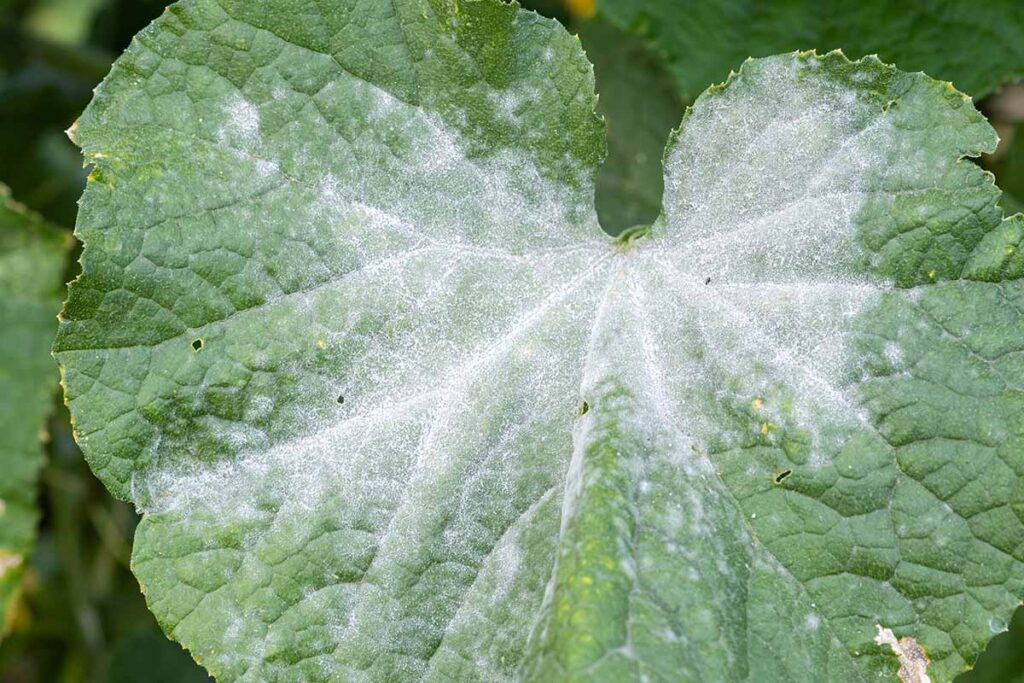
You might see a white, fuzzy growth on the underside of your pepper leaves, which is the classic sign of powdery mildew. While it looks like dust, it is actually a fungus that is stealing energy from your plant. Over time, the leaves will turn yellow and may fall off, leaving your peppers exposed to the harsh sun. Anthracnose is another fungal foe that focuses its attack on the fruit. You will see dark, sunken spots on your ripening peppers, which eventually lead to the whole fruit rotting on the vine. These spores live in the soil, so your best defense is to avoid overhead watering. When you splash water on the ground, you are essentially launching these spores onto your fruit.
4. Mosaic Viruses
Mosaic viruses, such as Tobacco Mosaic Virus (TMV) and Cucumber Mosaic Virus (CMV), are named for the mottled, mosaic-like pattern they create on the leaves. You might see patches of dark and light green, and the leaves may look wrinkled or distorted. Your peppers might grow to be small and bumpy, making them less than ideal for your kitchen. TMV is famously tough; it can even be carried on the hands of people who use tobacco. If you or your guests smoke, you should always wash your hands before touching your pepper plants to prevent spreading the virus. CMV is usually brought in by aphids, those tiny green bugs that love to suck the sap out of new growth.
Common Bacterial Infections of Pepper Plant
Bacteria are much smaller than fungi but can be just as deadly to your pepper garden. They often enter the plant through tiny wounds caused by insects, garden tools, or even the natural pores in the leaves. Once they are inside, they multiply rapidly, especially when the weather is warm and wet.
1. Bacterial Leaf Spot
Bacterial Leaf Spot is perhaps the most common bacterial disease you will see. It starts as small, yellowish-green spots on the leaves that eventually turn brown and develop a tattered look. If the infection is bad enough, your plants will drop their leaves, which stunts their growth and ruins your harvest. This disease is often carried on the seeds themselves, so you should always buy your seeds from a reputable company that tests for pathogens. If you see infected leaves, you must remove them immediately and throw them in the trash—never put diseased pepper plants in your compost pile, as the bacteria can survive and come back next year.
2. Bacterial Wilt
If you see a single branch of your pepper plant wilting while the rest looks fine, you might be dealing with bacterial wilt. This bacteria plugs up the vascular system of the plant, making it impossible for water to move from the roots to the leaves. Eventually, the entire plant will collapse and die. There is no cure for this once it starts, so your focus should be on prevention. You can do this by keeping your garden tools clean and avoiding any root damage when you are weeding. If you suspect bacterial wilt, you can cut a stem and place it in a glass of water; if you see a milky white stream coming out of the cut, you have confirmed the presence of the bacteria.
| Bacterial Disease | Primary Symptom | How It Spreads | Prevention Strategy |
|---|---|---|---|
| Bacterial Leaf Spot | Yellow/brown spots on leaves | Splashing water, wind, tools | Mulch at base, water at soil level. |
| Bacterial Soft Rot | Mushy, foul-smelling fruit | Insect wounds, heavy rain | Control pests, avoid fruit damage. |
| Bacterial Wilt | Sudden plant collapse | Root wounds, infected soil | Clean tools, crop rotation. |
Organic Way for Disease Recovery
If you do find a disease in your garden, you do not have to reach for harsh chemicals. There are many organic ways to help your peppers recover or to stop the spread of infection.
1. Homemade Remedies from Your Kitchen
You can make an effective antifungal spray using simple ingredients like baking soda. Mixing four teaspoons of baking soda into a gallon of water can help prevent fungal spores from reproducing on your leaves. Adding a few drops of dish soap helps the mixture stick to the foliage. Another great option is a garlic spray; garlic has natural fungicidal properties that can help protect your plants from various rots.
2. The Power of Biofungicides and Copper
In recent years, biofungicides have become a favorite for home gardeners. These products use beneficial bacteria, like Bacillus subtilis, to eat the harmful fungi that cause disease. They are very safe for you, your pets, and the environment. Copper-based sprays are another organic option that has been used for generations to manage bacterial leaf spot and various blights. However, you should use copper sparingly, as it can build up in the soil over time and affect the health of your plants.
| Organic Treatment | Ingredients / Product | Best For | How to Use |
|---|---|---|---|
| Baking Soda Spray | Baking soda, water, soap | Mildew, black spot | Spray leaves every 7–10 days. |
| Neem Oil | Concentrated neem | Aphids, mites, fungi | Apply in the evening to avoid sun burn. |
| Biofungicide | Bacillus species | Root rot, blights | Use as a preventative soil drench. |
| Copper Fungicide | Liquid copper | Bacterial leaf spot | Spray when first symptoms appear. |
Conclusion
Growing peppers is one of the most rewarding experiences you can have in your garden, but it does require your attention and care. By learning to recognize the common diseases of pepper plant you may see at your garden, you are taking the first step toward a successful harvest. Remember that your best tools are not sprays or chemicals, but your eyes and your hands. Walk through your garden every day, look under the leaves, and pay attention to how your plants are responding to the weather.
When you provide the right sun, the right water, and the right spacing, you are giving your peppers the best chance to fight off any challenges that come their way. And if you do face a disease, do not be discouraged. Every gardener deals with these issues, and each one is an opportunity for you to learn more about the fascinating world of plants. With patience and persistence, you will be enjoying those fresh, garden-grown peppers all season long.
Frequently Asked Questions
Why are my pepper leaves curling upward and looking leathery?
This is often a sign of Beet Curly Top Virus or a severe infestation of thrips or mites. If the plant is also stunted, it is likely a virus. If you see tiny bugs, it could be pest damage. Make sure you are not over-fertilizing with nitrogen, as that can also cause leaf distortion.
Can I save seeds from a pepper plant that was sick?
It depends on the disease. You should never save seeds from a plant that had a virus like TMV or a bacterial infection like Bacterial Leaf Spot, as these can live on the seeds and infect your garden next year. If the plant just had a minor fungal issue or a physiological problem like blossom end rot, the seeds are likely fine to save.
What should I do with my pepper plants at the end of the season?
You should always pull up your pepper plants at the end of the year and remove them from the garden. If they were healthy, you can compost them. If they showed any signs of disease, you should bag them and put them in the trash or burn them if your local laws allow it. Leaving diseased plant material in the garden allows pathogens to overwinter and attack again in the spring.
Is it okay to work in my garden while the plants are wet?
No, you should try to avoid this. When your pepper leaves are wet from dew or rain, bacteria and fungal spores move very easily. If you touch a sick plant and then a healthy one while they are wet, you are essentially acting as a transport system for the disease. It is best to wait until the sun has dried the leaves before you do any pruning or harvesting.
Why is my pepper plant turning yellow even though I fertilize it?
Yellowing is not always a sign of a nutrient shortage. Overwatering is one of the most common reasons pepper plants turn yellow; the roots “drown” and cannot absorb the nutrients that are already in the soil. Check the moisture levels in your soil before you add more fertilizer. If the soil is soggy, let it dry out, and your plants will likely turn green again.