
If you love fresh herbs but struggle to keep them thriving on your balcony, choosing the right planter can make all the difference. Lechuza self-watering planters are designed to keep your plants nourished with minimal effort, but not every model suits every herb.
You want a planter that fits your space, matches your style, and supports healthy growth without overwatering. In this guide, you’ll discover how to pick the perfect Lechuza self-watering planter that keeps your balcony herbs happy and your green thumb stress-free.
Keep reading to find out which features matter most and how to create a vibrant herb garden right outside your door.
Benefits Of Lechuza Planters
Lechuza self-watering planters offer many advantages for growing herbs on balconies. These planters help herbs stay healthy with less effort. They provide an ideal environment for plants by managing water well and reducing daily care needs.
Choosing the right planter improves your herb growth and saves water. Lechuza planters combine smart design with practical features that support plant health and convenience.
Water Efficiency
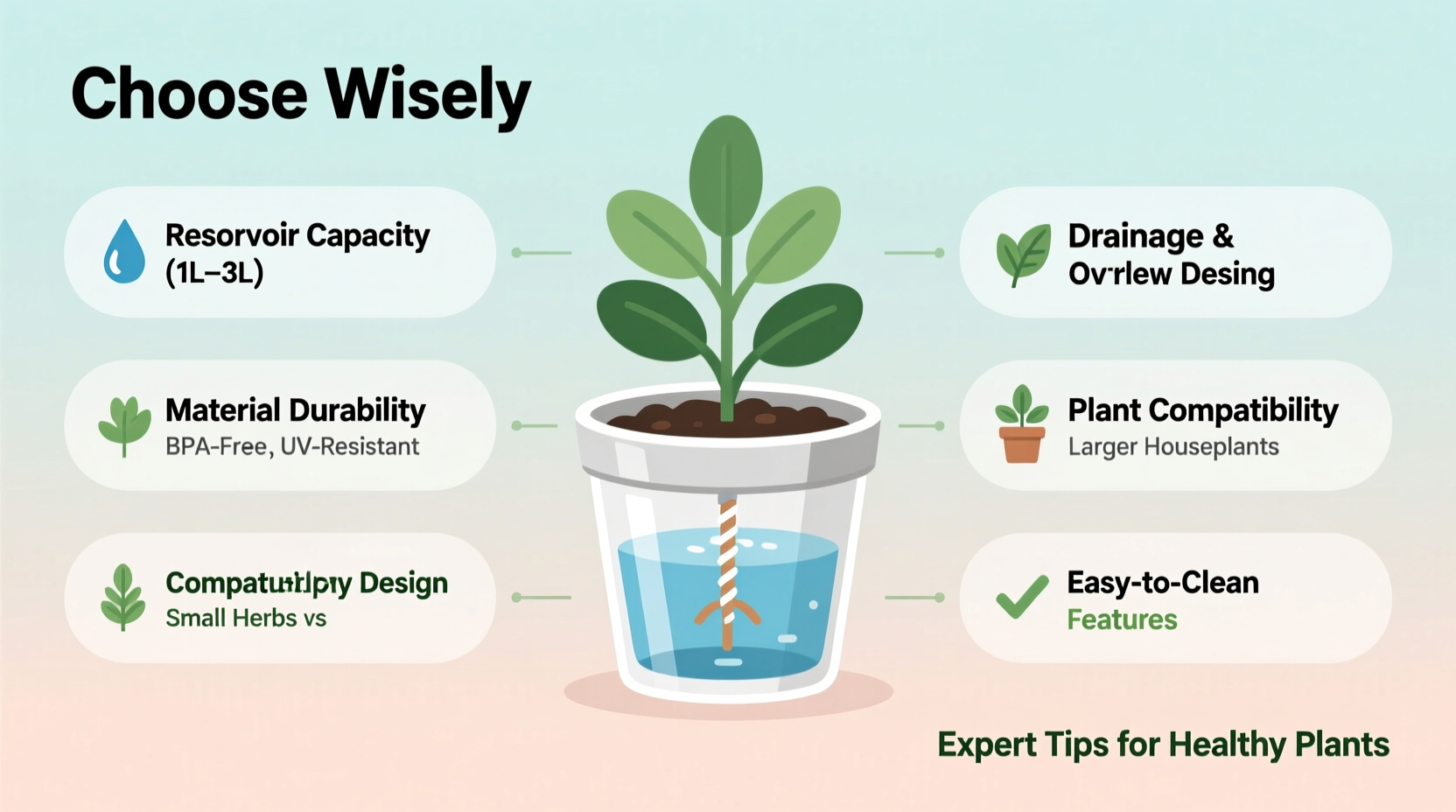
Lechuza planters use a built-in water reservoir. This system reduces water waste by delivering water only when plants need it. It prevents overwatering and runoff, saving water and keeping your balcony clean.
This efficiency is great for urban gardeners who want to use water wisely. It also means fewer trips to water your herbs.
Consistent Moisture
The self-watering feature keeps soil moisture steady. Herbs receive a constant supply of water from below the soil surface. This steady moisture helps herbs grow strong and healthy.
Consistent moisture avoids dry spells that stress plants. It also stops the soil from becoming too wet, which can cause root problems.
Low Maintenance
Lechuza planters require less daily care. The water reservoir reduces how often you must water your herbs. This makes them perfect for busy people or those new to gardening.
Less watering means fewer chances to forget or overwater your plants. The planters also come with features that make planting and cleaning simple.
Credit: plantin.alibaba.com
Balcony Herb Gardening Needs
Growing herbs on a balcony requires special care and planning. Herbs need the right space, sunlight, and water to thrive. Choosing the right planter helps meet these needs. Lechuza self-watering planters offer a smart way to keep herbs healthy with less effort. Understanding your balcony herb gardening needs makes picking the perfect planter easier.
Space Constraints
Balconies often have limited space. Small planters that fit well without crowding work best. Lechuza offers compact designs ideal for tight spots. Vertical or rectangular planters save floor space and hold more herbs. Choose sizes that match your available area and allow easy access.
Sunlight Exposure
Herbs need good sunlight to grow well. Most herbs require 4 to 6 hours of direct light daily. Check your balcony’s sun patterns before selecting a planter. Light-colored Lechuza planters reflect heat and protect roots. Place planters where herbs receive adequate sunlight throughout the day.
Herb Watering Preferences
Herbs have different water needs. Some like moist soil, others prefer it to dry between watering. Lechuza self-watering planters store water in a reservoir below. This system delivers water slowly to roots, reducing overwatering risks. It suits herbs needing consistent moisture but avoid for those that want dry soil.
Choosing The Right Size
Choosing the right size for your Lechuza self-watering planter helps your herbs grow healthy. Size affects root space, water supply, and planter fit on your balcony. Consider root depth, planter dimensions, and reservoir capacity carefully. These factors ensure your herbs thrive without stress or shortage.
Herb Root Depth
Herbs have different root depths. Shallow-rooted herbs like basil need less soil depth. Deep-rooted herbs like rosemary require more space for roots. Measure the root depth of your herbs. Select a planter that matches or exceeds this depth. This prevents root crowding and supports strong growth.
Planter Dimensions
Check planter length, width, and height before buying. Make sure it fits your balcony space comfortably. A wider planter allows planting multiple herbs together. Taller planters offer more soil volume for root expansion. Choose dimensions that suit your balcony size and herb variety.
Reservoir Capacity
The water reservoir stores water for your herbs to absorb. Larger reservoirs hold more water, reducing watering frequency. Small reservoirs need frequent refills and may dry out faster. Match reservoir size with your herb’s water needs. A good capacity keeps herbs hydrated longer and eases care.
Material And Design Options
Choosing the right material and design for your Lechuza self-watering planter affects both function and style. The planter should fit your balcony space and match your herbs’ needs. Materials influence weight and durability. Design impacts how your balcony looks and how easy the planter is to use.
Lechuza planters come in different materials and styles. These options help you find a perfect match for your balcony herbs. Understanding each choice makes picking easier.
Plastic Vs Stone Look
Plastic Lechuza planters are lightweight and easy to move. They resist weather and do not crack in cold. Plastic is affordable and comes in many shapes.
Stone-look planters mimic real stone but stay lighter. They add a natural feel to your balcony. Stone-look is sturdy and holds heat well. These planters may cost more but last longer.
Shape And Style
Lechuza offers round, square, and rectangular shapes. Rectangular planters fit well on narrow balconies or railings. Round planters suit corner spots or tables.
Styles range from modern to classic. Some have smooth surfaces, others feature textured finishes. Choose a style that matches your balcony’s vibe.
Color Choices
Colors vary from neutral shades like gray, beige, and white to bright tones such as red or green. Neutral colors blend with most balcony decors.
Bright colors create eye-catching spots for your herbs. Color choice can highlight your plants or match your outdoor furniture.
Self-watering System Features
The self-watering system in Lechuza planters makes growing balcony herbs simple and stress-free. It offers a smart way to keep plants hydrated without daily watering. This system stores water in a reservoir, providing a steady supply to the herbs. It helps prevent overwatering and underwatering, both common problems in container gardening.
Understanding the key features of this system helps you choose the perfect planter. Each feature affects how well your herbs will grow and how much care they need. Here are the important self-watering system features to consider.
Water Reservoir Function
The water reservoir holds extra water below the soil. It feeds water to the roots slowly through capillary action. This keeps the soil moist but not soaked. The reservoir size varies by planter model. Larger reservoirs mean less frequent refilling. This function ensures herbs get water when they need it most.
Top-up Frequency
The top-up frequency depends on the reservoir size and plant needs. Some Lechuza planters allow topping up once every two to four weeks. Herbs with shallow roots may need more frequent checks. The top-up indicator shows when water is low. This feature helps avoid guesswork and keeps herbs healthy.
Water Distribution Efficiency
Lechuza’s system spreads water evenly across the soil. It prevents dry spots and water pooling. This even distribution promotes strong root growth. The planter’s design supports healthy airflow and drainage. Efficient water use reduces waste and keeps balcony herbs thriving.
Herbs Suited For Self-watering Planters
Choosing the right herbs for your Lechuza self-watering planter is key to a thriving balcony garden. Some herbs love consistent moisture, while others prefer to dry out between waterings. Selecting herbs suited for self-watering planters helps avoid common problems like root rot or wilting.
Understanding which herbs thrive in this environment ensures healthy growth and flavorful harvests.
Moisture-loving Herbs
Herbs that enjoy steady moisture do well in self-watering planters. Mint is a great choice because it loves damp soil. Parsley also thrives with constant water availability. Chives benefit from the balanced moisture these planters provide. Cilantro prefers evenly moist soil, making it perfect for self-watering systems. These herbs grow stronger with less frequent watering needed.
Avoiding Mediterranean Varieties
Mediterranean herbs prefer dry soil and can suffer in self-watering planters. Rosemary needs well-drained soil and dry spells between watering. Thyme grows best in drier conditions and may rot in too much moisture. Oregano prefers less water and well-drained soil, so avoid constant dampness. These herbs flourish in traditional pots with good drainage rather than self-watering setups.
Plants To Avoid In Self-watering Pots
Choosing the right plants for Lechuza self-watering planters is important. Some plants do not do well in constant moisture. These plants may suffer from root rot or other problems in self-watering pots. Knowing which plants to avoid helps keep your balcony garden healthy and thriving.
Cacti And Succulents
Cacti and succulents prefer dry soil and infrequent watering. Self-watering planters keep the soil moist all the time. This constant moisture can cause roots to rot quickly. These plants thrive better in pots with good drainage and dry periods between waterings.
Orchids And Hoyas
Orchids and hoyas need well-drained soil and air circulation around their roots. Self-watering planters hold water in the soil for too long. This can lead to fungal infections and root damage. These plants do best in special orchid pots or hanging baskets.
Mediterranean Herbs
Mediterranean herbs like rosemary, thyme, and oregano prefer dry soil. They do not like sitting in water or overly wet conditions. Using a self-watering planter can cause these herbs to suffer from root rot. Plant them in regular pots with good drainage instead.

Credit: www.amazon.com
Preventing Overwatering Issues
Overwatering is a common problem when growing herbs on balconies. Lechuza self-watering planters help by supplying just the right amount of water. Still, some care is needed to avoid waterlogging and root damage. This section explains how to prevent overwatering issues effectively.
Allowing Soil To Dry
Herbs need air around their roots to grow well. Let the soil dry slightly between waterings. Lechuza planters make this easier by controlling water from the reservoir. Check the soil surface; if it feels damp, wait before adding water. This practice stops roots from sitting in too much moisture.
Monitoring Root Health
Healthy roots are firm and white. Check roots by gently removing the plant from the planter once in a while. Dark or mushy roots show overwatering damage. Use this sign to adjust watering times. Lechuza planters allow easy access to roots without harming the plant.
Proper Reservoir Management
Fill the water reservoir only to the recommended level. Overfilling can cause excess moisture and harm roots. Use the water level indicator on your Lechuza planter to help manage this. Refill the reservoir only when it is low. Proper reservoir care keeps your balcony herbs healthy and thriving.
Popular Lechuza Planter Models
Lechuza offers a variety of self-watering planters ideal for balcony herbs. Each model suits different styles and spaces. Choosing the right one helps your herbs thrive with minimal care. Popular Lechuza planters combine smart design with practical watering systems. They are perfect for small outdoor areas like balconies.
Balconera Series
The Balconera series features rectangular planters designed for balconies. These planters have a built-in water reservoir that keeps soil moist for weeks. Their slim shape fits perfectly on balcony rails or narrow ledges. They come in several sizes and colors to match your style. Balconera planters also have a sturdy construction for outdoor use.
Cubico Planters
Cubico planters are square-shaped and great for compact spaces. They provide a deep reservoir for longer watering intervals. Their modern design adds a clean look to your balcony garden. Cubico planters are lightweight but durable, making them easy to move. These planters are perfect for a variety of herbs and small plants.
Clasico Round Pots
Clasico round pots bring a classic touch to balcony gardening. They feature a rounded shape that fits well in cozy corners. These pots include a self-watering system to reduce frequent watering. Clasico pots come in different sizes, suitable for various herb types. Their elegant design works well with both modern and traditional decor.
Placement Tips For Balcony
Choosing the right spot on your balcony is key for healthy herb growth. Herbs need the right balance of sunlight, protection from harsh wind, and easy access for watering. Proper placement helps your Lechuza self-watering planter work efficiently.
Maximizing Sunlight
Most herbs need at least six hours of sunlight daily. Place your planter where it receives morning sun. Avoid spots with too much afternoon heat. Gentle, bright light helps herbs grow strong and flavorful.
Wind Protection
Strong wind can dry out herbs and damage leaves. Position your planter near a wall or railing that blocks wind. Use a windscreen or balcony screen for extra protection. Calm air keeps herbs healthy and prevents stress.
Accessibility For Watering
Lechuza planters have a water reservoir but still need refilling. Keep the planter within easy reach. Choose a spot where you can check water levels often. Convenience ensures your herbs get the right care every day.
Credit: plantin.alibaba.com
Frequently Asked Questions
Do Self-watering Planters Work For Herbs?
Self-watering planters keep soil consistently moist, which can harm herbs that prefer drying between waterings. Choose regular pots for herbs.
How Often Should I Water Plants In Lechuza Pon?
Water plants in Lechuza Pon about once a month by topping up the reservoir. Let the soil dry before refilling.
What Plants Do Not Like Self-watering Pots?
Cacti, succulents, orchids, hoyas, and Mediterranean herbs dislike self-watering pots. They need dry soil between watering to prevent root rot.
What Kind Of Planter Is Best For Herbs?
The best planters for herbs are well-draining pots with adequate airflow. Avoid self-watering planters, as herbs prefer soil to dry between waterings. Choose containers with drainage holes and use quality potting mix to prevent root rot and promote healthy growth.
What Makes Lechuza Planters Ideal For Balcony Herbs?
Lechuza planters have a built-in water reservoir that keeps soil moist. This system reduces watering frequency and helps herbs grow healthy. Their compact design fits perfectly on balconies.
Conclusion
Choosing the right Lechuza self-watering planter helps your balcony herbs thrive. These planters save time and keep soil moist without overwatering. Consider the size, style, and water reservoir capacity for best results. Herbs need some drying time between waterings, so pick a planter that suits their needs.
A well-chosen planter creates a healthy, easy-care herb garden. Enjoy fresh herbs at your fingertips all season long. Simple care and smart choices bring great rewards.