
If you’re growing zucchini or summer squash, you know how quickly the harvest can pile up. It’s easy to get overwhelmed with all that fresh produce before it spoils.
But what if you could keep your zucchini fresh and tasty for months? Preserving your zucchini not only saves your hard work but also lets you enjoy the flavors of summer all year round. You’ll discover the best, simple methods to preserve zucchini—whether you want to freeze, can, dry, or pickle it.
Ready to turn your zucchini surplus into delicious meals anytime? Let’s dive in and make sure none of your garden’s bounty goes to waste!

Credit: www.homesteadinginohio.com
Freezing Zucchini
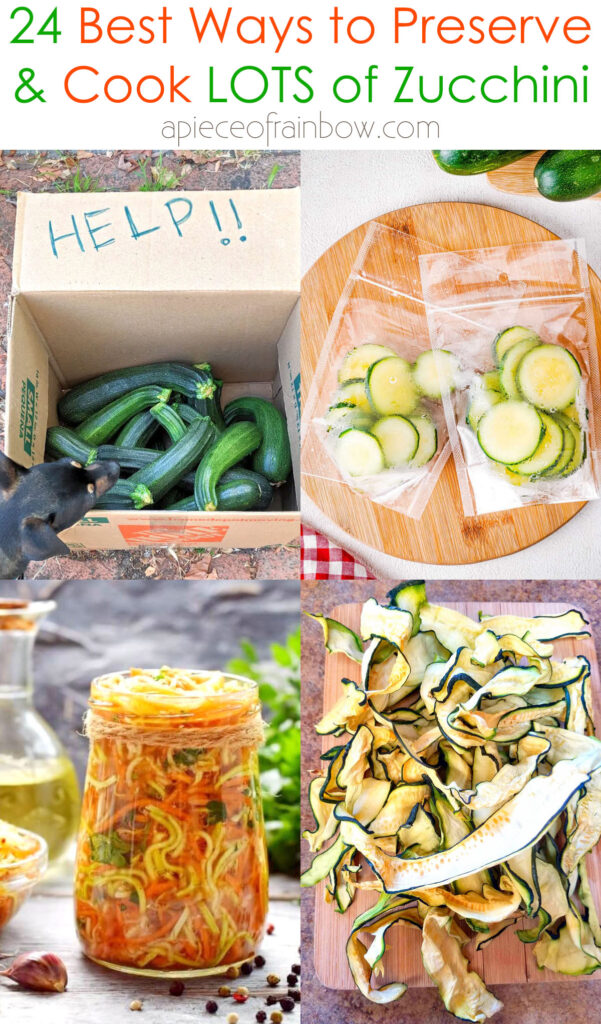
Freezing zucchini is a simple way to keep summer squash fresh for months. It helps retain flavor and nutrients. Proper freezing methods prevent mushy texture and color changes. This section explains how to freeze zucchini effectively for best results.
Blanching Before Freezing
Blanching stops enzymes that cause spoilage. Boil zucchini slices or cubes for 1-2 minutes. Then, immediately cool in ice water. Drain well to remove excess moisture. This step keeps zucchini firm and bright. It also improves freezer storage quality.
Freezing Shredded Zucchini
Shredded zucchini freezes well for baking and cooking. First, blanch the shredded squash for 1 minute. Drain and squeeze out extra water using a clean cloth. Place in freezer bags or containers. Flatten bags to save space and freeze quickly. Label with date for easy use.
Using Frozen Zucchini In Recipes
Frozen zucchini works best in cooked dishes. Add it to soups, stews, casseroles, or baked goods. Thaw in the fridge or cook directly from frozen. Avoid using frozen zucchini in salads or raw dishes. Texture softens after freezing, perfect for warm recipes.
Canning Zucchini
Canning zucchini is a smart way to keep this summer squash fresh for months. It locks in flavor and nutrients, making zucchini available even in winter. Canning also helps reduce waste when zucchini harvests are large. This method requires proper preparation and equipment to ensure safe and tasty results.
Pressure Canning Method
Pressure canning is the safest way to preserve zucchini. This method uses high heat and pressure to kill bacteria and spores. Start by washing and cutting zucchini into pieces. Pack the pieces into sterilized jars, leaving some headspace. Add boiling water or pickling liquid, then seal the jars with lids. Place jars in a pressure canner, follow the recommended pressure and time for your altitude. After processing, let jars cool naturally before storing.
Water Bath Canning
Water bath canning is less common for zucchini because it is low in acid. However, you can water bath can zucchini if you pickle it first. Pickling adds vinegar, which preserves the squash safely. Prepare a pickling solution with vinegar, water, and salt. Pack zucchini into jars and pour hot pickling liquid over it. Seal jars and place them in a boiling water bath for the recommended time. Remove jars and cool before storing.
Safety Tips For Canning
Always use fresh, firm zucchini for canning. Avoid overfilling jars to prevent spoilage. Use new lids to ensure a proper seal. Sterilize jars and equipment before use. Follow tested recipes and processing times exactly. Check jars for proper seals after cooling. Store canned zucchini in a cool, dark place. Discard any jars with broken seals or signs of spoilage.
Dehydrating Zucchini
Dehydrating zucchini is a smart way to store this summer squash for months. It removes moisture, making the zucchini light and shelf-stable. Dried zucchini keeps its flavor and nutrients well. You can use dehydrated zucchini in soups, stews, or snacks. This method saves freezer space and avoids spoilage. The process is simple and affordable with a food dehydrator or an oven.
Preparing Zucchini For Drying
Start by washing zucchini under cold water. Cut off both ends and slice into even pieces. For best results, slice zucchini about 1/4 inch thick. Thinner slices dry faster and more evenly. Blanch the slices in boiling water for 2 minutes. This step stops enzyme activity and preserves color. Drain and pat dry with a clean towel. Arrange slices in a single layer on dehydrator trays. Avoid overlapping to ensure proper airflow.
Dehydrating Zucchini Rounds
Set the dehydrator temperature to 125°F (52°C). Dry zucchini rounds for 6 to 12 hours. Drying time varies by thickness and humidity. Check slices every few hours for dryness. Properly dried zucchini feels crisp or leathery without moisture. Store dried rounds in airtight containers or vacuum bags. Keep them in a cool, dark place for best shelf life. Label containers with the date for easy tracking.
Making Zucchini Zoodles
Use a spiralizer to create zucchini zoodles. Spread zoodles on dehydrator trays in a thin layer. Dry zoodles at 125°F (52°C) for 4 to 8 hours. Stir occasionally to ensure even drying. Dried zoodles become crunchy and lightweight. Rehydrate by soaking in warm water or sauce before cooking. Dried zucchini zoodles add texture to meals and keep well stored.
Pickling Summer Squash
Pickling summer squash offers a fresh and tangy way to preserve zucchini. This method locks in flavors and extends the vegetable’s shelf life. Pickled zucchini can enhance salads, sandwiches, and snacks. It also adds a crunchy texture and vibrant taste. There are easy and traditional pickling methods to explore. Plus, flavor variations allow for creative twists on this classic preservation technique.
Quick Pickling Technique
The quick pickling technique is fast and simple. Slice the zucchini thinly for even flavor absorption. Prepare a brine with vinegar, water, salt, and sugar. Heat the brine until sugar and salt dissolve. Pour the hot brine over the zucchini slices in a clean jar. Let the jar cool before sealing and refrigerating. The pickles will be ready to eat in a few hours. They usually last up to two weeks in the fridge.
Traditional Pickling Process
The traditional pickling process takes more time but offers deeper flavors. Start by washing and slicing the summer squash. Prepare a vinegar-based brine with spices like dill, garlic, and mustard seeds. Pack the zucchini tightly into sterilized jars. Pour the hot brine over the squash, leaving some headspace. Seal the jars with lids and process them in a boiling water bath for 10 to 15 minutes. Store in a cool, dark place for several weeks. This method allows the flavors to develop fully and preserves the squash for months.
Flavor Variations
Flavor variations make pickled summer squash exciting. Add spices like cinnamon sticks, cloves, or coriander seeds. Experiment with fresh herbs such as basil, thyme, or rosemary. For a spicy kick, include chili flakes or sliced jalapeños. Sweeten the brine with honey or maple syrup instead of sugar. You can also mix in sliced onions or carrots for extra crunch and color. These variations let you customize pickled zucchini to suit any taste.
Cold Storage Options
Cold storage is one of the simplest ways to keep zucchini fresh for short periods. This method slows down the natural decay process. It helps maintain the squash’s texture and flavor. Proper cold storage can extend zucchini’s shelf life by several days or weeks. Below are two effective cold storage options for zucchini.
Storing In Refrigerator
Refrigeration is the easiest and most common way to store zucchini. Place the squash in a plastic or paper bag with some holes for air circulation. Store it in the vegetable drawer. Avoid washing zucchini before storing to prevent moisture buildup. Keep the temperature between 40°F and 45°F (4°C to 7°C). This method keeps zucchini fresh for up to one week.
Root Cellar Storage Tips
A root cellar offers a cool and humid environment ideal for zucchini storage. Store the squash on shelves or in shallow boxes. Avoid stacking too many zucchinis together to allow airflow. Keep the temperature around 50°F (10°C) with high humidity. Check regularly for soft spots or mold. With proper care, zucchini can last up to two weeks in a root cellar.
Credit: www.apieceofrainbow.com
Creative Uses For Excess Zucchini
Excess zucchini offers many tasty possibilities beyond simple cooking. Using extra zucchini creatively helps reduce waste. It also adds variety to meals. These ideas make the most of your harvest. Try baking, fresh dishes, or flavorful spreads. Each method brings out zucchini’s mild, fresh taste.
Zucchini Breads And Muffins
Baking zucchini into breads and muffins is popular. Grated zucchini adds moisture and nutrition. It keeps baked goods soft and tender. Sweet or savory versions suit different tastes. Add nuts, chocolate chips, or spices for flavor. These treats store well and freeze easily. Perfect for snacks or breakfast on busy days.
Zucchini In Salads And Stir-fries
Raw zucchini slices or ribbons brighten salads. They add crunch and a mild flavor. Mix with fresh herbs and vinaigrette for a light dish. Stir-frying zucchini keeps it crisp-tender and colorful. Combine with peppers, onions, or mushrooms. A quick, healthy side for any meal. Perfect for using fresh zucchini fast and simple.
Making Zucchini Sauces And Spreads
Pureed zucchini works well in sauces and spreads. Blend with garlic, lemon, or herbs for zest. Use as a dip, sandwich spread, or pasta sauce base. Zucchini’s mild taste absorbs flavors beautifully. It’s a great way to add vegetables to meals. These spreads store well in the fridge for days.
Credit: www.growforagecookferment.com
Frequently Asked Questions
How Do You Preserve Summer Squash And Zucchini?
Preserve summer squash and zucchini by blanching and freezing, dehydrating into chips, pickling, or pressure canning for long-term storage.
What To Do With Overabundance Of Zucchini?
Use excess zucchini in recipes like noodles, stir-fries, or baked goods. Preserve by freezing, drying, or canning. Share extras with friends or neighbors.
How To Preserve Zucchini Long Term?
Preserve zucchini long term by blanching and freezing, dehydrating slices or zoodles, pickling, or pressure canning for best freshness and flavor.
Is It Better To Freeze Zucchini, Cooked Or Uncooked?
Freezing zucchini works best after blanching to preserve texture and color. Cooked zucchini freezes well but may become softer. Uncooked zucchini can freeze but risks becoming mushy. For optimal quality, blanch before freezing.
What Is The Best Way To Preserve Zucchini Long Term?
Freezing and dehydrating are top methods for long-term zucchini storage. Freezing keeps it fresh, while dehydrating reduces space and weight.
Conclusion
Preserving zucchini helps enjoy its fresh taste all year. Freezing, canning, drying, and pickling work well. Blanching before freezing keeps texture and color. Drying zucchini saves space and adds crunch. Pickling gives a tangy twist to your squash. Choose the method that fits your needs best.
Try different ways to find your favorite. Store zucchini properly to keep it fresh longer. Enjoy your summer squash anytime with these simple tips.