
Are you looking to brighten up your garden in a way that’s both beautiful and energy-efficient? Solar lights are a fantastic choice, but using them effectively takes more than just sticking them in the ground.
If your garden lighting feels uneven, too harsh, or just plain dull, you’re not alone. Many people make simple mistakes like poor placement, overlighting, or ignoring maintenance, which can ruin the mood and waste power. You’ll discover easy tips and smart tricks to position your solar lights perfectly, create a welcoming atmosphere, and highlight your garden’s best features—all while saving energy and effort.
Choosing Solar Lights
Choosing the right solar lights is key to creating a beautiful garden at night. It is important to select lights that fit your garden’s style and needs. Consider the types, brightness, color, and durability before buying. Proper choice ensures your garden stays well-lit and inviting after dark.
Types Of Solar Lights
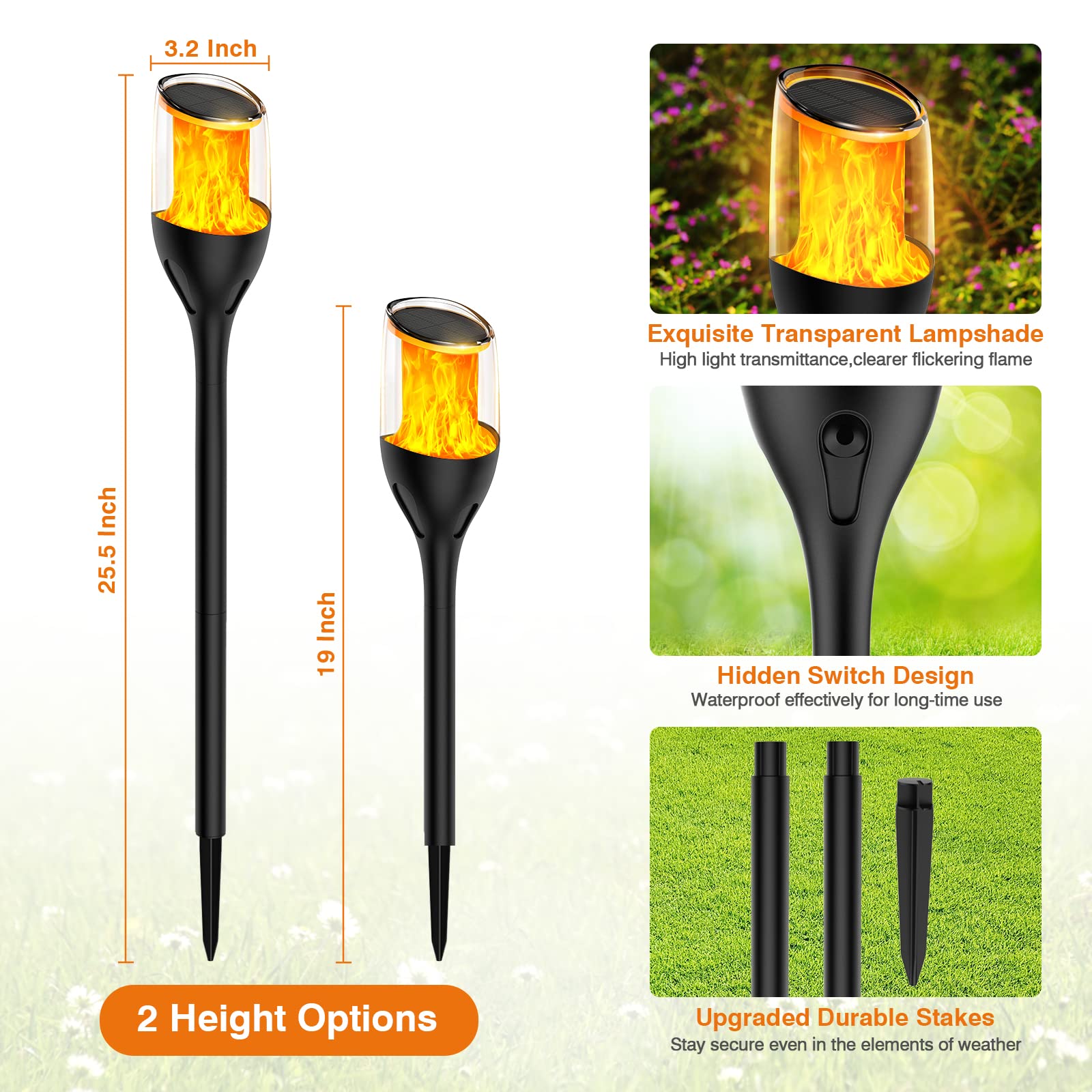
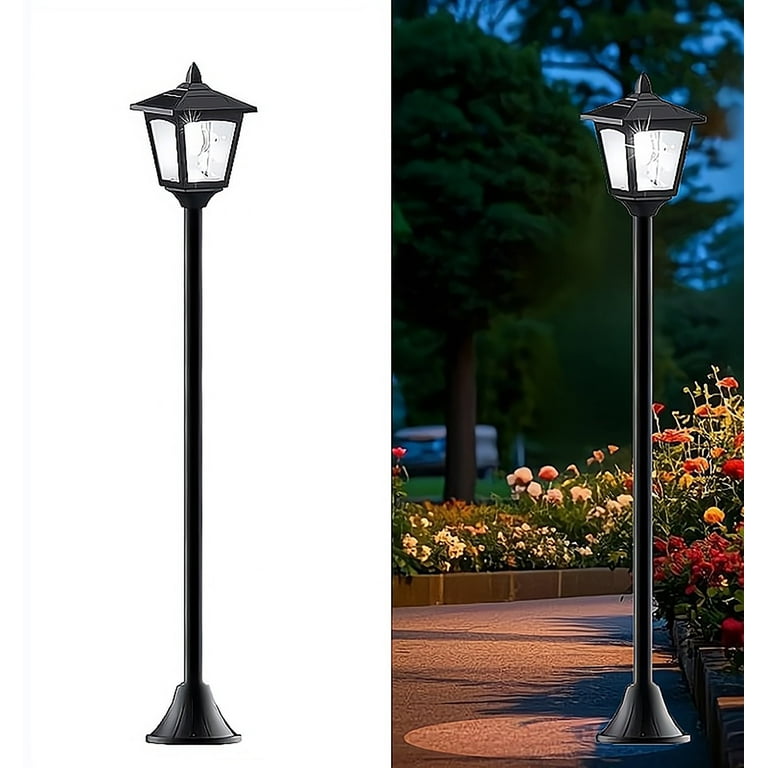
Solar lights come in many styles. Path lights guide walkways and add soft light. Spotlights highlight trees or garden features. String lights create a cozy atmosphere. Stake lights are easy to place anywhere. Choose types that match your garden layout and purpose.
Brightness And Color Options
Brightness varies by light model. Some provide gentle glow, others shine bright. Pick brightness based on area size and use. Color options include warm white, cool white, and multicolor. Warm tones offer a natural look. Color choice affects garden mood and visibility.
Durability And Weather Resistance
Outdoor lights face rain, wind, and sun. Durable materials last longer and need less upkeep. Look for weatherproof ratings like IP44 or higher. Rust-resistant metals and tough plastics work best. Durable lights keep your garden glowing through all seasons.
Credit: www.mcsweeneyarms.ie
Planning Your Garden Lighting
Planning your garden lighting sets the foundation for a beautiful outdoor space. Thoughtful lighting design makes your garden safe and inviting. It highlights plants, paths, and features after dark. Solar lights offer a simple, eco-friendly way to brighten your garden. Careful planning helps you place them where they shine best. It also balances the light for a natural feel. Use these steps to plan your garden lighting effectively.
Mapping Key Areas
Start by walking through your garden at night. Notice which areas need light for safety and beauty. Mark paths, entrances, and steps to avoid trips. Identify features to highlight, like trees or sculptures. Group these spots on a simple map. This helps you visualize light placement. It also prevents over- or under-lighting. Mapping saves time and ensures good coverage.
Selecting Light Styles
Choose solar lights that match your garden’s style. Use warm white bulbs for a soft, cozy look. Pick fixtures that blend with your plants and decor. Stake lights work well for paths and borders. Spotlights highlight trees or walls. String lights add charm to seating areas. Consistent styles create a neat, balanced appearance. Avoid mixing too many designs, which can look messy.
Balancing Light Layers
Combine different types of lighting for depth and interest. Ambient lights provide general glow and safety. Accent lights focus on special plants or features. Task lights illuminate work areas like patios or grills. Layering these lights creates a natural and inviting mood. Avoid placing all lights at the same height or brightness. Spread them out for a soft, even effect. This approach improves both function and beauty.
Placement Tips
Proper placement of solar lights makes a big difference in garden lighting. Choosing the right spot helps the lights work well and look attractive. Careful placement improves brightness, safety, and the garden’s overall mood. Follow these simple tips to place your solar lights effectively.
Maximizing Sun Exposure
Place solar lights where they get full sun during the day. Avoid shaded areas near trees or buildings. More sunlight means longer and brighter light at night. Check the sunlight path to find the best spots. Keep solar panels clean to absorb the sun better.
Avoiding Glare And Shadows
Position lights to prevent harsh glare in eyes. Angle them away from walkways or seating areas. Place lights to reduce strong shadows that hide garden features. Use multiple smaller lights instead of one bright light. Soft, even light creates a more welcoming space.
Securing Fixtures Properly
Fix solar lights firmly into the ground or mounts. Loose fixtures can tilt and lose sunlight. Use stakes or screws for stability in windy areas. Check fixtures regularly to keep them steady. Proper securing keeps lights working and looking good longer.
Avoiding Common Mistakes
Using solar lights in your garden brings charm and safety after dark. Avoiding common mistakes improves their effect and lifespan. Small errors can spoil your garden’s look or waste energy. Focus on proper lighting balance, fixture placement, and style harmony. These tips help you get the best from your solar lights.
Overlighting And Underlighting
Too many lights make your garden look harsh and artificial. Bright glare can disturb your eyes and neighbors. On the other hand, too few lights leave dark spots. Dark areas create safety risks and hide garden features. Find a good balance by spacing lights evenly. Use dimmer settings if available. Aim for soft, inviting illumination that highlights paths and plants.
Poor Fixture Positioning
Lights placed in the wrong spot lose their purpose. Position solar panels where sunlight is strongest during the day. Avoid shade from trees or buildings. Fixtures too high cause glare and discomfort. Too low means weak or wasted light. Angle lights to highlight trees, statues, or walkways. Secure them firmly to avoid shifting or falling. Proper placement enhances beauty and safety.
Inconsistent Styles And Colors
Mixing many styles creates a cluttered and confusing look. Choose fixtures that match your garden’s theme and colors. Stick to one or two light colors for a calm effect. Warm white is cozy and natural. Cold white can feel harsh and sterile. Consistent styles and colors make your garden feel welcoming. Keep design simple and unified for best results.
Maintaining Solar Lights
Maintaining solar lights ensures they work well and last longer. Simple care keeps your garden bright and inviting every night. Regular checks prevent common problems and improve light performance. Follow easy steps for cleaning, battery care, and seasonal changes to get the best results.
Cleaning Solar Panels
Solar panels need clear surfaces to catch sunlight. Dirt, dust, and leaves block the sun and reduce power. Clean panels with a soft cloth and mild soap. Avoid harsh chemicals that can damage the surface. Wipe gently to keep the panel smooth and shiny. Clean panels weekly during dry seasons for best light output.
Battery Replacement
Solar lights use rechargeable batteries that wear out over time. Old batteries hold less charge and dim the lights. Check batteries every 6 to 12 months. Remove the battery and replace it with the same type. Use quality rechargeable batteries for longer life. Proper battery care keeps your solar lights shining bright.
Seasonal Adjustments
Sunlight hours and weather change with seasons. Adjust solar lights to capture maximum sun. Move lights to sunnier spots in winter. Trim plants or branches that shade the panels. Store lights indoors during harsh weather or snow. Seasonal care helps maintain brightness and extends light life.
Using Technology Features
Using technology features in solar garden lights enhances their efficiency and convenience. Modern solar lights come with smart options that save energy and improve usability. These features allow better control over lighting schedules, brightness, and response to movement.
Integrating technology helps create a more functional and attractive garden space. It also reduces manual effort and extends the lights’ lifespan by optimizing power use.
Timers And Dimmers
Timers let you set specific hours for the lights to turn on and off automatically. This saves energy by avoiding unnecessary lighting during daylight or late night hours. Dimmers adjust brightness levels, creating soft or bright lighting depending on the mood or need. Both tools help manage power efficiently and extend battery life.
Motion Sensors
Motion sensors activate lights only when movement is detected nearby. This feature enhances security and conserves energy by lighting up paths or entrances as needed. It also discourages unwanted visitors by surprising them with sudden light. Motion sensors make solar lights smart and responsive to your garden’s activity.
Smart Controls
Smart controls connect solar lights to apps or home systems for remote management. You can switch lights on or off, adjust brightness, and set schedules from your phone. This technology provides convenience and flexibility without needing to access each light physically. Smart controls improve the overall experience of using solar garden lights.
Creative Lighting Ideas
Creative lighting ideas bring charm and warmth to any garden. Solar lights offer flexible options to enhance your outdoor space. They highlight textures, shapes, and colors after dark. Thoughtful placement turns a simple garden into a magical retreat.
Explore unique ways to use solar lights. Each idea adds depth and interest. Choose the right style and positioning for the best effect.
Uplighting Trees And Plants
Place solar spotlights at the base of trees or tall plants. The light shines upward, revealing the structure and leaves. This technique creates dramatic shadows and highlights natural beauty. Use warm white bulbs for a cozy feel. Uplighting also adds height and dimension to your garden at night.
Pathway Illumination
Line your walkways with solar stake lights. These provide safe guidance without harsh glare. Evenly space the lights to avoid dark patches. Choose soft, diffused light to create a welcoming path. Solar pathway lights make your garden inviting and functional after sunset.
Highlighting Garden Features
Focus solar lights on statues, fountains, or garden art. This draws attention to special elements. Angle the lights to avoid direct glare on viewers. Use adjustable solar fixtures for flexible positioning. Highlighting features adds personality and style to your outdoor space.
Credit: www.walmart.com
Frequently Asked Questions
Place solar lights where panels receive direct sunlight daily. Secure stakes firmly in the ground or attach to fences. Position lights to highlight paths, plants, or features. Clean panels regularly for optimal charging. Use varied light types to create balanced, attractive garden illumination.
Common outdoor lighting mistakes include over or under-lighting, poor fixture placement causing glare or dark spots, mixing inconsistent styles, neglecting maintenance, and ignoring smart controls like dimmers or timers. These errors create unsafe, unbalanced, and visually unappealing outdoor spaces.
Solar garden lights should stay off during the day to recharge. They turn on automatically at night, conserving energy and prolonging battery life.
Solar lights depend on sunlight, limiting brightness on cloudy days or shaded areas. Battery life may decrease over time. Initial costs can be higher than traditional lights. Some models offer shorter illumination durations and less durability in extreme weather.
Conclusion
Solar lights brighten your garden while saving energy and money. Place them where sunlight hits directly for best charging. Use a mix of lights to create depth and interest. Avoid placing lights too high or too low for balanced glow.
Regularly clean panels and check batteries for steady performance. Choose quality fixtures and LED bulbs for longer use. Smart controls like timers help manage lighting easily. With simple care and good placement, solar lights enhance your garden’s beauty every night.
Enjoy a safe, inviting outdoor space with eco-friendly lighting.