
Your garden pathway is more than just a route through your yard—it’s a chance to create a natural, inviting space that reflects your style and connects your outdoor areas beautifully. If you want to enhance your garden without harsh materials or complicated designs, decorating your pathway naturally is the perfect way to bring life and charm to your landscape.
In this guide, you’ll discover simple, effective ideas to transform your garden path using natural materials, plants, and thoughtful touches that make every step a pleasure. Ready to turn your walkway into a stunning, organic feature? Let’s explore how you can make your garden pathway a natural masterpiece.
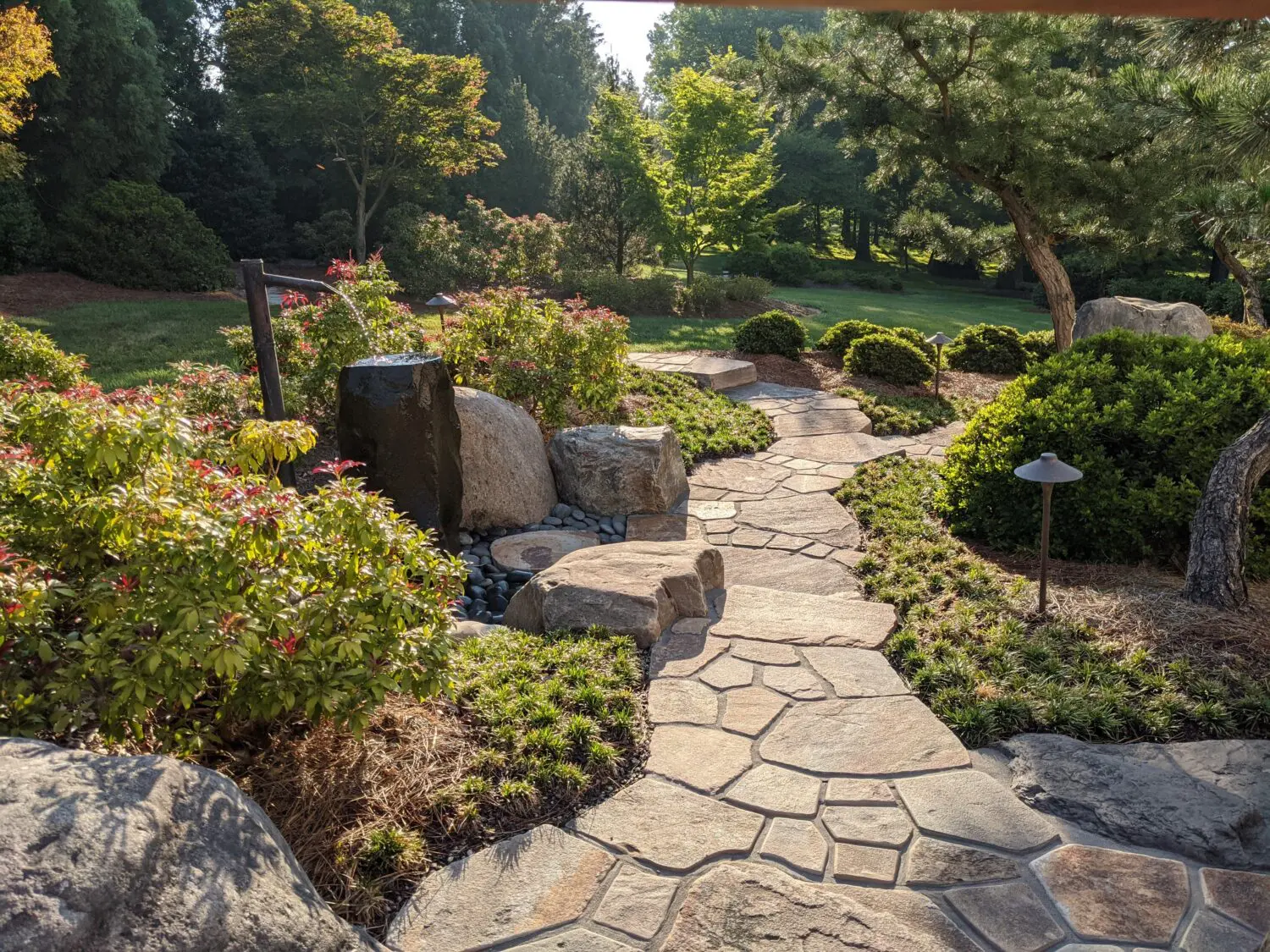
Credit: www.hanselmanlandscape.com
Natural Materials For Paths
Natural materials bring a warm and earthy feel to garden pathways. They blend well with plants and the outdoor environment. Choosing the right material can enhance the look and feel of your garden path. Natural options also support good drainage and reduce environmental impact.
Wood Chips And Bark
Wood chips and bark create soft, natural paths. They are easy to lay down and maintain. These materials help keep soil moist and reduce weeds. Paths made from wood chips feel warm underfoot. They also break down over time, enriching the soil.
Pebbles And Gravel
Pebbles and gravel offer a simple, classic look. They come in many colors and sizes. These materials provide good drainage and are cost-effective. Walking on gravel gives a gentle crunch sound. Pebbles add texture and natural charm to any garden.
Flagstone And Fieldstone
Flagstone and fieldstone create sturdy, rustic pathways. Their irregular shapes give a natural, organic look. These stones are durable and weather well. Paths made of stone blend perfectly with garden plants. They provide a solid surface that stays cool in summer.
Brick And Pavers
Brick and pavers add a classic, structured feel to paths. They come in many shapes and colors. These materials are long-lasting and easy to clean. Brick paths can be arranged in patterns for visual interest. Pavers offer a neat, tidy look that suits many garden styles.
Pathway Shapes And Patterns
Choosing the right shapes and patterns for your garden pathway sets the tone for your outdoor space. Shapes guide visitors through the garden, while patterns add texture and charm. Natural designs blend beautifully with plants, stones, and greenery. Explore different styles that fit your garden’s mood and layout.
Curved And Winding Designs
Curved pathways create a soft, natural flow through the garden. These winding paths mimic nature’s gentle shapes. They invite exploration and make small gardens feel larger. Use natural materials like stone, gravel, or bark to enhance the organic look. Curves soften hard edges and add a peaceful vibe to your garden.
Geometric And Mosaic Patterns
Geometric pathways use shapes like squares, triangles, and circles. These patterns add structure and modern appeal. Mosaic designs mix colors and materials to form artistic patterns. Pebbles, tiles, and stones can create vibrant, eye-catching walkways. These styles work well in formal gardens or areas needing visual interest.
Herringbone And Basketweave Styles
Herringbone and basketweave patterns bring classic charm to garden paths. Herringbone features bricks or stones laid in a zigzag pattern. Basketweave resembles woven fabric with pairs of pavers. These styles add texture and strength to your pathway. They fit both traditional and contemporary garden themes.
Oversized And Linear Pavers
Oversized pavers make bold statements with large slabs of stone or concrete. Linear layouts use long, straight lines for a clean, modern look. These styles create easy walking surfaces and strong visual paths. Pair oversized pavers with gravel or grass joints for a natural feel. Linear paths suit minimalist and urban garden designs.
Planting Along The Path
Planting along a garden pathway transforms simple walkways into lively, inviting spaces. The right plants create natural borders and guide visitors with charm. Choose plants that suit your garden’s climate and soil for best results. Consider colors, heights, and textures to make the path appealing all year round.
Low-growing Flowers And Herbs
Low-growing flowers and herbs add color close to the ground. They keep the path edges soft and natural. Lavender, thyme, and creeping phlox work well. These plants also release pleasant scents as you walk by. They need little space and often attract pollinators like bees and butterflies.
Ornamental Grasses
Ornamental grasses bring movement and texture to garden paths. Their tall blades sway gently in the breeze. Festuca and blue oat grass fit smaller paths nicely. Grasses add a wild, natural look without overwhelming the space. They require minimal care and stay attractive through seasons.
Shrubs And Groundcovers
Shrubs add structure and height beside walkways. Choose small, slow-growing types to avoid crowding the path. Boxwoods and dwarf hollies create neat borders. Groundcovers like creeping Jenny or ajuga fill gaps and prevent weeds. Both help keep the path tidy and inviting.
Fragrant And Textured Plants
Plants with scent and texture make walking along the path a sensory delight. Rosemary and scented geraniums offer lovely smells. Lamb’s ear and dusty miller add soft, velvety leaves for touch. These plants make the pathway feel cozy and interesting every step of the way.
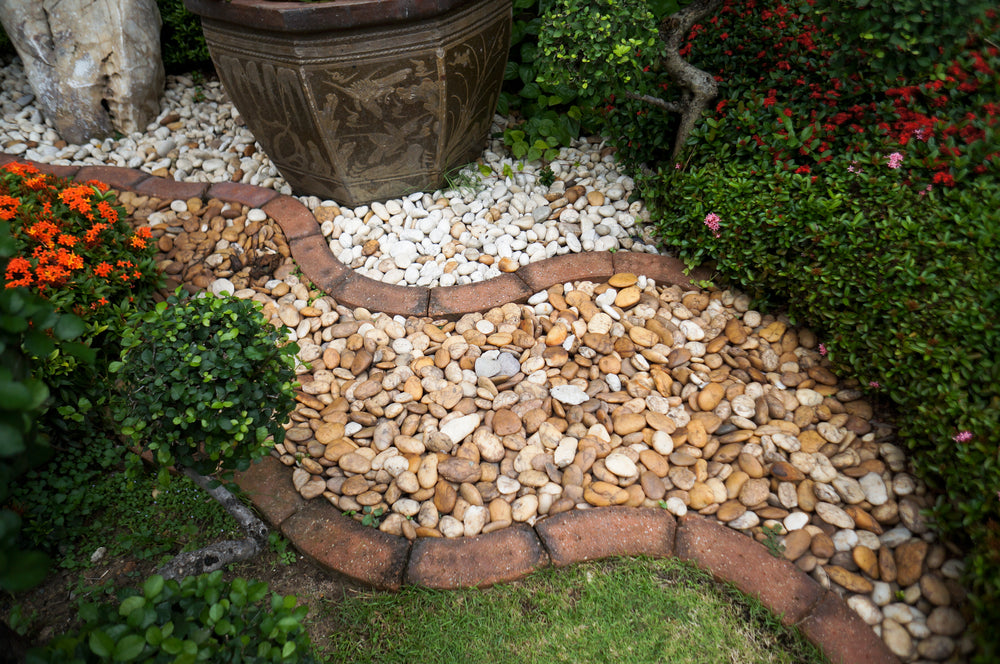
Credit: worldofstonesusa.com
Path Edging Ideas
Path edging defines a garden pathway’s shape and adds charm. It keeps stones or mulch in place and stops grass from growing over the path. Choosing natural edging helps the garden feel calm and connected to the landscape. Below are simple ideas to create beautiful, natural borders along your garden path.
Natural Stone Borders
Natural stones give a timeless look to any garden path. Use river rocks or flat stones to line the edges. Place stones close together for a solid border or spread them for a loose, rustic feel. Stones blend well with plants and soil, making the path look like part of the earth. They require little maintenance and last for years.
Metal And Wood Edging
Metal and wood create clean, natural lines around pathways. Thin metal strips can curve easily to follow the path shape. Wood, like cedar or reclaimed planks, adds warmth and texture. Both materials help keep mulch and gravel in place. Choose untreated wood for a natural weathered look. These edges can age gracefully outdoors.
Contrasting Pavers
Using contrasting pavers highlights the path edges with color and shape. Pick stones or bricks that differ from the main walkway surface. Dark or light pavers create a clear border that guides the eye. Patterns like small squares or rectangles add interest. This edging style adds structure without looking harsh or artificial.
Living Edges With Plants
Plants soften the path edges and bring life to the garden. Low-growing ground covers like creeping thyme or moss work well. Small shrubs or herbs also create natural borders. Choose plants that tolerate foot traffic or occasional trimming. Living edges change with the seasons, adding color and texture naturally. They invite wildlife and improve garden health.
Lighting For Ambiance
Lighting plays a key role in setting the mood along your garden pathway. It creates a warm, inviting atmosphere that makes evening strolls enjoyable. Soft, natural lighting enhances the beauty of plants and stones without overpowering the space. Choosing the right lighting options helps blend safety with style, turning your pathway into a charming outdoor retreat.
Solar Path Lights
Solar path lights offer an eco-friendly way to brighten your garden. They charge during the day and glow softly at night. Easy to install, they require no wiring or electricity. Their gentle light highlights the edges of your pathway. Solar lights come in many designs that suit natural garden styles. They add subtle illumination that guides your steps safely.
Lanterns And String Lights
Lanterns bring a rustic charm and can be placed along the path or hung from nearby branches. They use candles or LED bulbs for a flickering, cozy glow. String lights draped overhead or along fences create a magical canopy of light. Both options add warmth and personality to your pathway. They work well for special evenings or everyday ambiance.
Subtle Ground Lighting
Ground lighting uses small fixtures set into the earth or pathway borders. These lights shine upward to reveal textures of stones and plants. They produce soft pools of light without glare. This style keeps the focus low and natural. It helps define the path while preserving a calm, quiet mood. Ground lighting blends seamlessly with natural materials.
Safety And Aesthetic Balance
Good garden lighting balances safety with beauty. Lights should clearly mark the path to prevent trips and falls. Avoid harsh brightness that spoils the natural look. Use dimmers or warm bulbs for gentle illumination. Space lights evenly for consistent coverage. This careful approach keeps your garden safe and visually pleasing at night.
Maintenance Tips for Garden Pathway
Maintaining a natural garden pathway keeps it beautiful and safe. Regular care prevents damage and enhances the overall look. Follow simple steps to keep your pathway inviting all year.
Weed Control Strategies
Remove weeds promptly to stop them from spreading. Use natural weed barriers like landscape fabric under stones or gravel. Hand-pull weeds regularly to avoid chemicals. Mulching around plants helps block weed growth and retains soil moisture.
Pathway Cleaning
Sweep your pathway often to clear dirt and leaves. Use a gentle hose spray to wash away stubborn debris. Avoid harsh cleaners that can harm plants nearby. Check for moss or algae, especially in shaded areas, and scrub gently to prevent slipping.
Lawn And Plant Care
Trim grass edges along the pathway to keep it neat. Water plants according to their needs to maintain healthy growth. Prune overhanging branches to keep the path clear. Add compost to soil near plants to boost nutrition naturally.
Seasonal Upkeep
Inspect your pathway each season for damage or wear. Replace or reposition stones that have shifted after heavy rain or frost. Clear fallen leaves in autumn to prevent decay and slipping. Prepare plants for winter by mulching and protecting roots from cold.
Creative Additions for Garden Pathway
Creative additions bring charm and personality to a garden pathway. They turn simple paths into eye-catching features. These elements blend naturally with greenery and stones. Each creative touch offers texture, color, and interest. They invite visitors to explore and enjoy the garden more.
Artistic Pebble Mosaics
Pebble mosaics create beautiful patterns on pathway surfaces. Use different colors and sizes for unique designs. Arrange pebbles to form shapes like flowers or waves. These mosaics add a personal artistic touch. They are also durable and easy to maintain. A pebble mosaic can become a focal point in your garden.
Decorative Stones And Sculptures
Decorative stones bring natural beauty and structure to paths. Choose stones with interesting shapes and colors. Place small sculptures among plants to add surprise and charm. Sculptures can be animals, abstract shapes, or garden-themed objects. These items enrich the path’s story and feel. They create a peaceful, inspiring walk through the garden.
Stepping Stones And Features
Stepping stones break the path into inviting segments. Select stones with rough or smooth textures for variety. Arrange them with small gaps for grass or moss to grow. This natural look softens the path edges. Add features like carved stones or wooden slabs for more character. Stepping stones guide visitors gently through the garden’s beauty.
Incorporating Water Elements
Water adds calmness and freshness near garden paths. Small fountains or birdbaths create soothing sounds. Place shallow water basins beside stones for reflection and life. Water-loving plants near the path enhance the effect. These features attract birds and insects, helping the garden thrive. Water elements make the garden path feel alive and peaceful.
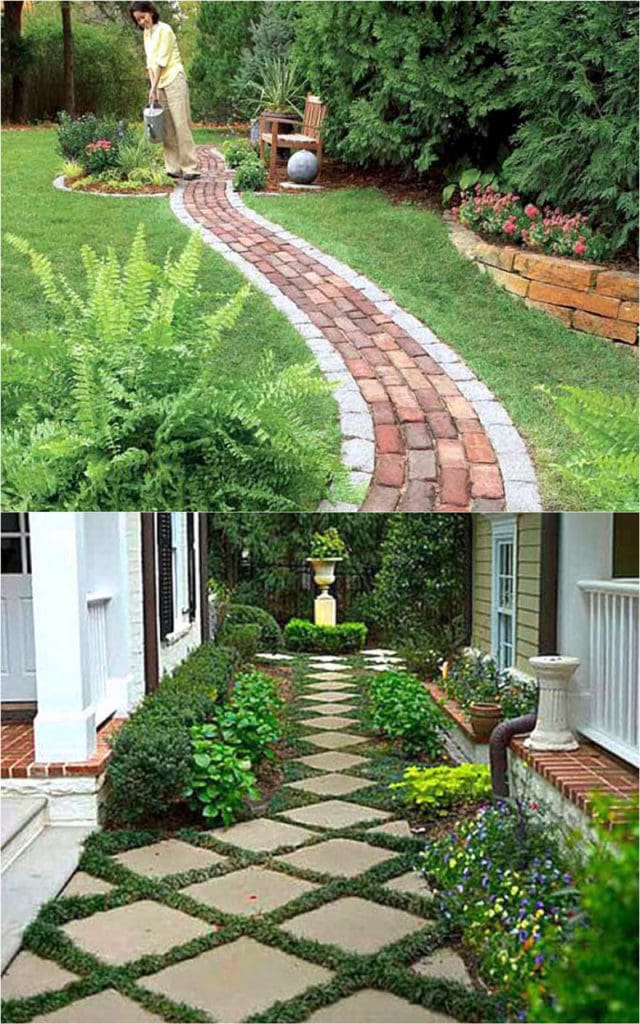
Credit: signaturecasinoparties.com
Frequently Asked Questions
How To Make A Walkway Look Nice?
Enhance your walkway by adding mixed materials like stone or brick with bold patterns. Incorporate soft lighting, edging, and low plants for texture and appeal. Maintain your lawn and choose natural stones or pavers to create an inviting, stylish path.
What To Put On Garden Paths?
Use natural materials like wood chips, pea gravel, crushed granite, brick, flagstone, or fieldstone. Add edging, solar lighting, and low plants for charm and safety.
What Are The Trending Walkway Designs?
Trending walkway designs include mixed materials, bold patterns like herringbone, oversized pavers, organic curves, and mosaic pebble art. Popular materials are concrete, brick, flagstone, and gravel. Adding solar lighting, plantings, and edging enhances aesthetics and functionality.
How To Design A Garden Pathway?
Design a garden pathway by choosing durable materials like stone or gravel. Create gentle curves for natural flow. Add edging to define borders. Incorporate low plants for softness. Finish with solar lighting to enhance safety and ambiance. Keep the design simple, functional, and visually appealing.
Conclusion
Creating a natural garden pathway adds charm to any outdoor space. Use simple materials like stones, wood chips, or gravel for a rustic feel. Adding plants or shrubs along the edges enhances beauty and softness. Curved paths invite exploration and blend with nature’s flow.
Keep the path well-maintained to ensure lasting appeal. A naturally decorated garden path welcomes you and your guests warmly. Enjoy the peaceful walk it creates every day.