
Are you ready to grow your own stunning wisteria from seeds? Germinating wisteria seeds might seem tricky at first, but with the right steps, you can watch those tiny seeds transform into beautiful, flowering vines.
Imagine your garden filled with cascading purple blooms that everyone admires. This guide will walk you through simple, proven methods to get your wisteria seeds sprouting quickly and healthily. Follow along, and you’ll soon enjoy the satisfaction of nurturing your very own wisteria plants from scratch!
Credit: www.gardeningknowhow.com
Seed Selection for Germinating Wisteria Seeds
Choosing the right seeds is the first step to growing healthy wisteria plants. Seed selection impacts germination success and future growth. Focus on picking strong seeds from good pods. Avoid damaged or weak seeds to increase your chances of success.
Choosing Healthy Pods
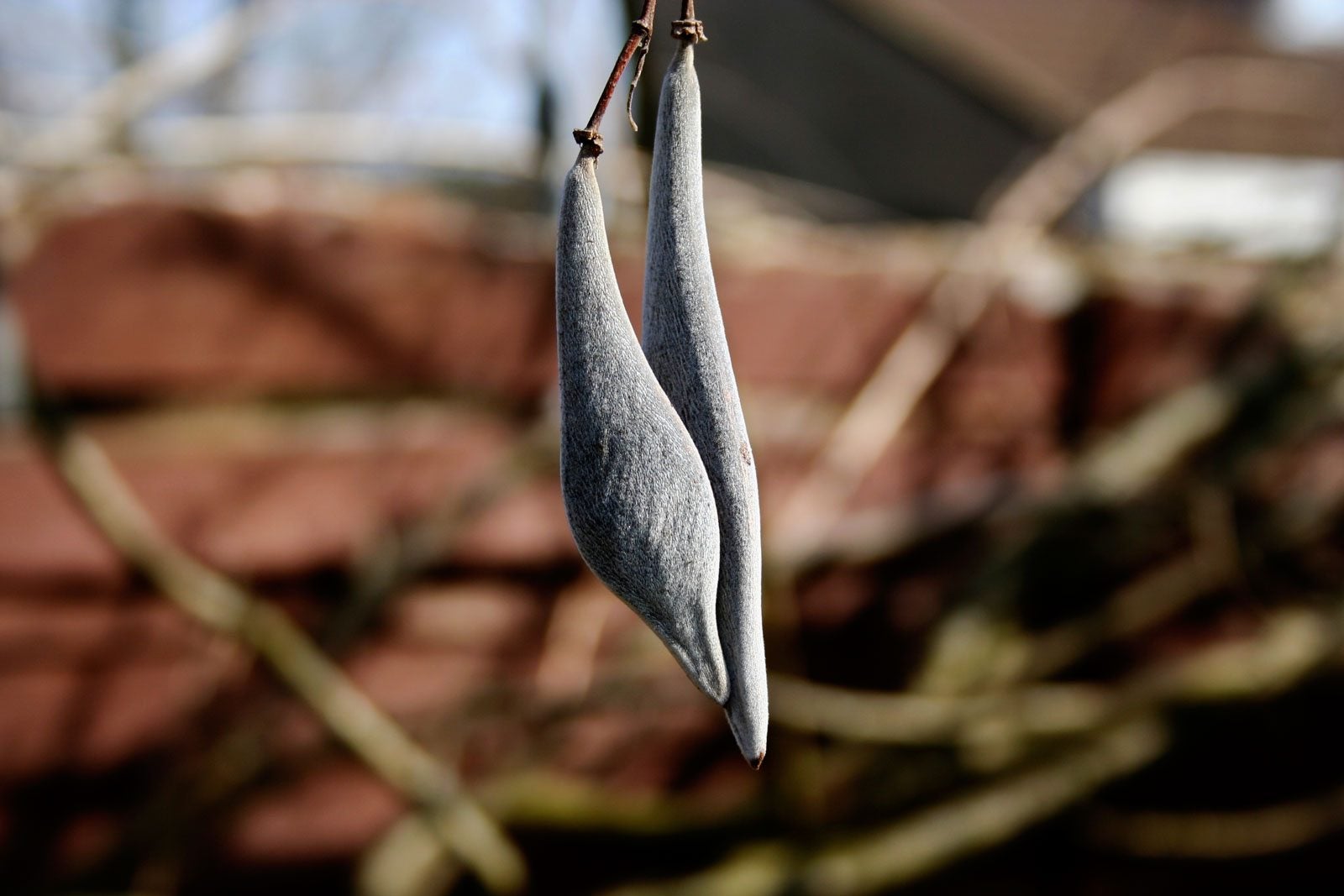
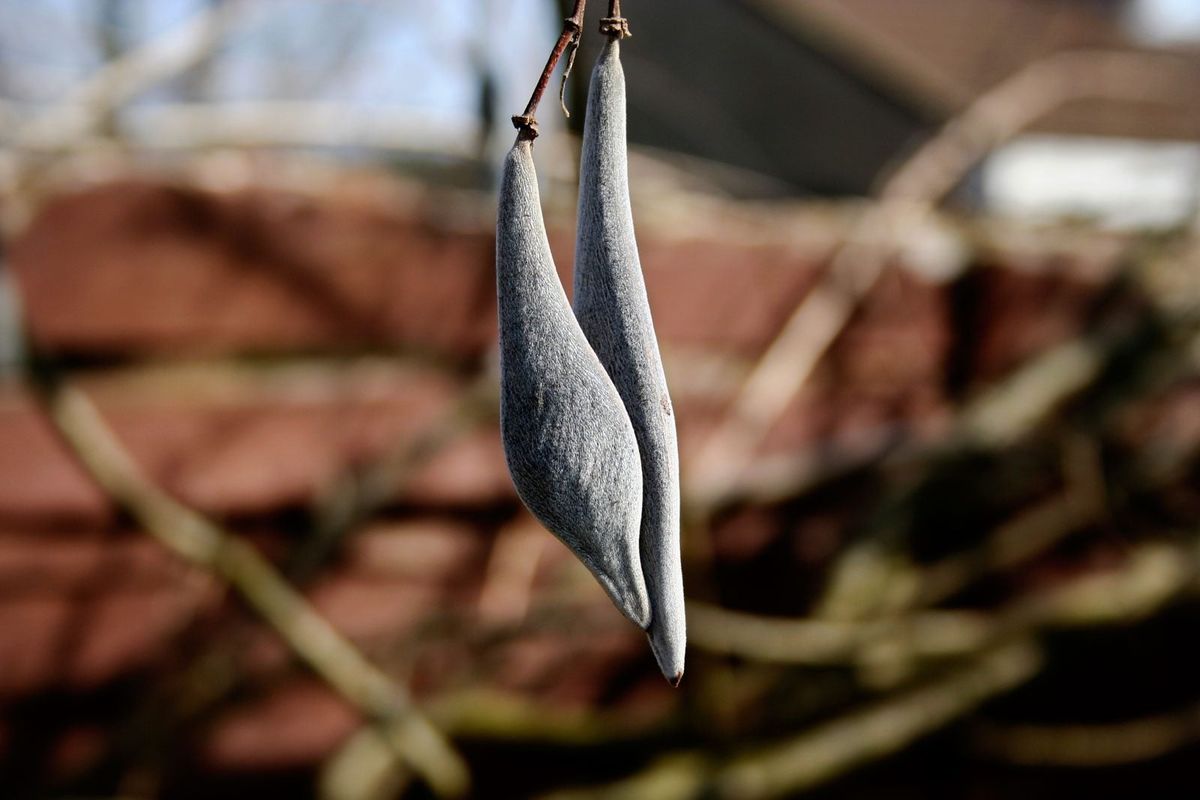
Look for pods that are plump and firm. Healthy pods usually have a smooth texture and a rich brown color. Avoid pods with cracks, holes, or mold. These signs show poor seed quality. The best pods come from mature plants in good health. Select pods that feel heavy for their size, as this often means the seeds inside are well developed.
Harvesting At The Right Time
Pick pods when they start to turn brown but before they split open. Pods that open on their own may have lost seeds or allowed pests inside. Harvesting too early means the seeds might not be fully mature. Collect pods on dry days to prevent moisture damage. Store the pods in a cool, dry place until you are ready to start germination.
Credit: www.gardeningknowhow.com
Preparing Seeds
Preparing wisteria seeds properly increases their chance to sprout strong roots. Seeds have a hard outer shell. This shell blocks water and air. Both are needed for germination.
Treating seeds before planting helps break this barrier. It improves water absorption and encourages growth. Two key steps are scarification and soaking.
Scarification Techniques
Scarification means scratching or softening the seed coat. This allows water to enter the seed easily. Use sandpaper or a nail file to rub the seed surface gently. Stop once you see a slight color change or a thin spot.
Another way is nicking the seed with a sharp knife. Cut just enough to pierce the shell, not the seed inside. Be careful to avoid damage. Scarification speeds up germination by letting moisture reach the embryo.
Soaking Seeds
Soaking seeds softens the coat further and wakes the seed up. Place scarified seeds in warm water. Let them soak for 24 hours.
Change the water if it cools too much. After soaking, seeds swell and become ready for planting. Soaking improves sprouting rates and helps seeds break dormancy faster.
Germination Methods for Wisteria Seeds
Germinating wisteria seeds requires patience and the right approach. Choosing an effective germination method boosts your chances of success. Two popular methods work well for starting wisteria seeds: the paper towel approach and direct soil planting. Each method has simple steps to follow and can fit different gardening styles.
Paper Towel Approach
This method helps control moisture and warmth for the seeds. Start by soaking the seeds in warm water for 24 hours. Then, place the seeds between damp paper towels. Keep the towels moist but not soaking wet. Put the towels inside a plastic bag to maintain humidity. Store the bag in a warm spot, like on top of a refrigerator. Check daily for sprouting, which usually takes 1-3 weeks. Once sprouts appear, carefully transfer seeds to pots with soil.
Direct Soil Planting
Planting seeds directly in soil mimics natural growth conditions. Use a well-draining seed-starting mix in small pots or trays. Plant seeds about 1 inch deep and cover lightly with soil. Water gently to keep soil moist but not soggy. Place pots in a warm, bright area, avoiding direct sunlight. Germination can take several weeks, so be patient. Thin seedlings when they grow, keeping the strongest ones.
Planting Tips
Planting wisteria seeds properly sets the stage for healthy growth. Choosing the right soil and containers helps seeds sprout well. Careful attention to these details improves your chances of success.
Soil Mix And Depth
Use a well-draining soil mix for wisteria seeds. A mix of potting soil and sand works well. Avoid heavy, clay soils that hold too much water. Plant seeds about 1 inch deep in the soil. Cover them lightly to protect from birds and drying out.
Potting Containers
Choose containers with drainage holes to prevent water buildup. Small pots or seed trays are ideal for starting seeds. Use containers at least 3 inches deep for root growth. Keep the soil moist but not soggy during germination. Label containers to track seed varieties and planting dates.
Optimal Conditions
Creating the right environment is crucial for germinating wisteria seeds. Optimal conditions help seeds sprout faster and grow strong. Two main factors influence success: temperature and light, and moisture management. These elements must be carefully controlled to mimic natural settings.
Temperature And Light
Wisteria seeds need warmth to start growing. The ideal temperature is between 65°F and 75°F (18°C to 24°C). Cooler temperatures slow germination or stop it completely. Place seeds in a warm spot but avoid direct sunlight. Bright, indirect light works best. Too much sun can dry out the seeds and soil.
Moisture Management
Seeds require consistent moisture to sprout. Keep the soil damp but not soggy. Overwatering causes rot and kills seeds. Use a spray bottle to mist the surface daily. Cover the container with plastic wrap to keep humidity high. Remove the cover once sprouts appear to prevent mold growth.
Care For Seedlings
Caring for wisteria seedlings is crucial for healthy growth. Seedlings need gentle attention to develop strong roots and stems. Proper care sets the foundation for a beautiful wisteria vine.
Young plants require consistent moisture and space to thrive. Pay attention to their needs daily. Small steps now prevent problems later.
Watering Routine
Keep the soil moist but not soaked. Water seedlings lightly every day or every other day. Avoid waterlogging, which can cause root rot. Use a spray bottle for gentle watering. Early morning or late afternoon is best to reduce evaporation. Watch soil dryness closely, especially in warm weather.
Transplanting Guidelines
Move seedlings to bigger pots when they have two sets of true leaves. Handle seedlings carefully to avoid root damage. Use well-draining soil for transplanting. Plant seedlings at the same soil depth as before. Water the new pots right after transplanting. Keep seedlings in a shaded spot for a few days to reduce stress. Gradually introduce them to more sunlight over a week.
Common Challenges
Germinating wisteria seeds can be rewarding but not without its hurdles. Several common challenges may slow down or stop the growth process. Understanding these issues helps prepare for successful germination.
Fungal Issues
Wisteria seeds are prone to fungal infections. Excess moisture creates a perfect environment for fungus. It can rot seeds before they sprout. Avoid overwatering and use well-draining soil. Clean containers and fresh seeds reduce fungal risks. Fungicides may help but use them cautiously.
Slow Germination
Wisteria seeds do not sprout quickly. Germination may take several weeks or even months. Patience is essential during this time. Cold stratification often improves germination speed. Soaking seeds in water for 24 hours also helps. Keep the soil warm and moist but not wet. Slow growth is normal and does not mean failure.
Encouraging Flowering
Encouraging flowering in wisteria grown from seed takes patience and care. Wisteria often blooms on mature wood, so proper pruning and long-term care help your plant develop strong flower buds. Focus on shaping the plant and managing growth to see beautiful blooms in spring.
Pruning Techniques
Pruning is key to flower production. In summer, cut back vigorous shoots to about seven leaves or nodes. This pruning helps ripen the wood and sets the stage for flower buds.
In winter, prune those same stems further back to two or three buds. Doing this while the plant is dormant encourages larger, healthier flower buds.
Wisteria blooms on last year’s growth. Pruning creates spurs that produce flowers, not just leaves. It also keeps the vine from growing too wild and overwhelming nearby structures.
Long-term Care
Provide your wisteria with full sun for best flowering. Ensure the soil drains well and has enough nutrients. Water regularly but avoid waterlogging.
Feed the plant in spring with a balanced fertilizer. Avoid high nitrogen fertilizers as they promote leaf growth over flowers.
Support the vine with a strong structure. Train new growth to encourage good shape and better blooms over time.

Credit: www.youtube.com
Frequently Asked Questions
Is Wisteria Hard To Grow From Seed?
Wisteria seeds are slow and challenging to grow. Scarify seeds and provide warmth and moisture for successful germination. Patience is essential.
How Long Does It Take For Wisteria Seeds To Germinate?
Wisteria seeds typically take 14 to 21 days to germinate. Scarify seeds before planting to speed up germination. Keep soil moist and warm.
Does Wisteria Need Cold Stratification?
Wisteria seeds benefit from cold stratification to improve germination rates. Refrigerate seeds for 2-3 months before planting. This process breaks seed dormancy and promotes faster sprouting. Without stratification, germination can be slow and uneven. Cold treatment mimics natural winter conditions essential for seed growth.
What Is The Rule For Wisteria 7 And 2?
The Wisteria 7 and 2 rule means pruning new shoots to seven leaves in summer. Then, cut back to two or three buds in winter. This encourages flowering on last year’s growth and controls size for abundant spring blooms.
Conclusion
Growing wisteria from seeds takes patience and care. Soak the seeds and provide warmth and moisture. Keep the soil lightly moist but not wet. Watch for sprouts within a few weeks. Transplant seedlings carefully to larger pots when they grow.
Remember, young plants need time to develop strong roots. With steady attention, your wisteria will grow into a beautiful vine. Enjoy the process and the lovely blooms that follow. Gardening brings joy, step by step.