
Have you ever moved a plant from one corner of your home to another, hoping this spot would finally make it happy? I’ve done it more times than I can count—closer to the window, farther from the draft, rotating the pot every few days—yet the leaves still turn pale, stems stretch thin, and growth slows down. As gardeners, we know it’s rarely about watering alone. More often, it’s about light.
When you grow plants indoors, you quickly realize that natural sunlight isn’t always consistent. Seasons change, windows face the wrong direction, cloudy days stretch for weeks, and suddenly your thriving plant starts looking tired. That’s where grow lights become more than just a modern gardening trend—they become a practical solution. They give your plants the steady, reliable light they would normally get outdoors, helping them grow fuller, stronger, and healthier.
In this guide, we’ll walk through how to use grow lights the right way—how far to place them, how long to keep them on, and how to choose the right type for your plants. With a few smart adjustments, you can transform a dim indoor space into a productive growing environment.
Types Of Grow Lights
Choosing the right type of grow light is important for healthy indoor plants. Different lights offer various benefits and suit different plant needs. Understanding these types helps you give plants the light they require to thrive indoors.
Led Grow Lights
LED grow lights use less energy and last longer than other lights. They produce little heat, reducing the risk of burning plants. These lights come in different colors to support various growth stages. Many gardeners prefer LEDs for their efficiency and effectiveness.
Fluorescent Lights
Fluorescent lights are affordable and widely available. They emit a soft light that works well for seedlings and leafy plants. These lights do not get too hot, making them safe for close placement. Fluorescent tubes or bulbs are common choices for indoor gardening.
Incandescent Lights
Incandescent lights are less efficient and produce a lot of heat. They use more electricity and have a shorter lifespan. These lights are usually not recommended for plant growth. Their light spectrum does not fully support photosynthesis.
Full-spectrum Options
Full-spectrum grow lights mimic natural sunlight. They provide a balance of cool and warm light for all growth stages. These lights help plants grow strong leaves and healthy flowers. Full-spectrum options work well for a variety of indoor plants.
:max_bytes(150000):strip_icc()/how-to-use-grow-lights-for-indoor-plants-5221241-hero-555a096c1048459db820c67ea4b9c495.jpg)
Credit: www.thespruce.com
Choosing The Right Grow Light
Choosing the right grow light is essential for healthy indoor plants. The correct light helps plants grow strong and vibrant. Many factors affect your choice, including the plant type and room conditions. This section explains key points to consider when selecting a grow light.
Light Spectrum Needs
Plants use different colors of light for growth. Blue light helps leaves grow, while red light aids flowering and fruiting. Full spectrum lights offer a balance of colors. Choose lights that match your plants’ growth stage. Seedlings need more blue light. Flowering plants benefit from more red light.
Wattage And Intensity
Wattage shows how much power a light uses. Higher wattage usually means brighter light. Intensity matters because plants need enough light to photosynthesize. Small plants or seedlings need less light than large, mature plants. Position the light close enough, but not too close to avoid burning leaves.
Energy Efficiency
Energy-efficient lights save money on electricity bills. LED grow lights use less power and produce less heat. They last longer than traditional lights. Choose LED options to reduce energy use and keep your plants safe from heat damage. Check the energy rating before buying.
Budget Considerations
Grow lights come in various price ranges. Higher-priced models often offer better features and durability. Set a budget based on your needs and plant types. Basic lights work well for beginners and small plants. Investing a bit more can improve plant growth and save money long term.
Placement And Setup
Proper placement and setup of grow lights ensure indoor plants receive enough light. Correct positioning helps plants grow healthy and strong. Setting up lights at the right distance avoids light burn or weak growth. Consistent lighting schedules support plant cycles. Choosing the right mounting and fixtures keeps lights stable and safe.
Positioning Above Plants
Place grow lights directly above your plants. This setup mimics natural sunlight. It helps plants absorb light evenly. Avoid placing lights to the side or at an angle. Shadows or uneven light can stunt growth. Center the light to cover all plants below.
Adjusting Distance
Keep the grow light at a proper distance from plants. Too close causes leaf burn and stress. Too far leads to weak, leggy growth. Most plants need light 12 to 24 inches above. Adjust distance as plants grow taller. Check plants daily for signs of light stress.
Using Timers For Consistency
Use timers to maintain regular light cycles. Plants thrive on consistent day and night periods. Set timers for 12 to 16 hours of light daily. Turn lights off at night for rest. Timers remove guesswork and save energy. Consistency improves photosynthesis and plant health.
Mounting And Fixtures
Choose sturdy fixtures to hold grow lights securely. Use adjustable mounts for easy height changes. Hanging lights with chains or brackets works well. Avoid placing lights where they can fall or get wet. Proper mounting protects plants and prevents accidents.
:max_bytes(150000):strip_icc()/how-to-use-grow-lights-for-indoor-plants-5221241-hero-555a096c1048459db820c67ea4b9c495.jpg)
Credit: www.thespruce.com
Light Duration And Scheduling
Managing light duration and scheduling is key to healthy indoor plants using grow lights. Proper timing helps plants grow strong and stay vibrant. Setting the right daily hours and mimicking nature supports their natural cycles. Also, darkness at night plays a crucial role in plant health. Understanding these elements ensures your plants get what they need for steady growth.
Recommended Daily Hours
Most indoor plants need 12 to 16 hours of light each day. Seedlings and flowering plants may require more light, about 14 to 16 hours. Plants that prefer shade need fewer hours, around 10 to 12. Avoid leaving grow lights on for more than 18 hours. Too much light can stress plants and stunt growth.
Simulating Natural Photoperiods
Plants follow natural light and dark cycles called photoperiods. Replicating these patterns helps plants grow well indoors. Use timers to turn grow lights on and off automatically. Set longer light periods in spring and summer. Shorten light duration in fall and winter. This cycle helps plants know when to grow, bloom, or rest.
Nighttime Darkness Importance
Plants need darkness to process energy and rest. Nighttime darkness supports key functions like respiration and hormone balance. Constant light can confuse plants and reduce growth. Keep grow lights off at night for at least 8 hours. This dark period improves overall plant health and flowering potential.
Monitoring Plant Responses
Monitoring plant responses is key to successful indoor gardening with grow lights. Plants send clear signals if their light needs are not met. Observing these signs helps adjust the light for healthier growth. This section explains how to recognize these signals and respond effectively.
Signs Of Too Little Light
Plants with too little light often stretch toward the source. Stems grow long and thin, making plants look leggy. Leaves may turn pale green or yellow. Growth slows, and new leaves are smaller than usual. Some plants may drop lower leaves to save energy.
Indicators Of Too Much Light
Too much light can cause leaf burn or bleaching. Leaves may develop brown or white spots. Edges of leaves might turn dry and crispy. Plants can look wilted despite watering. Some leaves curl or twist away from the light source.
Leaf Color And Growth Patterns
Healthy plants have vibrant, even-colored leaves. Dark green leaves often show good light exposure. Slow or uneven growth suggests light issues. Watch for leaves that grow unevenly or lose their shape. New growth should match the size and color of older leaves.
Adjusting Based On Plant Feedback
Move lights closer if plants stretch or pale. Raise lights if leaves show burn or dry edges. Change light duration to match plant needs. Rotate plants for even light exposure. Keep checking regularly to keep plants happy and growing strong.
Care Tips When Using Grow Lights
Using grow lights for indoor plants helps them get enough light to grow healthy and strong. Proper care with grow lights ensures plants receive balanced light without damage. Follow simple steps to keep your plants thriving under artificial light.
Rotating Plants For Even Coverage
Rotate your plants regularly to expose all sides to light. This prevents one side from growing more than the other. Turn plants every few days to keep growth even and balanced. Rotation helps plants stay strong and symmetrical.
Avoiding Heat Damage
Keep grow lights at a safe distance to avoid burning leaves. Check the light’s heat level often and adjust the height as plants grow. Use LED lights as they produce less heat. Watch for signs of heat stress like brown or curled leaves.
Cleaning Light Fixtures
Dust and dirt reduce the light’s effectiveness. Clean fixtures with a soft cloth every few weeks. Turn off lights and unplug before cleaning. Clean lights deliver more energy and help plants grow better.
Combining With Natural Light
Use grow lights to supplement natural sunlight, not replace it. Place plants near windows to catch daylight. Adjust grow light time based on how much sun the plants get. This mix gives plants a full spectrum of light for healthy growth.
Common Mistakes To Avoid
Using grow lights can boost indoor plant health. Avoiding common mistakes helps plants thrive. Many beginners place lights incorrectly or misuse them. These errors slow growth and cause stress to plants. Learn what to avoid for better results.
Placing Lights Too Close
Placing grow lights too close can burn leaves. Heat from the light may dry plants quickly. Keep enough distance to prevent leaf damage. Most plants need 12 to 24 inches from the light. Check your light’s instructions for exact spacing.
Overexposure To Light
Too much light can harm plants as much as too little. Overexposure causes leaves to yellow and curl. Set a timer to control light hours. Most indoor plants need 12 to 16 hours of light daily. Let plants rest in darkness to grow well.
Ignoring Plant Signals
Plants show signs when something is wrong. Yellow leaves, slow growth, or leaf drop are red flags. Watch your plants closely and adjust light accordingly. Each species has different light needs. Responding to these signals keeps plants healthy.
Neglecting Light Maintenance
Dirty or old grow lights lose their strength. Dust on bulbs blocks light and lowers efficiency. Clean lights regularly with a dry cloth. Replace bulbs as recommended to keep output strong. Proper maintenance ensures plants get enough light.
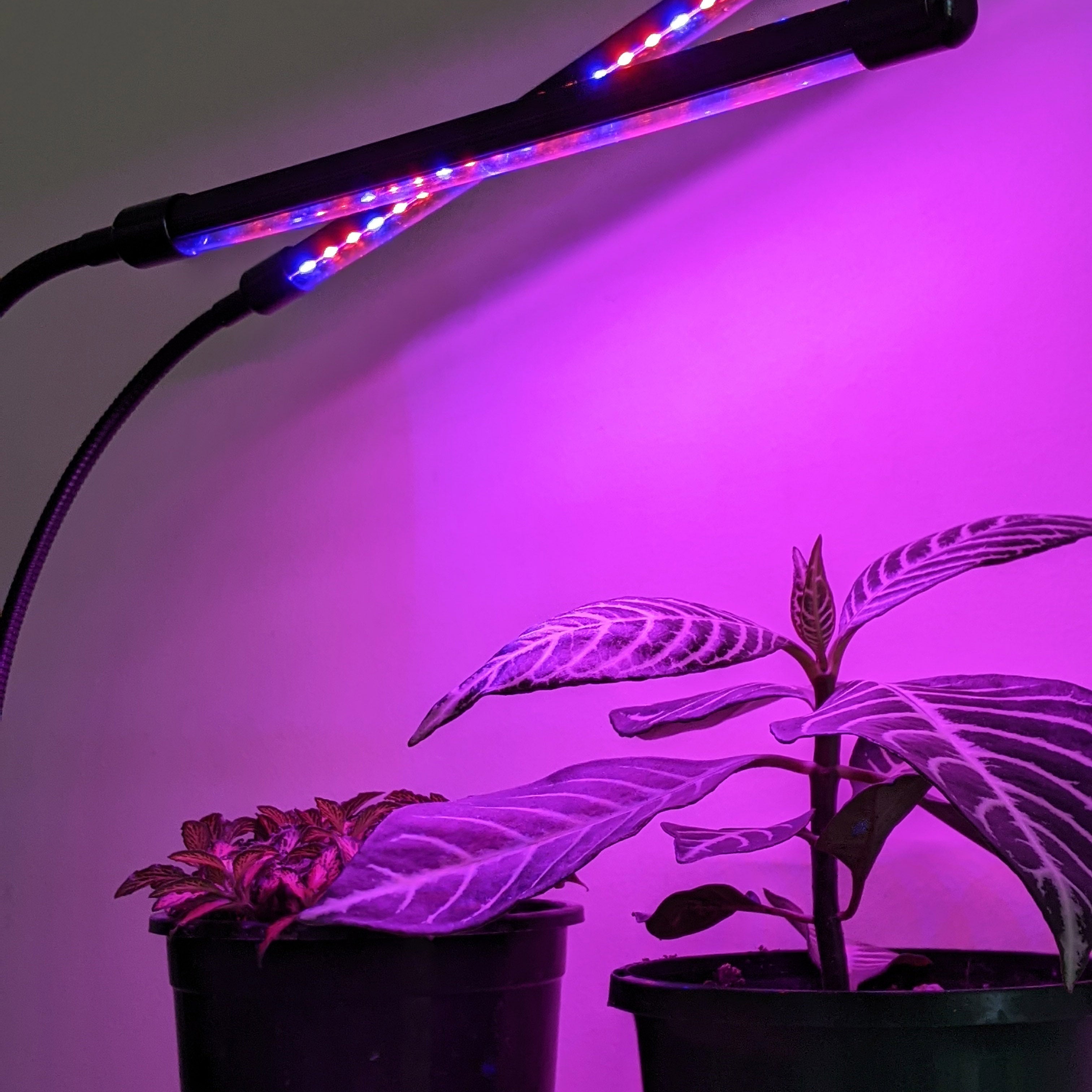
Credit: cheekyplantco.com.au
Special Considerations For Seedlings
Seedlings need extra care when using grow lights. They are delicate and require the right environment to grow strong. Light plays a key role in their early development. Proper light conditions help seedlings develop healthy leaves and stems. Without correct light, seedlings can become weak or misshapen.
Light Intensity For Young Plants
Seedlings need moderate light intensity. Too much light can burn their tender leaves. Too little light causes slow growth and weak stems. Keep the grow light about 12 to 18 inches above seedlings. Adjust height based on how the seedlings respond. Watch for signs like leaf curling or bleaching. These signs mean the light is too strong. Use a timer to provide 12 to 16 hours of light daily. This amount supports photosynthesis and healthy growth.
Preventing Leggy Growth
Leggy seedlings have long, thin stems and few leaves. This happens when seedlings stretch toward light. Place seedlings directly under the grow light. Avoid placing lights too far away. Rotate seedlings daily to ensure even light exposure. Maintain consistent light duration each day. Strong, compact seedlings develop under steady, close light. Avoid sudden changes in light timing or intensity. This helps seedlings grow sturdy and balanced.
Transitioning To Natural Light
Seedlings need a gentle change from grow lights to sunlight. Move seedlings closer to a window over a week. Start with a few hours of natural light daily. Increase time gradually to prevent shock. Sudden full sun exposure can burn young leaves. Continue using grow lights during cloudy days or short daylight periods. This transition helps seedlings adapt to outdoor conditions. Healthy seedlings survive better when moved outside or near windows.
Frequently Asked Questions
How Do You Correctly Use A Grow Light?
Hang the grow light directly above plants, mimicking sunlight. Adjust height to prevent leggy or scorched leaves. Use a timer for consistent light cycles. Rotate plants for even coverage. Choose full-spectrum LEDs for best growth.
How Long Should You Leave A Grow Light On Houseplants?
Leave grow lights on houseplants for 12 to 16 hours daily. Use a timer for consistent light cycles. Adjust duration based on plant type and growth stage. Ensure plants receive darkness to rest. Monitor plant health to optimize lighting time.
Do Grow Lights Really Help Indoor Plants?
Grow lights boost indoor plant growth by providing the right light spectrum and intensity. They compensate for insufficient natural light effectively.
Do Plants Need To Be Directly Under Grow Light?
Plants do not need to be directly under grow lights, but placing them close ensures better light exposure and growth. Rotate plants for even coverage.
Conclusion
Using grow lights can boost your indoor plants’ health and growth. Place lights above plants to mimic sunlight. Adjust the distance based on plant needs. Rotate plants to ensure even light exposure. Keep the lights on for about 12 to 16 hours daily.
Watch your plants closely for signs of too much or too little light. With simple care, grow lights help your plants thrive indoors. Enjoy greener, healthier plants all year round.