
If you want a real gardener’s take: July and August are prime time to set up your fall crop — I always plant now when the soil’s still warm so seedlings can get rooted before the cooler weather. Even a few pots on a balcony will do: quick greens like lettuce and spinach, fast radishes, and heartier brassicas like broccoli or kale all respond well to late-summer sowing. Keep soil evenly moist, give young plants a little afternoon shade on hot days, and you’ll be cutting fresh salad leaves and crisp veggies once temperatures start to drop.
Credit: www.farmprogress.com
Best Vegetables For Fall You Can Grow
Choosing the right vegetables to plant in July and August ensures a rich fall harvest. Cooler temperatures and shorter days favor certain crops. These vegetables thrive in fall’s mild climate and often taste better after a light frost. Planting them now sets you up for fresh, homegrown produce when the season changes.
Leafy Greens
Leafy greens grow quickly and do well in cooler weather. Spinach offers tender, nutritious leaves for salads and cooking. Lettuce varieties, like butterhead and romaine, stay crisp and flavorful. Swiss chard adds color and nutrition to any garden. Kale is hardy and packed with vitamins. Arugula grows fast and adds a peppery bite to dishes.
Root Vegetables
Root vegetables develop their best flavor in cool soil. Carrots are sweet and crunchy, perfect for fresh eating or cooking. Beets grow well and provide both roots and greens. Radishes mature fast and add spice to salads. Turnips offer a mild, sweet flavor and store well. Parsnips take longer but become sweeter after frost.
Brassicas
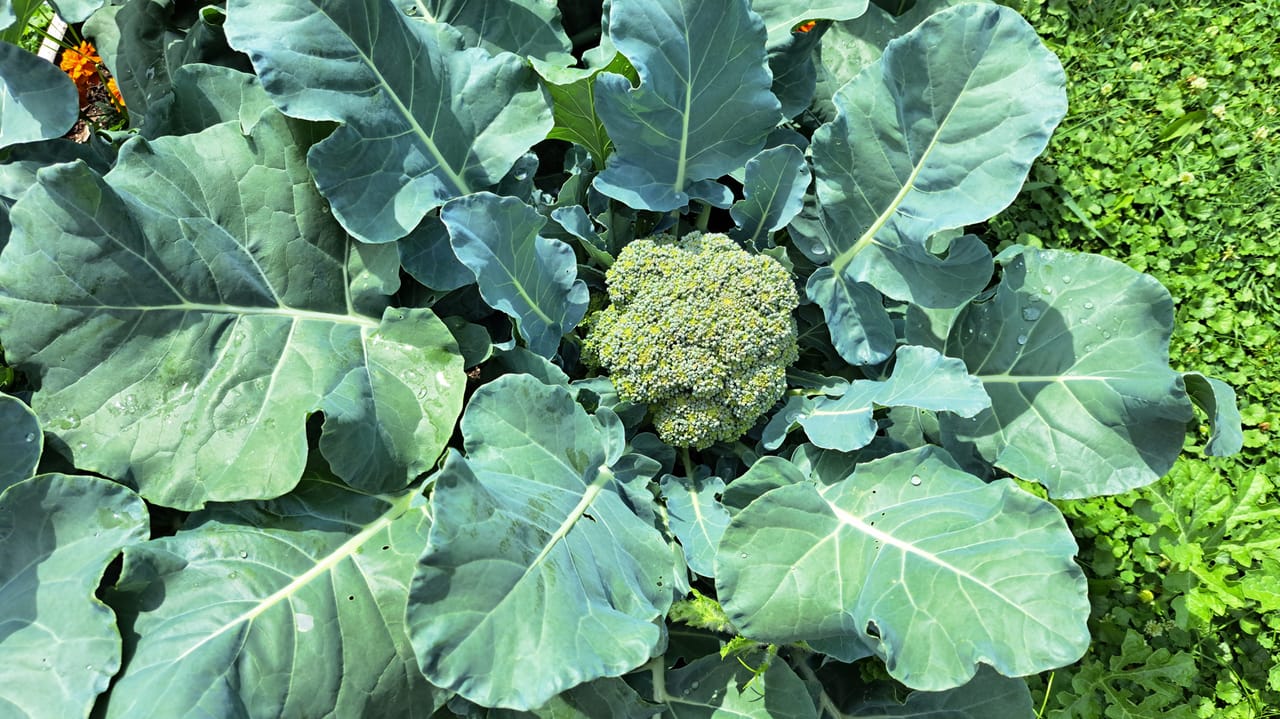
Brassicas are cold-tolerant and rich in nutrients. Broccoli produces dense, tasty heads. Cabbage forms tight, crunchy heads ideal for slaws and cooking. Cauliflower grows best in cooler weather and has a mild taste. Brussels sprouts develop small, cabbage-like buds along the stem. Kohlrabi offers a unique, crunchy texture and mild flavor.
Legumes And Others
Peas thrive in cooler temperatures and add nitrogen to soil. Snap peas and snow peas are sweet and crisp. Green beans continue producing if planted early enough. Herbs like parsley and cilantro prefer fall planting. Garlic planted in late summer develops strong bulbs by winter. These crops round out a diverse fall garden.
Planting Timeline
Planning your planting timeline for a fall harvest is key to a successful garden. July and August offer perfect windows to sow seeds for cool-weather crops. Timing your planting right helps crops mature before the first frost.
Understanding what to plant in each month maximizes your garden’s yield. Crops planted too late may not have enough time to grow. Early planting ensures a steady supply of fresh vegetables in the fall.
July Planting Tips
July is ideal for planting root vegetables like carrots and beets. These crops grow well in cooler soil as summer fades. Brassicas such as broccoli and cabbage also do well when started in July.
Leafy greens like kale and collards thrive when planted now. Sow seeds directly into the soil for best results. Keep the soil moist to help seeds germinate quickly.
Peas can be planted in July for a late fall harvest. Choose varieties that mature quickly to beat the cold. Thin seedlings to avoid overcrowding and improve air circulation.
August Sowing Guide
August is the last chance to plant many fall crops. Fast-growing vegetables like radishes and spinach mature in just a few weeks. These make excellent choices for quick harvests.
Leafy greens such as lettuce and Swiss chard grow well in August. Start seeds indoors if outdoor temperatures are very hot. Transplant seedlings once the weather cools down.
Brussels sprouts and cauliflower can be sown in early August. These crops need enough time to develop before frost arrives. Use mulch to protect young plants from heat stress.
Soil Preparation
Preparing soil correctly is key for a successful fall harvest. Good soil helps crops grow strong and healthy. Start by cleaning the garden bed from old plants and weeds. Loosen the soil with a fork or tiller to improve air flow and root growth. Well-prepared soil holds water and nutrients better. This foundation sets your crops up for a bountiful fall season.
Amending Soil
Add organic matter like compost or aged manure to enrich your soil. This boosts nutrients and improves soil texture. Spread a 2-3 inch layer over the soil surface. Mix it well into the top 6-8 inches of soil. Organic amendments increase fertility and help plants absorb water easily. Avoid using fresh manure as it can burn young plants.
Drainage And Ph
Check soil drainage by digging a small hole and filling it with water. If water drains slowly, add sand or organic matter to improve it. Poor drainage can cause root rot and stunt growth. Test soil pH with a simple kit. Most fall crops prefer slightly acidic to neutral soil (pH 6.0-7.0). Adjust pH with lime to raise it or sulfur to lower it. Balanced pH helps plants access nutrients efficiently.
Mulching Benefits
Apply a layer of mulch after planting to conserve moisture. Mulch keeps soil temperature stable and reduces weed growth. Use straw, leaves, or grass clippings as mulch materials. Mulching also protects soil from erosion during heavy rains. It slowly adds organic matter as it breaks down. Mulch creates a healthier environment for roots to thrive.
Sunlight And Water Needs
Sunlight and water are vital for growing healthy fall crops planted in July and August. These months still have strong sunlight and warm temperatures, which affect how plants grow. Providing the right amount of light and water helps crops develop properly before cooler weather arrives.
Understanding the sunlight and watering needs of fall vegetables ensures a successful harvest. Some crops need full sun, while others tolerate partial shade. Watering too much or too little can harm plants, so knowing proper techniques is essential.
Optimal Light Conditions
Most fall crops need at least 6 hours of direct sunlight daily. Sun-loving vegetables like broccoli and cabbage thrive in full sun. Leafy greens such as spinach and lettuce can tolerate some afternoon shade. Too little light slows growth and weakens plants.
Position your garden where plants receive morning sun and some afternoon shade in hot climates. This balance protects crops from harsh heat and supports steady growth. Monitoring light exposure helps you adjust plant placement for best results.
Watering Techniques
Consistent watering keeps soil moist but not soggy. Deep watering encourages strong root systems. Water early in the morning to reduce evaporation and fungal problems. Avoid overhead watering to prevent leaf diseases.
Check soil moisture regularly by feeling the top inch of soil. If dry, it is time to water. Mulching helps retain moisture and reduces watering frequency. Proper watering supports healthy growth and improves crop yield.
Frost Protection
Protecting crops from frost is vital when planting in July and August for a fall harvest. Use covers or mulch to shield young plants during cold nights. This helps ensure healthy growth and a successful harvest before winter arrives.
Frost can harm many fall crops planted in July and August. Protecting plants from frost helps ensure a healthy harvest. Frost protection means keeping plants warm during cold nights. Gardeners use simple tools and techniques to shield crops from frost damage. Proper frost protection extends the growing season and improves crop quality.
Frost Dates For Austin, Texas
Austin’s first fall frost usually arrives between late October and early November. The last spring frost typically happens around mid-March. Knowing these dates helps plan when to plant and protect crops. July and August plantings must mature before the first frost. Tracking frost dates reduces the risk of losing crops to cold weather.
Using Covers And Cloches
Garden covers and cloches keep plants warmer at night. Use lightweight fabric covers like frost cloth or row covers. They trap heat and protect leaves from frost. Cloches are small, clear covers placed over individual plants. They create a mini greenhouse effect, keeping plants safe. Remove covers during the day for sunlight and airflow. Proper use of covers can save many fall crops from frost damage.
Pest And Disease Control
Protecting your fall garden from pests and diseases is essential for a healthy harvest. Pests and diseases can quickly damage crops planted in July and August. Early control helps plants grow strong and produce well as the cooler weather arrives. Understanding common threats and using safe methods keeps your garden thriving.
Common Fall Garden Pests
A few pests are especially active in late summer and fall. Aphids suck sap from leaves and stems, causing wilting and yellow spots. Cabbage worms eat holes in brassicas like broccoli and cabbage. Slugs and snails thrive in damp conditions and feed on young leaves. Spider mites cause tiny yellow dots and webbing on leaves. These pests reduce plant vigor and yield if unchecked.
Organic Pest Solutions
Natural pest control protects beneficial insects and your soil. Handpicking pests like slugs and worms works well for small gardens. Neem oil sprays disrupt pest growth and reduce populations. Insecticidal soap kills soft-bodied insects like aphids without harming plants. Planting companion plants such as marigolds repels some pests. Keep your garden clean of debris to reduce hiding places for insects.
Disease Prevention Tips
Good air flow lowers risk of fungal diseases in fall crops. Space plants properly and prune crowded leaves. Water early in the day to let foliage dry before night. Use drip irrigation to avoid wet leaves. Rotate crops each year to prevent soil-borne diseases. Remove and compost diseased plants promptly to stop spread. Healthy soil with compost boosts plant immunity naturally.
Harvesting And Storage
Harvesting and storing your fall crops correctly protects your hard work. It ensures fresh produce lasts longer. Knowing the right time to harvest keeps vegetables tasty and nutritious. Proper storage methods help maintain quality and reduce waste.
When To Harvest
Harvest vegetables at their peak for best flavor. Look for firm, full-sized produce with vibrant color. Leafy greens like spinach and lettuce are best picked young and tender. Root crops such as carrots and beets should be harvested before the first frost. Brassicas, like broccoli and cabbage, need to be cut when heads are tight and firm.
Check plants daily as fall approaches. Cooler weather slows growth, so timing is key. Harvest in the morning when crops are crisp and hydrated. Avoid picking wet produce to reduce mold risk.
Storage Methods For Fall Crops
Store crops in cool, dry places to extend freshness. Root vegetables keep well in a dark, humid cellar or fridge drawer. Use perforated plastic bags or containers with ventilation to maintain moisture without rot. Leafy greens store best wrapped in damp paper towels inside sealed bags.
Brassicas like cabbage and Brussels sprouts last longer in the refrigerator crisper. Keep them away from fruits that release ethylene gas, which speeds spoilage. Some crops, like pumpkins and winter squash, store well at room temperature in a dry spot.
Regularly check stored vegetables for signs of decay. Remove spoiled items quickly to protect others. Proper harvesting and storage maximize your fall garden’s bounty and reduce food waste.
Companion Planting Ideas
Companion planting is a smart way to grow crops for a fall harvest. It means planting two or more types of crops close together. This helps plants grow better and stay healthy. Using companion planting ideas in July and August can improve your garden’s success. It makes the most of space and encourages natural growth.
Plant Pairings For Growth
Some plants help each other grow stronger. Beans add nitrogen to the soil, which benefits leafy greens like spinach and lettuce. Carrots and onions work well together because onions keep carrot flies away. Planting cabbage near herbs like dill or rosemary can boost cabbage growth. These pairs support each other and use soil nutrients wisely.
Deterring Pests Naturally
Certain plants keep pests away without chemicals. Marigolds planted near tomatoes stop nematodes and beetles. Nasturtiums attract aphids away from other vegetables. Garlic and chives repel many insects and improve the taste of nearby crops. Using these natural pest deterrents protects plants and reduces the need for sprays.
Frequently Asked Questions
What Can I Plant In August For Fall Harvest?
Plant arugula, beets, broccoli, cabbage, carrots, kale, lettuce, peas, radishes, spinach, Swiss chard, and turnips in August for fall harvest.
What To Plant In July For Fall Harvest?
Plant beets, kale, collards, mustard greens, radishes, turnips, spinach, cabbage, and carrots in July for a fall harvest.
What Is The 70 30 Rule For Gardening?
The 70 30 rule for gardening means planting 70% reliable, core plants and 30% experimental or decorative plants. This balance ensures steady growth with creative variety.
What Vegetables Can You Plant In July Late Summer Harvest?
Plant beets, carrots, kale, collards, broccoli, cabbage, spinach, radishes, turnips, and peas in July for a late summer harvest.
What Crops Grow Best When Planted In July–august?
Leafy greens like spinach, lettuce, and kale grow well when planted in July and August. Root vegetables such as beets and carrots also thrive for a fall harvest. These crops mature quickly and tolerate cooler fall weather.
Conclusion
Planting crops in July and August sets the stage for a rich fall harvest. Choose cool-season vegetables like broccoli, spinach, and carrots. These crops grow well as temperatures drop. Keep watering and care steady for best results. Enjoy fresh, homegrown produce as the season changes.
Start now and watch your garden thrive this fall.