
Are you tired of watching precious rainwater run off your garden, leaving your plants thirsty and your soil dry? Building a swale could be the simple, natural solution you need to capture and store water right where it’s needed most—your garden.
Imagine creating a gentle ditch that not only stops water from washing away but also channels it slowly into your soil, helping your plants thrive even during dry spells. In this guide, you’ll learn exactly how to build a swale that fits your garden’s layout and turns every drop of rain into nourishment.
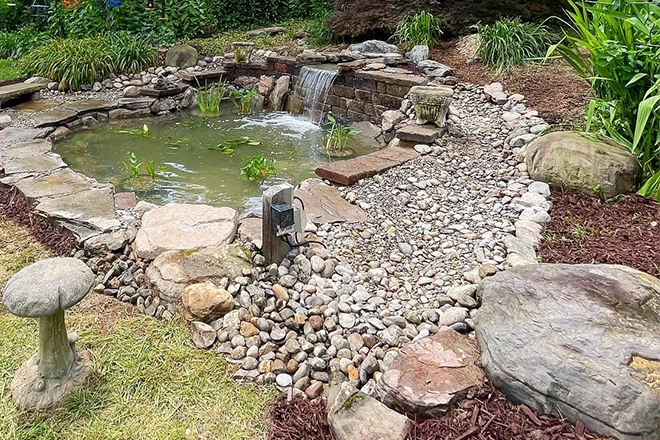
Credit: premierpond.com
Choosing Swale Location
Choosing the right location for your swale is key to capturing water effectively. The spot you pick affects how well water collects and benefits your garden. Careful observation and planning help find the best place to dig your swale. This section guides you through important steps for selecting the ideal location.
Assessing Garden Terrain
Start by examining your garden’s shape and slope. Swales work best on gentle slopes that slow water flow. Avoid very steep or flat areas. Check for low spots where water pools naturally. These areas can hold more water and improve swale function. Mark the terrain’s high and low points to plan your swale path.
Identifying Water Flow Patterns
Watch how water moves after rain. Notice where it flows fastest and where it gathers. Look for channels or small ditches formed by runoff. These paths show natural water routes. Place your swale across these flow lines to catch water efficiently. This prevents erosion and spreads moisture evenly.
Considering Sunlight And Vegetation
Choose a location with enough sunlight for plants to thrive. Swales support vegetation that stabilizes soil and absorbs water. Pick spots near existing plants or where you want new growth. Avoid deep shade areas where plants grow poorly. Healthy plants improve swale performance and garden health.

Credit: www.tenthacrefarm.com
Designing The Swale
Designing a swale is the first step to capturing water effectively for your garden. A well-planned swale slows runoff and spreads water evenly. This helps keep soil moist and supports healthy plant growth. Careful design ensures your swale fits your land and garden needs.
Determining Swale Dimensions
Start by measuring the slope and size of your garden area. The swale should be wide enough to hold water but not too large to cause flooding. A typical swale is 1 to 3 feet wide and 6 to 18 inches deep. The length depends on your land’s slope and the water you want to catch.
Make sure the swale has a gentle slope along its length. This allows water to move slowly without washing soil away. Keep the slope between 1% and 3% for best results. A steeper slope can cause erosion and reduce water absorption.
Planning Swale Shape And Path
Plan your swale to follow the natural contour of your land. This means the swale runs along lines of equal elevation. Contour swales hold water evenly and prevent fast runoff. Avoid straight lines; gentle curves work better to slow water flow.
Mark the swale path using stakes and string to check the contour. Walk around your garden after rain to see where water collects. Place your swale in these low spots to capture runoff effectively. The swale should divert water to a safe area or garden beds.
Selecting Soil And Plants
Use soil with good drainage and organic matter for the swale berm and bottom. Clay soils may need mixing with sand or compost to improve water flow. Avoid rocky or compacted soil that blocks water absorption.
Choose plants that like moist soil and help hold the soil in place. Native grasses, sedges, and flowering plants work well. Deep-rooted plants stabilize the swale and filter runoff. Mulch around plants to keep moisture and reduce weeds.
Preparing The Site
Preparing the site is the first step to build an effective swale for your garden. This stage ensures the land is ready to capture and hold water properly. Careful preparation helps the swale function well and last longer. Clear planning and organization here will save time and effort later.
Clearing The Area
Remove all plants, rocks, and debris from the swale path. Clear the area down to bare soil. This makes digging easier and prevents blockages. Check for any underground pipes or cables before digging. Keep the cleared materials away from the swale line.
Marking Swale Boundaries
Use stakes and string to mark the edges of the swale clearly. Measure the length and width based on your garden’s slope and size. Mark the contour line where the swale will sit. This line should be level to catch water evenly. Double-check measurements for accuracy.
Gathering Tools And Materials
Collect all necessary tools before starting the digging process. You will need a shovel, rake, and a wheelbarrow. A level or laser level helps keep the swale straight. Have mulch, compost, and plants ready to fill and cover the swale. Organize everything close to the site for easy access.
Excavating The Swale
Excavating the swale is a crucial step to capture water effectively in your garden. This process shapes the land to hold and direct water where plants need it most. Careful digging ensures the swale works well during rain and reduces water waste.
Digging To Correct Depth
Start by marking the swale path on your garden. Dig the trench evenly along this line. The ideal depth is usually 12 to 18 inches. This depth allows the swale to hold enough water without flooding. Avoid digging too deep, which can cause water to pool for too long.
Creating Berms Alongside
Move the soil you dig to the downhill side of the swale. Shape this soil into a berm, a small raised bank. Berms help slow water flow and prevent it from running off quickly. Make the berm firm by packing the soil gently. This keeps water inside the swale longer, helping plants absorb it.
Ensuring Proper Slope
Check the slope of your swale carefully. It should slope slightly downhill, about 1 to 3 percent. This gentle slope guides water smoothly along the swale without rushing. Use a level or a simple water tube to measure slope. A proper slope prevents erosion and helps water spread evenly.
Planting And Mulching
Planting and mulching are key steps in making your swale effective. Proper plants help soak up water quickly. Mulch keeps the soil moist and healthy. Together, they improve water capture and support your garden’s growth.
Choosing Water-tolerant Plants
Select plants that thrive in wet soil. Look for species that can handle occasional flooding. Native plants often work best. Examples include sedges, rushes, and certain ferns. These plants absorb water and prevent soil erosion.
Arranging Plants For Maximum Absorption
Place plants on the swale’s lower edges. This area collects the most water. Use taller plants in the middle or back. Shorter plants go near the edges. Mix deep-rooted plants with shallow-rooted ones. This helps water reach different soil layers.
Applying Mulch To Retain Moisture
Spread a thick layer of mulch over the planted swale. Mulch stops water from evaporating quickly. It also reduces weed growth and protects roots. Use organic mulch like wood chips or straw. Refresh mulch yearly for best results.
Maintaining The Swale
Maintaining the swale is key to keeping your garden healthy and water-efficient. A well-maintained swale captures and directs water properly. It prevents waterlogging and erosion. Regular care helps your swale work for years without problems.
Regular Inspection And Cleaning
Check your swale at least once a month. Look for debris blocking water flow, such as leaves or trash. Remove any clogs quickly. Clear sediment buildup to keep water moving smoothly. Inspect after heavy rains to catch damage early.
Managing Plant Growth
Plants help stabilize the swale’s soil. Trim overgrown plants that may block water flow. Remove invasive species that harm native plants. Plant grasses or ground cover to reduce erosion. Healthy vegetation improves water absorption and swale function.
Addressing Erosion And Sediment
Look for signs of soil erosion along the swale banks. Add mulch or rocks to protect exposed areas. Fill in low spots where sediment collects. Use barriers like straw wattles to slow water flow. Repair damage quickly to avoid bigger problems later.
Benefits Of Garden Swales
Garden swales offer many advantages for capturing and managing water. They help keep water where plants need it most. Swales also protect your soil and improve plant growth. Understanding these benefits shows why swales are a smart garden choice.
Improving Water Retention
Swales catch rainwater and slow its flow. This allows water to soak into the soil. More water stays in the garden instead of running off. Plants get a steady water supply even during dry times. This reduces the need to water your garden often.
Reducing Soil Erosion
Swales act as barriers that stop soil from washing away. By slowing water, swales protect garden beds and slopes. This keeps soil healthy and in place. Preventing erosion saves nutrients and keeps your garden fertile. It also helps maintain the shape of your landscape.
Enhancing Plant Health
With better water and soil, plants grow stronger. Swales create moist, rich soil conditions ideal for roots. Plants face less stress from drought or floods. Healthier plants resist pests and diseases better. Swales support a thriving, vibrant garden all year round.

Credit: www.tenthacrefarm.com
Common Challenges
Building a swale to capture water for your garden can face some common challenges. These issues can affect how well your swale works and how healthy your garden becomes. Understanding these problems helps you prepare and fix them early.
Handling Excess Water
Sometimes, swales get more water than they can hold. This can cause overflow or erosion along the swale edges. To manage this, design the swale with a slight slope to guide extra water safely away. Use rocks or plants to slow down water and protect the soil. Proper shaping and regular checks keep the swale stable during heavy rains.
Dealing With Poor Soil Conditions
Swales work best with soil that absorbs water well. Clay or compacted soil slows water soaking and can cause pooling. Improve poor soil by adding organic matter like compost or mulch. This helps soil hold water and supports plant growth. Mixing sand or gravel into heavy soil also improves drainage and makes the swale more effective.
Preventing Mosquito Breeding
Standing water in swales can attract mosquitoes. This creates a health risk and can be annoying. Keep water moving or drying out between rains to stop mosquitoes from laying eggs. Planting water-loving plants helps use the water quickly. Adding small fish or beneficial insects can also reduce mosquito larvae naturally.
Frequently Asked Questions
How To Build A Swale To Divert Water?
To build a swale, dig a shallow trench along the contour line. Shape it with a berm on the downhill side. Use mulch and plants to stabilize soil. Direct water flow gently to prevent erosion. This method diverts and captures water effectively for your garden.
What Are The Disadvantages Of A Swale?
Swales need ample space, limiting use in narrow urban areas. They struggle with frequent high water flows. Maintenance can be high due to sediment buildup and vegetation management. Poor design may cause water pooling or ineffective drainage.
How Deep Should A Swale Be For Drainage?
A swale for drainage should be 6 to 12 inches deep. Depth depends on soil type and water volume. Ensure gentle side slopes for stability and effective water flow.
What Soaks Up Standing Water In A Yard?
Organic mulch, compost, and absorbent polymers soak up standing water in yards. Water-loving plants and drainage solutions also help.
What Is A Swale And Why Use It In Your Garden?
A swale is a shallow trench that catches and slows rainwater. It helps water soak into the ground, reducing runoff and erosion. Swales improve soil moisture and support plant growth.
Conclusion
Building a swale helps you save water and improve garden health. It slows rainwater, letting soil soak moisture deeply. This supports plants during dry times and reduces runoff. Swales also prevent erosion and protect nearby areas from flooding. Creating one takes some effort but brings lasting benefits.
Use simple tools and follow steps carefully for best results. With patience, your garden will thrive and stay green year-round. Try building a swale to make your garden stronger and more water-wise.