
If you love fresh, peppery greens, growing arugula in your garden is a smart choice. Arugula is easy to grow, quick to harvest, and adds a delicious bite to your salads and meals.
But to get the best leaves and keep your arugula thriving, there are some simple tips you need to know. Whether you’re new to gardening or want to improve your harvest, this guide will help you grow healthy, flavorful arugula right in your backyard.
Keep reading, and you’ll discover how to plant, care for, and harvest arugula that keeps coming back—so you can enjoy fresh greens all season long.
Choosing The Right Location
Choosing the right location is key to growing healthy arugula. The spot you pick affects how well your plants grow and how tasty the leaves become. Arugula thrives in places that meet its sunlight, soil, and space needs. A good location helps the plants resist pests and diseases. It also makes harvesting easier and more enjoyable. Consider these important factors to set your arugula up for success.
Sunlight Requirements
Arugula needs about 4 to 6 hours of sunlight daily. Morning sun is best because it warms the leaves gently. Too much hot afternoon sun can cause the leaves to turn bitter. Partial shade helps keep the plants cool, especially in warm climates. Find a spot that gets sun but also offers some shade during the hottest part of the day. This balance improves leaf flavor and plant health.
Soil Preparation
Arugula prefers loose, well-drained soil rich in organic matter. Work compost or aged manure into the soil before planting. This adds nutrients and improves soil texture. Avoid heavy clay or sandy soils unless you amend them well. The ideal soil pH is between 6.0 and 7.0, slightly acidic to neutral. Check soil moisture regularly; arugula grows best in moist but not soggy soil.
Raised Beds And Containers
Raised beds and containers offer great control over soil quality and drainage. They warm up faster in spring, helping seeds sprout sooner. Use a good potting mix rich in organic material for containers. Ensure containers have drainage holes to prevent waterlogging. Raised beds keep weeds away and make harvesting easier. Choose sizes that give each plant enough space to grow well.
Selecting Seeds And Varieties
Choosing the right seeds and varieties is the first step to growing healthy arugula. Good seed selection impacts the plant’s flavor, growth speed, and resistance to pests. Knowing popular types and where to find quality seeds helps start your garden with confidence.
Popular Arugula Varieties
Several arugula varieties suit different tastes and climates. ‘Rocket’ is classic, with a peppery flavor and fast growth. ‘Astro’ offers milder leaves, ideal for salads. ‘Sylvetta’ has small, delicate leaves and a gentle taste. ‘Wasabi’ brings a spicy kick for adventurous gardeners. Choosing a variety depends on flavor preference and how you plan to use the arugula.
Seed Quality And Sources
High-quality seeds lead to strong plants and better harvests. Select seeds from trusted suppliers or local garden centers. Organic seeds often have better germination rates and fewer chemicals. Check seed packets for freshness and expiration dates. Storing seeds in a cool, dry place keeps them viable. Buying fresh seeds each season ensures the best results for your garden.
Planting Techniques
Planting arugula correctly ensures a healthy and abundant harvest. The right planting techniques help seeds germinate faster and plants grow strong. Choose the best method for your garden space and climate. Pay attention to seed placement and care for best results.
Sowing Seeds Directly
Sow arugula seeds directly into garden soil for quick growth. Choose a spot with full sun or partial shade. Prepare loose, well-drained soil by removing weeds and debris. Scatter seeds thinly over the soil surface. Cover seeds with a thin layer of soil about ¼ inch deep. Water gently to keep soil moist but not soaked. Seeds usually sprout within 5 to 7 days.
Indoor Starting Tips
Start arugula seeds indoors for an early harvest. Use seed trays or small pots filled with seed-starting mix. Plant seeds about ¼ inch deep and water lightly. Place containers near a sunny window or under grow lights. Keep the soil moist and maintain temperatures around 60 to 70°F. Transplant seedlings outdoors once they reach 2 inches tall and after the last frost.
Spacing And Depth
Proper spacing prevents overcrowding and promotes air circulation. Plant seeds about 1 inch apart in rows spaced 10 to 12 inches apart. Thin seedlings to 4 to 6 inches apart once they grow. Plant seeds at a shallow depth of ¼ inch to ½ inch for better germination. Avoid planting too deep, which can slow growth and cause rot.
Watering And Fertilizing
Proper watering and fertilizing are essential for healthy arugula growth. They keep the leaves fresh and flavorful. Overwatering or under-watering can stress the plants. The right fertilizer helps provide nutrients for strong, vibrant leaves. Understanding how to water and feed arugula correctly boosts your harvest.
Optimal Watering Schedule
Arugula prefers consistent moisture but not soggy soil. Water the plants deeply once or twice a week. In hot weather, increase watering frequency to keep soil moist. Avoid wetting the leaves to prevent diseases. Early morning watering helps reduce evaporation. Mulch around plants to keep soil cool and retain moisture. Check soil moisture by touching; it should feel damp, not dry or muddy.
Organic Fertilizer Options
Arugula grows best with balanced, organic fertilizers. Compost is a great natural option. It improves soil texture and adds nutrients slowly. Fish emulsion provides quick nitrogen for leafy growth. Apply it diluted every two weeks for best results. Worm castings boost soil health and plant vitality. Avoid chemical fertilizers that can burn young plants. Feeding arugula with organic matter encourages strong roots and tasty leaves.
Managing Pests And Diseases
Managing pests and diseases is essential for growing healthy arugula. Pests can damage leaves and stunt growth. Diseases may cause wilting or spots on plants. Early detection helps protect your garden. Use natural and safe methods to keep problems low. Healthy plants resist pests and diseases better. Regular checks make a big difference.
Common Pests To Watch
Watch for aphids, small insects that suck sap from leaves. Flea beetles also attack arugula, making tiny holes. Cabbage loopers and cutworms can chew on leaves. Whiteflies and slugs may appear too. Keep an eye on your plants daily to spot these pests early.
Natural Pest Control Methods
Use neem oil or insecticidal soap to remove pests safely. Handpick larger pests like caterpillars and slugs. Plant marigolds nearby to repel harmful insects. Encourage ladybugs and lacewings; they eat aphids. Avoid chemical pesticides to protect beneficial insects and soil health.
Disease Prevention
Plant arugula in well-drained soil to prevent root rot. Water at the base, not on leaves, to avoid fungal growth. Space plants properly to improve air circulation. Remove any diseased leaves immediately to stop spread. Rotate crops yearly to reduce soil-borne diseases.
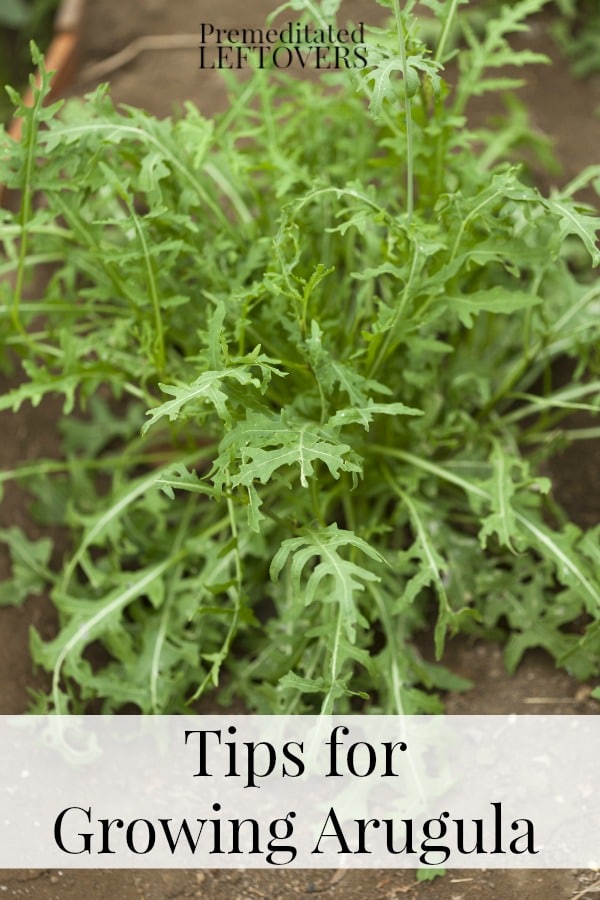
Credit: premeditatedleftovers.com
Companion Planting Strategies
Companion planting can improve your arugula’s health and yield. Choosing the right plants nearby helps prevent pests and boosts growth. Avoid plants that compete or share diseases with arugula. Planting beneficial companions can attract helpful insects and improve soil quality. This strategy creates a balanced garden ecosystem for your arugula to thrive.
Plants To Avoid Near Arugula
- Cruciferous Vegetables: Cabbage, broccoli, kale, cauliflower, turnips, and radishes share pests and diseases with arugula. Planting them close can increase pest problems.
- Nightshades: Tomatoes, peppers, and eggplants prefer different soil acidity. This mismatch can stunt growth for both arugula and these plants.
- Potatoes: They compete heavily for nutrients. Potatoes can also attract pests harmful to arugula.
- Strawberries: Their spreading habit can crowd arugula. This competition limits space and sunlight for arugula plants.
Beneficial Companion Plants
- Herbs: Basil, mint, and cilantro repel pests and attract pollinators. They also improve arugula’s flavor when grown nearby.
- Leafy Greens: Lettuce and spinach have different pests and can grow well near arugula. They use space efficiently and provide ground cover.
- Alliums: Garlic, onions, and chives deter aphids and other insects. Their scent helps protect arugula from pests.
- Marigolds: These flowers repel many common garden pests. Planting marigolds near arugula reduces insect damage naturally.
Harvesting For Continuous Growth
Harvesting arugula properly helps keep your plants healthy and productive. It encourages new leaves to grow fast. This way, you enjoy fresh arugula for a longer time. Understanding how and when to harvest is key for continuous growth.
Cut And Come Again Method
This method means cutting only the outer leaves. Leave the center leaves and growing point untouched. Use sharp scissors or garden shears for clean cuts. Harvest leaves about 2 inches from the base. This helps the plant keep growing new leaves quickly. Repeat harvesting every week or two to maintain fresh arugula.
Timing Your Harvest
Pick arugula leaves when they are young and tender. Leaves that are too old can taste bitter. Check the leaves when they reach about 3 to 4 inches long. Morning is the best time to harvest because leaves are full of moisture. Avoid harvesting too late in the season to prevent tough, bitter leaves.
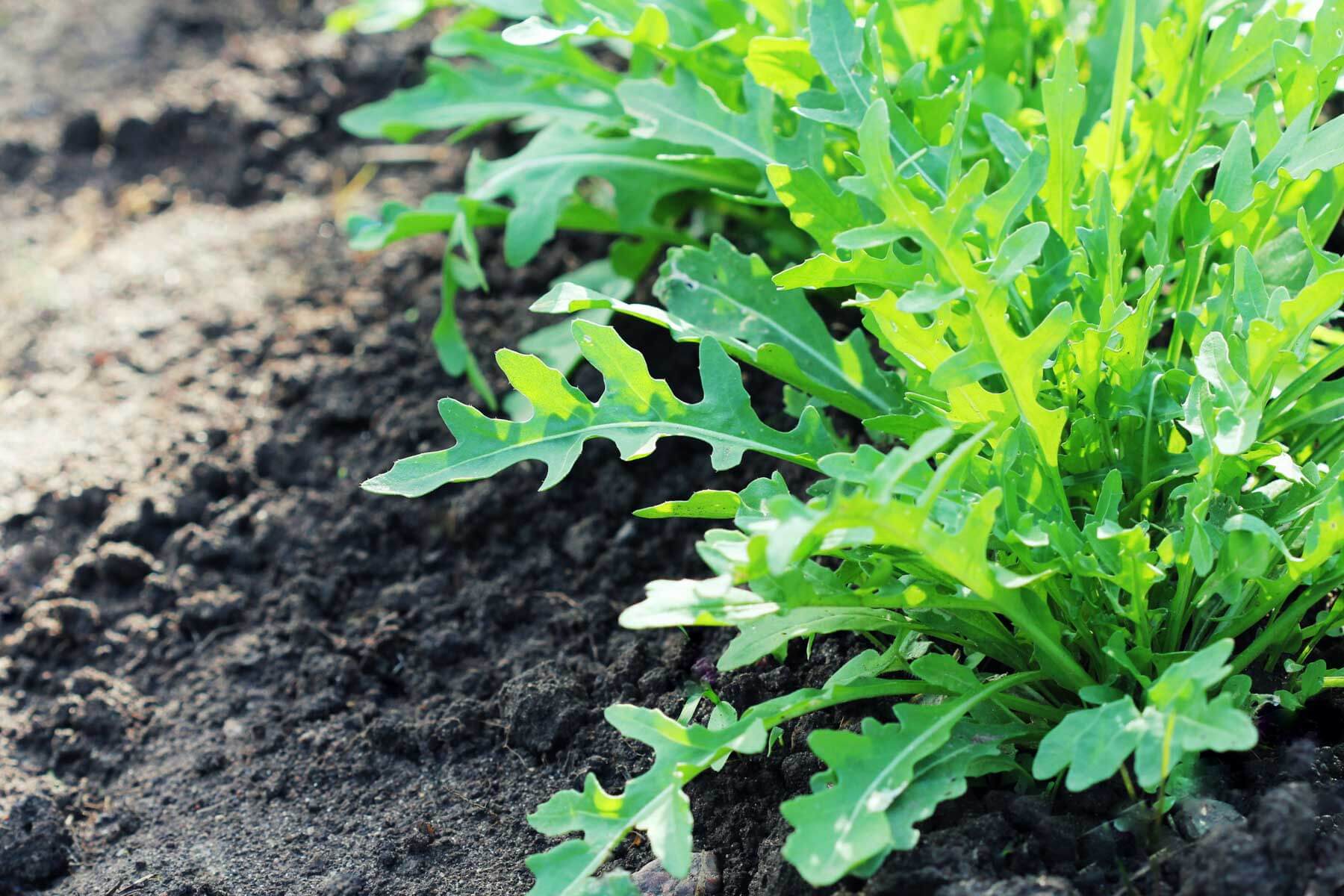
Credit: bonnieplants.com
Extending The Growing Season
Extending the growing season allows you to enjoy fresh arugula for a longer time. It helps you harvest multiple crops and keeps your garden productive. Arugula grows best in cool weather but with the right techniques, you can stretch its life well into warmer or cooler months.
Using smart planting and protective methods keeps your arugula thriving beyond normal seasons. These steps help protect plants from harsh sun or cold winds. Here are two effective ways to extend your arugula’s growing season.
Succession Planting
Succession planting means sowing arugula seeds every two to three weeks. This creates a continuous supply of fresh leaves throughout the season. Planting in small batches avoids a big harvest all at once. It also reduces the risk of losing your entire crop to pests or weather.
Start seeds indoors or in a protected area before the last frost. Then transplant outside as weather warms. Keep planting new seeds until late summer. This way, you get fresh arugula in spring, summer, and fall.
Using Shade And Row Covers
Shade helps protect arugula from hot sun, which causes leaves to turn bitter. Use shade cloth or plant near taller crops for natural shade. This keeps soil cooler and prevents plants from bolting too soon.
Row covers shield plants from cold winds and light frost. They create a warmer microclimate, extending growth into fall and early winter. Lightweight covers also keep pests away without blocking sunlight. Remove covers on warm days for air circulation.

Credit: www.gardenary.com
Frequently Asked Questions
What Is The Best Way To Grow Arugula?
Grow arugula in well-drained soil with full sun or partial shade. Sow seeds ¼ inch deep, water regularly, and harvest leaves early for best flavor.
What Should Not Be Planted Next To Arugula?
Avoid planting arugula near cruciferous vegetables, potatoes, strawberries, and nightshades. These plants share pests, compete for nutrients, or have incompatible soil needs.
Does Arugula Grow Back After Cutting?
Arugula regrows after cutting if you leave the crown intact. Harvest regularly to encourage fresh growth.
How To Harvest Arugula So It Keeps Growing?
Cut arugula leaves 1-2 inches above the base to encourage new growth. Harvest outer leaves first. Avoid cutting the central growing point. Water regularly and provide nutrients to support continuous growth. Repeat harvesting every 1-2 weeks for a steady supply.
What Is The Best Soil Type For Growing Arugula?
Arugula grows best in loose, well-drained soil rich in organic matter. A slightly acidic to neutral pH (6. 0 to 7. 0) helps roots absorb nutrients well. Avoid heavy clay soils that hold too much water.
Conclusion
Growing arugula can be simple and rewarding. Keep soil moist and plant seeds in a sunny spot. Avoid planting arugula near potatoes, strawberries, or other cruciferous vegetables. Watch for pests and harvest leaves early for the best flavor. Regular care helps your arugula grow fresh and tasty.
With patience and these tips, your garden will produce plenty of arugula to enjoy. Happy gardening!