
Imagine turning your small balcony into a lush, green paradise where fresh veggies grow right at your fingertips. If you’ve ever thought that gardening takes too much space or time, the Garden Tower vertical veggie gardening system is here to change that.
This clever, space-saving design lets you grow a surprising variety of vegetables, herbs, and greens even in the tightest spots. Whether you’re a beginner or a seasoned gardener, you’ll discover how easy and rewarding it is to grow your own food vertically.
Keep reading to find out how you can transform your balcony into a thriving veggie garden that fits perfectly into your busy lifestyle.
Benefits Of Vertical Veggie Gardening
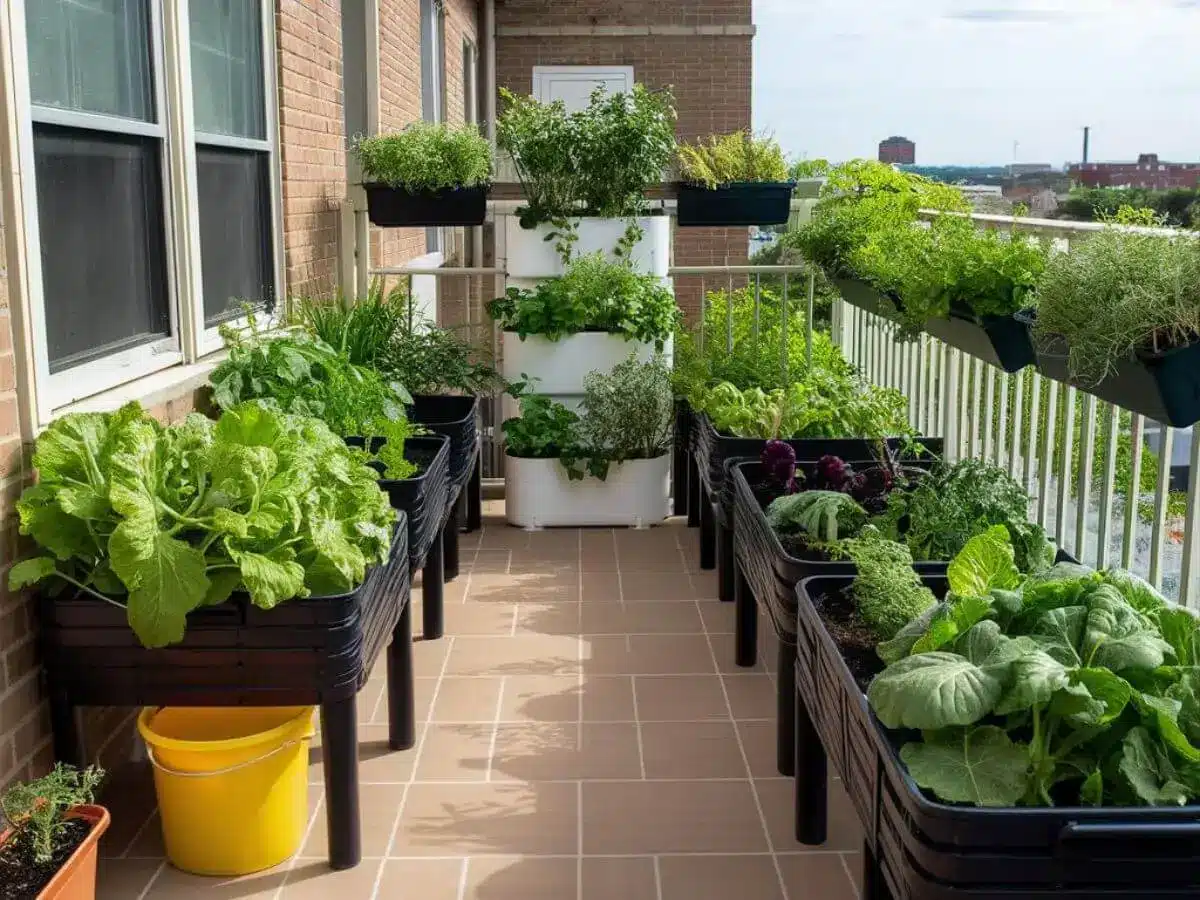
Vertical veggie gardening offers many benefits for balcony gardeners. It uses vertical space effectively and supports healthy plant growth. This method suits small areas and makes gardening more manageable.
Using a Garden Tower for vertical gardening lets you grow many plants in a small footprint. It also improves air circulation and sunlight exposure for plants. Maintenance tasks become easier, saving time and effort.
Space-saving Advantages
Vertical gardening maximizes limited balcony space. Plants grow upward instead of outward, freeing floor area. This allows more vegetables to fit in a small place. It’s ideal for apartments or urban homes.
Improved Plant Health
Plants in vertical towers get better air flow. This reduces risks of mold and pests. Sunlight reaches all plants evenly, boosting growth. Roots stay healthy with good drainage and soil quality.
Ease Of Maintenance
Vertical gardens bring plants closer to eye level. This makes watering and harvesting simpler. Less bending or kneeling reduces strain on your body. Checking plants daily becomes quicker and more pleasant.
Credit: ecofriendlybliss.com
Choosing The Right Garden Tower
Choosing the right Garden Tower for your balcony garden is essential. It affects how well your plants grow and how easy the tower is to manage. Consider factors like material, size, and where you will place it. These help ensure your vertical garden thrives in a small space.
Material And Durability
Pick a garden tower made of strong, weather-resistant material. Plastic towers are light and easy to clean. Metal towers last long but may rust if not treated. Wood towers look nice but need regular care. Choose materials that suit your climate and balcony conditions.
Size And Capacity
Check the tower’s height and width before buying. Make sure it fits your balcony space without crowding. Look at how many planting pockets or levels it has. More capacity means more vegetables but needs more room. Balance size with your gardening goals and space limits.
Mobility And Placement
Think about moving the tower for sunlight or weather changes. Towers with wheels or lightweight designs offer easy mobility. Place the tower where it gets enough sunlight daily. Avoid spots with strong wind or heavy shade. Proper placement helps plants grow healthy and strong.
Best Vegetables For Balcony Towers
Choosing the right vegetables for your balcony tower garden helps you grow fresh food in small spaces. Some vegetables thrive better in vertical setups and bring good yields. Focus on plants that use space well and grow upward or in compact forms.
Leafy Greens And Herbs
Leafy greens like lettuce, spinach, and kale grow well in balcony towers. They have shallow roots and don’t need much space. Herbs such as basil, parsley, and cilantro also fit perfectly in small pockets. These plants grow quickly and provide fresh leaves for cooking.
Climbing Plants And Vines
Climbing plants use vertical space efficiently. Peas, beans, and cucumbers climb up the tower with support. They save ground space and produce many vegetables on vines. These plants add height and greenery to your balcony garden.
Root Vegetables
Root vegetables like radishes, carrots, and beets can grow in deeper sections of the tower. They need loose, well-drained soil to develop properly. These vegetables take up less surface space but require enough depth to grow roots fully.
Credit: www.prudentpennypincher.com
Planting And Soil Tips
Planting and soil care are key for a thriving Garden Tower vertical veggie garden. Good soil and proper planting help plants grow strong and healthy. This section offers easy tips on soil mix, fertilizing, and watering for your balcony garden.
Soil Mix Recommendations
Use a light, well-draining soil mix. Combine compost with coconut coir or peat moss for moisture retention. Add perlite or vermiculite to improve aeration. Avoid heavy garden soil that can clog the tower. A balanced soil mix keeps roots healthy and supports steady growth.
Fertilizing Strategies
Feed plants regularly with a balanced liquid fertilizer. Choose one with equal parts nitrogen, phosphorus, and potassium. Apply fertilizer every two weeks during growing season. Slow-release pellets also work well in the soil mix. Proper feeding boosts vegetable yield and plant vigor.
Watering Techniques
Water deeply but less often to encourage strong roots. Check soil moisture daily by touch. The Garden Tower design helps conserve water by reducing runoff. Water from the top and allow it to trickle down. Avoid overwatering to prevent root rot and nutrient loss.
Maximizing Sunlight On Your Balcony
Maximizing sunlight is essential for a thriving garden tower on your balcony. Plants need plenty of light to grow healthy and strong. Balconies can have limited sunlight due to walls, buildings, or shade from other objects. Finding ways to increase light exposure will improve your vertical veggie garden’s yield and health.
Optimal Tower Placement
Place your garden tower where it receives the most sunlight. South-facing balconies usually get the best light throughout the day. Avoid spots shaded by trees or neighboring buildings. Rotate the tower occasionally to ensure all sides get light. Keep tall objects away to prevent casting shadows on your plants.
Using Reflective Surfaces
Reflective surfaces can boost sunlight on your garden tower. Place mirrors or white boards near your plants to bounce light onto them. Aluminum foil can also work as a reflector. These surfaces help light reach lower or shaded parts of the tower. This simple trick increases light without extra cost.
Supplemental Lighting Options
Use grow lights if natural light is limited. LED grow lights are energy-efficient and provide the right light spectrum for plants. Position lights above or around the tower to mimic sunlight. Set timers to give plants 12 to 16 hours of light daily. Supplemental lighting helps your veggies grow even in dim conditions.
Pest And Disease Management
Managing pests and diseases is key to a healthy vertical veggie garden on your balcony. Pests can harm your plants and reduce your harvest. Diseases can spread quickly in tight spaces like balcony gardens. Understanding common pests and using natural control methods helps keep your garden thriving. Preventing diseases protects your plants from damage and loss.
Common Pests On Balconies
Aphids are small, soft-bodied insects that suck plant juices. Spider mites cause tiny yellow spots and webbing on leaves. Whiteflies fly around when you disturb plants. Mealybugs look like white cotton and gather on stems. Snails and slugs hide in moist areas and eat leaves. These pests are common in balcony gardens and can harm your veggies fast.
Natural Pest Control Methods
Use neem oil spray to repel many pests safely. Introduce ladybugs; they eat aphids and other insects. Spray plants with water to wash off small pests. Plant herbs like basil or mint near veggies to deter insects. Handpick visible pests and remove them carefully. Avoid chemical pesticides to keep your garden safe and healthy.
Preventing Diseases
Water plants early in the day to reduce moisture at night. Keep good airflow by spacing plants properly in the tower. Remove dead or yellow leaves quickly to prevent disease spread. Use clean pots and tools to avoid contamination. Rotate crops each season to reduce soil-borne diseases. Healthy plants resist diseases better and grow stronger.
Seasonal Care And Harvesting
Seasonal care and harvesting are crucial for a thriving Garden Tower vertical veggie garden on your balcony. Each season brings unique challenges and opportunities. Proper attention ensures healthy plants and a rich harvest all year round. Understanding how to adjust care, pick the right harvest time, and extend growing periods helps you get the most from your space.
Adjusting For Seasonal Changes
Plants need different care as seasons shift. In spring and summer, water more often because heat dries soil quickly. Use shade cloth if sun is too strong. During fall and winter, reduce watering to avoid root rot. Move the tower to a sunnier spot to catch more light. Remove dead leaves and debris to prevent disease. Adjust fertilizers to match growth stages. Pay attention to temperature swings and protect plants from frost.
Harvest Timing And Techniques
Harvest veggies at their peak for best taste and nutrition. Pick leafy greens like lettuce early before leaves get tough. Harvest tomatoes when fully colored and slightly soft to touch. Use clean scissors or garden shears to cut herbs and greens gently. Avoid pulling plants, which can damage roots. Regular harvesting encourages more growth. Check plants daily to catch ripe veggies before they over-ripen or spoil.
Extending The Growing Season
Use simple tricks to grow longer on your balcony. Add a clear plastic cover or mini greenhouse to keep warmth in cool months. Grow cold-tolerant crops like kale, spinach, and carrots in fall and winter. Start seedlings indoors early to transplant in spring. Rotate crops to keep soil healthy and reduce pests. Use vertical space efficiently to fit more plants. These methods help you enjoy fresh veggies beyond the usual season.
Diy Garden Tower Ideas
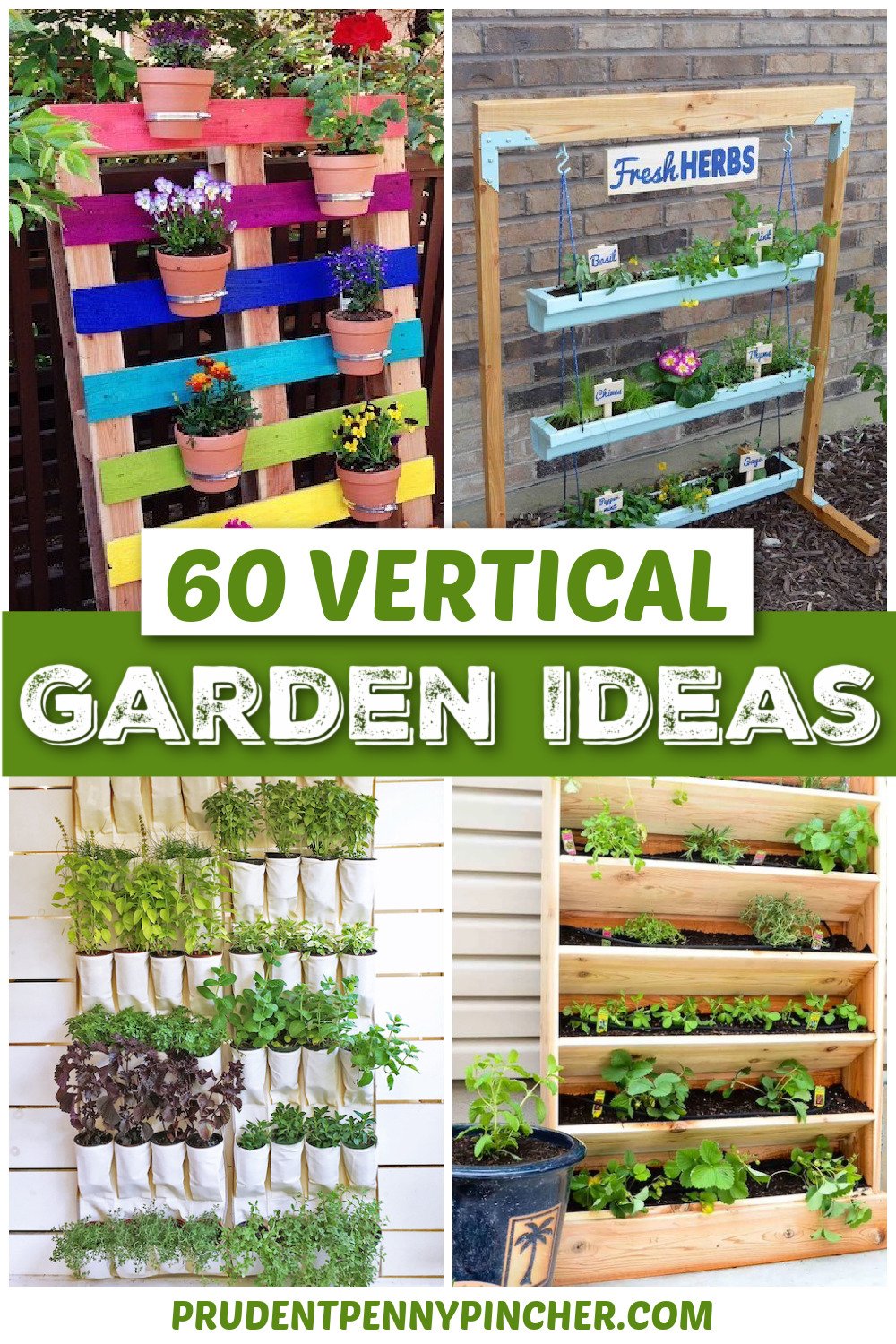
Building your own garden tower can transform a small balcony into a lush vegetable oasis. DIY garden towers save space and offer fresh produce right at your doorstep. Creating one is simple and rewarding, even with limited tools or experience. Below are easy ideas to start your vertical veggie garden.
Materials For Homemade Towers
Gather basic items like plastic pots, wooden pallets, or PVC pipes. Use sturdy containers to hold soil and plants. Recycled materials such as old crates or buckets work well. Ensure materials are safe for growing food. Include a watering system like drip hoses or small tubes.
Step-by-step Building Guide
First, choose a stable base for your tower. Stack pots or containers in a vertical arrangement. Drill holes for drainage and water flow. Secure each level with screws or strong tape. Add soil and plant your favorite vegetables. Water regularly and check stability often.
Creative Customization Tips
Paint your tower to brighten the balcony space. Add hooks to hold gardening tools or small pots. Use trellises or netting for climbing plants. Place solar lights for evening ambiance. Label plants with colorful tags for easy care. Customize size and shape to fit your balcony perfectly.
Maintaining Your Vertical Garden
Maintaining your Garden Tower vertical veggie garden is key to healthy plants and a bountiful harvest. Regular care keeps your garden looking fresh and productive. A few simple steps can prevent problems and help your veggies thrive on your balcony.
Routine Cleaning
Clean the tower regularly to remove dirt and debris. Wipe down surfaces with a damp cloth to prevent mold and pests. Clear fallen leaves and dead plant parts to keep air flowing. This reduces disease risk and keeps your garden neat.
Monitoring Plant Health
Check plants daily for signs of stress or pests. Look for yellowing leaves, spots, or holes. Healthy leaves are green and firm. Early detection helps treat problems quickly and saves your veggies. Water plants as needed but avoid overwatering.
Troubleshooting Common Issues
Address pests like aphids or spider mites by rinsing plants with water. Use natural remedies like neem oil if needed. Watch for root rot caused by poor drainage or excess water. Adjust watering habits and improve drainage to fix this. Replace any plants that do not recover to keep the garden strong.

Credit: www.amazon.com
Frequently Asked Questions
What Is A Garden Tower For Vertical Veggie Gardening?
A Garden Tower is a tall planter designed to grow many vegetables in a small space. It uses vertical layers to maximize plant growth on balconies or patios.
How Does Vertical Gardening Save Space On Balconies?
Vertical gardening stacks plants upward, using less floor area. This method fits more veggies in tight balcony spaces efficiently.
Which Vegetables Grow Best In A Garden Tower?
Leafy greens, herbs, strawberries, and small root vegetables grow well. These plants thrive in vertical setups with good sunlight.
How Often Should I Water Plants In A Garden Tower?
Water the plants when the top soil feels dry. Vertical towers may need watering more often due to better drainage.
Can Beginners Use Garden Towers For Veggie Gardening?
Yes, Garden Towers are easy to use and maintain. They are perfect for beginners with limited space and gardening experience.
Conclusion
Garden Tower vertical gardening saves space on small balconies. It allows fresh veggies to grow in limited areas. This method uses vertical layers for more plants. You can enjoy homegrown food without a big yard. It also adds green beauty to your balcony.
Easy care and watering make it perfect for beginners. Try Garden Tower for a simple, productive garden today. Your balcony can become a lively, fresh veggie spot. Start small and watch your garden grow tall!