
Are you tired of running to the grocery store every week just to buy fresh salad greens? What if you could have crisp, vibrant greens ready to harvest right from your own backyard all year long?
Growing salad greens in Missouri might seem tricky with its changing seasons, but with the right approach, you can enjoy fresh, homegrown leaves through spring, summer, fall, and even winter. In this guide, you’ll discover simple, practical tips that fit Missouri’s climate perfectly.
Whether you have a big garden or just a small space, you’ll learn how to keep your salad greens thriving no matter the season—saving you money and giving you the freshest salads imaginable. Ready to turn your garden into a salad greens haven? Let’s dive in!
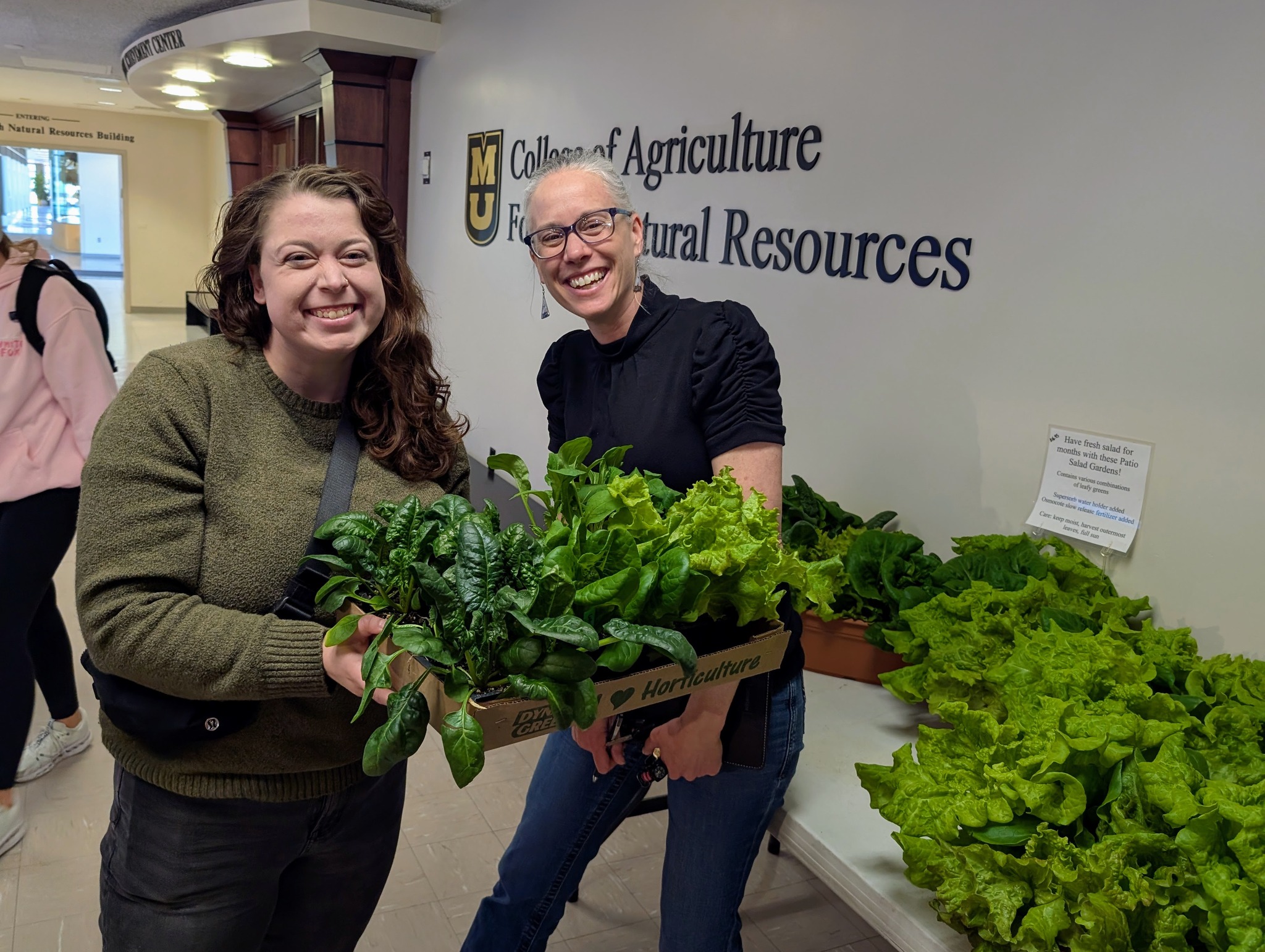
Credit: cafnr.missouri.edu
Climate And Soil Needs
Growing salad greens all season in Missouri depends heavily on understanding the climate and soil needs. Missouri’s weather and soil types create unique challenges for gardeners. Choosing the right location and preparing the soil well can lead to a healthy, bountiful crop. Salad greens thrive best with the right balance of temperature, sunlight, and soil nutrition.
Missouri Growing Conditions
Missouri has a humid continental climate. Summers are hot and humid, while winters can be cold and snowy. Spring and fall offer mild temperatures, perfect for growing salad greens. Most greens prefer cooler weather, so early spring and fall are the best planting times. Some hardy varieties can survive light frosts, extending the growing season.
Sunlight is important. Salad greens need at least 4 to 6 hours of sunlight daily. Partial shade helps during hot summer days to prevent leaves from wilting. Missouri soil varies from clay to sandy loam. Proper soil drainage is essential to avoid root rot and diseases.
Soil Preparation Tips
Start by testing your soil’s pH. Salad greens grow best in slightly acidic to neutral soil, with a pH between 6.0 and 7.0. Add lime to raise pH or sulfur to lower it if needed. Mix organic matter like compost or aged manure into the soil. This improves fertility, texture, and water retention.
Loosen the soil to a depth of 8 to 12 inches. This helps roots spread easily and access nutrients. Remove rocks, weeds, and debris to create a clean bed. Keep the soil moist but not waterlogged. Mulching with straw or leaves helps retain moisture and control weeds.
Best Salad Greens For Missouri
Choosing the best salad greens for Missouri gardens ensures fresh, tasty leaves all season. Missouri’s climate offers warm summers and cold winters, so select greens that thrive in these conditions. Many salad greens grow well in cooler temperatures but also tolerate some heat. Plant a variety of greens to enjoy fresh salads from spring to fall.
Lettuce Varieties
Lettuce grows easily in Missouri gardens. Butterhead, Romaine, and Leaf lettuce are great choices. Butterhead is soft and sweet, perfect for fresh salads. Romaine has crisp, sturdy leaves that hold well. Leaf lettuce grows quickly and can be harvested multiple times. Choose heat-tolerant types for summer planting. These lettuces do well in both spring and fall.
Spinach And Kale Options
Spinach and kale add nutrition and flavor to salads. Spinach prefers cooler weather and grows best in early spring and fall. It has tender, mild leaves. Kale is tougher and more heat-resistant. It can grow through Missouri’s warmer months. Both crops are rich in vitamins and easy to grow. Regular harvesting keeps the plants producing new leaves.
Other Leafy Greens
Arugula, Swiss chard, and mustard greens also grow well in Missouri. Arugula has a spicy, peppery taste and grows fast. Swiss chard offers colorful stems and tender leaves. Mustard greens have a bold flavor and grow quickly. These greens can be harvested young or mature. Plant them in succession for a steady supply all season long.
Planting And Timing
Growing salad greens in Missouri requires careful attention to planting and timing. The region’s climate has cold winters and hot summers, so planning your garden schedule is key. Proper timing ensures fresh greens throughout the season, avoiding heat stress or frost damage. Understanding ideal planting dates, using succession planting, and choosing containers or raised beds helps extend your harvest.
Ideal Planting Dates
Start planting salad greens in early spring as soon as the soil thaws. In Missouri, this usually means late March to early April. For fall crops, sow seeds in late summer, around August or early September. Avoid planting lettuce and other greens during the hottest months of July. Cooler temperatures help leaves stay tender and sweet.
Choose fast-growing varieties like leaf lettuce, arugula, or spinach. These crops tolerate cooler soil and air temperatures. Monitor local frost dates and adjust planting accordingly to protect young plants.
Succession Planting Strategy
Plant small batches of seeds every two to three weeks. This method provides a steady supply of fresh salad greens. As one patch matures, new seedlings start growing to replace harvested plants. Succession planting reduces waste and keeps your kitchen stocked with fresh leaves.
Use this strategy in both spring and fall. It also works well for continuous harvests in containers or raised beds. Remember to water regularly and thin seedlings to avoid crowding.
Using Containers And Raised Beds
Containers and raised beds warm up faster in spring and drain well. These features help extend your growing season in Missouri. Choose wide, shallow containers at least 6-8 inches deep for salad greens. Raised beds improve soil quality and reduce weeds.
Place containers in spots with at least 4-6 hours of sunlight daily. Use good-quality potting mix or well-amended garden soil. Containers can be moved to protect plants from extreme heat or cold. Raised beds also allow better control over soil moisture and nutrients.

Credit: showme.missouri.edu
Season Extension Techniques
Extending the growing season for salad greens in Missouri allows fresh harvests beyond summer. Using simple techniques helps protect plants from cold and frost. These methods create a warmer microclimate. They keep soil and air temperatures higher, promoting steady growth. Here are practical ways to grow salad greens all season long.
Cold Frames And Row Covers
Cold frames are small, transparent boxes placed over plants. They trap sunlight and warmth during the day. At night, they protect greens from frost and wind. Row covers are lightweight fabrics draped over rows of plants. They shield from cold air and pests. Both tools extend the growing season by weeks. They are easy to build or buy and use.
Greenhouse And Indoor Growing
A greenhouse provides a controlled environment for salad greens. It keeps temperatures stable and protects from weather changes. Indoor growing on sunny windowsills also works well. Use containers with good drainage and quality soil. Grow lights can help when daylight is limited. These methods allow fresh greens even in winter months.
Mulching And Soil Management
Mulching keeps the soil warm and moist around salad greens. Organic mulches like straw or leaves work best. They slow down soil temperature changes and prevent weeds. Good soil management improves plant health and growth. Add compost or well-rotted manure to enrich the soil. Healthy soil supports strong roots and steady green leaf production.
Watering And Fertilizing
Watering and fertilizing are key steps for growing healthy salad greens in Missouri. These plants need consistent moisture and nutrients to thrive throughout the season. Proper care helps produce tender, flavorful leaves that make your salads fresh and tasty.
Moisture Requirements
Salad greens prefer soil that stays evenly moist. Water the plants gently to avoid washing away seeds or damaging young leaves. Aim for about one inch of water per week. Early morning watering reduces leaf diseases. Mulch around the plants to keep soil moisture steady and cool. Avoid letting the soil dry out completely, as this stresses the plants and slows growth.
Organic Fertilizer Options
Choose organic fertilizers to feed salad greens safely. Compost adds nutrients and improves soil texture. Well-rotted manure releases nutrients slowly for steady growth. Fish emulsion offers a quick boost of nitrogen, which salad greens need. Apply these fertilizers before planting and as side dressings during growth. Avoid over-fertilizing, which can cause leafy greens to become bitter or grow too fast and weak.
Pest And Disease Control
Pest and disease control is key for growing healthy salad greens in Missouri. Pests and diseases can damage leaves and stunt growth. Early action helps protect your crops and yields.
Missouri’s climate supports many insects and pathogens. Knowing common threats makes management easier. Using natural methods keeps your garden safe and eco-friendly.
Common Pests In Missouri
Aphids are small, soft-bodied insects that suck plant juices. They often cluster on new leaves and stems. Cabbage worms chew holes in leaves and can ruin crops fast. Slugs and snails feed at night, leaving slimy trails and ragged leaves. Spider mites cause yellow spots and webbing on leaves. Thrips scrape leaf surfaces, causing silvery patches and leaf curling.
Natural Pest Management
Introduce ladybugs and lacewings to eat aphids and small insects. Handpick cabbage worms and drop them into soapy water. Spread crushed eggshells or diatomaceous earth to deter slugs and snails. Use neem oil spray to control mites and thrips without harming beneficial insects. Plant marigolds nearby to repel many common pests naturally.
Disease Prevention
Rotate salad green crops each season to reduce soil-borne diseases. Water plants early in the day to let leaves dry before nightfall. Avoid overhead watering to prevent fungal infections. Remove and destroy infected leaves promptly. Use disease-resistant seed varieties for better protection. Keep garden clean and free of plant debris to limit disease spread.
Harvesting And Storage
Harvesting and storing salad greens properly ensures fresh, crisp leaves throughout the season. Knowing when and how to harvest helps keep your plants productive. Proper storage extends the life of your harvest and reduces waste. Here are simple tips to help you enjoy your salad greens longer.
Cut And Come Again Method
This method means cutting leaves but leaving the plant to grow more. Use scissors or garden shears to snip leaves about 1 inch above the soil. Harvest the outer leaves first, allowing the center to keep growing. This way, your plants keep producing fresh greens for weeks. Avoid cutting all leaves at once to prevent plant stress.
Storage Tips For Freshness
Store salad greens in a cool, dry place to keep them fresh. Rinse leaves gently with cold water and dry them thoroughly. Use a salad spinner or pat leaves with a clean towel. Place greens in a container lined with paper towels to absorb moisture. Keep the container slightly open for air circulation. Store in the refrigerator and use within a week for best taste.

Credit: www.burpee.com
Tips For Year-round Success
Growing salad greens all year in Missouri requires smart planning and care. The climate changes from hot summers to cold winters. You must adjust your gardening methods to keep your greens healthy. These tips help you grow fresh salad greens in every season.
Planning Your Garden Layout
Choose a spot with good sunlight for your salad greens. Most greens need at least 4 to 6 hours of sun daily. Arrange plants so taller ones do not shade shorter ones. Use raised beds or containers to improve soil drainage. Plan space for different greens like lettuce, spinach, and arugula. Rotate crops each season to avoid soil diseases. Group plants with similar water needs together for easier care.
Adapting To Seasonal Changes
Start seeds indoors in late winter to get an early start. Use row covers or cold frames to protect plants from frost. In hot summer months, provide shade or plant heat-tolerant greens like kale. Water more often in dry weather to keep soil moist. In fall, sow fast-growing greens for a late harvest. Use mulch to keep soil temperature stable in winter. Consider using a small greenhouse or sunny windowsill for winter growing.
Frequently Asked Questions
Can You Grow Salad Leaves All Year Round?
You can grow salad leaves year-round using a heated greenhouse or sunny indoor spots. Sow seeds in spring for outdoor crops until autumn. Stagger planting every two weeks for continuous harvest. Provide fertile soil, consistent moisture, and avoid overheating indoor spaces.
What Is The 70 30 Rule In Gardening?
The 70 30 rule in gardening means planting 70% reliable, core plants and 30% experimental or filler plants for balance and variety.
What Is The Easiest Salad Greens To Grow?
The easiest salad greens to grow include lettuce, spinach, arugula, kale, and Swiss chard. These thrive in containers or garden beds. They require well-drained soil, consistent moisture, and partial sunlight. Plant seeds every two weeks for continuous harvest. These greens grow quickly and tolerate various climates.
How To Have Lettuce All Year Round?
Plant lettuce seeds every two weeks for continuous harvest. Use fertile soil, mulch to retain moisture, and protect from extreme temperatures. Grow indoors or in a greenhouse during cold months. Rotate varieties to extend the season and ensure fresh lettuce year-round.
What Salad Greens Grow Best In Missouri’s Climate?
Lettuce, spinach, arugula, and mustard greens grow well in Missouri. These greens tolerate cool and warm weather, making them ideal for all-season gardening.
Conclusion
Growing salad greens all season in Missouri is doable with simple steps. Start by planting seeds every two weeks for a steady harvest. Choose hardy varieties like spinach, kale, and arugula for cooler months. Use mulch to keep soil moist and protect roots from heat.
Watch your plants closely and harvest leaves regularly to encourage growth. With patience and care, fresh salad greens can be on your table year-round. Enjoy the satisfaction of homegrown, healthy greens without frequent grocery trips. Keep experimenting and learning as you garden through each season.