
Is your garden struggling because of poor soil? You’re not alone, and the good news is, turning that lifeless dirt into thriving, nutrient-rich soil—garden gold—is easier than you think.
Imagine planting your favorite flowers, vegetables, or herbs and watching them flourish with vibrant colors and robust growth. The secret lies beneath the surface, in the quality of your soil. You’ll discover simple, practical steps that anyone can follow to improve soil health quickly and naturally.
Stick with me, and you’ll learn how to give your garden the strong foundation it needs to grow beautifully, season after season. Ready to transform your soil and your garden? Let’s get started!
Assessing Poor Soil
Assessing poor soil is the first step to improve your garden’s health. Understanding the condition of your soil helps you choose the right method to enrich it. This process reveals what your soil lacks and what it needs to become fertile and productive.
Identifying Soil Problems
Look closely at your soil’s texture and color. Is it too sandy, clayey, or compacted? Sandy soil drains quickly but holds few nutrients. Clay soil retains water but can be hard for roots to grow through. Compacted soil stops air and water from reaching roots. Also check for poor drainage or crusty surface.
Notice if plants struggle to grow or show yellow leaves. These signs often point to nutrient shortages or poor soil structure. Smell the soil; a healthy soil smells earthy, not sour or rotten. Identifying these problems guides you in choosing the right amendments.
Testing Soil Quality
Test your soil to learn its pH and nutrient levels. You can buy easy kits or send samples to a local extension service. Soil pH affects nutrient availability. Most plants prefer a pH between 6 and 7. If pH is too low or high, plants struggle to absorb nutrients.
Check for nitrogen, phosphorus, and potassium levels. These are key nutrients for plant growth. Testing reveals what your soil lacks and how much compost or fertilizer you need. Regular testing keeps your garden soil balanced and healthy over time.

Credit: www.reddit.com
Adding Organic Matter
Adding organic matter is the key to turning poor soil into rich, fertile ground. It improves soil texture, helps retain moisture, and feeds beneficial microbes. Organic matter creates a healthy environment for plant roots to grow strong.
Regularly adding organic materials boosts soil fertility naturally. It breaks down slowly, releasing nutrients over time. This process makes the soil more alive and productive.
Using Compost
Compost is decomposed organic material. It contains nutrients, minerals, and helpful microbes. Spread a layer of compost on your garden beds. Work it gently into the top few inches of soil.
Compost loosens compacted soil, improving air and water flow. It also increases the soil’s ability to hold moisture. Over time, plants grow healthier and stronger with compost added.
Incorporating Mulch
Mulch is a layer of organic material placed on the soil surface. It can be leaves, straw, wood chips, or grass clippings. Mulch protects soil from erosion and keeps it moist longer.
As mulch breaks down, it adds organic matter to the soil. This enriches the soil naturally and feeds earthworms and microbes. Mulching reduces weeds and keeps soil temperature steady too.
Improving Soil Structure
Improving soil structure is essential for turning poor soil into garden gold. Good soil structure allows roots to grow deeply and access nutrients easily. It also helps soil hold water without becoming too wet. Healthy soil promotes strong plants and higher yields.
Improving soil structure means making the soil loose, crumbly, and rich in organic matter. This creates spaces for air and water to move freely. Two key steps in this process are aerating the soil and mixing in amendments. Both improve soil texture and fertility.
Aerating Soil
Aerating soil means creating small holes to let air enter the soil. Compacted soil stops roots from growing and blocks water movement. Use a garden fork or aerator tool to poke holes 3 to 6 inches deep. Do this in dry soil for best results.
Air in the soil helps beneficial microbes thrive and breaks down organic matter faster. Aeration also improves drainage and reduces water runoff. Regular aeration keeps soil healthy and ready for plants to grow strong.
Mixing Amendments
Amendments are materials added to soil to improve its quality. Common amendments include compost, aged manure, peat moss, and coconut coir. Mix these into the top 6 to 12 inches of soil using a shovel or tiller.
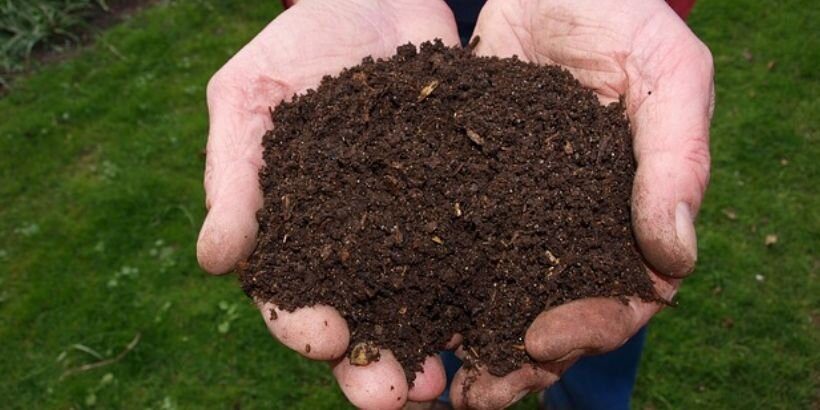
Compost adds nutrients and beneficial microbes that feed plants. It also improves soil texture, making heavy clay soil lighter and sandy soil better at holding water. Amendments boost the soil’s ability to hold air and moisture, which plants need.
Mixing amendments regularly builds soil fertility over time. This practice turns poor, lifeless soil into rich, productive garden soil. Healthy soil supports healthy plants and a thriving garden.
Credit: www.chelseagreen.com
Enhancing Soil Fertility
Enhancing soil fertility is the key to turning poor soil into garden gold. Healthy soil holds nutrients and water well. It supports strong plant growth and vibrant gardens. Improving fertility creates a better environment for roots and beneficial microbes. This helps plants absorb nutrients easily and grow faster. Simple steps can boost soil fertility and improve your garden’s health.
Balancing Nutrients
Soil needs a good mix of nutrients to support plants. Nitrogen, phosphorus, and potassium are the main ones. Test your soil to know what it lacks. Add the right nutrients in the correct amounts. Too much of one nutrient can harm plants or soil life. Keep the balance by adding organic matter and minerals. This creates a steady supply of nutrients for healthy growth.
Using Natural Fertilizers
Natural fertilizers enrich soil without chemicals. Compost, manure, and bone meal add nutrients and improve soil texture. These materials break down slowly, feeding plants over time. They also increase beneficial microbes in the soil. Avoid synthetic fertilizers that can damage soil life. Natural options keep the soil alive and fertile. Use them regularly to build strong, nutrient-rich soil.
Moisture Management
Moisture management plays a vital role in turning poor soil into garden gold. Proper moisture helps plants grow strong and healthy. It also supports beneficial microbes that improve soil quality. Maintaining the right moisture balance avoids problems like root rot or drought stress. Understanding how to keep soil moist yet well-drained is key to success.
Water Retention Techniques
Retaining water in soil extends moisture availability to plants. Mulching with organic materials like straw or wood chips reduces evaporation. Adding compost improves soil structure, helping it hold water better. Using natural soil conditioners such as coconut coir or peat moss also boosts water retention. These methods keep soil moist longer, reducing the need for frequent watering.
Avoiding Overwatering
Overwatering can damage roots and wash away nutrients. Poor soil often drains slowly, increasing risk of waterlogging. Water plants deeply but less often to encourage strong root growth. Check soil moisture by feeling it before watering again. Installing drip irrigation or soaker hoses delivers water directly to roots, minimizing excess moisture. Controlled watering keeps soil healthy and plants thriving.

Credit: www.stjohntheevangelistrc.co.uk
Using Natural Additives
Using natural additives is a simple way to improve poor soil. These ingredients come from nature and help soil stay healthy. They support plant growth by adding nutrients and fighting pests. Natural additives also keep the soil structure loose and rich. This makes it easier for roots to grow and take in water. In the garden, natural additives work gently and safely. They offer a good option for gardeners who want organic and eco-friendly solutions.
Benefits Of Cinnamon
Cinnamon is more than a kitchen spice. It acts as a natural fungicide in soil. It stops fungal problems like mold and damping off in seedlings. Cinnamon’s strong smell keeps pests such as ants and gnats away. It also helps plants grow by stimulating root development. The antifungal compound cinnamaldehyde in cinnamon protects young plants from diseases. Using cinnamon can reduce the need for chemical treatments in your garden.
Applying Cinnamon For Soil Health
Sprinkle cinnamon powder lightly on the soil surface. Focus on areas near seedlings or weak plants. You can also dust it on seeds before planting. This helps prevent fungal infections early on. Mix cinnamon with compost to spread its benefits evenly. Avoid using too much, as it may affect soil microbes. Repeat the application every few weeks for best results. Cinnamon works best in dry weather and well-drained soil.
Brown Sugar And Baking Soda Effects
Brown sugar feeds helpful microbes in the soil. These microbes break down organic matter and release nutrients. Adding a small amount can boost soil fertility naturally. Baking soda helps balance soil pH and controls fungal growth. It can reduce powdery mildew and other surface fungi. Use baking soda carefully, as too much may harm plants. Mix both additives with water and spray on soil or plants. Together, they create a healthier environment for garden growth.
Maintaining Healthy Soil
Maintaining healthy soil is vital for turning poor soil into garden gold. Healthy soil supports strong plant growth and improves water retention. It also encourages beneficial microbes that break down organic matter. Keeping soil healthy requires consistent care and attention. Simple steps like adding compost and checking soil regularly make a big difference.
Regular Composting
Adding compost enriches soil with nutrients and organic matter. Compost feeds plants and improves soil texture. Spread a layer of compost over the soil surface. Mix it gently into the top few inches of soil. Compost helps soil hold moisture and air, essential for roots. Use homemade or store-bought compost for best results. Regular composting builds a rich, fertile soil over time.
Monitoring Soil Changes
Watch your soil for changes in texture, color, and smell. Healthy soil is dark, crumbly, and smells fresh. Check soil moisture to avoid drying or waterlogging. Test soil pH to keep nutrients balanced. Notice plant growth and root health as signs of soil condition. Adjust care based on what you observe. Monitoring soil regularly prevents problems before they start.
Encouraging Beneficial Microbes
Encouraging beneficial microbes is a simple way to improve poor soil. These tiny organisms work quietly beneath the surface. They help break down organic matter and release nutrients plants need. A healthy population of microbes creates fertile, well-structured soil. This section explains their role and how to support them.
Soil Microbe Role
Soil microbes include bacteria, fungi, and other tiny life forms. They decompose dead plants and animals, turning them into nutrients. Microbes also form symbiotic relationships with plant roots. These partnerships help plants absorb water and minerals better. Without microbes, soil becomes compacted and less fertile. Their activity improves soil texture and boosts plant growth.
Supporting Microbial Life
Adding organic matter like compost feeds soil microbes. Avoid using harsh chemicals that kill beneficial microbes. Keep soil moist but not waterlogged to create a good environment. Mulching helps maintain moisture and temperature for microbes. Rotating crops and planting cover crops also support microbial diversity. These steps keep soil alive and productive.
Frequently Asked Questions
How To Turn Bad Soil Into Good Soil Naturally?
Add organic compost to enrich soil with nutrients and microbes. Mix it well and aerate the soil. Water regularly to help blend compost and soil. Repeat compost additions over time to boost fertility, water retention, and air circulation naturally.
What Is The 70 30 Rule In Gardening?
The 70 30 rule in gardening means planting 70% of your garden with native or reliable plants and 30% with bold, experimental varieties. This balance promotes garden stability and visual interest.
What Does Putting Cinnamon On Top Of Soil Do?
Putting cinnamon on top of soil acts as a natural fungicide and pest repellent. It prevents fungal diseases, deters ants and gnats, and stimulates root growth in cuttings. Its antifungal compound protects seedlings and young plants from soil-borne pathogens, promoting healthier plant development.
Do Brown Sugar And Baking Soda Really Help Plants Grow?
Brown sugar provides some nutrients but can attract pests. Baking soda helps control fungal diseases but does not boost growth directly. Use both cautiously; they aid plant health but don’t replace balanced fertilization and proper care.
How Can I Improve Poor Soil Quickly For Gardening?
Adding compost enriches soil with nutrients and microbes fast. Mixing compost with native soil improves air and water flow. Regular additions boost soil fertility and plant health.
Conclusion
Transforming poor soil into garden gold takes patience and care. Start by adding organic matter like compost to boost nutrients. Mix soil well to improve air and water flow. Keep feeding your soil regularly to build its strength. Watch your plants grow healthier and your garden flourish.
Small steps make a big difference over time. Healthy soil means a happy garden and better harvests. Keep working the soil, and enjoy the rewards of your effort. Your garden will thank you with vibrant, strong plants.