
Are pests and diseases threatening your urban garden? You’re not alone.
Keeping your plants healthy in the city can be a real challenge, especially when you want to avoid harsh chemicals. But what if you could protect your garden naturally, using safe and organic methods? In this guide, you’ll discover simple, effective ways to control pests and diseases without harming your plants, your family, or the environment.
Ready to grow a thriving, chemical-free garden right in your urban space? Keep reading, and learn how to make your garden flourish the natural way.

Credit: dug.org
Benefits Of Organic Control
Choosing organic pest and disease control offers many benefits for urban gardens. It protects the environment and supports healthy plant growth. Organic methods reduce harmful chemicals in your garden. These practices promote a natural balance between pests and beneficial insects. They are safe for families and pets while keeping your garden productive.
Environmental Impact
Organic control keeps soil rich and healthy. It avoids synthetic chemicals that harm beneficial insects and wildlife. This method reduces pollution in water and air. It supports biodiversity by protecting natural predators of pests. Using organic products helps maintain a clean urban ecosystem.
Health Advantages
Organic pest control avoids toxic chemicals on your plants. This means safer food for your family to eat. It lowers the risk of skin and respiratory problems. Organic gardens create a safer space for children and pets. You get fresh, healthy produce without harmful residues.
Sustainability In Urban Settings
Organic control methods build strong, healthy soil over time. They reduce the need for chemical inputs and lower costs. These techniques promote long-term garden health and productivity. Urban gardens using organic methods support local wildlife and pollinators. Sustainable gardening helps create greener, cleaner cities for everyone.
Common Urban Garden Pests
Urban gardens face many challenges from pests and diseases. These common garden threats can harm plants and reduce harvests. Knowing the types of pests helps gardeners protect their plants naturally. Understanding each threat allows for better organic control methods in city environments.
Insects And Their Damage
Insects are the most common pests in urban gardens. Aphids suck sap, weakening plants quickly. Caterpillars chew leaves and fruits, causing visible damage. Whiteflies spread plant viruses and leave sticky residue. Spider mites cause yellow spots and webbing on leaves. Each insect harms plants differently, requiring specific control methods.
Fungal Diseases
Fungal diseases thrive in humid urban gardens. Powdery mildew appears as white powder on leaves. Downy mildew causes yellow patches and leaf drop. Rust forms orange or brown pustules on leaves. These diseases weaken plants and stunt growth. Early detection and organic fungicides help control fungi effectively.
Weeds And Other Threats
Weeds compete with garden plants for nutrients and water. They grow fast and spread easily in urban soil. Some weeds host pests or diseases that harm crops. Other threats include snails, slugs, and rodents. These creatures eat plants or damage roots. Regular weeding and barriers reduce these risks naturally.
Natural Pest Control Methods
Natural pest control methods offer safe, eco-friendly ways to protect urban gardens. These approaches reduce harmful chemicals and support healthy plant growth. Using natural products keeps your garden safe for children, pets, and beneficial insects. Simple treatments can effectively manage common pests and diseases.
Neem Oil Applications
Neem oil is a natural extract from the neem tree. It works as a repellent and disrupts pest life cycles. Apply neem oil to affected plants every 7 to 14 days. Spray both leaf surfaces to target insects like aphids and mites. Neem also helps control fungal diseases. Always dilute neem oil with water before use.
Spinosad And Bacterial Sprays
Spinosad is a natural substance from soil bacteria. It targets pests like caterpillars and thrips without harming beneficial insects. Use spinosad sprays early in the morning or late afternoon. Bacterial sprays, such as Bacillus thuringiensis (Bt), kill larvae of certain pests. These sprays are safe and break down quickly in the environment.
Insecticidal Soaps And Oils
Insecticidal soaps work by breaking down pest outer layers, causing dehydration. They are effective against soft-bodied insects like whiteflies and mealybugs. Horticultural oils smother pests and eggs on contact. Both products are gentle on plants and degrade fast. Apply soaps and oils during cooler parts of the day to avoid leaf burn.
Organic Disease Management
Organic disease management is vital for healthy urban gardens. It uses natural methods to keep plants safe from diseases. Avoiding chemicals protects the environment and your health. This approach promotes strong plants that resist infections naturally.
Understanding organic options helps gardeners control diseases effectively. Using biofungicides, cultural practices, and resistant plant varieties are key strategies. These methods reduce disease risks and support sustainable gardening in the city.
Biofungicides And Their Uses
Biofungicides are natural products that fight fungal diseases. They contain beneficial microbes or plant extracts. These agents attack harmful fungi without harming plants or soil. Applying biofungicides regularly reduces disease spread in urban gardens. They are safe for pollinators and other helpful insects.
Common biofungicides include Bacillus subtilis and Trichoderma species. These microbes compete with pathogens for space and nutrients. Some trigger plants to boost their own defenses. Biofungicides work best when used early in the season. They fit well into organic gardening routines.
Cultural Practices To Prevent Disease
Cultural practices are simple habits that stop diseases before they start. Proper watering keeps leaves dry and lowers fungal risks. Avoid overhead watering to reduce moisture on plant surfaces. Good air circulation helps leaves dry faster and stops mold growth.
Crop rotation prevents soil-borne diseases from building up. Removing plant debris removes sources of infection. Clean tools regularly to avoid spreading pathogens. Plant spacing matters; crowded plants invite disease. Healthy soil with organic matter supports strong plants.
Resistant Plant Varieties
Choosing resistant plant varieties limits disease problems naturally. These plants have genes that block or slow infections. Seed catalogs often list disease-resistant options for many crops. Using resistant varieties reduces the need for sprays or treatments.
This method is especially useful in small urban gardens. It saves time and effort while increasing yields. Mixing varieties with different resistances also protects the garden. Resistant plants contribute to a balanced and thriving garden ecosystem.
Diy Remedies For Urban Gardens
DIY remedies offer simple and safe solutions for pest and disease control in urban gardens. These methods use natural ingredients and techniques. They protect your plants without harmful chemicals. Urban gardeners can easily make and apply these remedies at home. This approach supports a healthy garden and environment.
Homemade Sprays And Mixes
Homemade sprays use common kitchen ingredients to fight pests. Soap and water spray removes soft-bodied insects like aphids. Garlic and chili sprays repel many pests with strong scents. Neem oil mixed with water controls fungi and insects naturally. These mixes are easy to prepare and apply regularly. Always test sprays on a small plant area first.
Companion Planting Benefits
Companion planting grows certain plants together for pest control. Marigolds repel nematodes and beetles near vegetables. Basil planted with tomatoes improves flavor and keeps bugs away. Nasturtiums attract aphids away from other plants. This method reduces the need for sprays and chemicals. It also improves soil and plant health naturally.
Physical Barriers And Traps
Physical barriers block pests from reaching plants. Use row covers to protect seedlings from insects. Sticky traps catch flying pests like whiteflies and fungus gnats. Copper tape deters slugs and snails from climbing plants. Barriers and traps reduce pest damage without chemicals. They are easy to set up and safe for children and pets.
Selecting Organic Products
Selecting organic products is key to maintaining a healthy urban garden. These products help control pests and diseases without harming the environment. Choosing the right organic pesticide or fungicide ensures your plants stay strong and safe. It also protects beneficial insects and soil health. Understanding the options and where to buy them makes organic gardening easier and more effective.
Popular Organic Pesticides
Neem oil works well against many pests and fungi. It disrupts insect growth and feeding. Insecticidal soaps kill soft-bodied insects like aphids and mites. Bacillus thuringiensis (Bt) targets caterpillars without harming other insects. Diatomaceous earth acts as a natural barrier, cutting pests’ bodies. Copper fungicides prevent fungal diseases on leaves and stems. These products are safe for most plants and degrade quickly.
Where To Buy Locally
Home improvement stores often stock organic pest control products. Garden centers also carry many options suited for urban gardeners. Farmers markets sometimes offer homemade or local organic sprays. Check stores like Home Depot, Lowe’s, Walmart, or Ace Hardware. Some local nurseries specialize in organic gardening supplies. Buying locally supports your community and reduces shipping emissions.
Safety And Usage Tips
Always read the label before use. Follow application instructions carefully. Test sprays on a small plant area first. Avoid spraying during the hottest part of the day. Wear gloves and protective clothing if recommended. Apply products only when pests are active for best results. Store organic products in a cool, dry place away from children and pets.
Integrated Pest Management
Integrated Pest Management (IPM) is a smart approach to control pests and diseases in urban gardens. It uses a mix of methods that work together to keep plants healthy. IPM focuses on preventing problems before they start and uses natural solutions whenever possible. This approach helps protect the environment and reduces the need for harmful chemicals.
Monitoring And Identification
Regularly check your garden for signs of pests or diseases. Look closely at leaves, stems, and soil. Early detection helps stop problems from spreading. Identify the pest or disease correctly to choose the best control method. Use simple tools like magnifying glasses or apps to help with identification. Knowing what you face makes treatment safer and more effective.
Combining Methods For Best Results
Use multiple control methods together for stronger protection. Natural predators like ladybugs can eat harmful insects. Planting certain herbs or flowers can repel pests naturally. Physical barriers, such as nets or row covers, keep pests away. Organic sprays made from neem oil or insecticidal soap can help control outbreaks. Combining these methods reduces damage and supports a healthy garden.
Record Keeping And Adjustments
Keep a simple garden journal to track pest issues and treatments. Note the date, pest type, and control methods used. Check if the treatments worked or need changes. Adjust your plan based on what you learn. Good records help you improve pest control each season. This way, your garden stays healthy and productive with less effort.
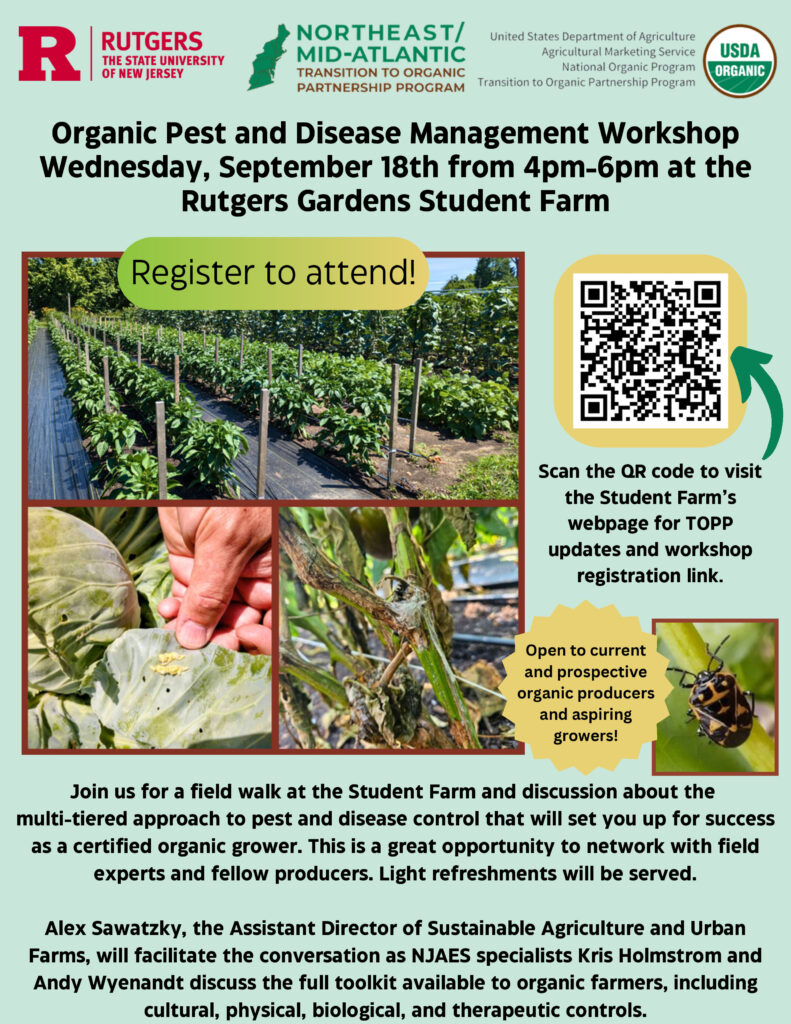
Credit: urbanag.rutgers.edu
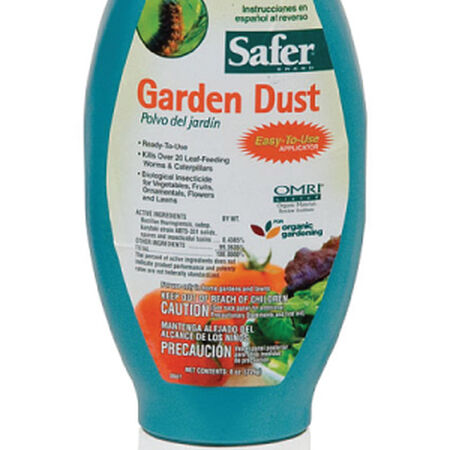
Credit: www.ufseeds.com
Frequently Asked Questions
What Is The Best Organic Pesticide For Gardens?
Spinosad is the best organic pesticide for gardens. It targets many pests without harming beneficial insects or plants.
How To Control Pests In A Garden Organically?
Control garden pests organically by using neem oil, insecticidal soap, and diatomaceous earth. Encourage beneficial insects and practice crop rotation. Keep plants healthy with proper watering and mulching to resist pests naturally.
How To Control Pests And Diseases Organically?
Use neem oil, insecticidal soaps, and diatomaceous earth to control pests organically. Rotate crops and encourage beneficial insects. Maintain healthy soil and remove infected plants promptly.
What Do Organic Farms Use For Pest Control?
Organic farms control pests using natural predators, neem oil, insecticidal soaps, diatomaceous earth, and biological sprays like spinosad.
What Are The Best Organic Methods For Pest Control In Urban Gardens?
Using natural predators like ladybugs and neem oil sprays helps control pests safely. Crop rotation and companion planting also reduce pest problems naturally.
Conclusion
Organic pest and disease control helps keep urban gardens healthy. Use natural methods to protect plants safely. This approach supports the environment and your garden’s growth. Regular care and observation catch problems early. Healthy soil and diverse plants reduce pest risks.
Choose organic products wisely for best results. Enjoy a thriving garden without harmful chemicals. Your urban garden can flourish with simple, natural care.