
If you grow your own garden vegetables, you probably want to enjoy their fresh taste long after harvest. But when it comes to preserving your bounty, you might wonder: should you use pressure canning or water bath canning?
Choosing the right method isn’t just about convenience—it’s about keeping your food safe and delicious. You’ll discover the key differences between pressure canning and water bath canning, which vegetables each method works best for, and how to protect your family from harmful bacteria.
Keep reading to learn how to confidently preserve your garden’s harvest the right way every time.
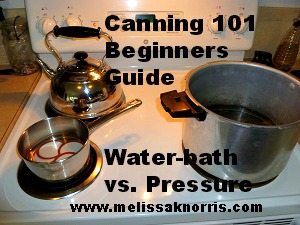
Credit: melissaknorris.com
Canning Basics
Canning is a popular way to preserve garden vegetables. It keeps food safe and fresh for months. There are two main methods: water bath canning and pressure canning. Each method uses heat to stop bacteria growth. The right method depends on the type of vegetable and acidity.
Understanding how each method works helps you choose the best one. Safety is key in canning to avoid foodborne illness. Knowing the basics makes home canning easier and more reliable.
How Water Bath Works
Water bath canning uses boiling water to kill bacteria. Jars filled with high-acid foods like tomatoes or pickles go into boiling water. The water covers the jars by at least one inch. Boiling for the right time seals the jars tightly. This method is simple and safe for acidic vegetables.
The boiling water reaches 212°F (100°C), enough to kill molds and yeasts. It does not kill all bacteria spores. That is why only high-acid foods are safe for water bath canning.
How Pressure Canning Works
Pressure canning uses a special cooker that raises temperature above boiling. The cooker traps steam, increasing pressure inside. This allows the temperature to reach 240°F (116°C) or higher. Such heat kills tough bacteria spores like botulism.
Low-acid vegetables like green beans and corn need pressure canning. It ensures the food is safe to eat after storage. The pressure cooker has a gauge to control and monitor pressure levels. Using the correct pressure and time is very important.
Safety Factors
Safety is the top priority in preserving garden vegetables. Proper canning prevents harmful bacteria from spoiling food and causing illness. Understanding safety factors helps in choosing the right canning method.
Pressure canning and water bath canning differ in how they kill bacteria and preserve food safely. Knowing these differences keeps your preserved vegetables safe to eat.
Botulism Risks And Heat Requirements
Botulism is a deadly illness caused by bacteria that grow without oxygen. These bacteria form spores that survive boiling water temperatures. Water bath canning reaches only 212°F (100°C), which is not enough to kill botulism spores.
Pressure canning heats food above 240°F (116°C). This high heat kills botulism spores and makes low-acid foods safe. Using pressure canning for vegetables like green beans and corn reduces health risks.
Acidity And Food Types
Acidity affects the safety of canned foods. High-acid foods like tomatoes and fruits can be safely processed in a water bath canner. Acid stops bacteria from growing.
Low-acid vegetables need pressure canning. These include carrots, potatoes, and squash. The pressure method reaches higher temperatures to destroy bacteria.
Choosing the right canning method depends on the food’s acidity. Always follow tested recipes to ensure safety.
Suitable Vegetables For Each Method
Choosing the right canning method depends on the type of vegetable. Each method suits specific vegetables based on their acidity levels. Understanding which vegetables fit each method ensures safe preservation and tasty results.
High-acid Vegetables
High-acid vegetables have a pH below 4.6. Their natural acidity helps prevent harmful bacteria growth during canning. Examples include tomatoes, pickles, and sauerkraut. These vegetables work well with water bath canning. The boiling water kills bacteria without needing extra pressure. Water bath canning is simple and effective for these types. It keeps the vegetables safe and flavorful.
Low-acid Vegetables
Low-acid vegetables have a pH above 4.6. They include green beans, carrots, corn, and peas. These vegetables risk botulism if canned without enough heat. Pressure canning reaches higher temperatures than boiling water. It kills dangerous bacteria spores inside low-acid foods. This method is essential for safe preservation. Pressure canning keeps your garden vegetables fresh and safe for months.
Processing Times And Temperatures
Processing times and temperatures are crucial for safe and effective home canning. Each method uses different heat levels and durations to preserve garden vegetables properly. Understanding these differences helps prevent spoilage and foodborne illnesses. Follow exact times and temperatures for the best results.
Water Bath Timing
Water bath canning uses boiling water at 212°F (100°C). The heat kills bacteria and molds on the surface. Processing times usually range from 5 to 85 minutes. The time depends on the vegetable type and jar size. Low-acid vegetables require longer times or other methods. Always follow tested recipes for safe timing. Overcooking can affect texture but undercooking risks spoilage.
Pressure Canning Timing
Pressure canning reaches higher temperatures, around 240°F (116°C). This heat kills harmful bacteria, including botulism spores. Processing times vary from 10 to 100 minutes depending on food type and pressure level. Use a reliable pressure canner and follow manufacturer instructions. High pressure and temperature make this method suitable for low-acid vegetables. Proper timing ensures food safety and quality.
Equipment And Costs
Choosing between pressure canning and water bath canning involves understanding the equipment and costs. Each method requires different tools that affect your initial investment and ongoing use. This section breaks down the basic equipment needs and cost factors for both methods. Knowing this helps plan your canning setup better and stay within budget.
Water Bath Equipment Needs
Water bath canning uses simple equipment. You need a large pot with a lid, deep enough to cover jars with water by at least one inch. A rack keeps jars off the pot’s bottom to prevent breakage. Basic tools include canning jars, lids, and a jar lifter for safety. Most kitchens already have a suitable pot, so extra costs can be minimal. These items are usually affordable and easy to find at local stores or online.
The setup is straightforward, making water bath canning a cost-effective choice. This method suits beginners or those on a tight budget. Replacement lids are inexpensive and reusable for some types. Overall, water bath canning requires minimal investment and simple maintenance.
Pressure Canner Features And Price
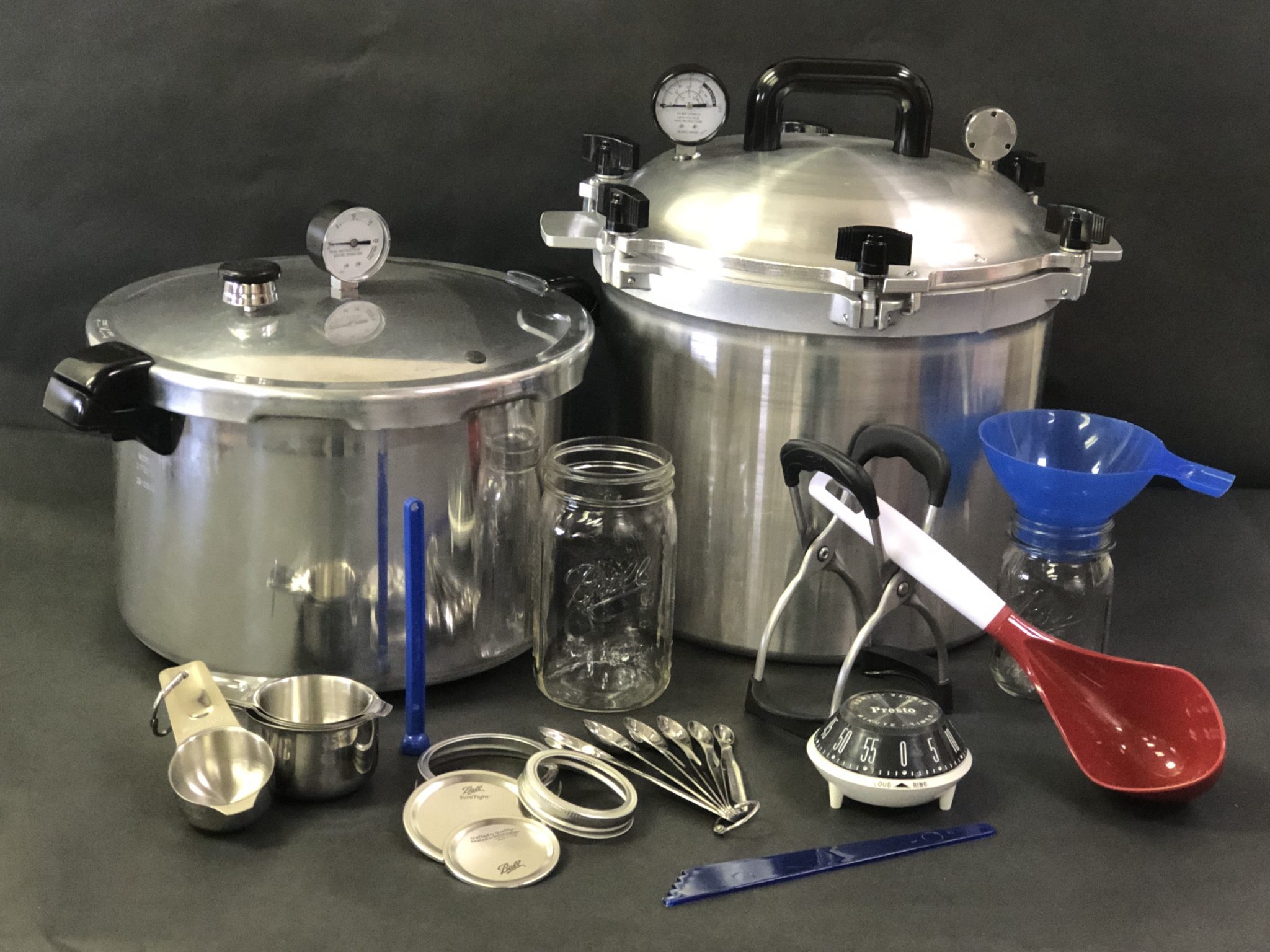
Pressure canners are specialized and more expensive than water bath pots. They have a heavy lid that locks in place and a pressure gauge or weighted regulator. This equipment reaches higher temperatures needed to safely preserve low-acid vegetables. Sizes vary from 8 to 23 quarts, affecting the price and capacity.
Prices range from $70 to over $200 depending on brand and features. Durable models with stainless steel construction cost more but last longer. Pressure canners need careful handling and regular maintenance of seals and gauges. Buying extra jars and specialized accessories can add to costs. Despite higher upfront expenses, pressure canning provides safety for a wider range of vegetables.
Credit: www.aces.edu
Flavor And Texture Differences
Flavor and texture change depending on the canning method used. Garden vegetables processed by pressure canning or water bath canning have noticeable differences. These differences affect taste and mouthfeel after storage. Understanding these changes helps choose the best method for preserving garden harvests.
Flavor Impact Of Pressure Canning
Pressure canning uses high heat and pressure to kill bacteria. This process can slightly cook vegetables more than water bath canning. The intense heat can soften flavors and blend tastes. Some vegetables may lose a bit of their fresh, crisp flavor. The result is a more mellow and uniform taste.
Flavor Impact Of Water Bath Canning
Water bath canning uses boiling water to preserve food. This gentler heat keeps more of the vegetable’s original flavor. Garden vegetables often taste fresher and brighter after water bath canning. The natural sweetness and acidity stay more intact. This method suits high-acid vegetables like tomatoes and pickles best.
Texture Changes With Pressure Canning
The high pressure breaks down vegetable fibers more deeply. Vegetables can become softer and less crunchy. This effect is good for root vegetables or beans that need thorough cooking. Pressure canning keeps food safe but may reduce firmness. Textures become tender, almost stew-like.
Texture Changes With Water Bath Canning
Water bath canning gently cooks vegetables. The texture stays closer to fresh, with some firmness left. Crispness can remain in pickled or acid-rich vegetables. However, long boiling times can still soften food somewhat. This method helps keep a pleasant bite in garden produce.
Common Mistakes To Avoid
Preserving garden vegetables requires care and attention. Mistakes in pressure canning and water bath canning can spoil your efforts. Understanding common errors helps keep your food safe and tasty. Avoid these pitfalls to enjoy fresh flavors all year.
Not Adjusting For Altitude
Altitude changes boiling points and pressure levels. Canning times and pressures must be adjusted. Failing to do this risks underprocessing and unsafe food. Check local guidelines before starting your canning project.
Using The Wrong Method For Low-acid Vegetables
Low-acid vegetables need pressure canning, not water bath. Water bath cannot kill harmful bacteria in these foods. Using the wrong method can cause food poisoning. Always use pressure canning for vegetables like beans and corn.
Overfilling Or Underfilling Jars
Fill jars to the recommended level. Overfilling can block steam flow and prevent sealing. Underfilling leaves too much air, causing spoilage. Follow recipe instructions carefully for best results.
Skipping The Headspace Requirement
Headspace allows food to expand during processing. Too little space can cause jars to crack or lids to fail. Too much space invites air and bacteria. Measure headspace exactly as recipes say.
Not Checking Jar Seals Properly
A tight seal keeps food safe and fresh. After cooling, test lids by pressing the center. A sealed lid will not flex up or down. Do not store jars with unsealed lids. Reprocess or refrigerate them instead.
Ignoring Equipment Maintenance
Clean and inspect your canner and jars before use. Damaged lids or jars can break or fail to seal. Replace rusty or cracked equipment. Proper tools ensure a safe canning process.
Traditional Vs Modern Practices
Preserving garden vegetables has long involved different methods shaped by tradition and innovation. Traditional canning relies heavily on water bath methods, passed down through generations. Modern practices embrace pressure canning, offering safer options for low-acid foods. Understanding these approaches helps gardeners choose the best method for their needs.
Amish Community Approaches
The Amish community shows a mix of old and new canning ways. Some Amish groups use pressure canners, especially for vegetables and meats. They know pressure canning kills harmful bacteria better than water baths. Yet, certain Old Order Amish still prefer water bath canning for all foods. This choice often follows their religious and community rules.
Safety is a concern, but tradition holds strong in some groups. Many Amish communities adopt modern tools like propane fridges. Their canning choices balance faith, safety, and history. This variety shows how culture shapes food preservation methods.
Modern Home Canning Trends
Modern home canners favor pressure canning for low-acid garden vegetables. This method uses high heat and pressure to stop bacteria growth. It ensures longer shelf life and safer preservation. Water bath canning remains popular for high-acid foods like tomatoes and pickles.
New canners also use digital timers and electric pressure cookers. These tools make canning simpler and more precise. Educational resources stress safety and correct techniques. Gardeners today blend tradition with technology for the best results.
Choosing The Right Method For Your Garden
Choosing the right method for preserving your garden vegetables makes a big difference. Both pressure canning and water bath canning have their place. Each method suits different types of vegetables and storage needs. Understanding which to use helps keep your food safe and tasty.
Assessing Vegetable Acidity
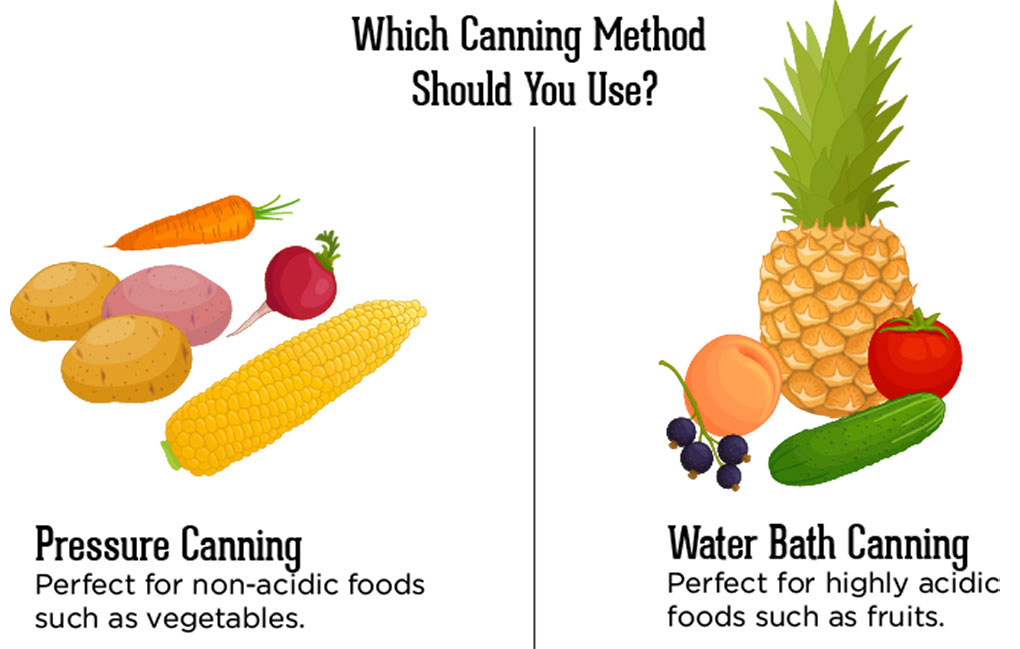
Vegetable acidity guides your canning method choice. High-acid vegetables like tomatoes and pickles do well with water bath canning. The boiling water kills bacteria in these foods. Low-acid vegetables like green beans and carrots need pressure canning. Pressure canners reach higher temperatures. This heat kills dangerous bacteria that boiling water cannot.
Volume And Storage Considerations
Think about how much you want to preserve. Pressure canners usually hold more jars at once. This makes them good for large garden harvests. Water bath canners often fit fewer jars. They work well for smaller batches or quick projects. Also, consider your storage space. Properly canned jars last long on shelves. Both methods create sealed jars that store safely when done correctly.
Credit: www.greatlakesace.com
Frequently Asked Questions
Is Pressure Canning Better Than A Water Bath?
Pressure canning reaches higher temperatures, killing harmful bacteria in low-acid foods. Water bath suits high-acid foods like fruits and pickles. Use pressure canning for vegetables and meats to ensure safety; water bath works well for jams and acidic preserves.
What Vegetables Should Not Be Pressure Canned?
Broccoli, cauliflower, cabbage, lettuce, eggplant, artichokes, olives, and squash should not be pressure canned. These vegetables have textures that degrade or require different preservation methods. Avoid canning sweets, milk, grains, and lard in pressure canners as well.
Do Amish Use Pressure Canners?
Many Amish use pressure canners for low-acid foods like meats and vegetables. Some traditional groups prefer water-bath canning due to customs. Safety and methods vary by community and beliefs.
Is It Better To Can Tomatoes In A Water Bath Or Pressure Canner?
Water bath canning safely preserves high-acid tomatoes. Use a pressure canner if adding low-acid ingredients for safety.
What Is The Main Difference Between Pressure And Water Bath Canning?
Pressure canning uses high heat and pressure to kill bacteria in low-acid foods. Water bath canning boils jars in hot water for high-acid foods like fruits and pickles. The two methods target different types of food safety needs.
Conclusion
Choosing between pressure canning and water bath canning depends on your vegetables. Pressure canning reaches higher temperatures, killing harmful bacteria in low-acid foods. Water bath canning works well for high-acid vegetables like tomatoes. Always use the right method to keep your canned goods safe.
Remember, safety matters most when preserving your garden harvest. Both methods have their place in home canning. Select the one that fits your vegetables and equipment. Preserve your garden’s bounty with care and confidence.