
Are you tired of watching your grocery bills climb higher every week? What if you could cut those costs significantly by growing some of your own food right at home?
By choosing the right crops to grow, you not only save money but also gain fresh, tasty produce whenever you want. You’ll discover the top crops that are easy to grow, require minimal effort, and offer the biggest savings. Ready to take control of your food expenses and enjoy the satisfaction of homegrown harvests?
Keep reading to find out which plants can make the biggest difference in your budget.
High-value Vegetables
Growing high-value vegetables in your garden cuts grocery bills significantly. These vegetables offer great yields and rich flavors. They store well and serve many meals. Choosing the right crops means more savings and less waste. Focus on vegetables that grow easily and provide lots of food.
Tomatoes For Savings
Tomatoes are a popular choice for home gardens. They produce many fruits per plant. Fresh tomatoes cost a lot in stores. Growing your own means fresh tomatoes all season. You can use them in sauces, salads, and soups. Canning or drying tomatoes preserves them for winter. This reduces the need to buy canned tomatoes.
Potatoes As Staple Crops
Potatoes are filling and store well for months. They need little space but yield a lot. Planting potatoes saves money on buying starchy foods. They grow in many soil types and climates. Potatoes are versatile in cooking – mashed, roasted, or baked. Growing them also reduces trips to the store.
Zucchini And Squash Benefits
Zucchini and squash grow fast and produce abundantly. One plant can provide many vegetables in a season. These veggies are low in calories but high in nutrients. They can be eaten fresh or cooked in many dishes. Zucchini and squash are easy to store by freezing or pickling. Growing them helps avoid buying expensive fresh produce.
Easy-to-grow Herbs
Growing herbs at home is one of the easiest ways to save money on groceries. Herbs need little space and few resources. They grow quickly and add fresh flavor to meals. Even beginners can enjoy a thriving herb garden with minimal effort. Herbs also reduce trips to the store and lower grocery bills.
Basil And Parsley Uses
Basil and parsley are versatile herbs used in many dishes. Fresh basil brightens salads, pasta, and sauces. Parsley adds a fresh, mild flavor to soups and stews. Both herbs are perfect for garnishing and cooking. Growing these herbs at home means endless fresh supplies. You save money and enjoy better tasting food.
Mint And Thyme Advantages
Mint and thyme offer unique flavors and health benefits. Mint is great for drinks, desserts, and teas. Thyme works well in roasted dishes and marinades. Both herbs grow easily and spread quickly. Mint can even deter pests in your garden. Thyme stays fresh longer, reducing waste. These herbs save money and enhance your meals.
Herbs For Container Gardens
Many herbs grow well in containers on balconies or windowsills. Container gardening fits small spaces and urban homes. You can grow basil, parsley, mint, and thyme in pots. Containers allow better control over soil and water. This method keeps herbs within easy reach in your kitchen. Growing herbs in containers saves money and adds greenery to your home.
Leafy Greens And Salad Crops
Leafy greens and salad crops are some of the best plants to grow at home for saving money. They grow quickly and provide fresh, nutritious leaves for meals. Many types thrive in small spaces, making them ideal for beginner gardeners and urban growers.
These crops often produce multiple harvests, so you get more food from less effort. Growing your own greens reduces grocery bills and ensures you eat healthy. Here are some popular leafy greens and salad crops to consider planting.
Lettuce Varieties
Lettuce is easy to grow and has many types to choose from. Butterhead, Romaine, and leaf lettuce all grow well in cooler weather. They mature fast, often in just 30 days. You can harvest outer leaves and let the plant keep growing. This means fresh salad greens nearly all season long.
Spinach And Kale Choices
Spinach and kale offer strong flavors and many nutrients. Both handle cooler temperatures and can even survive light frosts. Baby spinach leaves are tender and perfect for salads. Kale is hardier and great for cooking or raw in salads. These greens grow well in small garden beds or containers.
Fast-growing Salad Mixes
Salad mixes contain a blend of baby greens like arugula, mustard greens, and chard. These crops grow quickly and add variety to meals. You can sow seeds every two weeks for a steady supply. Harvest leaves young for tender texture and mild flavor. Salad mixes are a simple way to enjoy fresh greens regularly.
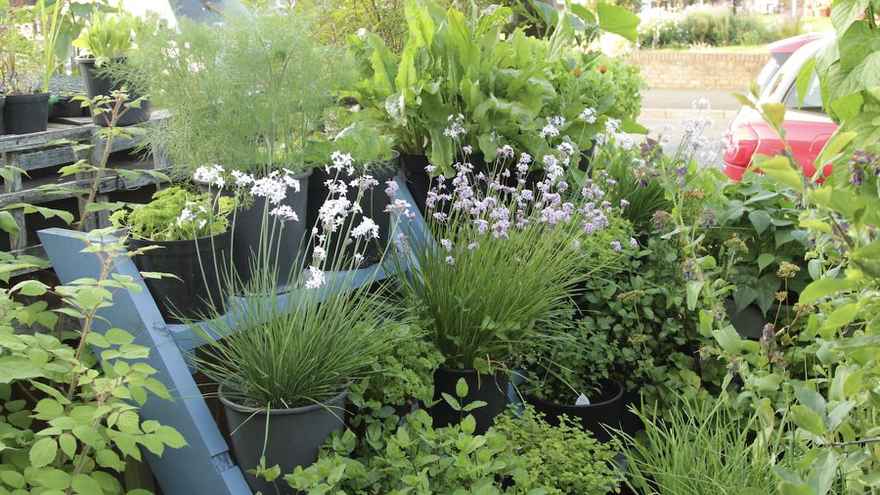
Credit: verticalveg.com
Peppers And Specialty Crops
Growing peppers and specialty crops offers great value to your garden and grocery budget. These plants are easy to grow and provide fresh flavors right from your backyard. They add variety to meals and reduce the need to buy expensive produce. With the right care, they produce abundantly and store well for later use.
Sweet And Hot Peppers
Sweet and hot peppers thrive in warm weather and full sun. They need well-drained soil and regular watering. Sweet peppers are perfect for salads and cooking, while hot peppers add spice to dishes. Growing your own peppers cuts costs and ensures no chemicals on your food. Harvest peppers when they fully ripen for the best taste.
Cucumbers For Freshness
Cucumbers grow quickly and produce many fruits per plant. They prefer rich soil and plenty of sunlight. Fresh cucumbers from the garden taste crisp and refreshing. Pick them regularly to encourage more growth. Homegrown cucumbers save money compared to store-bought, especially in summer months.
Melons And Pumpkins
Melons and pumpkins are great specialty crops for saving money. They need space to spread and plenty of sun. Melons offer sweet, juicy fruit perfect for snacks and desserts. Pumpkins have many uses, from cooking to decoration. Growing these crops means fresh produce without the high store prices.
Legumes And Beans
Legumes and beans are excellent choices for saving money on groceries. They provide protein, fiber, and essential nutrients at a low cost. Growing them in your garden reduces the need to buy expensive packaged foods. These plants also enrich the soil by fixing nitrogen, helping other crops grow better.
Green Beans And Broad Beans
Green beans grow quickly and produce a large harvest. They can be eaten fresh or cooked in many dishes. Broad beans are hardy and thrive in cooler climates. Both types require little space and offer high yields. You can pick green beans regularly to encourage more pods.
Peas For Protein
Peas are rich in protein and easy to grow. They come in many varieties, such as snap peas and snow peas. Peas climb on trellises, saving garden space. Fresh peas taste better than store-bought and cost less. Adding peas to meals boosts nutrition without extra expense.
Growing And Harvesting Tips
Plant legumes in well-drained soil with good sunlight. Water them regularly but avoid waterlogging. Use supports like stakes or trellises for climbing varieties. Harvest beans and peas early for the best flavor and texture. Save some seeds to plant next season and reduce costs further.
Maximizing Yield
Maximizing your garden’s yield is essential to save money on groceries. By growing more crops in less space and using resources wisely, you get more food for your effort. Smart planting and care techniques help increase production without extra cost. This section explores simple ways to boost your harvest efficiently.
Succession Planting
Succession planting means growing crops one after another in the same space. After harvesting one crop, plant another immediately. This keeps your garden producing all season long. You can plant fast-growing vegetables like lettuce or radishes after slow ones like beans. This method fills your garden with continuous fresh produce.
Companion Planting
Companion planting uses plants that grow well together. Some crops help each other by improving growth or protecting from pests. For example, planting basil near tomatoes can improve tomato flavor and reduce bugs. Beans add nitrogen to the soil, helping leafy greens nearby. This natural teamwork saves money on chemicals and boosts yield.
Water And Fertilizer Efficiency
Use water and fertilizer carefully to avoid waste. Water plants deeply but less often to encourage strong roots. Drip irrigation is a good way to deliver water directly to roots. Use compost or natural fertilizers to feed plants slowly and evenly. Efficient use of these resources means healthier crops and less spending.
Storage And Preservation
Growing your own food cuts grocery bills, but smart storage extends these savings. Preserving crops properly keeps them fresh longer. This reduces waste and trips to the store. Learn simple methods to store and preserve your harvest. These techniques fit well with common garden crops.
Cellaring Root Vegetables
Root vegetables like carrots, potatoes, and beets store well in cool, dark places. A cellar or basement works best. Keep them in boxes with damp sand or sawdust. This keeps moisture balanced and prevents shriveling. Avoid storing near apples or onions, which emit gases that spoil roots. Check stored vegetables regularly. Remove any that show signs of rot to protect the rest.
Drying And Freezing Herbs
Herbs lose flavor quickly after harvest. Drying is an easy way to keep them year-round. Hang small bunches upside down in a warm, dry room. Once dry, crumble leaves into jars. Freezing herbs is another option. Chop fresh herbs and freeze in ice cube trays with water or oil. This preserves flavor for cooking later. Both drying and freezing save money by reducing the need to buy fresh herbs.
Canning And Pickling Basics
Canning preserves fruits and vegetables safely for months. Use clean jars and proper lids. Follow tested recipes to avoid spoilage or foodborne illness. Pickling uses vinegar or brine to extend shelf life and add flavor. Cucumbers, peppers, and green beans work well for pickling. Both methods allow you to enjoy homegrown produce well beyond the harvest season. Canning and pickling also add variety to your meals without extra cost.

Credit: www.youtube.com
Container And Small Space Gardening
Container and small space gardening offers a smart way to grow food at home. It suits people living in apartments or places without a yard. You can grow fresh vegetables and herbs right on your balcony or patio. This method saves money and reduces grocery trips.
Growing crops in containers uses less space and can fit into tight areas. It also lets you control soil quality and watering easily. Small space gardening can be productive and enjoyable for beginners and experienced gardeners alike.
Best Crops For Containers
Choose crops that thrive in limited soil and space. Tomatoes are a top choice for containers. They need a sunny spot and regular watering. Leafy greens like lettuce and spinach grow fast and take little room. Herbs such as basil, parsley, and mint fit well in small pots. Peppers and radishes also do well in containers. These crops provide fresh food and save money.
Vertical Gardening Ideas
Use vertical space to increase your garden area. Hanging planters and wall-mounted pots work great. Install trellises for climbing plants like cucumbers and beans. Pallet gardens can hold many small pots. Vertical gardening keeps plants off the ground, reducing pests. It helps maximize limited space and keeps your garden neat.
Soil And Water Tips
Use high-quality potting soil for healthy plants. Avoid garden soil; it can be too dense for containers. Mix in compost to add nutrients and improve drainage. Water containers regularly, as they dry out faster than ground soil. Check moisture daily, especially in hot weather. Adding mulch on top helps keep soil moist longer. Proper soil and watering boost your crop yield.

Credit: anoregoncottage.com
Frequently Asked Questions
What Are The Best Crops To Save Money?
The best money-saving crops include potatoes, tomatoes, herbs, lettuce, cucumbers, zucchini, and peppers. These grow easily and yield high nutrition.
What Is The 70 30 Rule For Gardening?
The 70 30 rule for gardening means planting 70% reliable, core plants and 30% experimental or seasonal crops to balance stability and variety.
What Groceries Are The Cheapest To Grow?
The cheapest groceries to grow include potatoes, tomatoes, lettuce, herbs, cucumbers, zucchini, and green beans. These crops require low investment and yield high returns. They grow well in small spaces and containers, saving money on store-bought produce while providing fresh, healthy food at home.
What Is The Cheapest Crop To Grow?
The cheapest crop to grow is potatoes. They cost little to plant, need minimal care, and store well for months. Herbs, tomatoes, and radishes also grow inexpensively and yield high returns in small spaces. These crops save money and provide fresh, healthy produce year-round.
What Are The Top Crops To Grow For Saving Money?
Growing potatoes, tomatoes, and herbs helps cut grocery costs. These crops are easy to grow and yield well. They also store well or can be used fresh.
Conclusion
Growing your own crops cuts grocery bills and boosts freshness. Choose easy-to-grow veggies like tomatoes, potatoes, and herbs. These plants need little care but offer big savings. Start small with containers if space is tight. Watch your garden grow and enjoy tasty, homegrown food.
Saving money and eating healthy feels great. Gardening also gives you control over what you eat. Try planting these top crops this season and see the benefits yourself. Simple steps lead to smart savings. Your wallet and plate will thank you.