
Imagine stepping outside your door to a vibrant, green oasis that doesn’t demand hours of your time. If you’re juggling a busy schedule but still crave the joy of gardening, you’re in the right place.
This guide is packed with easy urban garden design ideas and smart, low-maintenance tips tailored just for you. Whether your space is tiny or awkwardly shaped, you’ll discover how to create a beautiful garden that fits your lifestyle perfectly. Ready to transform your urban space into a thriving garden retreat without the hassle?
Keep reading—your dream garden is closer than you think.
Credit: www.extraspace.com
Urban Garden Layouts
Urban garden layouts transform small city spaces into green havens. Thoughtful design helps balance beauty and function. Busy gardeners benefit from easy-to-manage garden plans that save time and effort. Clever layouts make the most of limited space and natural light. Simple, smart arrangements keep plants healthy and accessible. Explore practical ideas to create an inviting urban garden that fits your lifestyle.
Maximizing Small Spaces
Small urban gardens need smart planning to fit many plants. Use corners and narrow areas for planting beds or pots. Group plants with similar sunlight and water needs together. Choose compact or dwarf plant varieties to save room. Clear pathways allow easy access without wasting space. Reflective surfaces like mirrors brighten shaded spots, making gardens feel larger. Keep designs simple to avoid overcrowding and maintenance challenges.
Container Gardening Options
Containers let you grow plants almost anywhere in the city. Choose pots made from lightweight, durable materials for easy moving. Use containers of different sizes to create layers and interest. Self-watering pots reduce watering time and help plants stay healthy. Group containers on patios, balconies, or window sills for easy care. Herbs, flowers, and small vegetables grow well in containers. Containers also protect plants from pests and urban pollution.
Vertical Garden Solutions
Vertical gardens save floor space by growing plants upwards. Use wall-mounted planters, hanging baskets, or trellises for climbing plants. Vertical systems bring greenery to bare walls or fences. They improve air quality and add privacy in tight spaces. Choose fast-growing vines or lightweight plants suited for vertical growth. Vertical gardens are easy to water and maintain with drip irrigation. They create a lush, green backdrop without needing much ground space.
Credit: www.finegardening.com
Plant Selection
Choosing the right plants is the first step in creating a beautiful urban garden. Plants that suit your environment and lifestyle reduce the need for constant care. This makes gardening easier and more enjoyable for busy people.
Focus on plants that thrive in your local climate and require less water or sunlight. This helps keep your garden healthy without much effort. Below are some excellent options to consider for a low-maintenance urban garden.
Drought-tolerant Plants
Drought-tolerant plants survive with little water. They are perfect for dry, hot urban areas. Succulents, lavender, and sedum are popular choices. These plants store water in their leaves or stems.
They need watering only once in a while. This saves time and water bills. Their tough nature makes them resistant to pests and diseases. Ideal for gardeners with limited time.
Native Species Benefits
Native plants grow naturally in your region. They adapt well to local soil and weather. These plants support local wildlife like bees and birds. They require less fertilizer and pesticides.
Using native species helps maintain the natural balance. They are easier to care for and last longer. Native plants also connect your garden to the local environment.
Low-light Tolerant Varieties
Many urban gardens have shaded areas. Low-light tolerant plants do well in these spots. Hostas, ferns, and snake plants thrive with minimal sunlight.
These plants keep green and healthy without direct sun. They require less watering and pruning. Perfect for balconies, shaded patios, or indoor spaces. They add beauty to darker corners of your garden.
Soil And Drainage
Good soil and proper drainage form the foundation of a healthy urban garden. Soil provides plants with nutrients and support. Drainage prevents water from pooling, which can harm roots. Balancing these two helps plants grow strong and reduces maintenance needs.
Choosing The Right Soil Mix
Select soil that suits your plants and garden style. A mix of garden soil, compost, and sand often works well. Compost adds nutrients and improves soil structure. Sand helps loosen heavy soil, allowing roots to breathe. Avoid soil that stays too wet or dries too fast.
Improving Drainage Techniques
Drainage keeps excess water away from plant roots. You can add organic matter like peat or bark to improve drainage. Create small holes or channels in soil to help water flow. Avoid compacting the soil by walking on it. Proper drainage stops root rot and keeps plants healthy.
Raised Bed Advantages
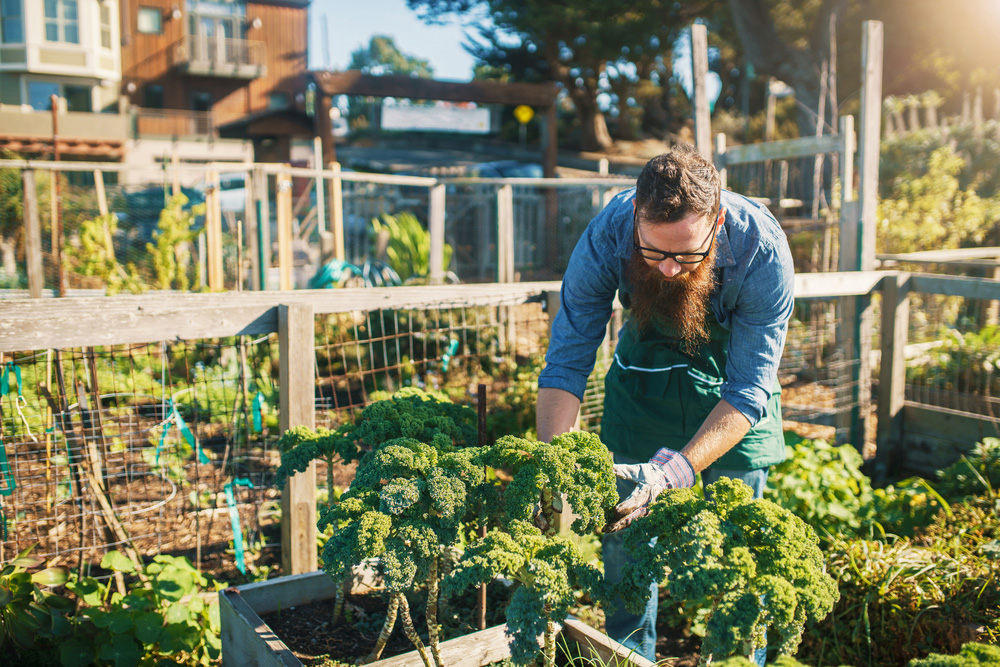
Raised beds improve soil control and drainage. They warm up faster in spring and reduce weeds. You can fill them with a custom soil mix for best results. Raised beds also prevent soil compaction. They make gardening easier for busy gardeners with less bending and kneeling.
Watering Strategies
Watering is vital for every urban garden, especially for busy gardeners. Efficient watering keeps plants healthy and saves time. It also reduces water waste. Adopting smart watering strategies helps maintain a lush garden with less effort. This section covers practical tips for watering your garden effectively.
Efficient Irrigation Systems
Drip irrigation delivers water directly to plant roots. It reduces evaporation and runoff, making it water-efficient. Soaker hoses work well for garden beds and borders. They release water slowly along their length. Automated timers allow watering at optimal times, like early morning. These systems save time and keep plants hydrated consistently.
Watering Schedule Tips
Water plants early in the morning or late in the evening. This reduces water loss from heat and wind. Check soil moisture before watering to avoid overwatering. Deep, less frequent watering encourages strong roots. Adjust your schedule based on weather and plant needs. Consistent watering helps plants grow better and stay healthy.
Rainwater Harvesting Methods
Collect rainwater using barrels or large containers. Position them under downspouts to catch roof runoff. Rainwater is free and better for plants than tap water. Use a simple filter to keep debris out. This method reduces water bills and supports sustainable gardening. Stored rainwater is handy during dry spells or water restrictions.
Garden Maintenance
Garden maintenance is essential for a thriving urban garden. It keeps plants healthy and the space looking neat. Busy gardeners benefit from simple, effective care routines. These reduce effort while maintaining beauty and productivity. Focus on tasks that save time and support plant growth.
Mulching For Moisture Retention
Mulching helps keep soil moist by reducing evaporation. Apply a layer of organic mulch like wood chips or straw. It also prevents weed growth, reducing the need for constant weeding. Mulch improves soil quality as it breaks down. Spread mulch around plants, but avoid piling it against stems. This simple step saves water and time.
Pruning And Deadheading
Pruning shapes plants and removes dead or damaged branches. It encourages new growth and improves air circulation. Deadheading means removing spent flowers to promote more blooms. Use clean, sharp tools to avoid plant damage. Regular pruning and deadheading keep plants healthy and tidy with minimal effort.
Pest And Disease Management
Check plants regularly for signs of pests or diseases. Early detection helps control problems before they spread. Use natural methods like handpicking pests or spraying with soapy water. Choose disease-resistant plants to reduce risks. Keeping plants healthy with good watering and pruning lowers pest issues. This approach protects your garden without harsh chemicals.
Design Enhancements
Design enhancements turn a simple urban garden into a charming retreat. They add style and function without much work. With smart choices, busy gardeners enjoy a beautiful space that requires little care.
Choosing the right elements creates balance and interest. Small details make a big difference in design and ease of maintenance. Let’s explore some easy ways to enhance your garden.
Incorporating Hardscapes
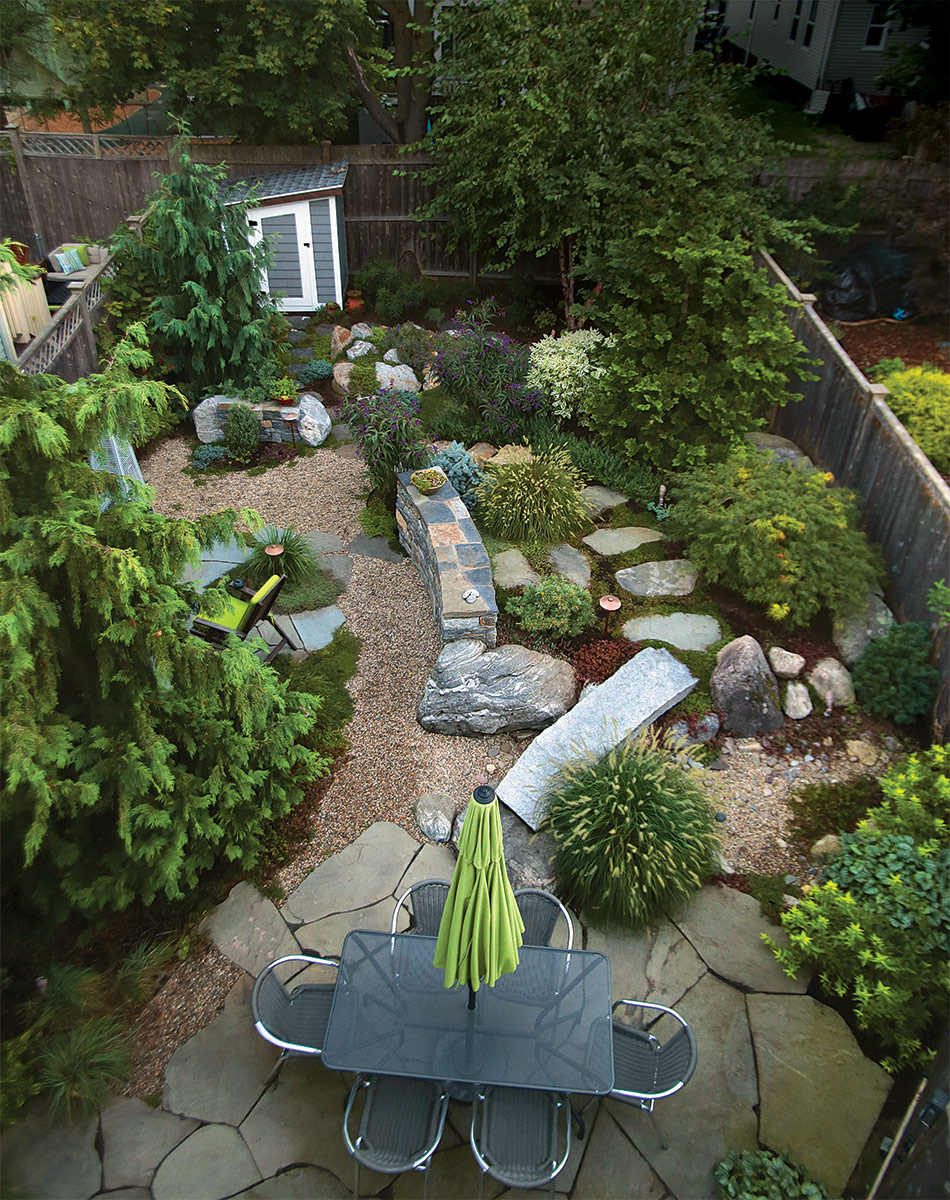
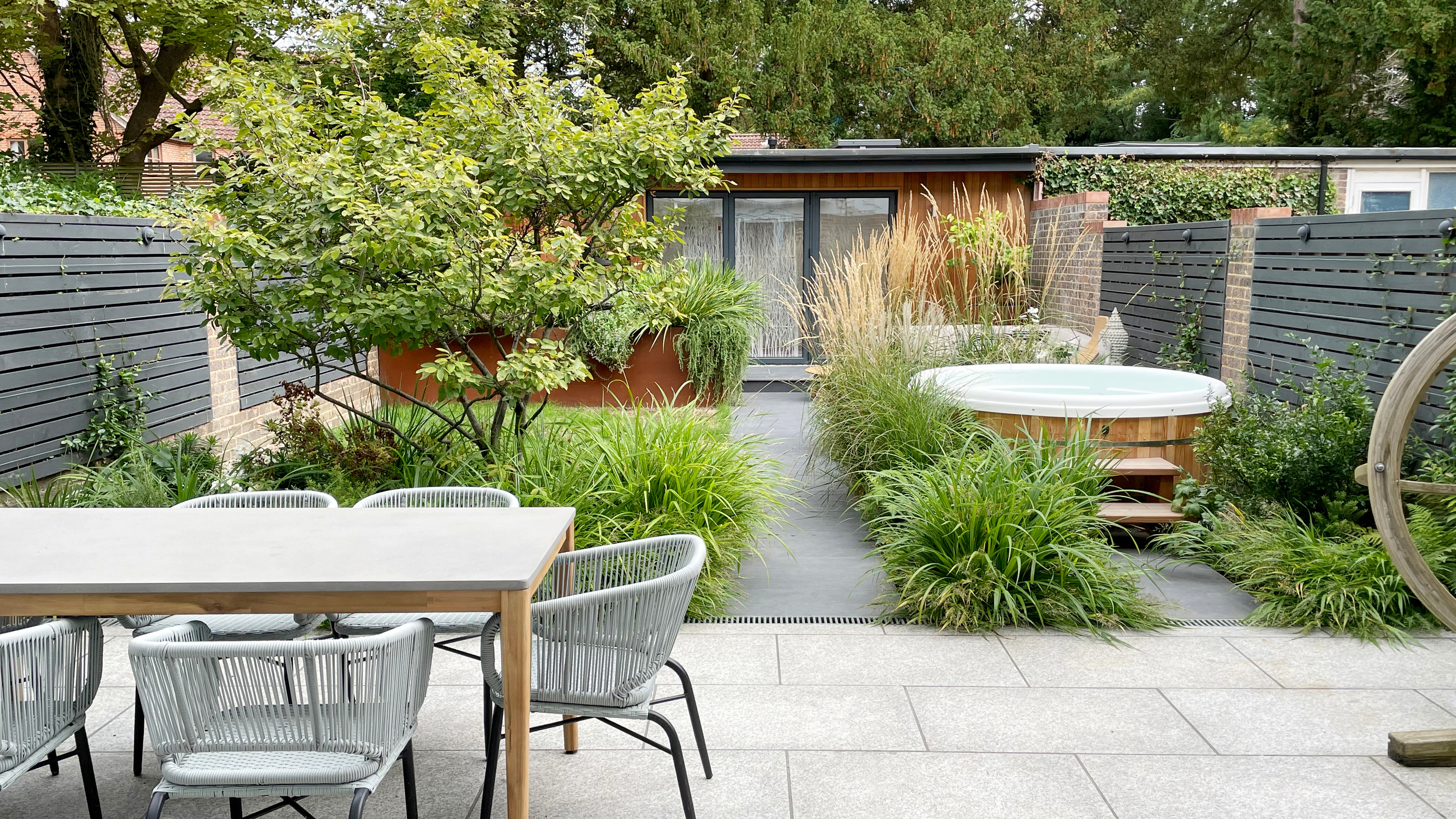
Hardscapes include paths, patios, and walls made from stone or wood. These structures reduce the area that needs watering or mowing. They create clear spaces for walking or relaxing. Hardscapes also add texture and contrast to green plants. Choose materials that fit your garden style and climate. Installing gravel or pavers helps with drainage and keeps weeds down.
Using Color And Texture
Mix different plants to bring color and texture to your garden. Use flowers with bright colors or leaves with varied shapes. Evergreen plants keep the garden lively all year. Adding mulch in different shades enhances the soil look. Colorful pots or garden art brighten small spaces. Pick plants that bloom at different times for constant interest.
Adding Functional Features
Functional features make your garden more useful and enjoyable. A bench or small table invites you to sit and relax. Raised beds reduce bending and make planting easier. Install drip irrigation to save time and water. Use vertical planters to grow more in less space. Lighting extends garden use into the evening without extra effort.
Tools And Materials
Choosing the right tools and materials shapes your urban garden’s success. Smart choices reduce work and boost plant health. A few reliable tools make daily tasks simple and quick. Materials that last cut down on replacements and repairs. This section covers essential tools, creative reuse of items, and durable material choices. Use these tips to build a garden that fits your busy life and small space.
Essential Gardening Tools
Basic tools save time and effort in garden care. A sturdy trowel helps with planting and digging. Pruning shears keep plants neat and healthy. A watering can or hose with a gentle spray suits small spaces. Gloves protect hands from dirt and thorns. Choose lightweight tools for ease and comfort. Keep tools clean and sharp for best results.
Repurposing Household Items
Old containers become perfect plant pots. Tin cans and jars add charm and save money. Use wooden crates as raised beds or storage. Plastic bottles can serve as mini greenhouses or watering aids. Broken furniture pieces turn into garden shelves or plant stands. Repurposing helps reduce waste and gives your garden a unique look.
Choosing Durable Materials
Strong materials endure weather and daily use. Metal planters resist cracking and last for years. Cedar wood naturally fights rot and insects. Concrete and stone add stability and style to beds. Avoid cheap plastics that break or fade fast. Durable materials reduce maintenance and keep your garden neat. Invest in quality for a garden that lasts longer.
Time-saving Tips
Saving time in urban garden care helps busy gardeners enjoy their green space more. Efficient methods reduce daily chores and keep gardens healthy. Smart planning and tools make maintenance easier and faster.
Planning For Low Upkeep
Choose plants that grow well with little care. Native species often need less water and fertilizer. Group plants by their water needs to simplify watering. Use mulch to keep soil moist and reduce weeds. Design garden beds with simple shapes to ease mowing and trimming.
Automated Garden Systems
Install drip irrigation to water plants slowly and deeply. Timers help water the garden at the best times. Automatic lights can protect plants from pests at night. Sensors monitor soil moisture to avoid overwatering. These systems save hours each week and prevent plant stress.
Seasonal Preparation
Prepare your garden before each season starts. Clean garden beds to prevent disease and pests. Add compost or fertilizer to boost soil health. Prune plants to encourage strong growth and remove dead parts. Cover plants in winter to protect from frost damage.
Credit: www.livingetc.com
Frequently Asked Questions
What Are The Best Plants For Low-maintenance Urban Gardens?
Succulents, herbs, and native plants need less water and care. They thrive well in small spaces and urban conditions.
How Can I Save Space In A Small Urban Garden?
Use vertical planters, hanging pots, and raised beds. These ideas maximize space and add greenery without clutter.
What Soil Type Works Best For Urban Garden Containers?
Light, well-draining soil with organic matter is ideal. It prevents waterlogging and supports healthy plant growth.
How Often Should Busy Gardeners Water Their Urban Plants?
Water deeply but less often to encourage strong roots. Early morning or late evening watering reduces evaporation.
Can I Create An Urban Garden On A Balcony Or Rooftop?
Yes, with sturdy containers and proper drainage. Ensure sunlight access and check any building rules before starting.
Conclusion
Creating an urban garden can bring peace and beauty to busy lives. Choose simple designs that save time and effort. Use containers, raised beds, or vertical gardens to fit small spaces. Select plants that need less water and care. Mulch helps keep soil moist and reduces weeds.
Regular but brief maintenance keeps your garden healthy and neat. Enjoy your green space without stress or long hours. Start small and watch your garden grow with ease.