
Imagine your garden buzzing with life, alive with the flutter of butterflies, the hum of bees, and the flash of vibrant hummingbirds. These pollinators are not just beautiful visitors—they’re essential helpers that keep your plants healthy and your garden thriving.
But how do you invite them in? The answer lies in the flowers you choose to plant. By selecting the right blooms, you can create a colorful, fragrant oasis that naturally attracts these vital creatures. Ready to transform your garden into a pollinator paradise?
Keep reading to discover the best flowers that will draw bees, butterflies, and hummingbirds right to your doorstep.

Credit: www.saferbrand.com
Top Flowers For Pollinators
Herbs and annuals play a vital role in attracting pollinators to your garden. These plants offer nectar and pollen, essential for bees, butterflies, and other helpful insects. Their colorful flowers and pleasant scents invite pollinators to visit frequently. Growing a mix of herbs and annuals creates a vibrant, lively garden buzzing with activity.
Lavender, Basil, And Dill
Lavender’s purple flowers emit a sweet scent that bees love. It blooms for a long time, providing constant food. Basil attracts a variety of pollinators, including bees and butterflies. Its tiny white flowers appear in clusters, making it easy for insects to gather nectar. Dill’s feathery leaves and umbrella-shaped flowers draw many beneficial insects. Wasps, bees, and butterflies visit dill, helping your garden thrive.
Sunflowers And Marigolds
Sunflowers are bright and tall, perfect for attracting bees and butterflies. Their large flower heads hold plenty of pollen and nectar. Marigolds add bold orange and yellow colors to your garden. They attract pollinators and repel harmful pests. Both plants are easy to grow and bloom all summer long.
Cosmos And Catnip
Cosmos flowers are delicate and come in many colors. Bees and butterflies enjoy their nectar-rich blooms. Catnip is well-known for attracting cats, but it also draws pollinators. Its small, pale flowers provide food for bees and butterflies. Planting cosmos and catnip adds diversity and life to your garden.

Credit: www.gardenary.com
Credit: www.dripworks.com
Frequently Asked Questions
What Flowers Attract The Most Pollinators?
Milkweed, Coneflower, Bee Balm, Lavender, Sunflowers, Zinnias, Goldenrod, Salvia, and Asters attract the most pollinators. These flowers provide rich nectar and pollen for bees, butterflies, and hummingbirds. Native varieties support local species best. Herbs like mint, thyme, and dill also draw beneficial insects.
What Can I Put In My Garden To Attract Pollinators?
Plant diverse flowers like sunflowers, lavender, zinnias, and bee balm to attract bees, butterflies, and hummingbirds. Include herbs such as basil, dill, and oregano for extra pollinator appeal. Choose native plants with vibrant colors and rich nectar to support local pollinator species effectively.
Can I Plant Pollinators In The Fall?
Yes, you can plant pollinators in fall. Sow milkweed seeds and plant goldenrod, asters, and sedum to support native pollinators.
What Is The Number One Flower That Attracts Butterflies?
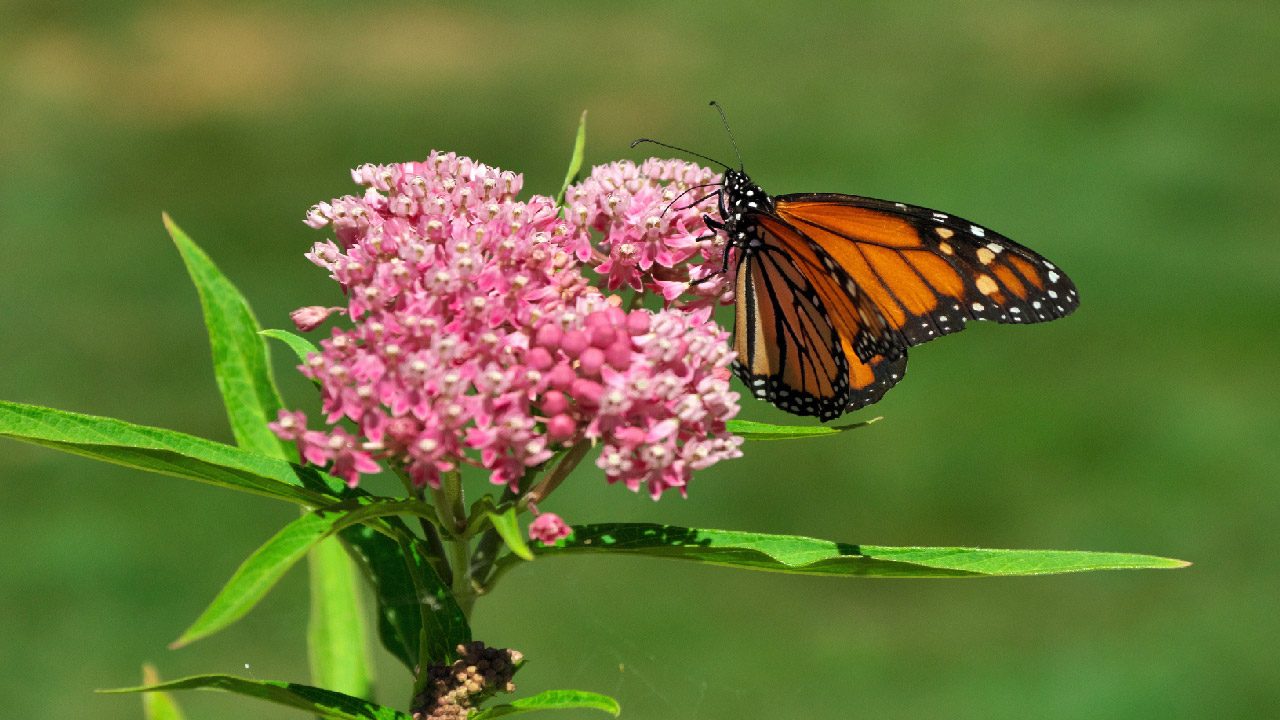
Milkweed ranks as the number one flower attracting butterflies. It provides essential nectar and serves as a host plant for caterpillars.
What Flowers Attract The Most Pollinators To Gardens?
Milkweed, Coneflower, Bee Balm, Lavender, Sunflowers, and Zinnias attract many pollinators. These flowers offer nectar and pollen that bees, butterflies, and hummingbirds love. Native plants are especially good for local pollinators.
Conclusion
Attracting pollinators brings life and beauty to your garden. Choose flowers with bright colors and sweet scents. Include a mix of native plants for best results. Bees, butterflies, and hummingbirds will visit often. Planting herbs and annuals adds variety and food sources.
Remember to provide water and shelter for pollinators. Your garden will thrive with their help. Enjoy watching nature’s busy helpers at work. Small efforts lead to big rewards in your garden.