
Do you want to grow more fresh, delicious food but feel limited by a small garden space? You’re not alone—and the good news is, you don’t need acres of land to enjoy a bountiful harvest.
With smart planning and a few simple tricks, your small garden can produce a surprising amount of fruits and veggies. Imagine picking ripe tomatoes, crisp lettuce, and vibrant herbs right outside your door, all from a compact area. Ready to make the most of your garden space and watch your food grow like never before?
Keep reading for easy, effective tips that will transform your small garden into a thriving food source.
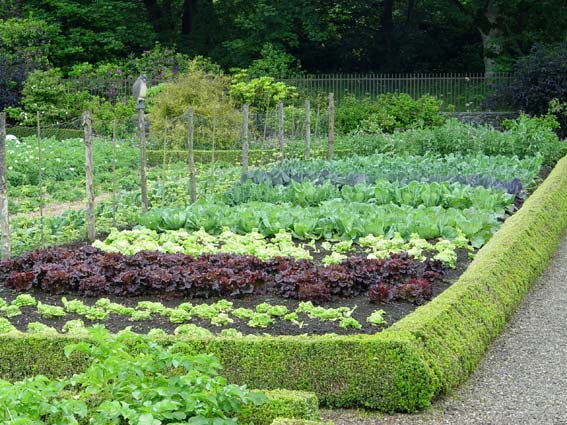
Credit: www.preen.com
Maximize Vertical Space
Using vertical space in a small garden can greatly increase your food production. It allows you to grow more plants without needing extra ground area. Vertical gardening also improves air circulation and sunlight exposure. This helps plants stay healthy and produce more fruit or vegetables.
Use Trellises And Stakes
Trellises and stakes support plants as they grow upward. They keep vines and stems off the ground. This reduces disease and makes harvesting easier. You can use wooden, metal, or plastic trellises. Stakes can be simple sticks or poles placed near plants. Attach plants gently to avoid damage. This method works well for beans, peas, and cucumbers.
Grow Climbing Plants
Choose plants that naturally climb to save space. Climbing plants use tendrils or twine to grab supports. Examples include tomatoes, pole beans, and certain squash varieties. Train these plants to grow vertically along fences or walls. Climbing plants create shade for other crops below. They also help keep your garden tidy and organized.
Install Hanging Planters
Hanging planters add growing space above ground level. Use them to plant herbs, strawberries, or small greens. They can hang from balconies, porches, or garden hooks. Hanging planters save soil space and reduce pest problems. Choose lightweight containers with good drainage. Water plants regularly, as they dry out faster in these pots.
Choose High-yield Crops
Choosing high-yield crops is essential for small gardens. These crops produce more food in less space. They help you maximize your harvest without needing a large area. Picking the right plants means you get the best results from your garden. Focus on varieties that give a big return on your effort and space.
Select Compact Varieties
Compact varieties grow smaller but produce a lot. They fit well in tight spaces and containers. These plants take up less room but still yield plenty of food. Look for dwarf or bush types of vegetables. They work well in small gardens and balconies.
Focus On Fast-growing Plants
Fast-growing plants let you harvest quickly and often. You can plant multiple crops in one season. Examples include lettuce, radishes, and spinach. These plants mature in just a few weeks. Harvesting early frees space for new crops to grow.
Prioritize Essential Vegetables
Grow vegetables you use most in your kitchen. This saves money and reduces trips to the store. Tomatoes, peppers, and herbs are popular choices. They provide good nutrition and flavor. Prioritizing these crops ensures you get useful harvests from your garden.
Optimize Plant Spacing
Optimizing plant spacing is key to growing more food in a small garden. Proper spacing helps plants get enough light, air, and nutrients. Crowded plants compete and produce less. Smart spacing can increase your harvest without adding more space. Use these methods to make every inch count in your garden.
Measure And Plan Carefully
Start by measuring your garden area. Draw a simple map to plan where each plant will go. Check seed packets or plant tags for spacing guidelines. Mark spots for each plant to avoid crowding. Planning reduces wasted space and ensures healthy growth. Accurate measurement helps fit more plants without stress.
Use Square Foot Gardening
Square foot gardening divides your garden into small sections. Each square holds a set number of plants based on size. This method maximizes space and makes planting easier. It keeps plants organized and helps avoid gaps. Square foot gardening works well for small gardens and beginners.
Practice Succession Planting
Succession planting means growing crops in a sequence. After harvesting one crop, plant another in the same spot. This keeps your garden producing food all season long. It uses space efficiently and increases total yield. Plan your crops so one finishes before the next starts.

Credit: sustainableholly.com
Improve Soil Quality
Improving soil quality is key to growing more food in a small garden. Healthy soil supports strong plant roots and better yields. It holds moisture well and provides nutrients plants need. Poor soil can limit growth and reduce harvest size. Focus on enriching your soil to make the most of limited space. Simple steps can boost soil life and fertility quickly.
Add Organic Compost
Organic compost feeds the soil with natural nutrients. It improves soil texture and water retention. Compost also encourages beneficial microbes that help plants absorb nutrients. Use kitchen scraps, garden waste, or buy compost from a garden center. Spread a layer on your soil before planting. Mix it in well to refresh tired soil and boost plant growth.
Use Raised Beds
Raised beds offer better control over soil quality and drainage. They warm up faster in spring, helping plants grow sooner. Fill beds with rich, loose soil mixed with compost. This creates an ideal environment for roots to spread. Raised beds also reduce soil compaction and make gardening easier in small spaces. They can increase your garden’s productivity effectively.
Rotate Crops Regularly
Crop rotation prevents soil nutrient depletion and disease build-up. Change plant families in each bed every season. For example, follow heavy feeders like tomatoes with nitrogen-fixing beans. This practice balances soil nutrients naturally. It also breaks pest cycles and keeps soil healthy. Rotating crops helps maintain fertile soil for ongoing food production.
Utilize Container Gardening
Container gardening is a smart way to grow more food in a small garden. It uses pots and containers to save space and increase your harvest. Containers let you grow plants on patios, balconies, or any small spot. This method also helps control soil quality and watering. You can move plants to catch the best sunlight and avoid harsh weather.
Select Large Pots
Choose pots big enough for root growth. Large containers hold more soil and water. This keeps plants healthy longer. Small pots dry out quickly and limit growth. Bigger pots support bigger plants and higher yields.
Group Plants By Needs
Put plants with similar water and sunlight needs together. This makes watering and care easier. Grouping plants prevents some from getting too much or too little light. It also helps avoid overwatering or underwatering specific plants.
Move Containers For Sunlight
Shift pots to follow the sun across the day. Some plants need full sun, others prefer shade. Moving containers gives plants the perfect light they need. This improves growth and increases your food production in a small space.
Extend Growing Seasons
Extending the growing season helps you produce more food in a small garden. It allows plants to grow longer and gives you more harvests. Cooler months do not have to stop your garden’s productivity. You can take simple steps to keep your garden growing beyond the usual season.
Use Cold Frames And Cloches
Cold frames and cloches protect plants from frost and cold winds. They create a warmer microclimate around your plants. You can place them over seedlings or young plants to shield them. This protection lets you start planting earlier in spring and keep growing later in fall. Cold frames are easy to build with old windows or clear plastic. Cloches are small covers made from glass or plastic. Both help trap heat and moisture, boosting plant growth.
Start Seeds Indoors
Starting seeds indoors gives plants a head start before outdoor planting. Use seed trays or small pots with good soil. Keep them near a sunny window or use grow lights. This method helps young plants develop strong roots and leaves. When the weather warms up, transplant them outside. Starting seeds indoors saves space and time in your garden. It also increases the variety of plants you can grow.
Plant Successive Crops
Planting successive crops means sowing new seeds as soon as one crop finishes. This keeps your garden full and productive all season. Choose fast-growing vegetables like lettuce, radishes, or spinach. Plant a new batch every few weeks for a steady harvest. Succession planting maximizes limited space and soil nutrients. It ensures you have fresh food ready to pick regularly. Plan your garden layout to fit multiple planting times.
Water Efficiently
Watering plants properly is key to growing more food in a small garden. Using water efficiently helps plants stay healthy and reduces waste. Small gardens often have limited space and resources. Smart watering keeps your garden thriving without using too much water.
Install Drip Irrigation
Drip irrigation delivers water directly to plant roots. This method reduces evaporation and runoff. It saves water and keeps soil moist longer. You can set timers for regular watering. Drip systems work well in small gardens with many plants.
Mulch To Retain Moisture
Mulch covers soil and keeps moisture inside. It stops water from evaporating quickly. Use straw, leaves, or wood chips around plants. Mulch also controls weeds that steal water. Your soil stays cooler and plants need less water.
Water Early Or Late
Water plants in the early morning or late evening. This timing lowers water loss due to heat and wind. Plants absorb water better during these cooler times. Avoid watering midday when the sun is strong. This practice helps you use water wisely.
Incorporate Companion Planting
Companion planting helps you grow more food in a small garden. It involves planting different crops close to each other. These crops support each other’s growth and health. This method saves space and improves yield. You can reduce pests and enrich soil naturally. Companion planting creates a balanced garden ecosystem. It uses nature’s power for better results.
Pair Compatible Crops
Choose plants that grow well together. Some crops help each other by providing shade or support. For example, beans fix nitrogen in soil, helping leafy greens nearby. Carrots and onions deter each other’s pests when planted side by side. Avoid planting crops that compete for the same nutrients. Pairing compatible plants maximizes space and boosts growth.
Use Natural Pest Deterrents
Certain plants keep pests away from others naturally. Marigolds repel beetles and nematodes. Basil drives away flies and mosquitoes. Planting these near vegetables reduces the need for chemicals. Herbs like rosemary and thyme also protect crops. This method keeps your garden healthy and chemical-free. It creates a safer environment for your food plants.
Enhance Soil Nutrients
Some plants improve soil quality for their neighbors. Legumes like peas and beans add nitrogen to the soil. Deep-rooted plants bring up nutrients from deeper layers. Plant these near crops that need extra nutrients. Crop rotation with companion planting keeps soil fertile. Healthy soil leads to stronger plants and bigger harvests.

Credit: www.youtube.com
Frequently Asked Questions
How Can I Maximize Space In A Small Garden?
Use vertical gardening by growing plants on trellises or stakes. Plant crops in layers to save ground space.
What Vegetables Grow Best In Small Gardens?
Choose compact or dwarf varieties like cherry tomatoes, lettuce, radishes, and herbs. These fit well in tight areas.
How Does Succession Planting Help In Small Gardens?
Succession planting lets you grow crops one after another. This keeps your garden productive all season long.
What Soil Tips Improve Yields In Small Gardens?
Use nutrient-rich compost and mulch to keep soil healthy. Regularly loosen soil to help roots grow better.
Can Container Gardening Increase Food Production?
Yes, containers allow growing in limited spaces like patios. Use large pots and good soil for healthier plants.
Conclusion
Growing food in a small garden takes smart planning and care. Use vertical space to plant more in less area. Choose plants that grow well together to save room. Water and feed your plants regularly for healthy growth. Rotate crops to keep soil rich and avoid pests.
Small gardens can produce plenty with good techniques. Start simple, stay consistent, and enjoy fresh food at home. Small space, big harvest—yes, it is possible!