
If you love gardening but want to get a head start on the growing season without spending a fortune, building a cold frame is the perfect solution—and you can do it for $50 or less. Imagine protecting your plants from chilly weather, extending your harvest, and boosting your garden’s productivity with a simple DIY project.
In this guide, you’ll discover easy steps to build a sturdy, effective cold frame using affordable materials that you probably already have or can find nearby. Ready to save money and grow healthier plants? Keep reading, because your garden is about to get a whole lot better.
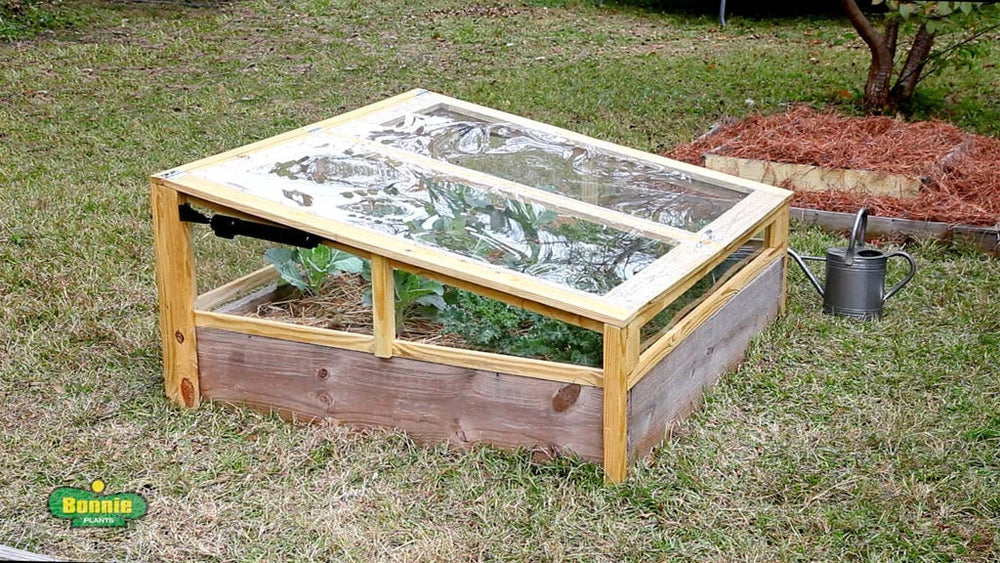
Credit: bonnieplants.com
Materials Needed
Building a cold frame is simple and affordable. This guide breaks down the assembly into easy steps. Follow along to create a sturdy cold frame for $50 or less. Each part fits together smoothly to protect your plants.
Building The Base
Start by measuring and cutting four wooden boards for the base. Use untreated wood to avoid chemicals near plants. Nail or screw the boards into a rectangle shape. Make sure the corners are square and secure. The base should be sturdy and level for stability.
Constructing The Sides
Cut four wooden boards for the sides, matching the base’s dimensions. Attach the sides vertically to the base with screws. Reinforce the corners with small braces or extra nails. The sides should be strong enough to hold the lid and resist wind. Sand any rough edges to prevent splinters.
Attaching The Lid
Use a clear piece of glass or acrylic for the lid to let sunlight in. Cut it to fit snugly on top of the frame. Attach the lid with hinges on one long side for easy opening. Add a simple latch or hook on the opposite side to keep it closed. This design allows easy access to your plants.
Sealing And Insulating
Seal all joints with weatherproof caulk to keep cold air out. Add weatherstripping around the lid edges to improve insulation. Place straw or foam boards inside the frame for extra warmth. These steps help maintain a warmer environment for your plants during cold weather.

Credit: www.youtube.com
Choosing The Location
Building a cold frame on a budget requires smart choices. Saving money does not mean cutting corners. You can create a sturdy cold frame without spending much. Focus on using what you have and finding deals. Here are practical tips to keep your costs low while building a cold frame under $50.
Using Salvaged Materials
Look around for old windows or doors. These make perfect covers for your cold frame. Wood from pallets or scrap lumber works well for the frame. Check local construction sites or ask neighbors for leftover materials. Using salvaged items reduces waste and saves money. Just clean and fix them before use.
Shopping At Discount Stores
Discount stores often have garden supplies at lower prices. Find plastic sheets, hinges, or small tools there. Dollar stores sometimes carry useful items for cold frame building. Compare prices and buy only what you need. Watch for sales or clearance sections to get the best deals.
Diy Vs. Pre-made Parts
Making parts yourself cuts costs but takes time. Pre-made parts cost more but save effort. Decide which parts you can build easily. For example, cut your own wood panels instead of buying ready-made ones. Use simple tools and basic skills for best results. Balance your budget with your available time and skills.
Designing The Frame
Maintaining your cold frame keeps it working well and protects your plants. Regular care helps extend its life and ensures a healthy growing environment. Simple upkeep tasks prevent bigger problems and save money.
Cleaning The Frame
Clean the cold frame often to remove dirt and debris. Use a soft brush or cloth to wipe the glass or plastic. Avoid harsh chemicals that could harm plants. Clean surfaces let sunlight in and keep plants healthy.
Remove old leaves and soil from inside the frame. This stops mold and pests from growing. Rinse the frame with water during warm days. Dry it well before closing to prevent moisture build-up.
Seasonal Adjustments
Adjust your cold frame with the changing seasons. In spring and fall, open the lid on warm days to avoid overheating. Close it at night to protect plants from frost. Use hinges or props to keep the lid open safely.
In winter, add insulation like straw or bubble wrap around the frame. This helps keep plants warm during cold nights. Remove insulation as temperatures rise to prevent overheating. Regularly check the frame to adapt to weather changes.
Repairing Damage
Check the frame often for cracks, loose screws, or broken parts. Fix small cracks in glass or plastic quickly to keep heat inside. Replace damaged wood or hinges to keep the frame sturdy.
Use waterproof glue or tape for temporary repairs. For lasting fixes, replace parts with similar materials. Regular repairs stop small issues from becoming big problems. Keep tools handy for quick fixes.
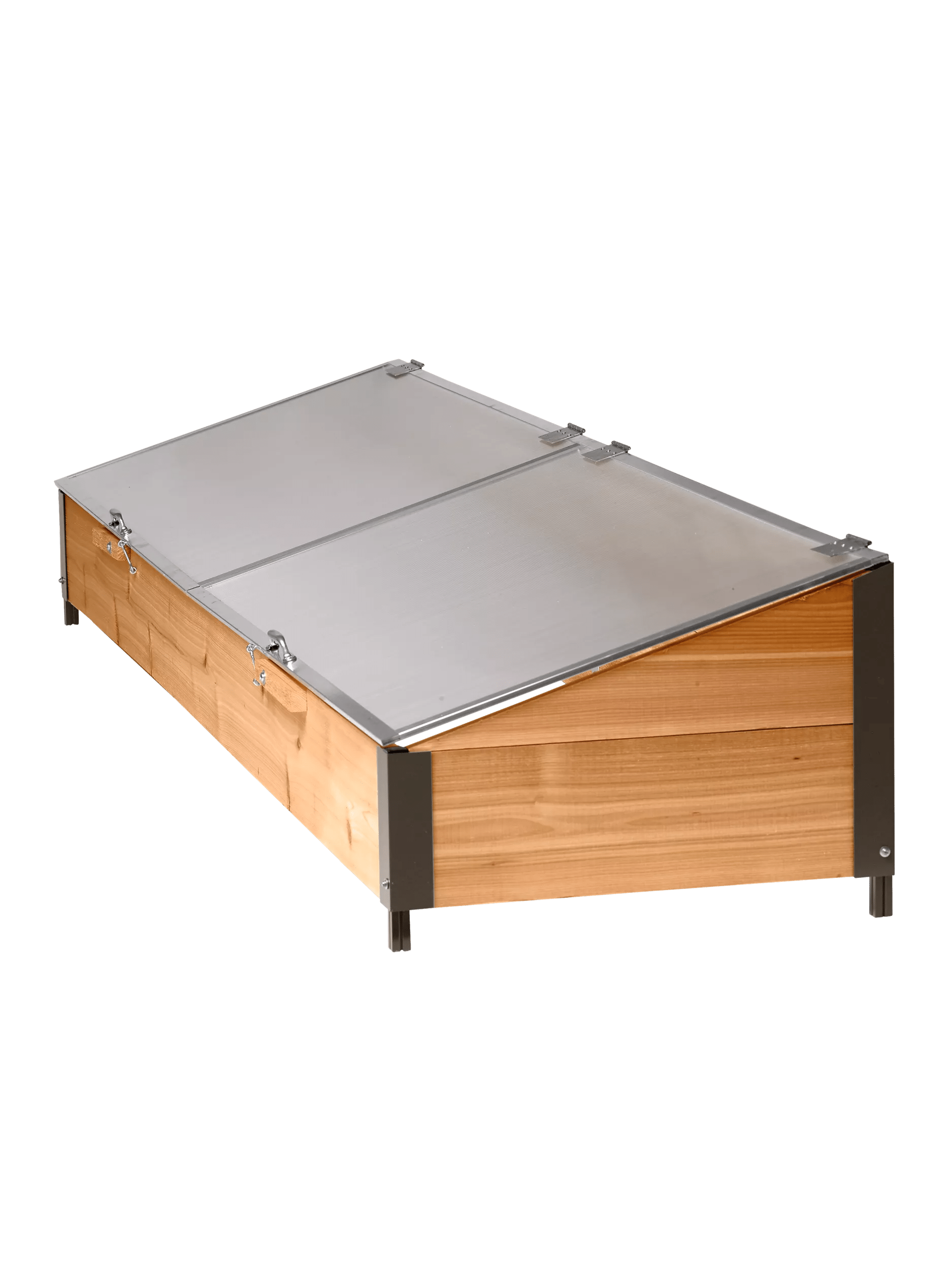
Credit: www.gardeners.com
Step-by-step Assembly
Building a cold frame for $50 or less is a smart way to extend your growing season. This simple structure traps heat and protects plants from cold weather. It lets you grow more plants for a longer time. Cold frames are perfect for gardeners in Austin, Texas, and similar climates. They help you start seeds early, protect plants from frost, and harden off seedlings safely. Below are key ways a cold frame extends your growing season.
Starting Seeds Early
A cold frame warms the soil and air around seeds. This warmth helps seeds sprout faster than outside. You can plant seeds weeks before the last frost date. It gives your plants a head start for the growing season. Starting seeds early means healthier plants and more harvests.
Protecting Against Frost
Frost can damage or kill young plants. A cold frame acts as a shield against cold nights. It holds in heat and keeps frost off leaves and stems. This protection lets you grow sensitive plants longer into fall or start them early in spring. Your garden stays safe from sudden cold snaps.
Hardening Off Seedlings
Seedlings grown indoors need time to adjust outside. A cold frame offers a gentle transition spot. It exposes seedlings to outdoor conditions but still protects them. This process, called hardening off, strengthens plants before planting in the garden. Using a cold frame reduces shock and improves survival rates.
Frequently Asked Questions
How Much Does It Cost To Build A Cold Frame?
Building a cold frame typically costs between $20 and $100. Costs vary based on materials like wood, glass, or plastic. DIY options using recycled windows and bricks can reduce expenses significantly.
What Can I Use Instead Of A Cold Frame?
Use cut plastic bottles, old window panes on wooden frames, or build a simple box with plastic sheets and bricks as cold frame alternatives.
Can I Build A Cold Frame Myself?
Yes, you can build a cold frame yourself using materials like old windows, wood, bricks, or plastic sheets. It’s affordable, simple, and customizable to your garden’s needs.
Is A Cold Frame Worth The Investment?
A cold frame is worth the investment. It extends the growing season, protects plants, and saves space effectively.
How Much Does It Cost To Build A Cold Frame?
Building a cold frame can cost $50 or less using recycled or low-cost materials. Simple designs with wood and plastic keep expenses low. You can save money by repurposing old windows or scrap wood.
Conclusion
Building a cold frame for $50 or less is simple and rewarding. You protect plants and extend your growing season. Using basic materials keeps costs low and construction easy. Your garden will thank you with healthier, stronger seedlings. Give it a try and enjoy fresh veggies sooner.
Small effort, big benefits. Start your cold frame project today.