
Are slugs turning your beautiful garden into their personal buffet? You’re not alone.
These slimy invaders can quickly damage your plants, leaving you frustrated and wondering how to protect your hard work. But don’t worry—there are simple, effective ways to get rid of slugs and keep your garden thriving. You’ll discover proven strategies that work, from natural barriers to smart traps.
By the end, you’ll have the tools to reclaim your garden and enjoy healthy, slug-free plants all season long. Keep reading to find out how you can finally say goodbye to slugs for good!
Slug Barriers
Slug barriers form a simple and natural way to protect your garden plants. These barriers create a physical or sensory block that slugs avoid crossing. They help keep slugs away without harmful chemicals. Using slug barriers regularly reduces damage to leaves and fruits. Below are effective slug barrier methods you can try in your garden.
Copper Tape And Wire
Copper tape and wire make an effective slug barrier. Slugs dislike touching copper because it gives a mild electric shock. Place copper tape around plant pots or garden beds. Secure copper wire around stems or raised beds. Check the tape or wire often for breaks. Replace damaged sections to keep the barrier strong.
Crushed Eggshells
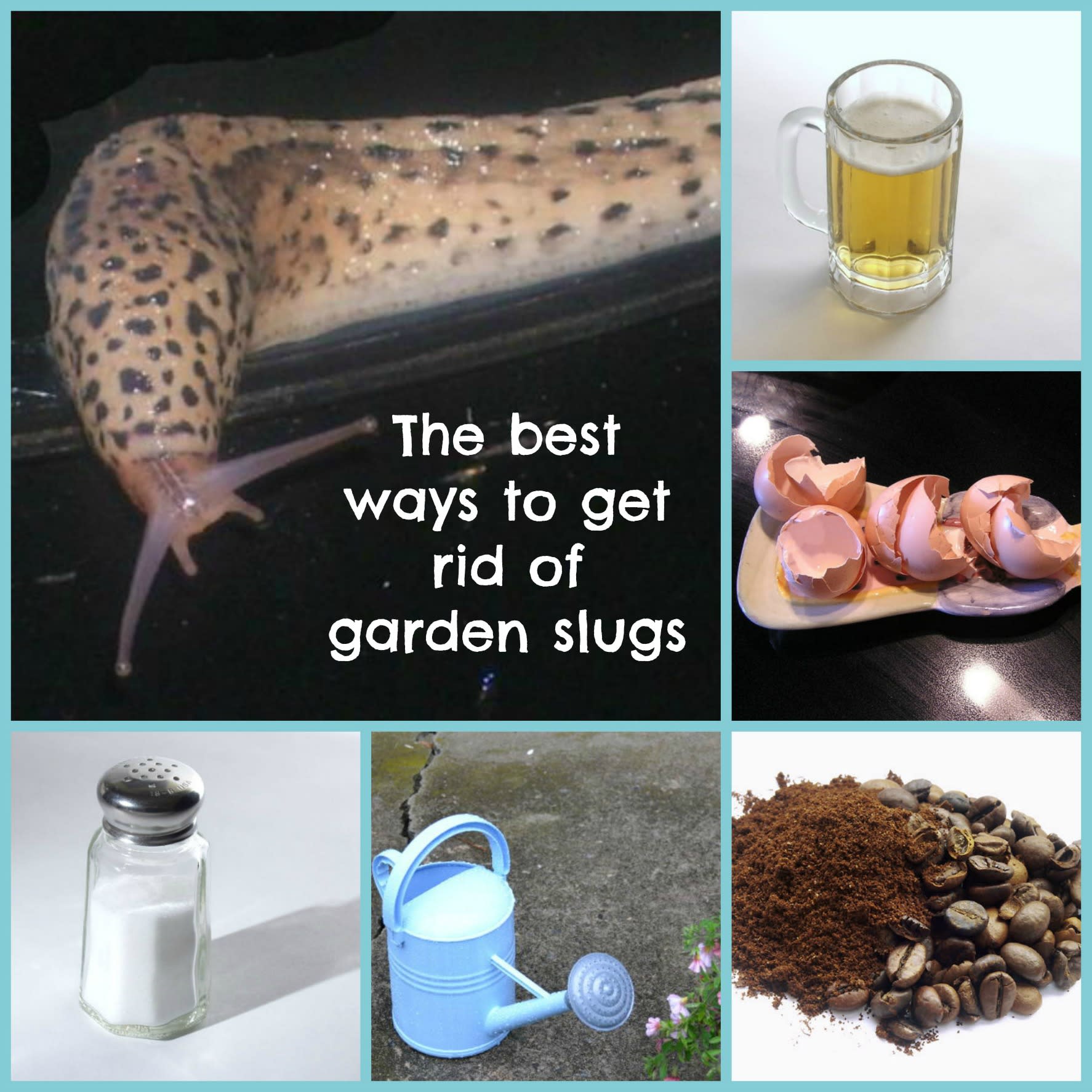
Crushed eggshells create a rough surface that slugs avoid. Spread a layer of crushed shells around your plants. The sharp edges irritate slugs’ soft bodies and stop them. Eggshells also add calcium to the soil, which benefits plants. Replace the shells after heavy rain to maintain the barrier.
Diatomaceous Earth
Diatomaceous earth is a natural powder made from fossilized algae. It has tiny, sharp particles that damage slugs’ skin. Sprinkle diatomaceous earth around vulnerable plants. Avoid watering right after applying, or it will lose effectiveness. Reapply after rain for continuous slug protection. Use food-grade diatomaceous earth for safety.
Natural Repellents
Natural repellents offer a gentle way to keep slugs away from your garden. These methods use common materials and plants to create barriers or unpleasant environments for slugs. They do not harm the soil or beneficial insects. Using natural repellents helps maintain a healthy garden ecosystem while protecting your plants.
Coffee Grounds And Caffeine Solutions
Used coffee grounds can deter slugs because of their texture and caffeine content. Spread dry grounds around plants to form a rough barrier slugs avoid crossing. For stronger effects, mix brewed coffee with water and spray near plants. The caffeine in coffee is toxic to slugs, making it an effective natural slug repellent.
Slug-repelling Herbs
Certain herbs naturally repel slugs with their strong scents. Plant garlic, chives, rosemary, and mint near vulnerable plants. These herbs confuse and discourage slugs from coming close. They also add beauty and fragrance to your garden. Using slug-repelling herbs is a simple way to reduce slug damage.
Pine Bark Mulch And Sharp Grit
Pine bark mulch creates a dry, rough surface that slugs dislike crossing. Spread a thick layer around plants to keep slugs at bay. Sharp grit, such as crushed eggshells or horticultural grit, also forms a physical barrier. Slugs avoid crawling over these sharp materials, protecting your seedlings and low-growing plants effectively.
Slug Traps
Slug traps offer a simple and natural way to reduce slug populations in your garden. They attract slugs to a specific spot, making it easier to remove them. Traps work without harmful chemicals, keeping your garden safe for plants and beneficial insects.
Setting traps near plants vulnerable to slug damage helps protect young leaves and seedlings. Regularly checking and emptying traps improves their effectiveness. Here are some easy slug traps you can try at home.
Beer Traps
Beer traps lure slugs with the smell of yeast and sugar. Fill a shallow container with beer and bury it so the rim is level with the soil. Slugs crawl in and drown.
Place several traps around your garden for best results. Replace the beer every few days to keep it fresh. This method works well because slugs are drawn to the scent.
Melon Rind Traps
Use empty melon rinds as natural slug shelters. Place rinds upside down in damp areas of your garden at night. Slugs gather underneath to hide from light and dry air.
Check the traps early morning and remove the slugs. Dispose of or relocate them far from your plants. This gentle method helps reduce slug numbers without chemicals.
Salt Traps
Salt kills slugs by drying out their bodies. Sprinkle salt directly on slugs found in traps or on the ground. Use salt carefully to avoid harming plants and soil.
Salt traps can quickly reduce slug numbers but should be used sparingly. Focus salt application on slug hotspots rather than spreading it widely in your garden.
Garden Management
Managing your garden well reduces slug problems naturally. A tidy garden leaves fewer places for slugs to hide and breed. Smart watering and removing slug shelters also help keep their numbers low. These steps make your garden less inviting to slugs.
Removing Slug Habitats
Slugs love damp, dark, and cool places. Remove piles of leaves, old boards, and plant debris. Clear away dense ground cover and thick mulch. Keep your garden open and sunny. This reduces slug hiding spots and stops them from multiplying.
Watering Techniques
Water your garden early in the day. This lets soil dry before night, when slugs are active. Avoid watering in the evening or at night. Wet soil at night encourages slug activity. Dry soil slows their movement and protects your plants.
Keeping Garden Tidy
Regularly clear dead leaves and fallen fruit. Trim back overgrown plants and weeds. Remove any clutter like pots and boards. A clean garden makes it harder for slugs to survive. It also helps you spot and remove slugs easily.
Encouraging Predators
Encouraging predators is a natural way to control slugs in the garden. Predators feed on slugs and help reduce their numbers. Creating an environment that attracts these helpful animals can protect your plants without chemicals.
Many birds and beetles love to eat slugs. By inviting them into your garden, you create a natural defense system. This method supports biodiversity and keeps your garden healthy.
Attracting Birds And Beetles
Birds are great slug hunters. You can attract them by providing bird feeders and fresh water. Native plants and shrubs offer shelter and nesting spots. Beetles, especially ground beetles, eat slugs too. Mulching with leaves and keeping some areas wild invites these insects. Avoid using pesticides that harm beneficial bugs.
Creating Wildlife-friendly Spaces
Wildlife-friendly spaces make your garden a safe home for predators. Leave some leaf litter and logs on the ground. These spots give shelter to beetles and frogs. Plant a variety of native flowers and shrubs. They provide food and cover for predators. A small pond attracts frogs and toads, which also eat slugs. Less tidy gardens often have more natural slug control.
Credit: dengarden.com
Raised Beds And Planting
Raised beds and careful planting offer effective ways to control slugs in the garden. These methods create physical barriers and reduce slug-friendly environments. Gardeners can protect plants while improving soil drainage and warmth. Both benefits help plants grow strong and healthy.
Using Raised Garden Beds
Raised beds lift plants off the ground. This height makes it harder for slugs to reach the plants. The space between the soil and ground reduces slug hiding spots. Raised beds also dry faster after rain, which slugs dislike. Adding barriers like copper tape around the bed edges stops slugs from climbing up. Using raised beds improves garden cleanliness and slug control at once.
Choosing Slug-resistant Plants
Some plants naturally repel slugs. Their tough or hairy leaves make slugs avoid them. Examples include lavender, rosemary, and mint. Planting these around more vulnerable plants acts as a natural slug barrier. Other good choices are herbs like thyme and sage. Including slug-resistant plants reduces damage and keeps slugs away from the whole garden.
Humane Slug Control
Humane slug control respects the life of these garden visitors while protecting your plants. It involves gentle methods that reduce slug populations without harm. These approaches keep your garden safe and slug-friendly.
Manual Removal
Check plants early in the morning or late in the evening. Slugs are more active during these times. Wear gloves to pick slugs off leaves and stems. Drop them into a container for later disposal. Repeat this process regularly to keep numbers low.
Ethical Slug Disposal Methods
Release slugs far from your garden in a safe, moist area. Avoid leaving them where they can return easily. Some gardeners place slugs in a bucket of soapy water for a quick, painless end. Composting is not recommended as slugs may survive and return.
Credit: growfully.com
:max_bytes(150000):strip_icc()/slug-control-in-garden-1402502_final_3-be5909648ed84789b0561cf4873901f4.png)
Credit: www.thespruce.com
Frequently Asked Questions
What Is The Quickest Way To Get Rid Of Slugs?
Create barriers with diatomaceous earth, crushed eggshells, or copper tape around plants. Use beer traps to attract and drown slugs quickly.
How Do I Stop Slugs From Eating My Plants?
Create barriers with crushed eggshells, copper tape, or sharp grit around plants. Use beer traps to lure and drown slugs. Plant slug-repelling herbs like rosemary or mint. Keep garden tidy and remove slug habitats to reduce infestations effectively.
Do Coffee Grounds Repel Slugs?
Coffee grounds can repel slugs to some extent. Caffeine in coffee is more effective at deterring slugs than grounds alone.
What Do Slugs Hate Most?
Slugs hate rough, sharp barriers like crushed eggshells and diatomaceous earth. They avoid copper, garlic, and strong-smelling herbs.
What Is The Quickest Way To Get Rid Of Slugs In Gardens?
Use barriers like copper tape, crushed eggshells, or diatomaceous earth. These stop slugs from reaching your plants quickly. You can also place beer traps to attract and drown slugs.
Conclusion
Slugs can harm your garden if left unchecked. Using barriers like crushed eggshells or copper tape helps keep them away. Setting bait such as beer traps catches and reduces their numbers. Planting slug-repelling herbs adds natural protection. Keep your garden clean and dry to make it less inviting.
Combining these simple steps protects your plants effectively. Regular care and attention make slug problems easier to manage. Enjoy a healthier, slug-free garden with these easy methods.