
If you’re growing plants in a cold climate, keeping your greenhouse warm is a challenge you can’t ignore. Without the right heating solutions, your hard work can be lost to frost and freezing temperatures.
But don’t worry—there are smart, efficient ways to heat your greenhouse that save energy and protect your plants all winter long. In this guide, you’ll discover practical tips and proven methods tailored for cold environments. Ready to create a cozy, thriving space for your garden no matter how low the temperature drops?
Let’s dive into the best greenhouse heating solutions that work for you.
Credit: ceresgs.com
Heating Options
Choosing the right heating option is essential for maintaining a healthy greenhouse environment in cold climates. Each heating method offers unique benefits and suits different greenhouse sizes and budgets. Understanding these options helps in selecting the most efficient and cost-effective solution for your needs.
Electric Heaters
Electric heaters provide steady and controllable heat. They are easy to install and operate quietly. These heaters work well in small to medium-sized greenhouses. They do not produce fumes, making them safe for plants and people. Electric heaters are best for growers who want precise temperature control.
Gas Heaters
Gas heaters are powerful and can heat larger greenhouses quickly. They use natural gas or propane as fuel. These heaters require proper ventilation to avoid harmful gases. Gas heaters are efficient but need more maintenance than electric heaters. They are suitable for growers with bigger spaces and higher heating demands.
Propane Systems
Propane heating systems offer flexible and portable heating solutions. They work well in remote areas without natural gas lines. Propane heaters provide strong heat output and fast warming. Users must store propane tanks safely and monitor fuel levels. These systems are ideal for growers who need reliable heat anywhere.
Solar Heat Sinks
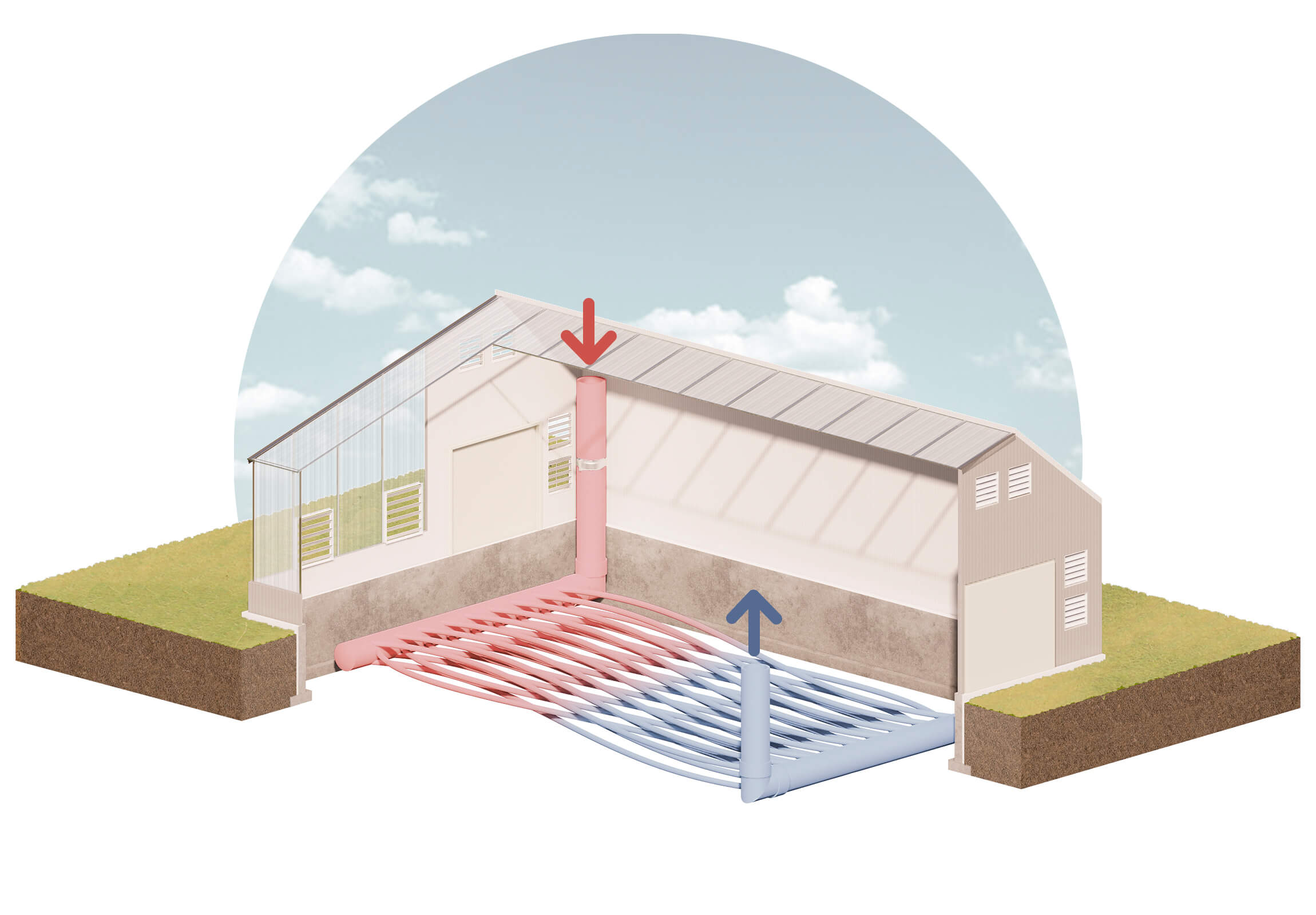
Solar heat sinks use water or other materials to store heat from the sun. These sinks release heat slowly during cold nights, stabilizing temperature. They reduce the need for other fuel-based heating methods. Solar heat sinks are eco-friendly and lower energy costs. This option suits growers interested in sustainable greenhouse heating.
Insulation Techniques
Insulating a greenhouse is vital for maintaining warmth during cold weather. Proper insulation slows heat loss and keeps plants healthy. Simple, effective methods can boost your greenhouse’s energy efficiency. Focus on adding layers, blocking drafts, and reflecting heat back inside.
Bubble Wrap Layers
Bubble wrap is an affordable and easy insulation material. It traps air inside its bubbles, which reduces heat loss. Cover greenhouse walls and ceilings with bubble wrap sheets. Use multiple layers for better protection. Secure edges tightly to prevent cold air from seeping in. This method also lets light through, helping plants grow.
Thermal Screens
Thermal screens are special fabrics designed to reflect heat back into the greenhouse. They hang inside the structure, reducing heat escape at night. These screens help keep the temperature stable and lower heating costs. Choose screens that fit your greenhouse size. Open them during the day to allow sunlight and close them at night for warmth.
Sealing Gaps
Tiny gaps and cracks cause major heat loss in greenhouses. Seal all openings around doors, windows, and vents. Use weather stripping or caulk to close these gaps. Check seals regularly and replace worn materials. Proper sealing stops cold drafts and traps warm air inside. This simple step improves overall insulation significantly.
Heat Retention Strategies
Retaining heat inside a greenhouse is essential in cold climates. It reduces energy costs and keeps plants healthy. Effective heat retention strategies focus on storing and conserving warmth. These methods help maintain stable temperatures during chilly nights and cold days.
Thermal Mass Materials
Thermal mass materials absorb heat during the day. They slowly release heat when temperatures drop. Common materials include bricks, concrete, and stone. These materials store solar energy efficiently. Placing them inside the greenhouse stabilizes temperature swings.
Dark-colored materials absorb more heat. Position them where sunlight hits directly. This strategy warms the air and soil. It creates a cozy environment for plants all day long.
Water Tanks
Water tanks act as excellent heat storage units. Water holds heat longer than air or soil. Large water tanks inside the greenhouse absorb sunlight. At night, they release stored heat to warm the space.
Using painted dark tanks increases heat absorption. Place tanks near plant beds for maximum benefit. This method helps avoid cold stress on plants and reduces heating needs.
Nighttime Heat Conservation
Keeping heat inside during nighttime is vital. Insulating materials like bubble wrap or thermal screens work well. These coverings reduce heat loss through glass or plastic panels.
Close vents and doors tightly after sunset. Use draft stoppers to seal gaps. These small steps prevent cold air from entering. They maintain warmth and protect plants from frost damage.
Energy Efficiency Tips
Improving energy efficiency in your greenhouse saves money and keeps plants healthy. Small changes make a big difference in cold climates. Focus on retaining heat and reducing energy use. Use smart tools and methods to maintain warmth without waste.
Movable Thermal Screens
Movable thermal screens trap heat inside the greenhouse at night. They act like a blanket over plants and soil. During the day, retract screens to let sunlight in. This balance helps keep temperatures steady and reduces heating needs.
Upgrading Lighting
Switch to LED grow lights to cut energy use. LEDs produce less heat but provide enough light for plants. They last longer and use less electricity than old bulbs. Proper lighting supports plant growth while lowering heating costs.
Reducing Heat Loss
Seal gaps and cracks to stop warm air from escaping. Use weather stripping on doors and windows. Add insulation to walls and roof if possible. Keeping cold air out keeps the greenhouse warmer with less energy.
Cost Considerations
Cost considerations play a crucial role in selecting the right heating solution for greenhouses in cold climates. Understanding these costs helps balance initial expenses with ongoing savings. Choosing wisely ensures a warm environment without financial stress.
Affordable Heating Solutions
Electric heaters often come with a low upfront cost. They are easy to install and control. Propane heaters may cost more initially but heat larger spaces efficiently. Solar heating systems have a higher start price but use free sunlight. Small, portable heaters provide flexibility for tiny greenhouses. Selecting a heater depends on budget and greenhouse size.
Long-term Savings
Energy-efficient heaters reduce monthly utility bills. Insulated greenhouses keep heat longer, saving energy. Investing in programmable thermostats cuts unnecessary heating. Solar options minimize fuel costs over time. Choosing durable equipment lowers replacement frequency. Long-term savings help balance initial spending.
Maintenance Expenses
Regular maintenance extends heater lifespan and efficiency. Electric heaters need less upkeep than gas models. Gas heaters require inspections for safety and fuel lines. Solar systems need occasional cleaning and checks. Budget for filter changes and repairs. Proper care avoids costly breakdowns during winter.
Temperature Control
Controlling temperature inside a greenhouse is vital for plant growth. Maintaining steady warmth protects plants from cold stress. It also creates a healthy environment that promotes growth. Proper temperature control can reduce energy costs and improve crop yields. Simple tools and smart strategies help keep the temperature just right all day and night.
Thermostat Use
A thermostat helps keep the greenhouse temperature stable. Set the thermostat to match the needs of your plants. It turns heaters on and off automatically. This saves energy by avoiding overheating. Choose a thermostat with easy settings and good accuracy. Some models allow remote monitoring for added convenience. Regularly check the thermostat to ensure it works correctly.
Ventilation Management
Ventilation balances heat and fresh air inside the greenhouse. Open vents during warm days to avoid excess heat. Close vents at night to keep warmth in. Use automatic vent openers for consistent control. Proper airflow reduces humidity and prevents mold. Position vents to allow cross ventilation. This helps maintain a healthy temperature and air quality.
Frost Prevention
Frost can damage plants quickly in cold climates. Use heaters or heat mats near sensitive plants. Cover plants with frost cloths during very cold nights. Keep soil moist as it holds heat better than dry soil. Remove snow buildup from the greenhouse roof to let sunlight in. Monitoring temperature closely helps spot frost risks early. Taking these steps keeps plants safe from frost damage.
Diy Heating Ideas
DIY heating ideas for your greenhouse help save money and increase warmth. Simple projects can keep plants safe during cold months. These ideas use basic materials and easy setups. They suit gardeners who want efficient heat without high costs.
Homemade Heat Sinks
Heat sinks store warmth during the day and release it at night. Use water-filled containers like large plastic bottles or barrels. Place them where sunlight hits directly. Water holds heat longer than air, keeping your greenhouse warm. Paint containers dark to absorb more heat. Arrange them around plants for even warmth.
Simple Electric Heater Setup
Electric heaters provide steady heat and are easy to control. Use small, low-watt heaters made for indoor spaces. Place heaters safely away from water and plants. Connect to a thermostat to keep temperature steady. This setup uses electricity efficiently and prevents overheating. It works best for small to medium-sized greenhouses.
Using Propane Safely
Propane heaters give strong heat for larger greenhouses. Always use heaters designed for indoor or greenhouse use. Ensure good ventilation to avoid gas buildup. Place heaters on stable surfaces away from flammable materials. Install carbon monoxide detectors for safety. Follow all manufacturer instructions carefully to prevent accidents.
Credit: www.bryant.com
Climate-specific Tips
Understanding your local climate is key to keeping your greenhouse warm and plants healthy. This section offers climate-specific tips to help manage heat efficiently in cold areas. Adapting your heating approach based on weather will save energy and improve plant growth.
Adapting To Extreme Cold
Extreme cold demands strong insulation and reliable heat sources. Use double-layered plastic or glass for better heat retention. Consider adding thermal curtains during the night. Choose heaters that can run for long hours without failure. Keep backup power ready for emergencies. Monitor temperature closely to avoid sudden drops.
Local Weather Patterns
Analyze your area’s typical cold spells and wind patterns. Position your greenhouse in a sheltered spot to reduce heat loss from wind. Use windbreaks like fences or shrubs around the greenhouse. Adjust ventilation to balance heat and humidity. Track daily temperature changes to fine-tune heating schedules.
Seasonal Adjustments
Modify heating settings as seasons change for optimal efficiency. Lower heat during milder days to save fuel. Increase heating gradually before cold snaps arrive. Use timers or thermostats to automate these changes. Prepare your greenhouse for early frost by sealing any gaps. Seasonal care keeps plants thriving year-round.
Credit: elephantenergy.com
Frequently Asked Questions
What Is The Best Heating Method For Cold Climate Greenhouses?
Electric heaters are ideal for small to medium greenhouses. Gas heaters work better for larger spaces due to their powerful heat output.
How Can I Insulate My Greenhouse To Save Heat?
Use bubble wrap or thermal screens on walls and ceilings. Seal all gaps and vents to prevent warm air from escaping.
Are Solar Heat Sinks Effective For Greenhouse Heating?
Yes, solar heat sinks store heat using water tanks. They release warmth slowly, helping to maintain a stable temperature.
What Are Affordable Ways To Heat A Greenhouse Efficiently?
Using electric heaters with timers and insulation reduces costs. Passive solar heating methods also lower energy use.
How Often Should I Maintain My Greenhouse Heating System?
Check and clean your heating system before each cold season. Regular maintenance ensures safe and efficient operation all winter.
Conclusion
Effective greenhouse heating keeps plants healthy in cold climates. Choose methods that save energy and fit your space. Insulation and heat retention reduce fuel use. Simple tools like thermal screens help maintain warmth overnight. Regular maintenance ensures heaters work well all season.
Combine natural and electric heat for best results. Stay consistent to protect your plants from frost damage. A warm greenhouse means a longer growing season. Start with small changes and improve over time. Your efforts will lead to thriving plants even in winter.