
Are you tired of spending hours watering your garden, only to see your plants struggle or your water bill soar? What if you could keep your garden healthy and vibrant while saving both time and water?
You’ll discover simple, effective strategies that make watering smarter—not harder. From choosing the right plants to watering at the perfect time, these tips will help you enjoy a thriving garden with less effort and waste. Keep reading, and you’ll unlock easy ways to transform your garden care routine for good.
Credit: gilmour.com
Smart Watering Techniques
Watering your garden smartly saves both time and water. Smart watering techniques help plants grow healthier and reduce waste. These methods make your garden more efficient and eco-friendly. Use the right timing and methods for best results.
Best Time To Water
Water your garden early in the morning. The cool air reduces evaporation. Plants absorb water better before the sun gets hot. Avoid watering in the afternoon when heat is high. Evening watering can cause damp leaves, inviting diseases.
Deep And Infrequent Watering
Water deeply but less often. This encourages roots to grow downward. Deep roots find water even during dry times. Shallow, frequent watering keeps roots near the surface. This makes plants weaker and thirsty more often.
Cycle And Soak Method
Split watering into short cycles. Let water soak into the soil between cycles. This stops runoff and allows better absorption. For example, water for 5 minutes, wait 20 minutes, then water again. This method saves water and improves soil moisture.
Adjusting Watering By Season
Change watering frequency with the seasons. Water less in spring and fall when weather is cooler. Increase watering in hot summer months. Reduce again in winter when plants grow slowly. Seasonal adjustment prevents overwatering and saves water.
Credit: www.saga.co.uk
Choosing Drought-tolerant Plants
Choosing drought-tolerant plants is a smart way to save time and water in your garden. These plants need less water and care, making gardening easier and eco-friendly. They survive dry spells better and reduce your water bills. Let’s explore key ideas to help you pick the right plants for a water-wise garden.
Native Plants Benefits
Native plants grow naturally in your area. They adapt to local weather and soil. These plants need less water than exotic species. They also support local wildlife like bees and butterflies. Native plants require fewer fertilizers and pesticides. This helps keep your garden healthy and natural.
Low-maintenance Plant Options
Some plants thrive with little care and water. Succulents, lavender, and ornamental grasses are good choices. These plants store water well and resist drought. They do not need frequent watering or pruning. Low-maintenance plants save you time and effort. Your garden stays beautiful with less work.
Grouping Plants By Water Needs
Plant grouping means putting plants with similar water needs together. This method avoids overwatering some plants and underwatering others. Grouping helps you water more efficiently. You use less water and avoid plant stress. It also makes garden care simpler and faster.
Soil And Mulching Tips
Soil and mulching play key roles in saving time and water in your garden. Healthy soil holds moisture longer and supports strong plant growth. Mulch helps protect soil from drying out and reduces weeds that compete for water. Using the right soil and mulch methods makes your garden more efficient and easier to care for.
Improving Soil Moisture Retention
Good soil holds water well and feeds plants steadily. Adding organic matter like compost improves soil texture and water absorption. Loosen compacted soil to help roots grow and take in moisture. Avoid over-tilling which can break down soil structure. Healthy soil reduces how often you need to water.
Mulch Types And Benefits
Mulch covers soil and cuts evaporation. Organic mulches include wood chips, straw, leaves, and grass clippings. These break down and add nutrients to the soil. Inorganic mulches like stones or plastic block weeds and keep soil cool. Mulch keeps soil moist, lowers temperature swings, and stops weed growth.
Applying Mulch Effectively
Apply mulch in a 2 to 4-inch layer around plants. Keep mulch a few inches away from stems to prevent rot. Replenish mulch as it decomposes or blows away. Mulch works best on bare soil or around ground covers. Proper mulch use cuts watering needs and saves garden time.
Efficient Garden Design
Efficient garden design helps save both time and water. Thoughtful planning reduces unnecessary watering and maintenance. It ensures plants get just the right amount of water.
Designing your garden with efficiency means grouping plants by their water needs. Using raised beds and containers can improve watering control. Adding shade and windbreaks also cuts water loss.
Zoning By Water Needs
Group plants with similar water needs in the same area. This approach avoids overwatering some plants and underwatering others. Place drought-tolerant plants together and water-loving plants in another zone. It makes watering simpler and more precise.
Using Raised Beds And Containers
Raised beds improve soil drainage and reduce water waste. Containers allow better control of soil moisture. Both methods help avoid water runoff and evaporation. They also make watering faster and more efficient.
Incorporating Shade And Windbreaks
Shade reduces soil evaporation and keeps plants cooler. Windbreaks protect plants from drying winds. Both features help retain soil moisture longer. Use trees, shrubs, or fences to create these protective elements in your garden.
Automated Irrigation Systems
Automated irrigation systems offer a smart way to water your garden efficiently. These systems save both time and water by delivering the right amount exactly where plants need it. Automation reduces manual labor and keeps your garden healthy with minimal effort.
Drip Irrigation Advantages
Drip irrigation delivers water slowly at the roots of plants. This method cuts down water waste by avoiding runoff and evaporation. Plants get moisture directly, which helps them grow stronger. Drip systems use less water than traditional sprinklers. They also reduce weed growth by limiting water to specific areas.
Smart Timers And Sensors
Smart timers control watering schedules automatically. They adjust watering times based on weather conditions. Sensors check soil moisture and prevent watering when the soil is wet. This stops overwatering and saves water. These devices help maintain the perfect moisture level for plants.
Rainwater Harvesting Integration
Rainwater harvesting collects rain for garden use. Automated systems can connect to rainwater tanks. This reduces the need for tap water. Using rainwater helps save money and conserves natural resources. It also supports plants with natural, chemical-free water.
Time-saving Gardening Practices
Saving time in the garden means smarter work, not harder work. Using efficient gardening practices helps reduce daily tasks and conserves water. These methods keep your garden healthy with less effort. Focus on strategies that cut down weeding, watering, and maintenance time.
Batch Planting And Maintenance
Planting in groups saves time on watering and care. When plants share space, they create shade and reduce soil dryness. Watering many plants at once is faster than doing it individually. Maintenance tasks like pruning and harvesting become easier too.
Batch planting also helps control pests naturally. Plants can protect each other, reducing the need for chemicals. Grouping plants by water needs prevents overwatering or underwatering. This method keeps your garden balanced and healthy with less work.
Using Ground Covers To Suppress Weeds
Ground covers block sunlight and stop weeds from growing. They cover the soil, reducing the need to weed often. This saves time and keeps the garden neat. Ground covers also help hold moisture in the soil longer.
Choose ground covers that grow quickly and spread well. They protect soil from drying out and reduce water evaporation. This means you water less often. Ground covers improve soil health and reduce garden chores.
Minimizing Lawn Area
Lawns need frequent watering, mowing, and care. Reducing lawn size lowers maintenance time significantly. Replace parts of your lawn with drought-tolerant plants or mulch. These options use less water and need less work.
Smaller lawns mean fewer chores and less water waste. Choose plants that fit your climate for best results. This change creates space for other garden features and saves valuable time daily.
Protecting Plants From Heat Stress
Protecting plants from heat stress is essential to keep your garden healthy and thriving. High temperatures can harm leaves, reduce growth, and cause flowers to drop early. Heat stress increases water loss and weakens plants. Taking steps to shield plants from extreme heat helps save water and time in garden care.
Shade Cloth Usage
Shade cloth reduces direct sunlight and lowers temperature around plants. It blocks harsh rays while allowing air circulation. Use cloth with 30-50% shade for most plants. Install it over vulnerable areas during hottest hours. Shade cloth prevents leaf burn and reduces water evaporation from soil. This simple method keeps plants cooler and healthier.
Watering Strategies During Peak Heat
Water early morning or late evening to reduce evaporation. Deep watering encourages roots to grow downward, accessing moisture better. Avoid shallow, frequent watering that wastes water and weakens roots. Use drip irrigation or soaker hoses to target water directly to roots. Mulching helps retain soil moisture and keeps roots cool.
Plant Selection For Heat Tolerance
Choose plants that thrive in hot, dry conditions. Native and drought-tolerant species need less water and care. Succulents, lavender, and ornamental grasses perform well in heat. Group plants with similar water needs together for efficient irrigation. Heat-tolerant plants reduce stress and save water during hot spells.
Credit: www.scsengineers.com
Frequently Asked Questions
What Is The 70/30 Rule In Gardening?
The 70/30 rule in gardening means planting 70% reliable core plants and 30% bold or experimental varieties for balance and interest.
What Is The 3-hour Gardening Rule?
The 3-hour gardening rule advises gardening during cooler early morning or late afternoon hours. This reduces heat stress on plants and gardeners. It helps prevent sunburn, dehydration, and improves water absorption. Avoid gardening in peak sun hours to protect both yourself and your plants effectively.
What Is The 1/2/3/2:1 Watering Method?
The 1/2/3/2:1 watering method adjusts watering frequency seasonally. Water once weekly in early spring, twice in early summer, thrice in mid-summer, twice in late summer, then once in fall. This promotes deep root growth and conserves water effectively.
What Is The Rule Of 3 In Landscaping?
The rule of 3 in landscaping means grouping plants or features in odd numbers, usually threes, for visual balance and interest. It creates natural, dynamic designs that guide the eye and enhance garden aesthetics. This technique avoids symmetry and promotes a pleasing, organic look.
How Can I Save Water While Watering My Garden?
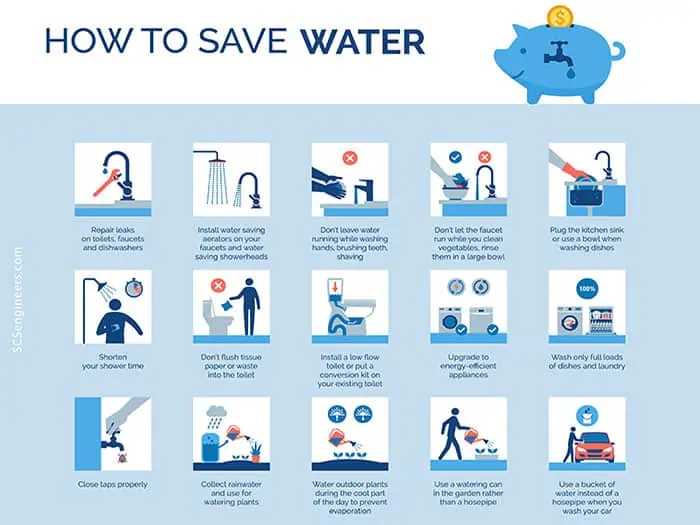
Water your garden early in the morning or late evening to reduce evaporation. Use drip irrigation to target water directly to plant roots. Mulching helps retain soil moisture and reduces watering needs.
Conclusion
Saving time and water in your garden benefits both you and the environment. Simple habits, like watering early and choosing native plants, make a big difference. Using mulch and drip irrigation helps keep soil moist longer. Planning your garden with drought-tolerant plants reduces water needs.
Regularly checking your irrigation system prevents waste. These easy steps create a healthy garden with less effort. Start small and watch your garden thrive while saving resources. Gardening smartly means more time enjoying your plants and less time worrying about water use.