
Have you ever planted a perennial and wondered why it seems to take so long to really flourish? The secret lies in what gardeners call the “3-Year Rule.”
This simple concept explains why some plants appear slow to grow at first but then suddenly burst into full bloom by the third year. Understanding this rule can change the way you care for your garden, helping you be patient and give your plants exactly what they need during each stage of growth.
If you want to unlock the full potential of your garden and avoid common mistakes that leave beginners frustrated, keep reading. Your garden’s most beautiful years might just be ahead!

Credit: www.waysidegardens.com
Three-year Growth Cycle
The Three-Year Growth Cycle is a key concept in gardening. It explains how perennials develop over three years. Understanding this cycle helps gardeners care for plants properly. Each year has a different focus in plant growth and care.
This cycle allows plants to build strength below ground first. Then, they slowly grow above ground. Finally, they reach full bloom and size in the third year. Patience is important during this process.
Year One: Root Focus
In the first year, plants focus on building roots. Growth above the soil may seem slow or small. The plant uses energy to anchor itself deep in the soil. Strong roots help the plant survive tough conditions later. Watering is crucial now to support root growth. Avoid pushing top growth with too much fertilizer.
Year Two: Steady Growth
Year two shows steady growth both above and below ground. The roots are now established and support new shoots. Leaves and stems grow more noticeably. Some plants may start to produce flowers, but not fully yet. Mulching helps keep soil moist and temperature stable. This steady growth builds the plant’s strength.
Year Three: Full Bloom
The third year brings full bloom and size. Plants reach their peak in flowers and overall growth. The root system fully supports the above-ground parts. This year rewards patience with vibrant blooms and lush foliage. Proper care during the first two years ensures success now. Enjoy the beauty and fullness of mature plants.
Key Care Tips
The 3-year rule in gardening shows how plants grow in stages. Each year brings new needs. Proper care helps plants thrive through these phases. Focus on steady actions that support root and top growth. These key care tips guide your gardening success.
Consistent Watering
Water plants regularly to keep soil moist but not soggy. Young plants need more frequent watering to build roots. Too little water slows growth. Too much causes root problems. Check soil moisture daily during dry spells. Deep watering encourages strong root systems.
Mulching Benefits
Apply mulch around plants to keep soil cool and moist. Mulch reduces weeds that compete for nutrients and water. It also prevents soil erosion and protects roots from temperature swings. Organic mulch breaks down, adding nutrients back to the soil. Keep mulch a few inches away from plant stems.
Avoid Over-fertilizing
Use fertilizer sparingly in the first two years. Excess fertilizer leads to weak top growth and poor root development. Choose a balanced, slow-release fertilizer to feed plants gently. Follow package instructions for amounts and timing. Healthy roots support long-term plant strength and flowering.
Patience With Growth
Growth looks slow during the first year. Plants focus energy on roots, not leaves or flowers. The second year shows more visible growth and some blooms. The third year brings full size and vibrant flowers. Trust the process and give plants time to reach their potential. Patience rewards with lasting beauty.
Common Gardening Mistakes
Many gardeners face common mistakes that limit their garden’s success. These errors can stunt growth, reduce blooms, or even kill plants. Avoiding these pitfalls helps gardens thrive year after year. Understanding these mistakes improves your gardening skills and plant health.
Watering Problems
Water is essential, but too much or too little harms plants. Overwatering drowns roots and causes rot. Underwatering stresses plants, causing leaves to wilt. Water deeply but less often to build strong roots. Check soil moisture before watering again.
Poor Location Choice
Plants need the right spot to grow well. Some need full sun; others prefer shade. Placing sun-loving plants in shade slows growth. Choose locations that match plant light needs. Avoid spots with strong winds or poor drainage.
Neglecting Soil Quality
Good soil is the foundation of a healthy garden. Poor soil drains badly and lacks nutrients. Test soil pH and add compost to improve it. Healthy soil holds water and feeds roots. Avoid planting without preparing the soil first.
Starting Too Large
Starting with a huge garden can overwhelm beginners. Large gardens need more time and care. Smaller beds allow better focus on plant needs. Expand your garden gradually as skills improve. This prevents burnout and plant neglect.
Crowding Plants
Plants need space to grow properly. Crowding causes competition for water and nutrients. It also reduces air flow, raising disease risk. Follow spacing guidelines on seed packets or tags. Thin seedlings if they grow too close together.
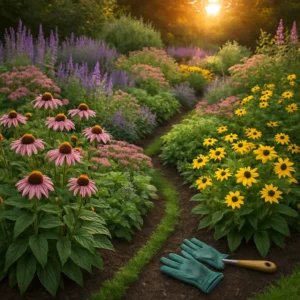
Planting Too Early
Planting before the last frost harms young plants. Cold weather slows growth and can kill seedlings. Check local frost dates before planting outside. Start seeds indoors to extend the growing season safely. Patience leads to stronger plants later.
Credit: gardensnest.com
How To Avoid Mistakes
Avoiding mistakes is key to successful gardening, especially with the 3-year rule. Understanding how plants grow over three years helps you plan better. Careful steps reduce risks and improve plant health. Follow simple tips to keep your garden thriving.
Research Plant Needs
Every plant has unique needs for sunlight, water, and soil. Learn about these before planting. Choose plants that fit your garden’s conditions. This avoids poor growth and wasted effort. Knowing plant needs helps you provide the right care.
Start With Small Plots
Begin your garden in small areas. This makes managing plants easier and reduces mistakes. You can test soil and water needs on a small scale. Small plots help you learn without feeling overwhelmed. Expand your garden as you gain experience.
Daily Observation
Check your garden every day. Look for signs of pests, disease, or water stress. Early detection saves plants from serious damage. Note changes in leaf color, growth, or soil condition. Consistent care helps plants grow strong and healthy.
Improve Soil Health
Healthy soil supports strong root growth in the first years. Add compost or organic matter to enrich soil nutrients. Test soil pH and adjust if needed. Good soil holds water and drains well. Improving soil health builds a solid foundation for plants.
Planting In October
Planting in October offers a unique chance to prepare your garden for the next growing season. Cooler temperatures and moist soil help many plants establish strong roots. This month supports steady growth underground before winter arrives. It sets the stage for healthy, vibrant plants in spring.
Choosing the right plants and understanding soil conditions during October improves your garden’s success. Some plants thrive in fall, while others struggle. Knowing what to plant and what to avoid saves time and effort.
Ideal Plants For Fall
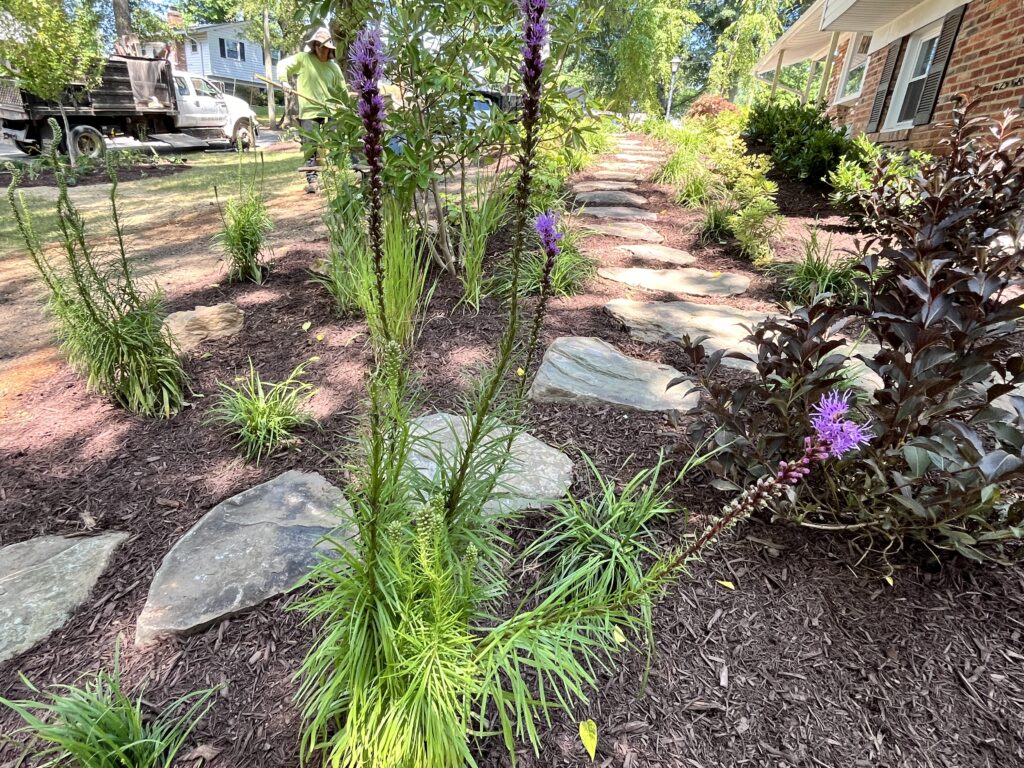
October suits many cool-weather plants. Root vegetables like carrots, beets, and radishes grow well. Leafy greens such as spinach, kale, and lettuce also do great. These plants build strong roots before frost. Fall is perfect for planting shrubs and perennials, too. They establish their roots during winter for spring growth.
Soil And Weather Benefits
Soil holds more moisture in October, helping seeds and roots settle. Cooler air reduces plant stress and slows evaporation. Rainfall tends to be steady, giving consistent water supply. This moist, cool environment supports root development. Plants use this time to grow strong underground systems. Preparing soil with compost adds nutrients for better growth.
Plants To Avoid
Some plants do not do well when planted in October. Warm-season vegetables like tomatoes, peppers, and eggplants need more heat. They may not mature before cold weather. Tender annuals and tropical plants often fail to survive frost. Avoid planting seedlings that require long, warm days. These plants are better started in spring or early summer.
Credit: www.allentucklandscaping.com
Frequently Asked Questions
What Is The Gardening 3 Year Rule?
The gardening 3 year rule means perennials focus on root growth year one, moderate growth year two, and full size plus bloom year three.
What Is The Most Common Mistake Of First Time Gardeners?
The most common mistake first-time gardeners make is improper watering—either overwatering or underwatering—causing root damage or stress. Poor location choice, neglecting soil quality, starting too large, and overcrowding plants also lead to poor growth and frustration.
Is It Okay To Plant Plants In October?
October is ideal for planting many perennials and cool-season vegetables. Cooler temperatures help roots establish before winter. Ensure proper watering and mulch to protect young plants. Avoid planting frost-sensitive species to prevent damage. Planting in October supports strong growth in spring.
What Is The 70 30 Rule For Gardening?
The 70-30 rule for gardening means planting 70% perennials and 30% annuals. This balance ensures long-term garden stability with seasonal color. It helps create a sustainable, low-maintenance garden that blooms consistently year after year.
What Is The 3-year Rule In Gardening?
The 3-year rule means perennials take about three years to fully grow. The first year focuses on root growth, the second on moderate top growth, and the third on full size and bloom.
Conclusion
The 3-year rule helps gardeners understand perennial growth stages clearly. Plants focus on roots first, then grow above ground, and finally bloom fully. Patience during early years leads to healthier, stronger plants later. Watering and mulching support root development well.
Avoid rushing growth or over-fertilizing too soon. Following this rule makes gardening more successful and rewarding. Remember, slow progress underground means future garden beauty above.