
You’ve worked hard to grow your garden and bring in a bountiful harvest. Now, the real challenge begins: how do you keep your fresh fruits and vegetables from spoiling quickly?
Preserving your harvest for long-term storage isn’t just about saving money—it’s about enjoying the fruits of your labor well beyond the growing season. Whether you want to freeze, can, dry, or ferment your crops, knowing the right methods can make all the difference.
In this guide, you’ll discover simple, effective ways to preserve your harvest so you can savor your garden’s goodness all year round. Ready to protect your hard work and never waste a single bite? Let’s dive in!
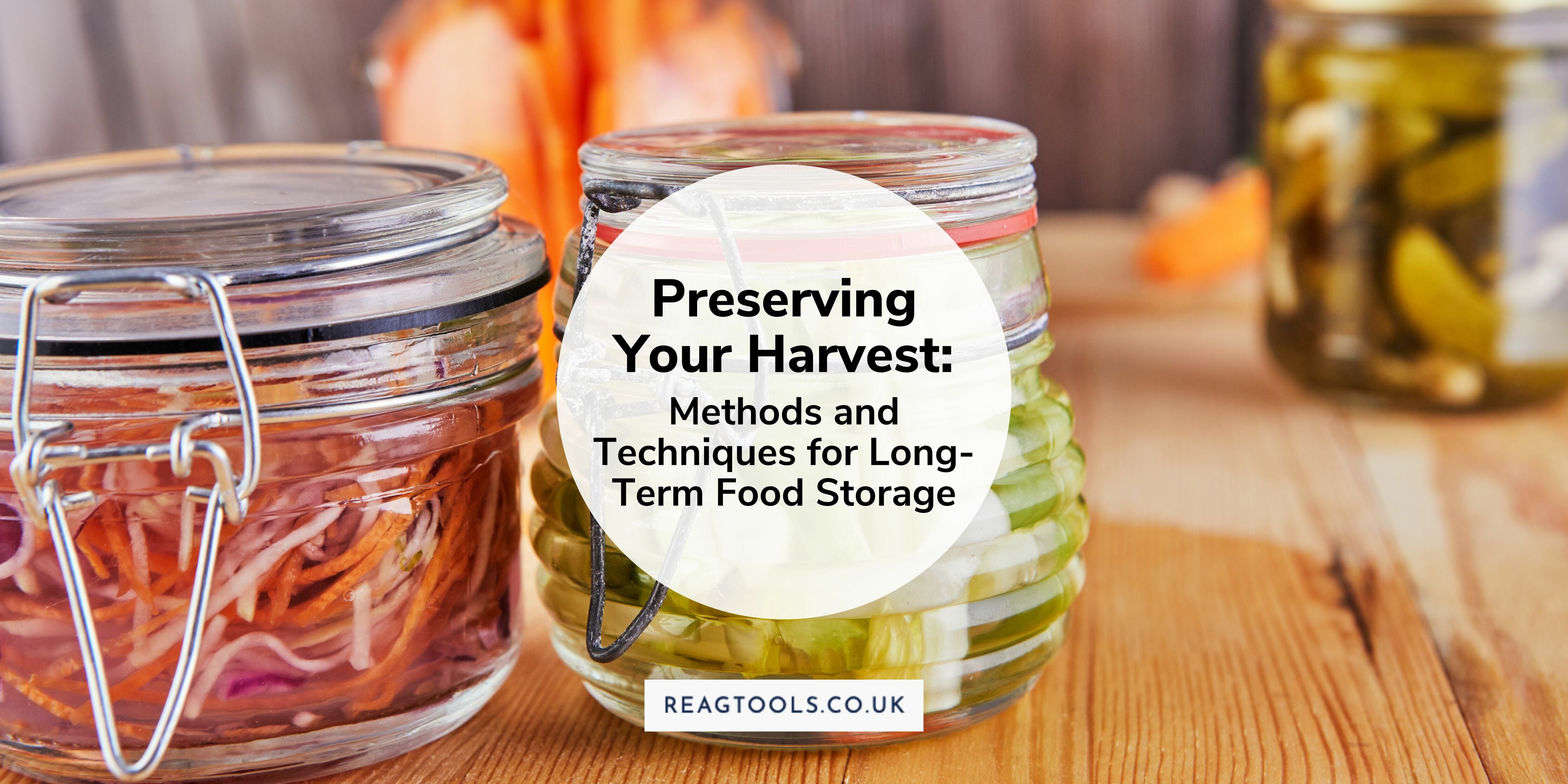
Credit: reagtools.co.uk
Harvest Timing
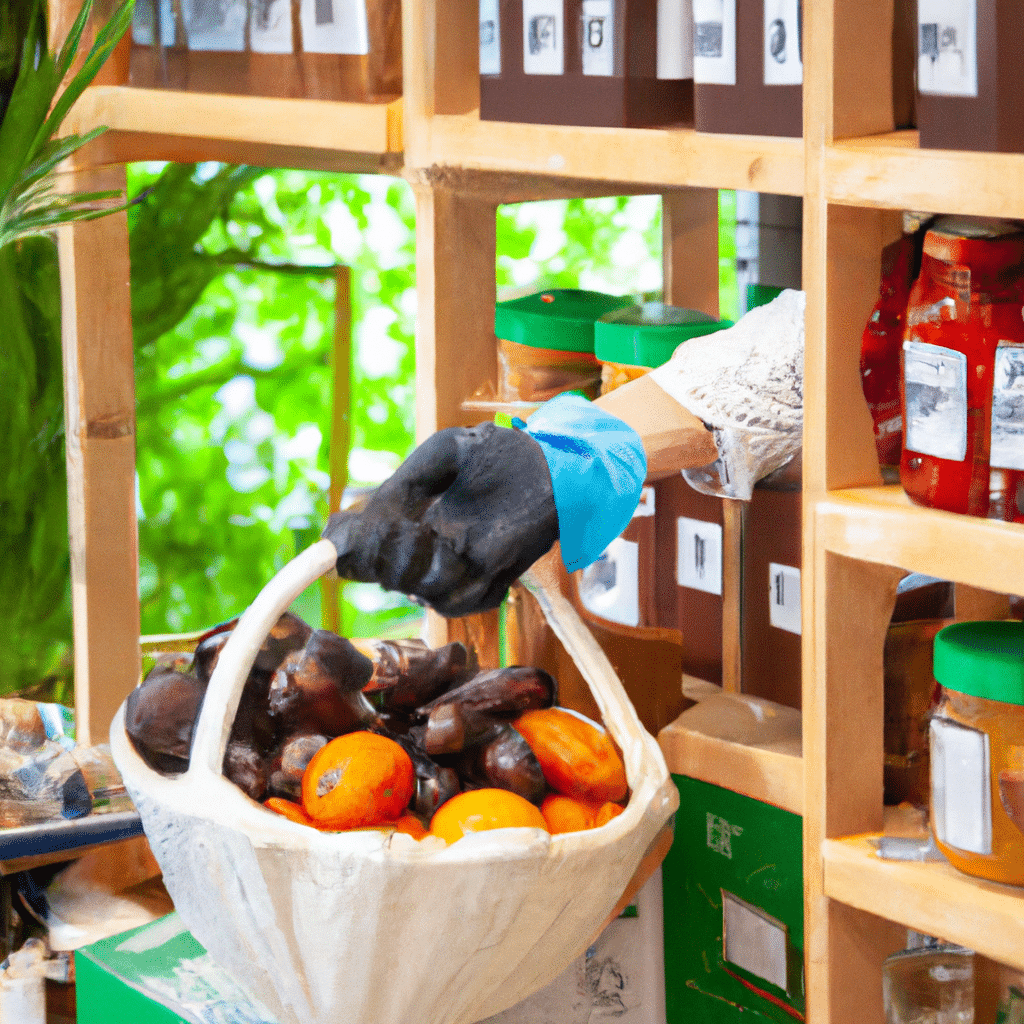
Harvest timing plays a key role in preserving your produce for long-term storage. Picking your fruits and vegetables at the right moment helps keep them fresh and nutritious. Early or late harvesting can reduce their shelf life and quality. Knowing when to harvest ensures the best taste and texture for storage.
Best Time To Pick
Harvest fruits and vegetables in the morning, after the dew dries. Cooler temperatures help keep produce firm and fresh. Pick crops on dry days to avoid mold and rot. Follow the specific harvest season for each plant. Early harvesting can prevent pests and weather damage.
Signs Of Ripeness
Look for color changes as a sign of ripeness. Fruits often turn brighter or deeper in color when ready. Check texture; ripe vegetables should be firm but not hard. Smell can also indicate ripeness, especially for fruits like melons. Avoid picking overripe produce, as it spoils faster in storage.
Credit: www.kingsburymarketgarden.com
Cold Storage Tips
Cold storage is one of the best ways to keep your harvest fresh for a long time. It slows down decay and helps maintain the flavor and nutrients of fruits and vegetables. Using the right temperature and humidity can make a big difference. Simple storage methods like root cellars or fridge hacks can extend the shelf life of your crops. Here are some cold storage tips to help you preserve your harvest effectively.
Ideal Temperature And Humidity
Most fruits and vegetables last longest between 32°F and 40°F (0°C to 4°C). This temperature slows down ripening and mold growth. Humidity should be kept high, around 85% to 95%, to prevent produce from drying out. Too much moisture causes rot, so good air circulation is important. Use a thermometer and hygrometer to monitor conditions.
Using Root Cellars
Root cellars are cool, dark, and humid spaces for storing root vegetables like carrots, potatoes, and beets. They keep produce fresh for months without electricity. Store vegetables in boxes with damp sand or sawdust to keep moisture steady. Check regularly for signs of spoilage. Root cellars also work well for apples, cabbage, and squash.
Fridge Storage Hacks
Use your fridge wisely to extend produce life. Keep fruits and vegetables separate to avoid ethylene gas damage. Store leafy greens in damp paper towels inside plastic bags to keep them crisp. Use crisper drawers for humidity control. Avoid washing produce before storage; wash it just before use to prevent mold.
Freezing Techniques
Freezing is one of the easiest and most effective ways to keep your harvest fresh for months. It slows down the growth of bacteria and keeps nutrients locked in. Using proper freezing techniques helps preserve the taste and texture of fruits and vegetables. You need to prepare your produce correctly before freezing to avoid freezer burn and loss of flavor.
Blanching Vegetables
Blanching is a quick boil or steam process. It stops enzyme actions that cause loss of flavor and color. To blanch, boil water and add vegetables for a short time. Then, plunge them into ice water to stop cooking. This method keeps vegetables crisp and colorful after freezing. Blanching also helps kill bacteria and reduces spoilage.
Packaging For Freezer
Use airtight containers or freezer bags for storage. Remove as much air as possible to prevent freezer burn. Label packages with the date and type of produce. Use heavy-duty materials designed for freezing. Divide produce into portions for easy use later. Proper packaging keeps food fresh and avoids waste.
Freezing Fruits Properly
Some fruits freeze well without preparation, but others need treatment. Wash and dry fruits thoroughly before freezing. Slice or cut large fruits into smaller pieces. Toss fruits in sugar or lemon juice to keep color and flavor. Arrange fruits in a single layer on a tray, freeze, then transfer to bags. This prevents clumping and makes using easier.
Canning Methods
Canning is a popular way to keep your harvest fresh for many months. It stops bacteria and molds from spoiling food. Using proper canning methods helps keep fruits, vegetables, and sauces tasty and safe. There are two main types of canning: water bath and pressure canning. Each works best for different foods. Understanding the right method ensures long-lasting results.
Water Bath Canning
Water bath canning uses boiling water to seal jars. This method works well for high-acid foods. Examples include fruits, jams, jellies, and pickles. The jars sit in boiling water for a set time to kill germs. This heat also creates a vacuum seal. The vacuum keeps air out and preserves food safely. Water bath canning is simple and uses basic equipment.
Pressure Canning
Pressure canning is needed for low-acid foods. Vegetables, meats, and soups often require this method. The pressure cooker reaches higher temperatures than boiling water. This kills bacteria and spores that water bath canning cannot. Pressure canning jars also seal tightly. It takes more care and special equipment. But it protects food from spoilage for a long time.
Safety Precautions
Always use clean jars and lids. Check for cracks or chips before canning. Follow tested recipes to avoid food poisoning. Use the right processing time and temperature. Never skip the pressure gauge check on pressure canners. Let jars cool naturally after processing. Store sealed jars in a cool, dark place. Discard jars with broken seals or bulging lids. Safety keeps your harvest delicious and healthy.
Drying And Dehydrating
Drying and dehydrating are simple methods to preserve your harvest for months or even years. These processes remove moisture from fruits, vegetables, and herbs. Without moisture, bacteria and mold cannot grow. This keeps your produce safe and tasty for long-term storage.
Drying reduces the weight and size of your food. It makes storage easier and saves space. Dried foods are great for snacks, cooking, or emergency supplies. Understanding the best ways to dry and store your produce helps keep it fresh and nutritious.
Sun Drying Vs. Electric Dehydrators
Sun drying uses natural heat and air to dry food. It works well in hot, dry climates. Place thin slices of fruit or vegetables on a clean tray. Cover with a fine mesh to keep insects away. Turn the pieces often for even drying. This method is low cost but needs several days and good weather.
Electric dehydrators use a heated fan to dry food quickly and evenly. They work indoors and in any weather. You can control temperature and drying time. This method is faster and more reliable. Dehydrators are ideal for beginners and large batches of produce.
Storing Dried Produce
Store dried foods in airtight containers to keep moisture out. Glass jars, vacuum-sealed bags, or plastic containers work well. Keep containers in a cool, dark place away from heat. Avoid storing dried produce near strong odors. Label containers with the date of drying.
Check dried food regularly for any signs of moisture or spoilage. Properly stored dried produce can last one year or more. For best taste, use within six months.
Rehydration Tips
Rehydrating dried foods restores texture and flavor. Soak dried fruits or vegetables in water before cooking. Use warm water to speed up the process. Soak times vary from 10 minutes to several hours. Drain excess water before using.
Rehydrated foods work well in soups, stews, and baked dishes. You can also eat some dried fruits without rehydrating. Practice rehydration to find the right texture for your recipes.
Fermentation And Pickling
Fermentation and pickling are ancient and reliable methods to preserve your harvest. They enhance flavors and keep foods safe for months. These processes use natural acids and good bacteria to prevent spoilage. Both are easy to do at home with simple ingredients. Let’s explore how to ferment and pickle your produce for long-term storage.
Basic Fermentation Process
Start with fresh vegetables, washed and cut as desired. Use salt to create a brine that encourages good bacteria growth. Pack the vegetables tightly into a clean jar. Cover them fully with the brine to avoid exposure to air. Seal the jar loosely or use a fermentation lid. Store the jar in a cool, dark place for several days or weeks. Check daily to release gases and ensure vegetables stay submerged. Taste periodically to find the flavor you like. Once fermented, move the jar to the refrigerator to slow fermentation.
Pickling Recipes
Pickling uses vinegar, salt, and spices to preserve foods quickly. Combine vinegar, water, and salt in a pot and bring to a boil. Add sugar or spices like dill, garlic, or peppercorns for flavor. Pour the hot liquid over vegetables packed in sterilized jars. Seal the jars tightly and let them cool. Store pickles in the fridge or a cool pantry. Popular vegetables for pickling include cucumbers, carrots, and green beans. Experiment with different spices to create your favorite taste.
Storage For Fermented Foods
Fermented foods last longest when kept cold. Store jars in the refrigerator or a root cellar below 55°F (13°C). Keep them away from direct sunlight and heat sources. Properly stored, fermented foods can last for six months or more. Always use clean utensils to avoid contamination. Check jars regularly for mold or off smells. Discard any jars that show signs of spoilage. Enjoy your fermented harvest safely all year long.
Preserving With Sugar
Preserving with sugar is a classic and effective way to keep your harvest fresh for months. Sugar acts as a natural preservative by drawing out moisture and stopping bacteria growth. This method works best for fruits and can extend their shelf life without freezing or refrigeration.
Sugar preservation is simple and rewarding. It captures the taste of fresh fruit in a sweet form. Here are some common ways to preserve your harvest using sugar.
Making Jams And Jellies
Jams and jellies are popular sugar preserves. They use fruit, sugar, and sometimes pectin to create a thick spread. Cooking fruit with sugar breaks down the fruit and helps it set.
Use ripe fruit for the best flavor. Boil fruit and sugar until the mixture thickens. Pour hot jam or jelly into clean jars. Seal them tightly to avoid contamination.
Store jars in a cool, dark place. Properly sealed jars can last up to a year. Jams and jellies add flavor to bread, yogurt, and desserts.
Syrup Preservation
Syrup is another way to preserve fruit using sugar. Fruit syrups mix fruit juice with sugar and boil it until thick. Syrups keep fruit flavor in liquid form.
Pour hot syrup into sterilized bottles or jars. Seal them while hot. Syrups work well for pancakes, drinks, or as a topping.
Keep syrup in a cool, dark spot. Once opened, refrigerate and use within a few weeks. Syrup preservation is easy and keeps fruit taste vibrant.
Sugar Storage Tips
Store sugar in airtight containers to keep it dry. Moisture can cause clumping or spoilage. Keep sugar away from strong odors as it can absorb smells.
Use clean utensils to avoid contamination. Label containers with the date of storage. Check stored sugar regularly for pests or moisture.
Proper sugar storage ensures your preserves stay safe and tasty. It helps your harvest last through winter and beyond.
Mason Jar Storage
Mason jar storage is a simple and effective way to keep your harvest fresh for a long time. These jars provide a tight seal that protects food from air and moisture. Mason jars come in different sizes, perfect for storing various fruits and vegetables. They are reusable and easy to clean, making them a sustainable choice for preserving your harvest.
Benefits For Fresh Fruit
Mason jars help keep fresh fruit crisp and juicy. The airtight seal stops air from spoiling the fruit quickly. They also prevent bugs and dirt from reaching your food. Storing fruit in jars maintains its natural flavor and color. You can store berries, cherries, or sliced apples easily in these jars.
Proper Sealing Techniques
Start by cleaning jars and lids with hot, soapy water. Dry them completely before use. Fill the jars, leaving about half an inch of space at the top. Wipe the rim to remove any food residue. Place the lid on and screw the band until it is fingertip tight. Avoid over-tightening as air needs to escape during processing. Boil jars in a water bath if you want to store fruit long-term safely.
Shelf Placement Tips
Store mason jars in a cool, dark place like a pantry or cellar. Avoid direct sunlight to prevent food spoilage. Keep jars away from heat sources like ovens or heaters. Arrange jars on sturdy shelves, not too close to each other. Proper air circulation helps maintain an even temperature. Check jars regularly for any signs of spoilage or broken seals.
Root Vegetable Storage
Root vegetables are some of the best crops for long-term storage. Their sturdy nature helps them last through winter months if stored properly. Preserving their freshness requires the right environment and handling. Simple methods can keep root vegetables fresh and ready to use for several months.
Using Soil And Containers
Choose containers that allow air circulation, like wooden crates or plastic bins with holes. Fill the containers with slightly damp soil or sand. Bury the root vegetables completely, leaving no parts exposed to air. This method mimics natural ground conditions and slows down drying. Keep the containers in a cool, dark place such as a basement or cellar.
Maintaining Moisture
Moisture is key to prevent root vegetables from shriveling. The soil or sand should be damp, not wet. Check moisture levels regularly. If it feels dry, lightly mist the soil to add moisture. Avoid soaking the vegetables as too much water can cause rot. Aim for a humidity around 90-95% to keep roots firm and fresh.
Avoiding Mold And Rot
Inspect stored roots often for signs of mold or soft spots. Remove any damaged or rotting vegetables immediately. Space roots apart to ensure good airflow. Avoid washing root vegetables before storage. Dirt helps protect them from bacteria and fungi. Keeping the storage area cool and dry helps prevent mold growth.
Airflow And Ventilation
Proper airflow and ventilation play a vital role in preserving your harvest for long-term storage. Air helps keep produce dry and prevents moisture buildup. Without good ventilation, fruits and vegetables can spoil quickly. It also slows down the growth of mold and fungus. Setting up the right airflow creates a healthy environment for your stored crops. This section covers key points about airflow to keep your harvest fresh longer.
Preventing Fungus Growth
Fungus thrives in damp, stagnant air. Good airflow reduces humidity around your stored produce. Keep air moving to stop moisture from settling on fruits and vegetables. Use fans or open windows to improve circulation. Check your storage often to catch any early signs of mold. Removing spoiled items quickly helps protect the rest of your harvest.
Storage Container Choices
Choose containers that allow air to flow freely. Avoid sealed plastic bags for fresh produce. Use baskets, crates, or perforated boxes instead. These containers let air pass through and prevent moisture buildup. Wooden or plastic slatted crates work well. They keep your harvest dry and reduce the risk of rot.
Room Setup For Airflow
Arrange your storage room to promote good ventilation. Do not stack containers too tightly. Leave space between piles and shelves for air to circulate. Use vents or fans to keep air moving in the room. A cool, dry place with steady airflow extends the life of your harvest. Keep the room clean and free of debris to maintain fresh air.
Long-term Storage Planning
Planning for long-term storage is essential to keep your harvest fresh and edible for months. It involves choosing the right methods, organizing your stored goods, and managing your stock wisely. A clear plan helps prevent waste and ensures you always have access to your preserved food. Careful preparation extends the life of your harvest effectively.
Combining Preservation Methods
Using more than one preservation technique improves storage results. For example, dry fruits first, then freeze them to keep flavor and texture. Canning vegetables and then refrigerating can increase shelf life. Mixing methods suits different types of produce and storage conditions. This approach reduces spoilage and keeps nutrients longer.
Labeling And Rotation
Label each container with the date and contents. Clear labels help track freshness and avoid confusion. Use the oldest items first to prevent waste. Store new harvest behind older stock on shelves. Rotating stock keeps your supply fresh and organized. This simple step saves money and time.
Inventory Management
Keep a list of all preserved items and their quantities. Update it every time you add or use something. This helps monitor what you have and plan meals better. Knowing your inventory prevents overbuying or running out of essentials. Digital apps or paper lists both work well.
Credit: reagtools.co.uk
Frequently Asked Questions
How To Store Your Harvest?
Store your harvest by drying, freezing, canning, or fermenting to preserve freshness. Keep root vegetables cool, dark, and ventilated. Use airtight containers like mason jars for fruits. Maintain proper temperature and humidity to extend shelf life effectively.
How To Preserve Harvest?
Preserve your harvest by freezing, canning, drying, fermenting, or pickling. Store root vegetables in cool, dark places with good airflow. Making jams and jellies also extends fruit shelf life. These methods keep produce fresh and edible for months to years.
Does Putting Fruit In Mason Jars Make It Last Longer?
Putting fruit in mason jars can help preserve freshness by limiting air exposure. Proper refrigeration inside jars further extends shelf life. However, mason jars alone do not significantly increase fruit longevity without cold storage or preservation methods like canning or freezing.
How To Store Produce Long Term?
Store produce long term by freezing, canning, drying, fermenting, or pickling. Keep root vegetables cool, dark, and ventilated. Use mason jars for freshness.
What Are The Best Methods To Preserve A Harvest Long-term?
Freezing, canning, dehydrating, and fermenting are top methods. Each method suits different types of produce and storage needs.
Conclusion
Preserving your harvest helps you enjoy fresh food all year. Choose the right method for each type of produce. Keep storage areas cool, dry, and dark to avoid spoilage. Use clean containers and check your food regularly. Simple steps can save you money and reduce waste.
Start preserving today to taste your garden’s bounty later. Your hard work in the garden will pay off with lasting rewards.