
Have you ever grown fresh lettuce only to find it suddenly turning bitter and tough? This frustrating change happens because your lettuce is “bolting.” But why does this happen, and what role does day length play in it?
Understanding why lettuce bolts can help you protect your crops and enjoy crisp, tasty greens longer. You’ll discover how the length of daylight affects your lettuce and other crops, what triggers bolting, and practical tips to keep your garden thriving.
Keep reading to unlock the secrets behind bolting and take control of your harvest!
Main Causes Of Lettuce Bolting
Lettuce bolting happens when the plant quickly produces a flower stalk. This process ends the leafy stage and often causes bitterness. Several factors cause lettuce to bolt. Understanding these can help gardeners grow healthier crops.
Role Of Day Length
Lettuce senses longer daylight hours as a signal to bolt. This response is natural for many cool-season plants. As days grow longer, lettuce shifts from leaf growth to flowering. This shift prepares the plant to reproduce before hot weather arrives.
Influence Of Temperature
Warm temperatures speed up the bolting process. High heat stresses lettuce and triggers early flowering. Lettuce prefers cool weather and slows growth in hot conditions. Sudden temperature rises can cause lettuce to bolt sooner than expected.
Genetic Factors
Some lettuce varieties are more prone to bolting than others. Genetics control how sensitive a plant is to day length and heat. Choosing bolt-resistant varieties can reduce the chance of early bolting. Seed selection plays a key role in managing crop quality.
Soil Moisture And Stress
Dry soil and stress encourage lettuce to bolt quickly. Lack of water signals the plant to complete its life cycle fast. Consistent moisture helps keep lettuce growing leafy and fresh. Stress from poor soil or drought can ruin the harvest by causing bolting.
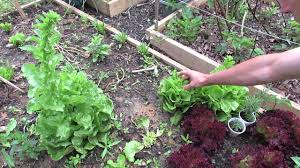
Effects Of Bolting On Lettuce
Lettuce bolting happens when the plant shifts from leaf growth to flowering. This change affects many aspects of the lettuce, often reducing its quality. Understanding the effects of bolting helps gardeners know what to expect. It also guides decisions about when to harvest.
Changes In Flavor
Bolting makes lettuce taste bitter. The plant produces chemicals to protect its flowers. These chemicals cause a sharp, unpleasant flavor. This bitterness can make lettuce less enjoyable to eat. The longer the lettuce bolts, the stronger the bitter taste.
Leaf Texture And Size
Leaves become tougher and smaller during bolting. The plant stops focusing on leaf growth. The texture changes from soft to coarse and stringy. This makes the leaves less crisp and fresh. The smaller leaves mean less food to harvest.
Impact On Harvest Quality
Bolting lowers the overall quality of the lettuce harvest. Bitter flavor and tough leaves reduce market value. The plant uses energy to produce flowers, not leaves. This leads to fewer edible leaves and lower yield. Harvesting before bolting is key for best quality.
Day Length And Plant Growth
Day length plays a key role in how plants grow and develop. Plants measure the length of daylight to time their growth stages. This process helps them adjust to changing seasons. Understanding day length effects is vital for crops like lettuce that are sensitive to light. Changes in day length can cause lettuce to bolt, which means it flowers early. Early flowering often reduces leaf quality and yield. Let’s explore how day length influences plant growth.
Photoperiod Sensitivity
Plants detect day length through a process called photoperiodism. This allows them to sense how long the light period lasts each day. Lettuce is a long-day plant, meaning it grows best when days are shorter. When days get longer, lettuce senses this change and starts to bolt. Photoperiod sensitivity helps plants know when to flower. This timing ensures that flowering happens in the right season for survival and reproduction.
Photosynthesis And Metabolism
Day length also affects photosynthesis, the process plants use to make food. Longer days mean more sunlight, which can increase photosynthesis. This provides more energy for the plant to grow. However, longer days and higher temperatures may speed up metabolism. This can stress lettuce plants, causing them to bolt sooner. Managing day length can help control plant metabolism and delay bolting.
Flowering Triggers
Flowering in lettuce is triggered by the length of daylight. As days become longer, lettuce plants produce hormones that start flower formation. This process is called bolting. Bolting shifts the plant’s energy from leaf growth to flower and seed production. This change often lowers the quality and taste of lettuce leaves. Understanding flowering triggers helps farmers plan planting times to avoid early bolting.

Credit: www.canr.msu.edu
How You Can Manage Lettuce Bolting
Managing lettuce bolting is key to growing healthy, tasty crops. Bolting happens when lettuce quickly shifts from leaf growth to flower production. This process causes leaves to taste bitter and reduces crop quality. Understanding how to control bolting can help you harvest lettuce with better flavor and texture.
Several factors affect bolting, such as day length, temperature, and water availability. Farmers and gardeners can take simple steps to slow or prevent bolting. These methods improve the plant’s ability to focus on leaf growth for a longer time.
Select Bolt-resistant Varieties
Choosing the right lettuce variety helps reduce bolting risk. Some types are bred to resist early flowering. These bolt-resistant varieties stay crisp and sweet longer. Look for seeds labeled as bolt-resistant in seed catalogs. Growing these types increases your chance of a successful harvest.
Optimal Planting Times
Planting lettuce at the right time avoids long daylight triggers. Early spring or late summer plantings work best in many areas. These periods have shorter days and cooler temperatures. This slows down the bolting process. Timing your planting carefully keeps lettuce in the leaf stage longer.
Soil And Water Management
Healthy soil and regular watering reduce stress on lettuce plants. Dry soil speeds up bolting by stressing the plant. Keep soil moist but not soggy for best results. Adding organic matter improves soil texture and water retention. Well-managed soil helps lettuce focus on leaf growth.
Temperature Control Strategies
Temperature plays a major role in lettuce bolting. High heat encourages plants to flower early. Use shade cloths or plant near taller crops for cooler conditions. Mulching helps keep soil temperature stable. Cooler environments delay bolting and improve leaf quality.
Using Bolted Lettuce
Bolted lettuce may look different but it can still be useful. Once lettuce bolts, it grows tall flower stems. These stems become tough and bitter. Yet, with the right preparation, you can enjoy bolted lettuce in new ways.
Using bolted lettuce reduces waste and gives you fresh flavors. Knowing how to handle bolted lettuce helps you make the most of your garden harvest.
Peeling And Preparing Stems
Start by cutting the flower stems from the plant. The outer layer of the stem is usually bitter. Peel this tough skin off carefully with a knife or vegetable peeler. After peeling, rinse the stem under cold water. The inner part is crunchy and mild in taste. Slice the stems into small pieces for cooking or salads.
Cooking And Consumption Tips
Bolted lettuce stems work well in stir-fries and soups. Cooking softens their texture and reduces bitterness. You can also eat them raw after peeling, adding a crisp texture to salads. Use fresh herbs and lemon juice to balance any lingering bitterness. Try steaming or sautéing with garlic and olive oil for better flavor. Experiment with recipes to find your favorite way to enjoy bolted lettuce.
Avoiding Flowering Stage
Prevent bolting by harvesting lettuce early. Shorter day lengths keep lettuce leafy and tender. Plant lettuce in cooler seasons to delay flowering. Water consistently and avoid dry soil stress. Select bolt-resistant lettuce varieties for longer harvests. Use shade cloth to protect plants from hot sun. These steps help keep lettuce fresh and prevent the bitter taste caused by bolting.
Frequently Asked Questions
Lettuce bolts due to longer daylight, hot temperatures, and dry soil. These conditions trigger early flowering, causing bitterness.
Day length influences plant growth by triggering flowering and bolting. Longer days often accelerate flowering, reducing leaf quality and yield.
Lettuce that bolts becomes bitter and tough but remains edible if stems are peeled. Harvest before flowering for best taste.
Conclusion
Lettuce bolts mainly because of longer day lengths and warm temperatures. This causes the plant to flower and taste bitter. Understanding this helps gardeners plan better planting times. Managing light exposure and temperature can delay bolting. Even bolted lettuce can still be eaten if prepared carefully.
Watching your crop closely ensures a better harvest. Day length plays a key role in crop growth and quality. Stay aware, adjust your care, and enjoy fresher lettuce longer.