
Are you eager to enjoy a vibrant, thriving garden come spring? The secret starts right now, in the fall, with how you prepare your garden soil.
Taking the time to nourish and refresh your soil before winter sets in can make all the difference in your spring planting success. By giving your soil the right care today, you’re setting the stage for stronger plants, richer blooms, and a bountiful harvest.
In this guide, you’ll discover simple, effective steps to transform your garden soil this fall—so you can wake up to a flourishing garden when spring arrives. Ready to get your hands dirty and give your garden the best start possible? Let’s dive in!
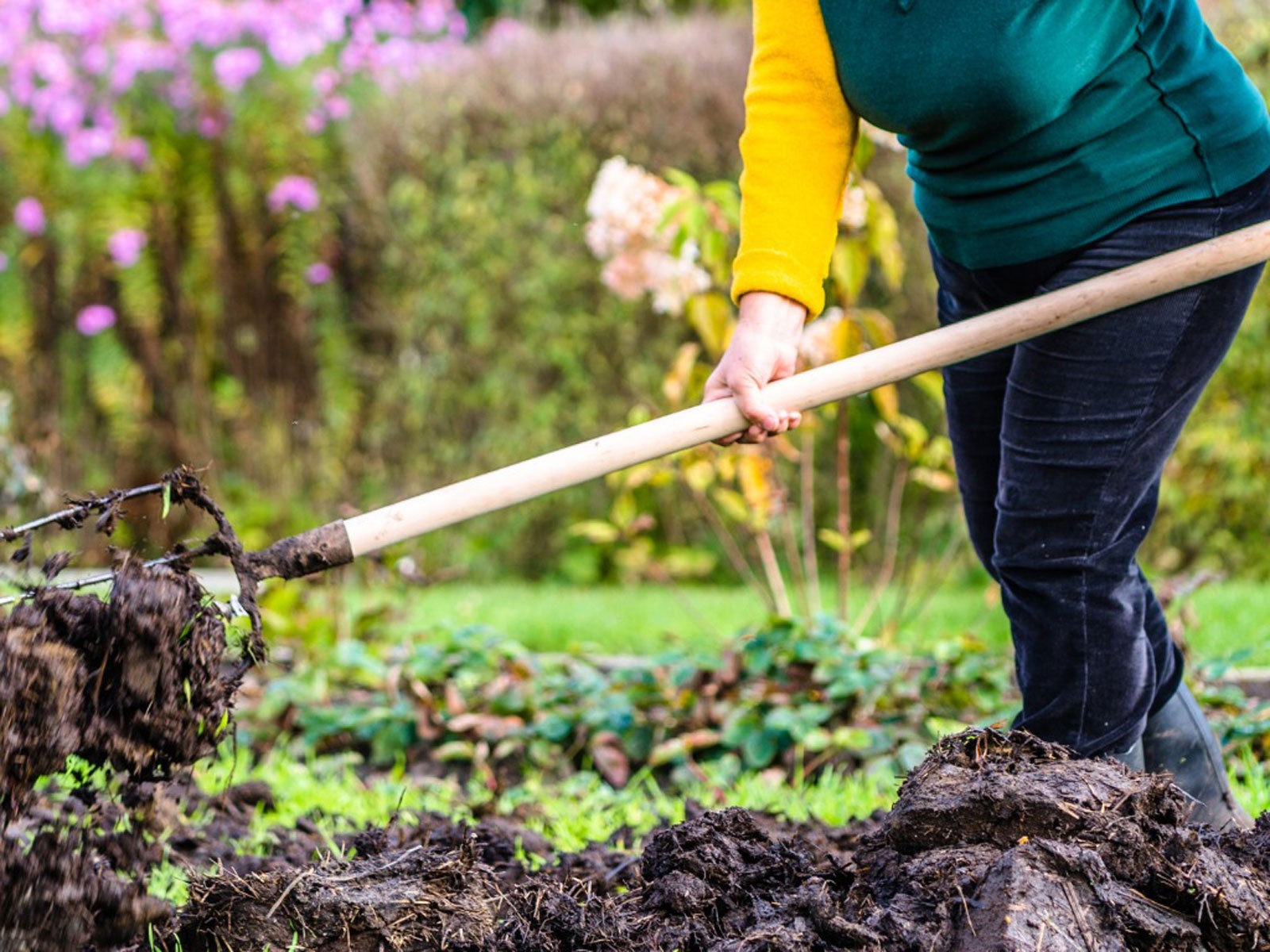
Credit: www.gardeningknowhow.com
Clearing Garden Debris
Clearing garden debris is a crucial step in preparing soil for spring planting. Removing leftover materials helps prevent diseases and pests. It also allows the soil to breathe and absorb nutrients better. Clean soil creates a healthy environment for new plants to grow strong.
Taking time to clear debris now saves effort in spring. The garden will be ready for fresh planting without extra work.
Remove Old Plants
Start by pulling out old plants from last season. Dead stems and roots can harbor pests or diseases. Remove these plants carefully to avoid disturbing the soil too much. Compost or discard them away from your garden beds. This step clears space for new growth and stops problems from spreading.
Clear Weeds And Leaves
Next, remove any weeds that have grown. Weeds compete with your plants for nutrients and water. Pull them out by the roots to prevent regrowth. Rake up fallen leaves and other debris. Leaves can smother young plants and trap moisture. Clearing this material improves air flow and sunlight exposure in your garden.
Testing Soil Health
Mulching is a simple way to protect garden soil during the cold fall months. It keeps the soil warm, prevents erosion, and stops weeds from growing. Mulch also helps keep moisture in the soil, so plants get water even in dry weather. Preparing your soil with mulch now means better soil for spring planting.
Selecting Mulch Materials
Choose mulch that breaks down well and adds nutrients to the soil. Organic mulches like straw, shredded leaves, and wood chips work best. Straw is light and easy to spread. Shredded leaves are rich in nutrients. Wood chips last longer but may tie up nitrogen as they decompose. Avoid using grass clippings that have chemicals or seeds.
Applying Mulch Layers
First, clear the garden bed of weeds and debris. Spread a 2 to 4 inch layer of mulch evenly over the soil. Too little mulch won’t protect the soil well. Too much mulch can stop air and water from reaching plant roots. Check mulch depth in early spring and add more if needed. Mulching now keeps soil healthy and ready for new plants.
Adding Organic Matter
Improving soil texture is key to a healthy garden bed. Good soil texture helps roots grow well and holds the right amount of water. Preparing garden soil in fall gives it time to improve before spring planting. Simple steps can make heavy or sandy soil better. This creates a strong base for plants to thrive.
Loosening Compacted Soil
Compacted soil blocks air and water from reaching roots. Use a garden fork or tiller to break it up. Work the soil to a depth of about 8 to 12 inches. Avoid walking on the soil after loosening it to keep it from compacting again. This step helps roots grow deeper and stronger.
Balancing Soil Drainage
Good drainage prevents water from pooling and damaging roots. Sandy soil drains too fast and loses nutrients. Add organic matter like compost or peat moss to sandy soil. Clay soil holds too much water and feels heavy. Mix in coarse sand or fine gravel to clay soil to improve drainage. Balanced soil keeps roots healthy and plants happy.

Credit: www.parkseed.com
Cover Cropping
Planning spring planting starts in the fall. It helps create a smooth and successful growing season. Preparing your garden soil well depends on good planning. This step saves time and effort later. Think about the space and types of plants you want. Organize your ideas before working the soil. Clear goals lead to better garden results.
Designing Garden Layout
Start by measuring your garden space. Sketch a simple map of your garden beds. Decide where each plant type will grow. Group plants with similar needs together. Plan paths for easy access and maintenance. Leave space for plant growth and air flow. Consider sunlight patterns and shade areas. Use layers: tall plants at the back, short in front. This adds depth and beauty.
Selecting Plant Varieties
Choose plants that thrive in your climate zone. Pick varieties that match your garden’s soil type. Consider the harvest time and plant height. Select a mix of early and late bloomers. Include vegetables, flowers, and herbs you enjoy. Use disease-resistant and pest-tolerant varieties. Buy seeds or seedlings from trusted sources. Planning diversity helps prevent garden problems and boosts yield.

Credit: joegardener.com
Frequently Asked Questions
How To Prepare Soil In Fall For Spring Planting?
Clear debris and weeds from the garden. Add 2-4 inches of compost to enrich soil. Turn soil to aerate and mix amendments. Apply mulch to protect soil over winter. This process boosts fertility and prepares soil for spring planting.
What Is The 70 30 Rule In Gardening?
The 70 30 rule in gardening means planting 70% edible plants and 30% ornamental plants. This balance supports beauty and productivity in gardens.
What Should I Add To My Vegetable Garden Soil In The Fall?
Add 2-4 inches of compost to enrich soil nutrients. Apply mulch to retain moisture and suppress weeds. Incorporate cover crops to improve soil structure and fertility. Remove plant debris to prevent pests and diseases. These steps prepare your vegetable garden soil for healthy spring growth.
What Is The Rule Of 3 In Gardening?
The rule of 3 in gardening means grouping plants in threes for natural balance. It involves layering tall, medium, and short plants. This creates visual depth and harmony. Repeating these groups enhances cohesion and garden appeal.
Conclusion
Preparing garden soil in fall sets the stage for a healthy spring garden. Add compost and mulch to enrich and protect the soil. Turn the soil gently to mix nutrients evenly. Let nature work through winter, breaking down organic matter.
By spring, soil will be loose, fertile, and ready to support new plants. Taking these simple steps now saves time and effort later. Your plants will grow stronger and produce more. Fall soil care truly benefits your garden’s future success.
Start today for a fruitful garden next season.