
Want a lush, green lawn that turns heads every time? Knowing how often you should fertilize your lawn is the secret to getting there.
Fertilizing at the right time keeps your grass healthy, strong, and vibrant. But fertilize too much or too little, and you could end up with patchy, weak grass instead. You’ll discover the perfect fertilizing schedule tailored to your lawn’s needs.
Keep reading to find out how to give your lawn exactly what it needs—no guesswork, just results.
Need to Consider for Choosing Right Fertilizer
Choosing the right fertilizer isn’t just about making your lawn look green for a few weeks—it’s about helping it grow strong, healthy, and resilient over time. Every lawn is different, shaped by its grass type, soil quality, weather, and how much foot traffic it gets. That’s why a fertilizer that works great for one yard might not give the same results in another. When you understand your soil and grass, it becomes much easier to choose what your lawn truly needs.
The right fertilizer feeds your lawn in a balanced way, delivering nutrients that strengthen roots and encourage steady, natural growth. This means thicker grass, fewer bare patches, and better resistance to weeds and stress. It also helps you avoid over-fertilizing, which saves money, reduces waste, and protects the environment around your home. Once you know the different types of fertilizers and how they work, choosing the right one feels less like guesswork and more like a smart, confident decision for your lawn’s long-term health.
Types Of Lawn Fertilizers
Lawn fertilizers come in many forms. Granules, liquids, and spikes are common types. Granules spread evenly and last longer. Liquids work fast but may need more frequent use. Spikes are inserted into the soil for slow feeding.
Each type suits different lawn care routines and preferences. Choose based on how much time you want to spend and how fast results are needed.
Slow-release Vs. Quick-release
Slow-release fertilizers release nutrients over weeks or months. They feed your lawn steadily and reduce the risk of burning grass. Quick-release fertilizers work fast and show quick results but may need frequent applications.
Slow-release is ideal for steady growth. Quick-release suits lawns needing a quick nutrient boost. Consider your lawn’s health and growth rate before choosing.
Organic Vs. Synthetic Options
Organic fertilizers come from natural sources like compost and manure. They improve soil health and add nutrients gently. Synthetic fertilizers are made with chemical compounds. They provide nutrients quickly and in precise amounts.
Organic options support long-term soil health but may act slower. Synthetic fertilizers deliver fast results but can harm soil if overused. Choose based on your lawn goals and environmental concerns.
Best Time For Your Fertilizer Applications
Timing your fertilizer applications is key to a healthy lawn. Fertilize too early or too late, and your grass may not get the nutrients it needs. Proper timing helps grass grow strong and green while avoiding waste. Understanding when to feed your lawn can save money and protect the environment.
Seasonal Fertilizing Schedule
Spring and fall are the best seasons to fertilize most lawns. In spring, fertilizer helps grass recover from winter. In fall, it builds strength for winter and next spring. Summer fertilizing depends on your grass type and weather. Avoid fertilizing during hot, dry periods to prevent stress. A typical schedule is once in early spring, once in late spring, and once in fall.
Signs Your Lawn Needs Feeding
Look for dull, yellow, or thin patches in your grass. Slow growth and poor color often mean your lawn lacks nutrients. Grass that pulls up easily or feels weak also needs feeding. These signs show it is time to apply fertilizer. Feeding your lawn at the right time helps fix these problems quickly.
Avoiding Over-fertilization
Too much fertilizer can harm your lawn and the environment. It may cause grass to grow too fast, leading to weak roots. Over-fertilized lawns also attract pests and diseases. Follow the product instructions carefully to avoid excess. Spread fertilizer evenly and water your lawn after application to help absorb nutrients.
Factors Affecting Fertilizing Frequency
Fertilizing your lawn at the right times helps it stay green and healthy. The frequency depends on several key factors. Knowing these can save you time and money. It also prevents over-fertilizing, which can harm your grass.
Grass Type Considerations
Different grasses need different care. Warm-season grasses like Bermuda and Zoysia grow mainly in summer. They need more fertilizer during warm months. Cool-season grasses like fescue and bluegrass grow in spring and fall. They need feeding during these cooler seasons. Understanding your grass type helps set a proper fertilizing schedule.
Soil Quality And Testing
Soil health affects how often to fertilize. Poor soil needs more frequent feeding to supply nutrients. Rich soil with good nutrients needs less fertilizer. Testing your soil gives clear info. It shows nutrient levels and pH balance. Use this data to avoid over-fertilizing and waste.
Climate And Weather Impact
Weather changes affect fertilizer needs. Hot, dry weather slows grass growth. Fertilizing during drought can stress plants. Rainy seasons help nutrients soak into the soil. In cold winters, grass growth stops. Avoid fertilizing in frost or snow. Adjust fertilizing frequency based on your local climate patterns.
Credit: www.tomsguide.com
Fertilizing Techniques For Best Results
Fertilizing your lawn correctly improves its health and appearance. Using the right techniques helps nutrients reach the grass roots. Proper methods reduce waste and protect the environment. Below are key tips to get the best results from fertilizing.
Proper Application Methods
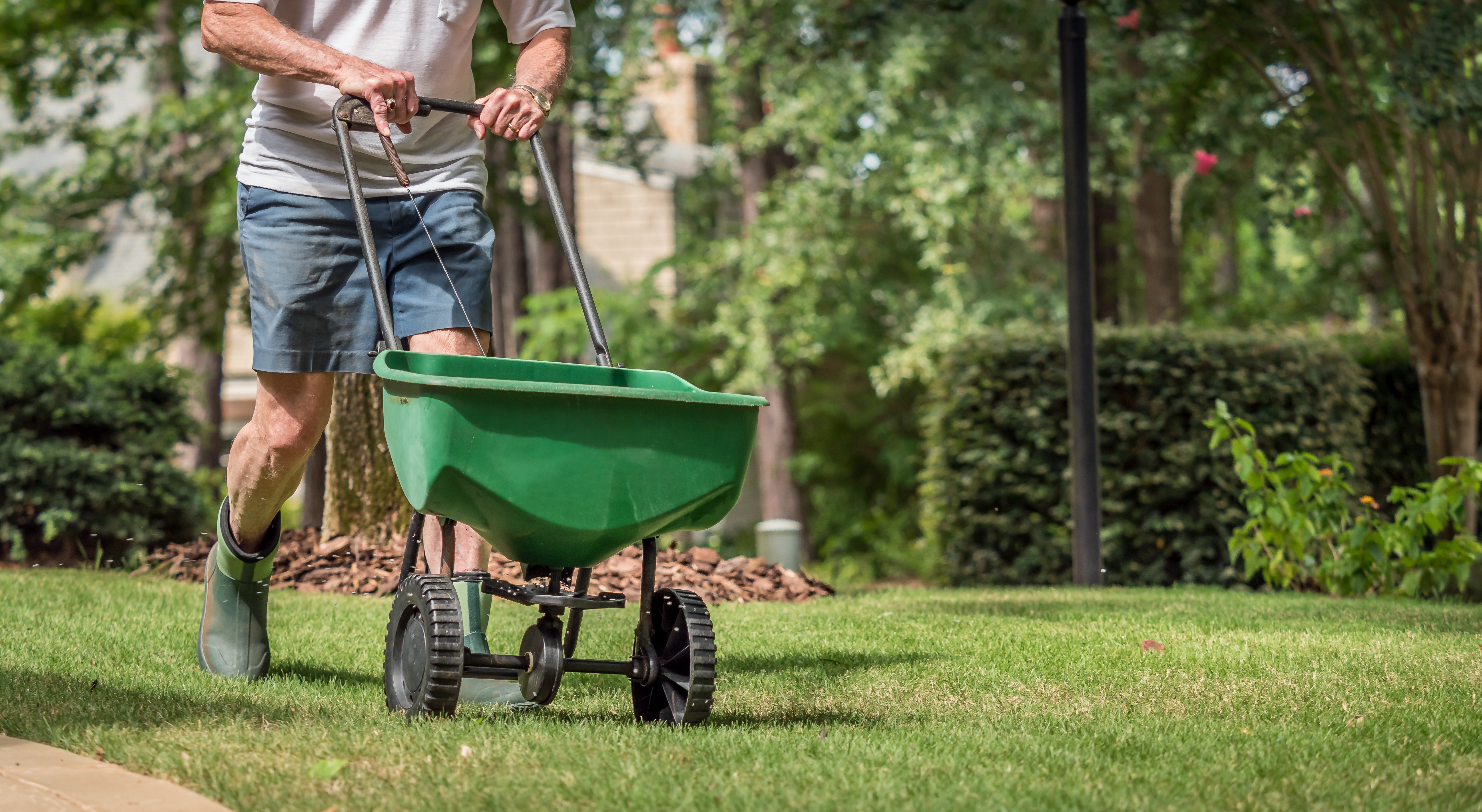
Spread fertilizer evenly across the lawn. Avoid piling it in one spot. Use a broadcast spreader for large areas. For small lawns, a handheld spreader works well. Apply fertilizer when grass is dry for better coverage. Follow the recommended amount on the package. Too much fertilizer can harm the grass.
Watering After Fertilizing
Water your lawn lightly after applying fertilizer. This helps nutrients soak into the soil. Avoid heavy watering right after, which can wash away fertilizer. Water again a day later to keep soil moist. Proper watering improves nutrient absorption and lawn growth.
Equipment Recommendations
Choose the right spreader for your lawn size. Broadcast spreaders cover wide areas fast. Drop spreaders give precise control for small spaces. Keep your equipment clean to avoid clogging. Calibrate your spreader to apply the right amount. Regular maintenance ensures even fertilizer distribution.
Common Mistakes To Avoid While Fertilizing
Fertilizing your lawn is important for its health and growth. Many people make simple mistakes that hurt their grass instead of helping it. Avoiding these errors will save you time and money. It also keeps your lawn green and strong.
Over-application Risks
Putting too much fertilizer on your lawn can cause damage. It may burn the grass and make it turn brown. Excess fertilizer can also wash away into water sources. This harms the environment and wastes your money. Always follow the recommended amount on the package.
Ignoring Soil Nutrient Deficiencies
Not testing your soil before fertilizing is a common mistake. Your lawn may lack certain nutrients, but have enough of others. Adding the wrong nutrients will not help your grass grow. A soil test tells you exactly what your lawn needs. This ensures you give the right fertilizer in the right amounts.
Timing Errors
Applying fertilizer at the wrong time weakens your lawn. Fertilizing too early or too late can stress the grass. The best time depends on your grass type and climate. Follow a schedule that matches your lawn’s growth cycle. This helps the fertilizer work better and keeps your lawn healthy.

Credit: www.pennington.com
Maintaining Lawn Health Beyond Fertilizing
Fertilizing is important for a healthy lawn. Still, many other steps keep your grass strong and green. Proper lawn care means more than just adding nutrients. It includes regular mowing, weed and pest control, and soil care. These tasks help grass grow better and stay healthy all year round.
Mowing Practices
Cutting your grass correctly helps it grow thick and healthy. Keep mower blades sharp to avoid tearing the grass. Cut only one-third of the grass height each time. Leaving grass a bit longer protects roots from heat and drought. Mowing regularly also stops weeds from spreading seeds.
Weed And Pest Control
Weeds steal nutrients and water from your lawn. Removing them early keeps grass strong. Use safe weed control methods and remove weeds by hand if possible. Pests can damage grass quickly. Watch for signs like brown patches or holes. Treat pests with natural or chemical options as needed.
Aeration And Soil Care
Soil can become compacted, blocking air and water from reaching roots. Aeration creates small holes in the soil, helping nutrients and water flow. It also reduces thatch buildup. Testing soil pH helps adjust conditions for better grass growth. Add lime or sulfur based on soil tests to balance pH.
Frequently Asked Questions
How Often Should You Fertilize Your Lawn Yearly?
Fertilize your lawn 3 to 4 times a year for optimal growth. Timing depends on grass type and climate. Avoid over-fertilizing, which can damage grass and pollute water. Spring, summer, and fall applications are common for most lawns.
When Is The Best Time To Fertilize A Lawn?
The best time to fertilize is during active grass growth periods. For cool-season grasses, early spring and fall are ideal. Warm-season grasses benefit from late spring through summer fertilization. Avoid fertilizing during drought or extreme heat.
Can You Fertilize Lawn Too Often?
Yes, over-fertilizing harms grass roots and soil health. It causes excessive growth, thatch buildup, and increases disease risk. Follow recommended schedules based on grass type and soil tests. Moderation ensures a healthy, green lawn without waste.
What Type Of Fertilizer Is Best For Lawns?
Choose a fertilizer balanced in nitrogen, phosphorus, and potassium. Nitrogen promotes green growth, phosphorus supports roots, and potassium boosts disease resistance. Slow-release fertilizers provide steady nutrients and reduce runoff. Tailor fertilizer choice to your soil’s needs.
Conclusion
Fertilizing your lawn regularly keeps it green and healthy. Most lawns need feeding about three to four times each year. Too much fertilizer can harm grass, so follow instructions carefully. Choose a fertilizer that fits your grass type and climate.
Water your lawn after applying fertilizer to help nutrients soak in. Healthy soil and proper care make your lawn thrive. Keep an eye on how your lawn grows and adjust fertilizing as needed. Simple steps lead to a beautiful lawn you can enjoy all year.